الوسم: medical technology

  • AI May Detect Heart Failure Early, Before Symptoms Worsen

    AI May Detect Heart Failure Early, Before Symptoms Worsen

    Many individuals with heart failure remain unaware of their condition until it has caused considerable damage. Common early warning signs like fatigue, shortness of breath, or decreased ability to exercise are often mistaken for normal aging or other illnesses. Improving methods for early detection of heart disease has become a primary focus in contemporary medicine.

    Researchers at Wake Forest University believe that artificial intelligence could be part of the solution. In a study published in the Journal of the American Heart Association, they demonstrated that AI can identify signs of several major heart problems using data from a standard electrocardiogram (ECG)—one of the most widely used medical tests worldwide. An ECG records the electrical activity generated by each heartbeat. For over a hundred years, clinicians have used it to spot rhythm irregularities and indications of heart damage. Now, AI can analyze intricate patterns within ECG data that are too subtle for the human eye to discern, unlocking a wealth of additional information from this simple test.

    The research team developed two AI systems: one that analyzed the traditional 12-lead ECG performed in hospitals, and another that utilized just a single lead. This innovation opens the door for future wearable devices, like smartwatches or portable monitors, to perform screenings outside clinical settings. They analyzed nearly 1.08 million ECG recordings from over 165,000 patients before validating their models on a separate group of children. The AI accurately detected various forms of left ventricular dysfunction and heart failure with preserved ejection fraction—conditions usually requiring advanced imaging techniques for diagnosis.

    The most impressive results came from identifying severely impaired heart pumping ability, but the AI also showed excellent performance in detecting other heart failure types. Notably, even the single-lead version achieved useful accuracy, suggesting that low-cost, widespread screening through portable devices could be feasible in the future. An unexpected finding was that models based solely on routine patient information did not perform consistently, and combining these data with AI analysis of ECGs offered little enhancement. This indicates that the ECG alone contains complex, hidden insights that AI can interpret effectively.

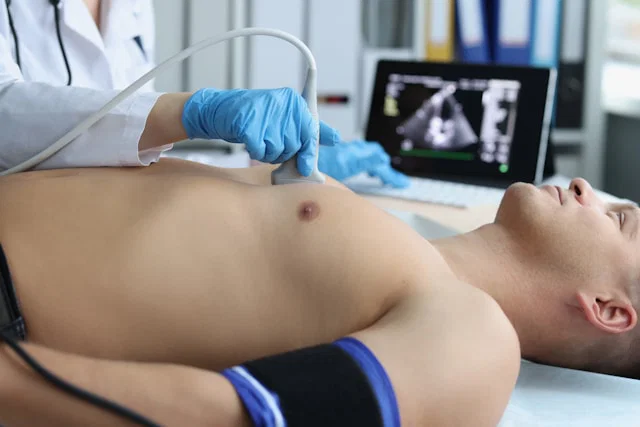
    Integrating this technology into healthcare could enable physicians to identify high-risk patients earlier in their disease progression. Those with abnormal AI findings might undergo further testing, such as echocardiograms, or receive specialist care before experiencing severe symptoms. Early intervention often leads to improved long-term health outcomes and reduces emergency hospital visits.

    While these promising results highlight AI’s potential, it’s important to note that this technology is not yet ready to replace physicians or routine heart tests. Extensive testing across diverse healthcare environments and populations is necessary to confirm reliability. Ethical considerations, patient privacy, and medical oversight will remain vital components of its development and deployment.

    Overall, this research illustrates how artificial intelligence can transform a simple ECG into a powerful screening tool for heart disease. If subsequent studies validate these findings, millions could benefit from faster, more accessible diagnosis using existing medical equipment. Although this represents an exciting step forward, careful clinical evaluation will be essential to determine how soon this technology can be integrated into standard medical practice.

    If heart health interests you, consider exploring top dietary choices for a stronger heart and learn why oranges might help combat obesity, diabetes, and cardiovascular disease. Additional resources include guides on a simple 7-day diabetes meal plan and the advantages of adding black beans to your diet.

    Source: Wake Forest University.
  • AI Can Diagnose and Treat Just Like Doctors

    AI Can Diagnose and Treat Just Like Doctors

    Artificial intelligence is increasingly integrating into daily life, from composing written content and answering inquiries to aiding in the creation of images and software. Recently, researchers have started investigating a crucial new application: can AI assist medical professionals in caring for patients?

    A study published in the journal Nature highlights that advanced AI systems might support doctors across many aspects of patient care. The research introduces two innovative AI tools named MIRA and AMIE, both capable of performing various medical tasks. These range from collecting patient information and diagnosing conditions to recommending treatments and planning follow-up procedures.

    The significance of these developments is heightened by global healthcare challenges such as doctor shortages, aging populations, and escalating chronic illnesses. Physicians often face long hours and limited direct time with each patient, prompting hope that AI could help alleviate some of these burdens.

    Most existing healthcare-focused AI tools target narrow functions—for example, detecting cancer in scans or summarizing patient records. However, real-world medical decision-making involves complex reasoning and multitasking—collecting symptoms, reviewing histories, ordering tests, interpreting results, and adjusting treatments as conditions evolve. Researchers questioned whether AI could handle such multifaceted reasoning.

    The first system, MIRA (Medical Intelligence for Reasoning and Action), was developed by a team led by Jakob Kather. Tested with real-world data from over 500 emergency department cases, MIRA interacted with virtual patients—responses modeled after actual clinical notes—by asking questions and gathering information much like a clinician would. It had access to a database of more than 85,000 possible actions, including ordering tests, reviewing results, recommending therapies, prescribing medications, scheduling procedures, and deciding hospital admissions. Impressively, MIRA achieved nearly 88% accuracy in diagnoses, outperforming a diverse panel of six physicians, who averaged about 78%.

    The second AI system, AMIE (Articulate Medical Intelligence Explorer), was developed by Google researchers using the Gemini AI framework. Unlike earlier platforms, AMIE could analyze multiple patient visits over time, tracking disease progression and treatment effectiveness. In a comparison with 21 primary care doctors using 100 simulated patient scenarios across five specialties—based on UK clinical guidelines—AMIE performed on par with experienced physicians in overall reasoning. In some instances, it even demonstrated superior precision, especially in testing and treatment recommendations, and adhered closely to established guidelines. Additional testing with a new benchmark called RxQA, focused on medication reasoning, showed AMIE outperformed physicians on particularly challenging cases.

    Despite these promising results, experts caution that neither AI system is ready to replace doctors. Medical practice encompasses much more than decision-making from data—communication, understanding individual patient preferences, recognizing atypical cases, and making nuanced judgments in real-world settings are beyond the current scope of AI.

    Limitations of the studies include their reliance on virtual scenarios rather than real clinical environments. Future research must establish whether these systems can perform robustly in busy hospitals and clinics with real patients and unpredictable situations.

    The emerging view suggests that conversational AI tools might serve as valuable assistants rather than replacements, helping healthcare providers gather information, generate differential diagnoses, confirm treatment guidelines, and streamline routine tasks. If further validation confirms their safety and effectiveness, AI could become a vital partner in enhancing healthcare quality and efficiency, particularly in regions facing healthcare worker shortages.

  • Revolutionary 5-in-1 Tiny Surgical Robot Potentially Transforming Medicine

    Revolutionary 5-in-1 Tiny Surgical Robot Potentially Transforming Medicine

    Scientists in Singapore have engineered a tiny robot roughly the size of a seed that can perform five distinct medical tasks within the body, potentially paving the way for safer, more precise surgeries in the future. This miniature robot, developed by researchers at Nanyang Technological University, measures just 4.4 millimeters long.

    Despite its small stature, the robot is capable of moving across soft surfaces, cutting tissue, releasing drugs, collecting tissue samples, and generating heat for medical treatments. Even more remarkable, it can switch between these functions in less than a second.

    The research, published in Advanced Materials, was led by Lum Guo Zhan, an expert in soft miniature robotics. The device is wirelessly controlled using weak magnetic fields. Laboratory experiments demonstrated how magnetic coils could guide the robot and remotely activate its various tools.

    For instance, the robot can deploy a tiny blade to cut tissue, release particles that simulate medication, grip and store tissue samples for biopsies, or produce localized heat. This heat-generating capability could support magnetic hyperthermia, a method being explored to destroy cancer cells through heat.

    Around the world, scientists are exploring miniature medical robots because they could enable procedures deep inside the body without large surgical incisions. This approach promises to reduce pain, shorten recovery times, and increase surgical precision.

    Designing such ultra-compact robots poses significant challenges, particularly fitting multiple functions into a tiny device while maintaining precise control. The NTU team addressed this by developing a specialized magnetic control system capable of quickly altering the robot’s behavior.

    Constructed from soft silicone-based materials like PDMS and Ecoflex—both flexible and commonly used in soft robotics—the robot embeds tiny magnetic particles that respond to magnetic fields in different ways. Its core features a magnetic module that can be magnetized and reprogrammed in various directions, activating different tools or movements each time.

    To enhance control, the team designed the robot so only one section reacts to a magnetic field at a time, preventing all parts from moving simultaneously—a common problem with small magnetic robots. Additionally, the robot can roll by spinning around its own axis, aiding navigation through narrow, uneven spaces akin to those inside the human body.

    In tests using chicken liver tissue and soft gel materials that imitate human tissue, the robot successfully executed all five functions. Moreover, the materials appeared highly biocompatible; over 99% of human skin cells exposed to the robot’s components survived in laboratory conditions, indicating low toxicity.

    While the project has been in development for seven years and remains in the research phase, the team is now exploring integration with medical imaging systems and artificial organs. Future iterations could assist doctors during minimally invasive surgeries and targeted internal treatments.

    Source: Nanyang Technological University