الوسم: medical research

  • نصف الأمريكيين يعانون من اضطرابات الدماغ والأعصاب

    نصف الأمريكيين يعانون من اضطرابات الدماغ والأعصاب

    يشير تقرير كبير إلى أن أكثر من نصف سكان الولايات المتحدة يعانون من حالة واحدة على الأقل تؤثر على الدماغ أو الحبل الشوكي أو الأعصاب. تتنوع هذه الحالات من الصداع الشائع إلى أمراض خطيرة مثل السكتة الدماغية ومرض الزهايمر، مما يشكل عبءًا صحيًا كبيرًا على البلاد.

    الجهاز العصبي يُعد شبكة التواصل في الجسم، إذ يتحكم الدماغ في التفكير، والذاكرة، والحركة، والعواطف، بينما ينقل الحبل الشوكي والأعصاب الرسائل عبر الجسم. أي خلل في هذا النظام يمكن أن يؤثر بشكل كبير على معظم جوانب الحياة اليومية.

    أجرت الدراسة فرق علمية بالتعاون مع الأكاديمية الأمريكية لعلم الأعصاب ومعهد تقييم مؤشرات الصحة، ونشرت نتائجها في مجلة JAMA Neurology. استند الباحثون إلى بيانات من دراسة عبء المرض العالمي 2021، وهي مشروع دولي واسع يضم خبراء من جميع أنحاء العالم.

    درس الفريق 36 حالة تؤثر على الجهاز العصبي، وقدر أن أكثر من 180 مليون أمريكي – أي حوالي 54% من السكان – يعانون من واحدة على الأقل من هذه الحالات، مقابل حوالي 43% عالميا. من بين الحالات الشائعة التي لا تسبب دائمًا إعاقة شديدة، كانت نوبات الصداع التوتري تؤثر على نحو 122 مليون أمريكي، في حين أصيب حوالي 58 مليون منهم بالشقيقة. كما تأثر نحو 17 مليون شخص من تلف الأعصاب المرتبط بمرض السكري.

    شملت القائمة حالات تظهر في مراحل عمرية مختلفة، فبعضها يصيب الأطفال، بينما تصبح الأخرى أكثر شيوعًا مع التقدم في العمر. من بين الأمراض الأساسية التي تتزايد أهميتها مع الشيخوخة مرض الزهايمر، ومرض باركنسون، والسكتة الدماغية.

    وقال الدكتور جون ناي من جامعة ييل، أحد الباحثين، إن صحة الدماغ والأعصاب تلعب دورًا حاسمًا في قدرة الأفراد على العمل، والحفاظ على العلاقات، وإدارة الحياة اليومية. لذا، فإن تحسين الوقاية، والتشخيص المبكر، وتوفير العلاجات يمكن أن يحسن جودة حياة الملايين. كما أظهر الدراسة أن عدّ عدد المصابين ليس كافيًا لفهم الأثر الحقيقي للمشكلة.

    لقياس هذا التأثير، استخدم الباحثون مقياسًا يجمع بين الوفيات المبكرة وسنوات العيش مع الإعاقة أو المرض. تصدرت السكتة الدماغية القائمة بأكبر خسارة صحية إجمالية، تلتها أمراض الزهايمر والخرف ذات الصلة. كما ساهم تلف الأعصاب الناتج عن السكري والشقيقة أيضًا بشكل كبير في العبء الصحي.

    ولعل ما يبعث على الأمل هو أن معدل الوفيات المرتبطة بحالات الجهاز العصبي انخفض بنحو 15% منذ عام 1990 حتى 2021، مما يدل على أن تحسين الوقاية والعلاجات ساعد في تقليص الوفيات المرتبطة بهذه الأمراض. ومع ذلك، فإن فترة البقاء على قيد الحياة لم تخلُ من تحديات جديدة، حيث زاد الوقت الذي يقضيه المرضى مع الإعاقة بنسبة 10% خلال ذات الفترة، مما يعني أن المزيد من الأشخاص يعيشون بعد التشخيص ولكنهم قد يحتاجون إلى علاج أو دعم مدى الحياة.

    تفسير آخر لهذا الزيادة هو ارتفاع عدد كبار السن، حيث أن التقدم في العمر يزيد من احتمالية الإصابة بالسكتة الدماغية والخرف ومرض باركنسون وغيرها من الحالات. ومع تزايد عدد المسنين، من المتوقع أن يرتفع بشكل كبير عدد الأشخاص الذين يحتاجون إلى رعاية عصبية.

    أشار الباحثون إلى بعض القيود في دراستهم، خاصة عدم احتساب بعض الأمراض التي تؤثر على أجزاء متعددة من الجسم إذا لم يكن من الممكن تحديد تأثيرها على الجهاز العصبي بشكل واضح. وهذا يجعل الحصيلة الإجمالية للمشكلات الدماغية والعصبية أصعب في قياسها بدقة.

    وفي النهاية، تؤكد نتائج الدراسة على أهمية الاستمرار في البحث، والكشف المبكر، وتحقيق وصول أوسع للعلاج، لحماية صحة الدماغ والأعصاب، مما يمكن أن يعزز استقلالية الملايين ويحسن نوعية حياتهم.

    إذا كنت تهتم بصحة الدماغ، فاحرص على الاطلاع على الدراسات التي تركز على فوائد الدهون الصحية للدماغ، مثل فوائد التوت البري البرّي والتي تعزز صحة القلب والدماغ. للمزيد من المعلومات الصحية، اقرا الدراسات حول كيف يؤثر تناول المكسرات على القدرات الإدراكية، وكيفية تغذية الأطعمة الدماغية لعقلك لمقاومة الشيخوخة والخرف.

  • New Blood Pressure Test May Detect Hidden Heart Risks

    New Blood Pressure Test May Detect Hidden Heart Risks

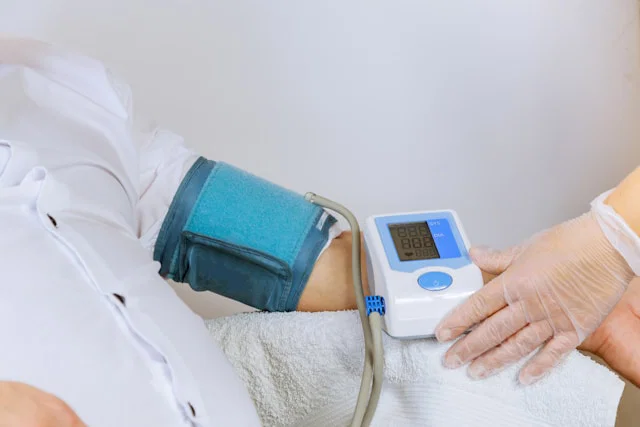
    Blood pressure is a vital measurement used by physicians to assess the health of the heart and blood vessels. It indicates how forcefully blood presses against the artery walls as the heart circulates blood through the body. persistent high blood pressure, if left unmanaged, causes the heart to work harder and gradually damages blood vessels throughout the body.

    Over time, this increases the risk of heart attacks, strokes, heart failure, kidney disease, and other serious health issues. Because high blood pressure often presents no obvious symptoms, it’s often called the “silent killer.” Many individuals feel perfectly fine even when their blood pressure is dangerously elevated. This underscores the importance of regular blood pressure monitoring. Detecting hypertension early allows for lifestyle adjustments or treatment before complications arise.

    Most people are familiar with the typical method of measuring blood pressure. During a doctor’s visit, patients usually sit quietly for a few minutes while a cuff is placed around their upper arm. The cuff inflates briefly, and the device records the reading. This has been the standard procedure for many years and remains common in most healthcare settings.

    However, recent studies suggest that measuring blood pressure solely in a sitting position might not provide the full picture. A presentation at the American Heart Association’s Hypertension Scientific Sessions 2023 revealed that checking blood pressure while lying down could uncover hidden risks that otherwise go unnoticed.

    Led by Duc M. Giao, a medical student at Harvard Medical School, the research analyzed health data from over 11,000 adults who participated in a long-term health study between 1987 and 1989. Participants had their blood pressure measured in a lying position, with researchers tracking their health over nearly three decades to see who developed heart disease or other significant medical conditions later on.

    The findings were eye-opening. Approximately 16% of participants exhibited high blood pressure only when lying down, despite showing normal readings when sitting. This means many individuals could have undetected high blood pressure, potentially putting them at risk without knowing it. Furthermore, those with elevated blood pressure while lying down faced higher chances of developing cardiovascular issues, heart failure, and strokes. They were also more likely to experience premature death compared to those whose blood pressure remained normal.

    Even individuals with high blood pressure only in the supine position faced increased health risks, indicating that blood pressure control is more nuanced than previously understood. Body position can influence readings, and such variations might provide crucial insights into future health risks.

    Giao points out that people already at elevated risk for heart disease or stroke could benefit from measuring their blood pressure in multiple positions. Taking readings while lying down might reveal hidden problems earlier and offer a more comprehensive view of blood pressure behavior, including during daily activities and sleep.

    Because the study mainly involved middle-aged adults, these findings could be especially relevant for this age group. Experts emphasize the need for further research to verify whether similar patterns are observed in older populations or different demographics before officially updating medical guidelines.

    While the study, presented at a prestigious scientific conference, still requires additional validation, it raises an important question: could a simple change in blood pressure measurement techniques enhance early detection of heart disease? If future studies confirm these results, measuring blood pressure both sitting and lying down could become a valuable addition for health screenings, helping physicians identify at-risk individuals before serious issues develop.

    Small adjustments in medical practices, such as incorporating lying-down blood pressure measurements, have the potential to make a significant difference. This approach could lead to earlier intervention, improved risk assessment, and better preventive care for those vulnerable to cardiovascular conditions.

    For those concerned about managing high blood pressure, exploring the impact of vitamins and other dietary strategies may be helpful. Learning how to regulate both blood pressure and diabetes through nutritious foods, including modifications of traditional Chinese cuisine, can play a critical role. Staying informed with recent research on optimal and harmful foods for high blood pressure is essential for proactive health management.

    © 2026 Knowridge Science Report. All rights reserved.

  • Renaming Low-Risk Prostate Cancer May Save Thousands

    Renaming Low-Risk Prostate Cancer May Save Thousands

    Scientists are exploring a provocative idea: could certain low-risk prostate cancers be reclassified to reduce unnecessary concerns? A recent UCLA-led study proposes that renaming the least aggressive form of prostate cancer might empower men to make more informed health choices and potentially save thousands of lives annually. The findings appeared in JAMA Oncology.

    Prostate cancer is prevalent, yet not all tumors act the same. Some grow quickly and spread, demanding immediate intervention, while others stay dormant for years, often remaining harmless. Grade Group 1, also known as Gleason 6, falls into this lowest-risk category. Research indicates these tumors typically do not metastasize on their own and are unlikely to pose a threat unless a more aggressive cancer develops later.

    Because of this, doctors generally recommend active surveillance—regular PSA tests, imaging, and occasional biopsies—rather than immediate surgery or radiation. This approach allows for early detection of any changes without subjecting patients to potentially life-altering treatments that can cause ongoing issues with bladder control, bowel function, and sexual health.

    However, many men get scared when they hear the word “cancer,” leading some to pursue unnecessary treatments. The study’s researchers questioned whether removing the “cancer” label could lessen fear and prevent overtreatment. Using a computer model built from U.S. health data and previous research, they examined what might happen if Grade Group 1 tumors were described as a precancerous condition instead.

    The results were promising. The model suggested that greater acceptance of PSA screening could prevent approximately 2,835 prostate cancer deaths each year. Even when factoring in the possibility that men might be less diligent about follow-up, the model still indicated a net reduction of nearly 2,400 deaths annually.

    This research also sheds light on how disease labels influence health behaviors. Dr. Scott Eggener notes that science has previously led to renaming low-risk conditions in the bladder, cervix, thyroid, and some prostate tumors once it became clear they posed little harm.

    Yet, not everyone agrees. Some experts worry that changing the terminology could lead patients to underestimate the importance of regular check-ups. Missing follow-up appointments might allow more serious cancers to develop undetected.

    The researchers addressed these concerns by testing various scenarios. Their findings remained consistent: even with less frequent follow-up and minimal increases in screening, the overall number of prostate cancer deaths was predicted to fall.

    Although this study relies on mathematical modeling rather than real-world trials, it offers a compelling perspective on an important healthcare issue. More extensive studies are necessary before any official changes are implemented.

    In summary, adopting clearer, less intimidating language in medical communications could help reduce unnecessary treatments and encourage more men to participate in prostate cancer screening programs. For further insights, explore studies on bacteria linked to aggressive prostate cancer, new strategies for treating advanced stages, and recent advancements in reducing cancer spread and improving survival with combination therapies.

    Source: UCLA

  • Can AI Step in as Your Doctor’s New Partner?

    Can AI Step in as Your Doctor’s New Partner?

    Imagine going to the doctor with an AI system quietly working in the background. It could analyze your symptoms, review your medical history, suggest tests, recommend treatments, and monitor your progress across multiple visits. While this might sound like science fiction, recent research indicates it could become a reality someday.

    Two new studies published in the journal Nature detail advanced AI systems that performed impressively in simulated patient care scenarios. These systems, named MIRA and AMIE, demonstrate that conversational AI might assist with many complex decisions involved in disease management.

    Healthcare systems worldwide are facing mounting challenges. Many nations are experiencing shortages of doctors and nurses, while people are living longer and developing chronic conditions that require continuous care. Medical professionals often manage large caseloads and process vast amounts of information daily.

    AI has already shown notable success in areas like language translation, image analysis, and coding. In medicine, some AI tools can detect abnormalities in scans or summarize patient records—though most are designed for single tasks. Patient care, however, involves integrating diverse information and making decisions that evolve as new data emerges. Doctors ask questions, order tests, interpret results, choose treatments, track progress, and adjust plans over time.

    Researchers aimed to see if AI could handle such complex medical reasoning. The first study focused on MIRA—short for Medical Intelligence for Reasoning and Action—created by Jakob Kather and colleagues. MIRA was tested with data from more than 500 real emergency room cases. It interacted with virtual patients, whose responses were based on actual medical records, asking questions, gathering info, and selecting from over 85,000 possible medical actions. MIRA could order tests, interpret results, recommend medications, arrange procedures, and decide if hospital admission was necessary. It correctly identified diagnoses in nearly 88% of cases, compared to an average of about 78% accuracy among six doctors from different specialties.

    The second study examined Google’s AMIE—short for Articulate Medical Intelligence Explorer. Unlike systems focused on single visits, AMIE was designed to manage patient conversations across multiple appointments and track disease progression over time. Researchers compared AMIE to 21 primary care physicians across 100 simulated cases involving five specialties, following established British medical guidelines. AMIE performed on par with, or better than, physicians overall, especially in selecting appropriate tests and treatments and adhering to clinical guidelines. They also developed a new test called RxQA to evaluate medication reasoning, where AMIE outperformed doctors in particularly challenging cases.

    Despite these promising findings, experts caution that since the studies used simulated scenarios, the results do not mean AI is ready for independent clinical practice. Real-world cases often involve unexpected complications, multiple illnesses, communication barriers, and social factors influencing care. Additionally, medicine relies heavily on trust, empathy, and human connection—areas where doctors are still essential.

    The overall outlook suggests AI could serve as a powerful support tool rather than a replacement for physicians. Future systems might help organize information, reduce administrative burdens, suggest evidence-based treatments, and catch issues that might otherwise be missed. However, extensive real-world testing will be crucial before integrating these technologies into standard patient care.

    These studies mark an important step forward, offering a glimpse into a future where doctors and AI collaborate to enhance healthcare outcomes globally.

  • Single Blood Test Detects Multiple Cancers and Diseases Early

    Single Blood Test Detects Multiple Cancers and Diseases Early

    A research team from UCLA has developed a new blood test that could revolutionize how healthcare providers detect cancer and other illnesses. Published in the Proceedings of the National Academy of Sciences, their findings indicate that a simple blood sample might offer a comprehensive view of an individual’s health status.

    Early diagnosis is a critical objective in medicine since many severe conditions, including cancer, are more treatable when identified early. Traditional screening methods often target one disease at a time, and they can be expensive or uncomfortable for patients.

    The innovative test, named MethylScan, analyzes tiny fragments of DNA circulating in the bloodstream, originating from cells throughout the body. When cells die, they release their DNA into the blood, containing valuable health information.

    What sets this test apart is its focus on DNA methylation—chemical modifications on DNA molecules that shift depending on cell health. Healthy cells and those affected by disease exhibit distinct methylation patterns, which can be detected and assessed.

    A significant hurdle in blood-based testing is that most DNA in the blood stems from normal, healthy cells, creating background noise that can obscure signals from cancers or damaged organs. To address this, the researchers developed a technique to filter out much of this irrelevant DNA, concentrating on the most informative fragments. This approach enhances accuracy and lowers testing costs.

    The team evaluated MethylScan in a study involving over 1,000 participants, including cancer patients, individuals with liver disease, and healthy controls. By employing sophisticated computer algorithms, they managed to interpret complex data patterns.

    The results were promising: the test identified approximately 63% of cancers overall, including over half of early-stage cancers. For liver cancer, detection rates approached 80%, especially among high-risk groups. Additionally, the test could pinpoint the affected organ, assisting doctors in choosing the most appropriate subsequent tests and speeding up diagnosis.

    Moreover, the study demonstrated that MethylScan could distinguish between different liver diseases with good accuracy, potentially reducing reliance on invasive procedures like biopsies.

    Despite these encouraging outcomes, the test remains in early developmental stages, with larger clinical trials needed to validate its effectiveness in real-world settings. From a technical standpoint, the approach offers a practical and scalable method for disease detection by focusing on DNA methylation rather than genetic mutations, avoiding some limitations of current testing technologies.

    However, sensitivity for detecting early-stage cancers still needs improvement since some cases may go unnoticed. Cost efficiency is a notable advantage, but clinical trials will be essential to establish its reliability and applicability.

    Overall, this research marks a step toward a future where a single blood test could provide a thorough health assessment, enabling earlier detection, reducing healthcare costs, and increasing accessibility.

    If you’re interested in health topics, consider exploring studies linking artificial sweeteners to increased cancer risk or how drinking milk may influence heart disease and cancer risks. For more updates, look into recent research on the optimal timing for vitamin intake to prevent heart problems and findings that vitamin D supplements can significantly reduce cancer mortality.

    Source: University of California, Los Angeles (UCLA).

  • Study Suggests Insulin Pill Could Be Nearer Than Ever

    Study Suggests Insulin Pill Could Be Nearer Than Ever

    Credit: Unsplash+
    For over a hundred years, researchers have been working to develop an oral form of insulin. Since insulin’s discovery in the early 1920s, it has been a life-saving treatment for millions, especially individuals with diabetes who can’t produce enough insulin naturally.

    Despite this progress, insulin still needs to be injected with a needle. This has remained a significant challenge in managing diabetes.

    The difficulty stems from the fact that when insulin is swallowed, it passes through the digestive tract where it is rapidly broken down by enzymes designed to digest proteins. Since insulin is a protein, these enzymes destroy much of it before it can do any good.

    By the time insulin reaches the intestines, only a small amount remains intact. Additionally, the intestines are not efficient at absorbing insulin into the bloodstream. Due to these obstacles, oral insulin has long been considered more of a “dream” than a practical reality.

    A recent study from Kumamoto University in Japan might finally bring this goal closer to reality. Led by Associate Professor Shingo Ito, the research was published in the journal Molecular Pharmaceutics. The team developed a new approach to protect insulin as it travels through the digestive system, allowing it to reach the bloodstream via the intestines.

    Their solution involves a special molecule called a cyclic peptide, specifically known as the DNP peptide. This peptide has a unique structure that allows it to pass through the walls of the small intestine more effectively than typical proteins. Using this peptide as a carrier, the researchers devised a way to deliver insulin without injections.

    The team tested two different methods of delivering insulin with this system. In the first, they mixed insulin with a modified version of the peptide. This mixture helped keep insulin stable and facilitated its passage through the intestines.

    In tests involving diabetic mice, the results were promising. Blood sugar levels quickly returned to normal, and the effects lasted with just one dose per day over several days.

    In the second method, the scientists chemically attached the peptide directly to the insulin molecule, creating a new compound that could cross the intestinal lining more efficiently. This approach yielded similar results to the first, confirming that the peptide actively assists insulin in entering the bloodstream.

    One of the key findings is that this method doesn’t require extremely large doses. Past efforts to make oral insulin effective often involved super-high doses, which were impractical. In contrast, this new approach achieved approximately 33 to 41 percent of the efficacy of injected insulin—an impressive improvement that could make oral insulin a feasible option.

    This breakthrough has the potential to significantly impact people with diabetes. Many patients find daily injections painful and inconvenient, which can diminish their quality of life over time. An oral insulin pill would be much easier to take and might improve treatment adherence.

    That said, it’s important to note that this research is still in the early stages. The experiments have only been conducted in animal models, and further research is needed to verify that the method is safe and effective in humans. The scientists are planning to test the system in larger animals that better mimic human physiology.

    Overall, these findings represent an exciting advancement. They demonstrate that with innovative technology and creative approaches, longstanding medical challenges can be addressed.

    Scientifically, the study is robust because it tested two different delivery methods and produced consistent results. It also tackled one of the biggest barriers in oral medication—poor absorption.

    However, since these are early results, human clinical trials will be essential before this method can be used in everyday treatment. If future research confirms these findings, this technology could revolutionize how we treat diabetes worldwide.

    For those interested in blood sugar management, consider exploring why blood sugar tends to spike in the mornings or ways to cook sweet potatoes without causing rises in blood glucose.

    For brain health insights, check out recent studies about nine unhealthy habits damaging your brain and investigations into how compounds in cannabis might help protect aging brains and treat Alzheimer’s disease.

    Source: Kumamoto University.