الوسم: live births

  • US Infant Mortality Rate Rises 3% in 2022, Stays Steady in 2023

    US Infant Mortality Rate Rises 3% in 2022, Stays Steady in 2023

    U.S. Infant Mortality Rate: A Concerning Trend Reversed

    The latest report from the Centers for Disease Control and Prevention (CDC) reveals troubling news regarding the state of infant mortality in the United States. For the first time in over a decade, the infant mortality rate has reversed its long-standing downward trend, marking a significant public health concern that warrants in-depth examination.

    Understanding Infant Mortality

    Infant mortality refers to the death of a child before reaching its first birthday. This metric serves as a crucial indicator of a nation’s health care quality, socioeconomic conditions, and overall child welfare. The CDC’s findings indicate that in 2022, the U.S. infant mortality rate rose by 3 percent, now standing at 5.61 deaths per 1,000 live births. This figure demonstrates a stark contrast to the nearly unbroken decline observed since 1995, when comprehensive records began.

    Contributing Factors to the Rise

    The reasons behind this unprecedented increase in infant mortality are complex and multifaceted. Health experts have cited several potential factors that contributed to the rise in mortality rates, including:

    Pregnancy Complications and Meningitis

    Among the leading causes of infant death, complications during pregnancy as well as meningitis have seen a notable increase. These conditions not only pose direct risks to infants but also underline broader systemic issues in maternal health care.

    The Aftermath of COVID-19

    The COVID-19 pandemic has had a far-reaching impact on various aspects of health care. Experts suggest that as normal social behaviors returned post-pandemic — including a decline in social distancing practices — there has been a resurgence of infectious diseases that may adversely affect infant health.

    Maternity Care Deserts

    The existence of maternity care deserts, areas severely lacking in health care services for pregnant individuals, has exacerbated challenges. Many expectant mothers face difficulties accessing proper prenatal care, which is critical for both maternal and infant health.

    Legislative Changes Impacting Pregnancy

    The continued enforcement of abortion bans may have unintended consequences, leading to unwanted pregnancies carried to term. This issue has been raised by various health professionals who caution that unwanted pregnancies could lead to compounding health risks for both mother and child.

    Rising Health Issues Among Expectant Mothers

    As the population evolves, more women are beginning pregnancies with pre-existing health conditions such as obesity, diabetes, and hypertension. These underlying health issues could be contributing to heightened risks during pregnancy and subsequently for the infant.

    Demographic Disparities in Infant Mortality

    The CDC report also highlights significant disparities in infant mortality rates among different demographic groups. Black and Native American populations in the U.S. experience the highest rates of infant mortality. These disparities are indicative of systemic inequalities and highlight the importance of targeted interventions.

    Historical Context

    The increase recorded in 2022 was the first statistically significant rise since 2002, drawing attention to the need for comprehensive health policies. This increase has the potential to shift public health priorities back to the draw board, requiring a reevaluation of strategies aimed at reducing infant mortality.

    The Need for Comprehensive Solutions

    The situation demands collective efforts from health care providers, policymakers, and communities to address the various contributing factors. Implementing measures to improve access to quality prenatal care, addressing social determinants of health, and prioritizing the health of marginalized populations are vital steps to reversing this troubling trend.

    As the U.S. grapples with this alarming shift in infant mortality rates, a concerted effort must be made to understand and tackle the root causes, ensuring a healthier future for both mothers and their children.
  • 60% Drop in Global Child Deaths: Progress and Challenges Ahead

    60% Drop in Global Child Deaths: Progress and Challenges Ahead

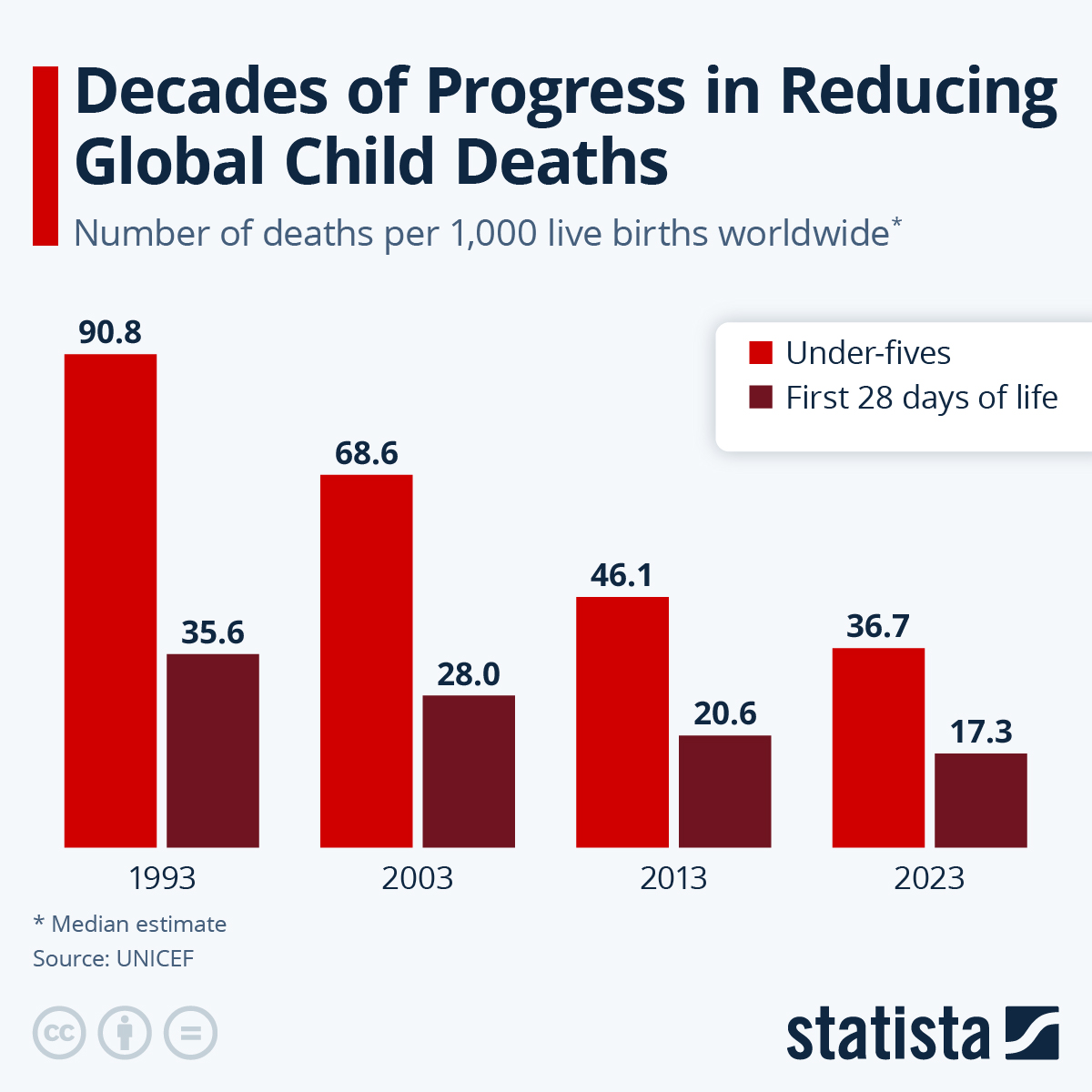
    Decades of Progress in Reducing Global Child Deaths

    The past few decades have witnessed a profound transformation in child health outcomes across the globe. Significant reductions in child mortality rates, especially among those under five years of age, offer a glimpse into the successes achieved through concerted efforts by various stakeholders. Recent data shows that child mortality has been declining steadily, but the journey is far from over.

    Historical Context of Child Mortality Rates

    Historically, child mortality has been a pressing issue worldwide. In the early 1990s, millions of children died annually due to preventable causes such as infections, malnutrition, and lack of access to medical care. However, concerted global efforts over the years, particularly from organizations such as UNICEF, have facilitated remarkable progress.

    Since 1993, the global under-five mortality rate has decreased by an astonishing 60 percent. For newborns, the mortality rate dropped by 51 percent during the same period. These statistics underscore the advancements in healthcare technology, vaccination programs, and improved maternal health initiatives that have collectively contributed to saving countless lives.

    Current Statistics on Child Mortality

    Despite the significant strides made, challenges remain. The year 2023 recorded an estimated 4.8 million children under the age of five who died, which equates to approximately 36 infants for every 1,000 live births worldwide. Alarmingly, within this group, 2.3 million were newborns, translating to around 17 deaths per 1,000 live births among those under 28 days of age.

    This data illustrates that the fight against child mortality is still ongoing, with nearly half of all under-five deaths occurring within the first month of life. Such statistics highlight the critical need for improved prenatal and neonatal care to safeguard the lives of the most vulnerable population.

    Factors Behind Unequal Progress

    While the overall decline in child mortality is commendable, it masks some underlying inequalities that persist, particularly across different age groups and regions. The data reveals that progress has not been uniform. The disparity in survival rates is stark: children in the highest mortality countries face an 80 times greater risk of dying before their fifth birthday compared to those in the lowest mortality countries.

    Regional Disparities

    Regional inequalities are a significant concern. Some areas still struggle with high child mortality rates due to factors such as poverty, limited access to healthcare facilities, and the impact of conflict or instability. Children in rural areas, poorer households, and conflict-affected regions are particularly vulnerable, which highlights the necessity for targeted interventions in these regions.

    Socioeconomic Factors

    Research indicates that socioeconomic factors play a crucial role in influencing child mortality rates. Maternal education levels, household wealth, and access to healthcare services are intertwined with infant and child survival. For instance, mothers who possess higher education levels are generally more aware of health practices, and they tend to seek medical care earlier, leading to better outcomes for both mothers and their children.

    The Role of Global Partnerships

    The significant reduction in child mortality rates can be attributed to an integrated approach involving various stakeholders, including governments, non-governmental organizations, health professionals, and communities. This collaborative effort has been underscored through investments in healthcare systems, vaccination campaigns, and educational programs aimed at improving maternal and child health.

    UNICEF’s ongoing initiatives illustrate the importance of global collaboration in addressing child health issues. By focusing on comprehensive strategies that include community engagement and education, stakeholders have made progress in combating child mortality rates despite the existing challenges.

    Conclusion (not included as per user’s request)

    The journey toward reducing global child mortality is extensive and multifaceted, requiring continued commitment and innovative strategies to ensure that every child has the opportunity for a healthy start in life. Each statistic reflects not just the challenges faced, but also the potential for further progress through sustained efforts and collaboration.

  • 2024 Sees 14.5M Births in China Despite 0.1% Population Decline

    2024 Sees 14.5M Births in China Despite 0.1% Population Decline

    Are “Dragon Babies” Bumping Up China’s Birth Rate?

    The enchanting allure of the Chinese zodiac has captured the imaginations of many, especially during the much-anticipated Year of the Dragon. Renowned for bringing luck, intelligence, and success, dragon babies are highly coveted in Chinese culture. As the Year of the Dragon commences, an examination of the impact this Zodiac sign has on birth rates in China unveils a fascinating interplay of tradition and demographics.

    Understanding the Year of the Dragon

    Significance in Chinese Culture

    The Year of the Dragon, which occurs every twelve years, is one of the most auspicious signs in the Chinese zodiac. Birth years corresponding to the dragon sign—such as 2024, 2012, 2000, and 1988—are associated with traits such as prosperity and good fortune. Many families aspire to have children during these years, believing that dragon babies will bring about favorable fortunes.

    The Surge in Births

    Statistical data reveal a noticeable uptick in births during dragon years. In 2024, expectations indicate a significant but not overwhelming rise in the birth rate, aligning with the phenomena observed in previous dragon years. The National Bureau of Statistics of China has documented this trend, showcasing how dragon baby enthusiasm aligns with traditional beliefs, despite broader demographic challenges.

    Demographic Challenges in China

    An Aging Population

    China faces significant demographic shifts, marked by an aging population. As fertility rates decline, the country grapples with a shrinking workforce and increased pressure on social systems. The necessity for a higher birth rate has become urgent, prompting a renewed focus on encouraging families to have more children.

    The Impact of Birth Rates

    Despite the cultural celebration of dragon babies, the overall birth rate in China continues to decline. Recent statistics indicated a population drop of 0.1 percent in 2024 following a 0.15 percent decrease in 2023. While the dragon year influence results in a marginal increase in births, it isn’t enough to counteract the steep downward trend observed in the national fertility rate.

    Historical Context of Dragon Years

    Previous Trends in Birth Rates

    Historically, dragon years have seen fluctuations in birth rates. For instance, during the dragon year of 2012, the birth rate peaked at approximately 14.5 million, marking the most significant birth figure since 1999. However, this birth rate increase occurred against a backdrop of declining trends observed in earlier years.

    Years of the Dragon: A Closer Look

    In dragon years like 2000 and 1988, the statistics suggest that while there was an increase in birth rates, it was part of a broader trend of declining fertility that predated and outlasted these auspicious years. This points toward the idea that the excitement surrounding dragon babies may not have a lasting impact on birth rates.

    Societal Influences and Economic Factors

    Impact on Wedding and Gold Industries

    The fascination with dragon babies transcends mere statistics; it extends into various aspects of society. Industries such as weddings and gold selling experience a surge in demand during the Year of the Dragon, where couples eagerly plan ceremonies and purchases in anticipation of bringing a dragon baby into their families. This economic activity illustrates how cultural traditions can fuel commercial growth.

    Future Implications of Dragon Baby Trends

    While the allure of having a child during the Year of the Dragon remains strong, the long-term implications for China’s birth rate remain uncertain. The short-term surge in births affiliated with dragon years is unlikely to reverse the significant declines in fertility rates unless accompanied by broader changes in social policies, economic conditions, and cultural attitudes towards family growth.

    In summary, the enchantment of dragon babies reflects more than just a traditional belief in lucky births; it also highlights the complex realities facing a nation with shifting demographics and a pressing need for sustainable population growth. The interplay between cultural reverence and stark statistics continues to paint a compelling picture of modern China’s challenges and aspirations.