الوسم: iPhones

  • OpenAI Chief Aims for ChatGPT to Replace Siri on iPhone

    OpenAI Chief Aims for ChatGPT to Replace Siri on iPhone

    One of the most unexpected highlights of Apple’s recent fall product launch was the topic of artificial intelligence. The company offered little detail about potential updates to Apple’s AI features or Siri. However, it appears that a significant competitor and collaborator has its eye on transforming the voice assistant experience with a bold new approach.

    What’s the plan?

    Sam Altman, the co-founder and CEO of OpenAI, casually mentioned on Twitter that the latest iPhones seem like a meaningful upgrade he’s been wishing for. In response, another AI industry leader suggested replacing Siri with ChatGPT’s conversational voice feature. Altman showed enthusiasm, calling it a “great idea” and expressing support. Keep in mind, OpenAI is already an exclusive Apple partner, providing AI technology that underpins many core features like writing tools and works in tandem with Siri.

    Furthermore, when Siri encounters questions it can’t answer, the system hands off the query to ChatGPT. These capabilities are activated via a ChatGPT extension system, which users can opt to disable through the Settings app.

    What does the future hold for Siri?

    Apple’s reliance on ChatGPT to patch Siri’s functional gaps might soon evolve into something more ambitious. Reports suggest that Apple plans a significant upgrade next year, featuring an “AI brain transplant” that could lead to a new, smarter Siri powered by large language models like ChatGPT and Google’s Gemini.

    Additionally, if Apple’s in-house AI efforts fall behind, the company is reported to have contracted Anthropic and OpenAI to develop custom versions of Claude and GPT specifically designed to run on Apple’s own cloud infrastructure. This would pave the way for a more integrated and advanced Siri experience.

    Interestingly, negotiations are also underway with Google’s team, with Bloomberg reporting that Apple approached Alphabet Inc. about building a custom AI foundation based on Google’s Gemini technology to enhance Siri’s next iteration.

    There’s clearly a shift coming, with Apple positioning itself to harness the latest in AI research to redefine what a voice assistant can do.

  • iOS 26 AI Compatibility: Which iPhones Support Apple Intelligence

    Apple’s commitment to integrating artificial intelligence into its ecosystem has reached new heights with the release of iOS 26. This latest version of Apple’s operating system introduces a range of features leveraging AI capabilities, enhancing user experience and device functionality. However, not every iPhone model is equipped to handle these advanced features. Let’s explore which iPhone models support the intelligence enhancements in iOS 26.

    Key AI Features in iOS 26

    Before diving into compatibility, let’s outline the primary AI-driven features introduced in iOS 26:

    • Enhanced Siri: Improved natural language processing for more conversational interactions.
    • Smart Suggestions: Contextual recommendations for apps, messages, and more based on user behavior.
    • Camera Improvements: AI-driven photography enhancements for better image quality and scene recognition.
    • Health Monitoring: Advanced fitness tracking algorithms utilizing real-time data to provide actionable insights.
    • Privacy Features: AI mechanisms for smarter data protection and user privacy management.

    Compatible iPhone Models

    As part of Apple’s rollout of iOS 26, a range of iPhones can take advantage of its AI features. The following models are confirmed to support the new operating system:

    iPhones Supporting iOS 26

    • iPhone 15 Series

      • iPhone 15
      • iPhone 15 Pro
      • iPhone 15 Pro Max

    • iPhone 14 Series

      • iPhone 14
      • iPhone 14 Pro
      • iPhone 14 Pro Max

    • iPhone 13 Series

      • iPhone 13
      • iPhone 13 Mini
      • iPhone 13 Pro
      • iPhone 13 Pro Max

    • iPhone 12 Series

      • iPhone 12
      • iPhone 12 Mini
      • iPhone 12 Pro
      • iPhone 12 Pro Max

    • iPhone SE (3rd Generation)

    iPhones Not Compatible with iOS 26

    Unfortunately, some older models will not be compatible with iOS 26. This is largely due to the hardware limitations needed to support advanced AI functionalities. The following models will not receive the new update:

    • iPhone 11 Series
    • iPhone XS Series
    • iPhone XR
    • iPhone X
    • iPhone 8 Series
    • iPhone 7 Series and older

    Performance Insights

    For iPhone devices that are compatible, it’s worth noting how the AI features will impact user experience:

    Speed and Efficiency

    • Optimized Battery Usage: AI algorithms help in managing processes, resulting in better battery life.
    • Faster Processing: Enhanced chips in newer models provide rapid response times for AI-driven tasks.

    User Interface Improvements

    • Intuitive Navigation: AI-driven UI can learn user habits, making navigation smoother and more personalized.
    • Smart App Recommendations: Seamless suggestions based on frequently used apps and activities.

    How to Upgrade to iOS 26

    If you have a compatible device and wish to enjoy the new AI features, here’s how to upgrade:

    1. Backup Your Device: Ensure that important data is backed up via iCloud or iTunes.
    2. Connect to Wi-Fi: A stable connection will facilitate a smooth update process.
    3. Navigate to Settings: Go to Settings > General > Software Update.
    4. Download and Install: If iOS 26 is available, tap on "Download and Install."

    Following these steps will allow users to take full advantage of iOS 26’s AI capabilities.

    Stay ahead in the Apple ecosystem by ensuring your device is compatible with the latest innovations that utilize artificial intelligence to enhance daily tasks and overall user satisfaction.

  • Slim And Foldable iPhones May Soon Be The New Standard

    Slim And Foldable iPhones May Soon Be The New Standard

    Apple is on the verge of a significant transformation with its iPhone lineup, according to recent leaks. Analyst Ming-Chi Kuo has shared a projected timeline for the release of iPhones through the latter half of 2027. This suggests a shift from Apple’s conventional release strategy, as new product introductions are becoming the norm.

    Building on an earlier report from The Information, Kuo detailed Apple’s plans for future iPhones, revealing some intriguing changes. Notably, Apple may abandon the release schedule that fans have become accustomed to since 2011. The iPhone models are now expected to be divided into two categories: budget versions will debut early in the year, while the premium models will follow in the latter half. It seems that this familiar release rhythm may conclude in 2025, paving the way for a new approach in 2026.

    Based on Kuo’s forecasts, we can expect the iPhone 17 to launch in the second half of 2025. This includes models like the iPhone 17 Pro Max, iPhone 17 Pro, iPhone 17 Slim, and the standard iPhone 17. The release of the iPhone 17e is anticipated in the first half of 2026, which fits neatly into a predictable timeline, coming about a year after its predecessor.

    The latter half of 2026 marks the onset of a significant shift, placing an emphasis on newer products like the foldable iPhone and the iPhone Slim. The first foldable iPhone, along with the iPhone 18 Pro Max, iPhone 18 Pro, and iPhone 18 Slim, are set to make their debut. However, those eager for the standard iPhone 18 will have to wait longer.

    This strategic pivot allows Apple to highlight its innovative foldable devices and slimmer models, acknowledging the excitement surrounding these releases. The first half of 2027 is expected to see the launch of the base iPhone 18 and iPhone 18e, while the latter half will introduce additional products like the second-generation foldable iPhone, iPhone 19 Pro Max, iPhone 19 Pro, and iPhone 19 Slim.

    By focusing on more premium offerings in the latter part of the year, Apple can capitalize on the holiday shopping season, showcasing its pricier and newer devices. Meanwhile, the base models will be introduced later when consumer demand might be lower, effectively keeping Apple in the spotlight throughout the year.

  • Apple Might Fix Siri on iPhones Using Google’s Gemini

    Apple Might Fix Siri on iPhones Using Google’s Gemini


    “Can you direct me to a nice coffee shop where I can work?” I asked my iPhone’s voice assistant.

    “I’ll need ChatGPT for that,” Siri replied during my recent interaction with Apple’s assistant. Conversely, Google's Gemini provided exactly what I was looking for.

    Soon, Gemini will bring its functionality to iPhones, stepping in to cover the areas where Siri falls short. During a pivotal trial regarding Google’s search monopoly, CEO Sundar Pichai revealed there could be a collaboration with Apple for Gemini to be integrated on iPhones in the near future.

    “Pichai mentioned he has had several discussions with Apple’s CEO Tim Cook throughout 2024 and anticipates finalizing a deal by mid-year,” according to a Bloomberg report.

    What’s the current situation?

    Google is actively reforming Google Assistant by replacing it with Gemini across devices ranging from Android phones to Wear OS wearables. This change is significant since Gemini offers enhanced capabilities beyond what Google Assistant can perform.

    From performing in-depth research to managing tasks across a variety of applications, Gemini represents a monumental step forward for virtual assistants. Amazon has implemented a similar strategy with its Alexa+ assistant.

    In contrast, Siri has struggled to keep pace with recent AI advancements, despite being an early leader in the field. This has led Apple to partner with OpenAI, utilizing ChatGPT to bridge the gaps in Siri's functionality.

    ChatGPT has increasingly taken over tasks ranging from writing support to general inquiries. However, integration is not yet flawless, requiring users to sometimes open the ChatGPT app for tasks that Siri alone cannot perform.

    Why does the Google deal matter?

    Once an agreement is established between Google and Apple, Gemini could significantly enhance Siri’s abilities, emulating the current role of ChatGPT within the Apple ecosystem. This would allow users to select their preferred AI assistant on iPhones, similar to choosing a default browser.

    This isn't the first indication that Gemini might function natively within iOS. Following last year’s WWDC, Apple’s senior executive Craig Federighi hinted at a future where users can select their AI model, specifically mentioning Gemini.

    Subsequent news has revealed ongoing discussions between Google and Apple about Gemini’s integration. Recently, a code dive revealed references to Gemini as a potential native option within Apple's framework. Following Pichai's statements, an announcement of Gemini's integration may be made during the upcoming WWDC conference in June.

    Currently, Gemini is accessible to iPhone users, but only through the app or by setting up home and lock screen widgets. I have extensively utilized this non-native method, and it has proven to be significantly more efficient than Siri. Even newer assistants like Perplexity are more capable in various tasks.

    I am optimistic that once Gemini becomes natively integrated into iOS, users will be able to activate it seamlessly through Siri. Gemini could handle all the tasks that Siri struggles with, serving as a temporary solution until Apple revitalizes Siri and re-establishes its innovative edge.

  • AI-Powered Notifications Arrive on iPhones in iOS 18.4

    AI-Powered Notifications Arrive on iPhones in iOS 18.4

    Apple has unveiled the initial beta version of the iOS 18.4 update. While it may not introduce a plethora of new functionalities, it does come with an intriguing feature known as Priority Notifications. When activated, this tool harnesses artificial intelligence to identify and highlight notifications considered essential.

    According to Apple, “Priority notifications show up at the top of your notification list, helping you identify what deserves your attention right away.” However, the company has not disclosed how the integrated AI determines which notifications qualify as important.

    It appears that the AI analyzes the content of messages and assigns importance based on their context. For instance, I asked a friend to text me a simple “hi” using the Messages app, but I didn’t receive any alert since I had the Reduce Interruptions mode turned on to minimize distractions from app notifications.

    When I requested her to send a message conveying urgency, I promptly received a Priority Notification along with a preview of her text, as illustrated in the accompanying image.

    Priority Notifications setup on an iPhone
    Nadeem Sarwar / Digital Trends

    During the same timeframe, I received numerous notifications from Gmail and Asana, yet none were prioritized. I even repeated the test with Gmail, which also didn’t trigger a priority alert.

    It seems that Apple is concentrating its efforts on enhancing communication applications or notifications with time sensitivity, such as those indicating an impending package delivery. We will provide further updates as we continue our exploration and testing of this feature.

    Keep in mind that this feature comes with the initial developer beta of iOS 18.4, which will need to pass through the public beta process before becoming available for all iPhone users.

    How to Activate Priority Notifications

    Priority Notifications toggle on an iPhone
    Nadeem Sarwar / Digital Trends

    To enable this feature, follow these simple steps:

    1. Open the Settings app on your iPhone.
    2. Scroll down and select Notifications.
    3. On the subsequent page, you will find an option labeled Prioritize Notifications. Toggle the switch to turn it on.

    Keep in mind that this is a feature that relies on Apple Intelligence, meaning it requires iPhones equipped with at least 8GB of RAM. Currently, it is available solely for the iPhone 15 Pro models and the iPhone 16 series. Additionally, you must have Apple Intelligence activated on your eligible iPhone, which can be done by navigating to the Apple Intelligence & Siri section in the Settings app.

  • U.K. Seeks Unrestricted Access To All iPhones Globally

    U.K. Seeks Unrestricted Access To All iPhones Globally

    In 2016, the FBI approached Apple for access to a backdoor in iOS, but the request was firmly denied by CEO Tim Cook. Later, in 2021, Apple escalated the matter by taking legal action against an Australian firm that had managed to unlock an iPhone for the FBI.

    Now, Apple finds itself facing another crucial security dilemma that threatens its iPhone business and the privacy of users worldwide. A report from The Washington Post reveals that the British government has mandated Apple to provide broad access to the encrypted data stored by iPhone users in iCloud.

    According to the report, "British officials have instructed Apple to create a backdoor that would allow them to access all content uploaded by any Apple user globally."

    At the heart of this issue is a feature called Advanced Data Protection, which Apple started rolling out in 2022. This enhancement allows users to safeguard their iCloud content with end-to-end encryption. As a result, even Apple cannot access this data; only the user can unlock it after verifying their identity. The encrypted information on Apple’s cloud storage encompasses photos, notes, reminders, messages, bookmarks, and voice memos.

    The demand for access reportedly stems from the Home Secretary’s office and cites the U.K. Investigatory Powers Act (IPA) of 2016. This legislation permits law enforcement agencies to coerce businesses into compliance. Often referred to as the "Snooper’s Charter," the IPA empowers the government to "collect and retain information about individuals’ online activities," according to the Digital Freedom Fund. Notably, legislation that enhances the IPA’s reach was approved in the United Kingdom and enacted in April of last year.

    Liberty, a prominent civil rights organization, contends that the IPA also enables the government to "hack into our phones and computers while creating extensive ‘personal datasets’." This group is currently engaged in a legal battle challenging the provisions of the IPA.

    The IPA proceedings are shrouded in secrecy; even revealing a government demand that invokes the order is considered a criminal act. Last year, Apple contested another demand related to the IPA, claiming it represented "an unprecedented governmental overreach." In that situation, the company hinted it might remove services like iMessage and FaceTime from the U.K. market rather than jeopardize user security.

    As for the latest directive from the British government, Apple has the option to appeal, but local regulations prevent any delay in compliance. Most concerning is the fact that if Apple complies with the request, it will be unable to alert users about the compromised security of their devices.

    A U.S. consultant specializing in encryption matters indicated that "Apple would not be able to alert users that its top-tier encryption no longer provided complete security."

    The ramifications of this situation could be significant. The U.K. government seeks not only to access the information of local iPhone users but also to extend this surveillance to users in other countries. If a democratic nation like the U.K. can impose such power over a tech giant, authoritarian regimes could similarly demand access. This comes during a time of heightened alert in the United States, particularly in light of cyber threats linked to China, prompting officials to boost their digital security, including the use of encrypted applications.

  • Apple Stops Selling Three iPhones In The EU Here’s Why

    Apple Stops Selling Three iPhones In The EU Here’s Why

    As of today, the iPhone 14, iPhone 14 Plus, and third-generation iPhone SE are no longer available for purchase in most countries within the European Union. This change was anticipated following the EU’s new guidelines that mandated all mobile devices to adopt USB-C charging standards.

    You will not find these models for sale online in multiple EU countries, including Austria, Belgium, Denmark, Finland, France, Germany, Ireland, Italy, the Netherlands, Spain, Sweden, and others, as reported by MacRumors. The iPhone 14 series was the last to utilize Lightning cables, so instead of refreshing an outdated model, Apple opted to remove these devices from the market entirely.

    However, these phones remain available for sale in the United Kingdom, as it is not part of the EU following its exit in 2020. Apple started limiting their availability in stores last week, but you might still encounter an occasional iPhone 14 in an Apple Store or from certified retailers. Additionally, since the iPhone SE still relies on Lightning chargers, it too has been discontinued. Nevertheless, the iPhone SE 4 is expected to launch in the coming months, likely incorporating US-C charging.

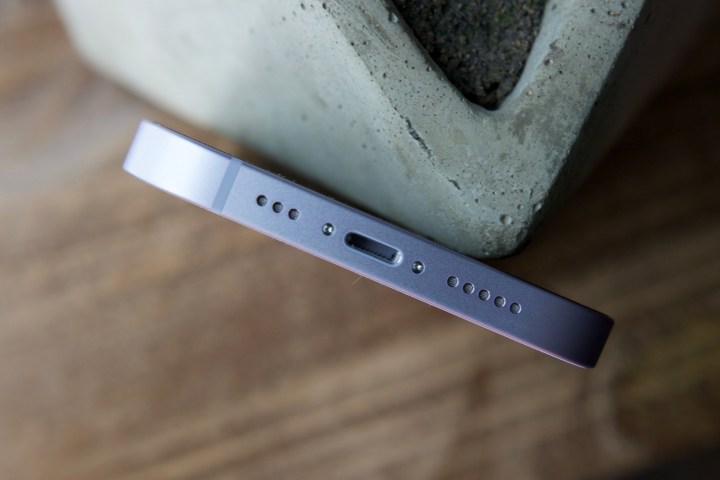
    The bottom of an iPhone 14, showcasing its speaker grille and Lightning port.
    Joe Maring / Digital Trends

    In October, the European Parliament voted to harmonize charging solutions across all devices. This means that laptops, smartphones, tablets, and other gadgets must adopt a standard USB-C plug, and devices capable of 100W power delivery will also need to comply with this standard. The deadline for implementing this change is the end of the year, and Apple is making the transition just in time with only four days to spare.

    “The common charger will finally become a reality in Europe,” noted Parliament rapporteur Alex Agius Saliba. By standardizing charging options, the EU aims to strengthen consumer protections and enhance convenience for users.

  • AirTag 2 Might Get Major Chip Upgrade to Match New iPhones

    AirTag 2 Might Get Major Chip Upgrade to Match New iPhones

    Apple first launched its object tracker, the AirTag, in 2021. Consistent with its usual approach, the company has not announced any plans for an upgrade. However, credible sources indicate that the AirTag 2 has entered the “manufacturing tests” phase, with a particular emphasis on enhancing privacy features.

    Bloomberg’s Mark Gurman has provided insights into the most significant hardware advancement expected for the second-generation AirTag. In his latest PowerOn newsletter, Gurman reveals that the new AirTag will be equipped with a more advanced UWB chip.

    UWB, which stands for Ultra Wideband, is an innovative short-range radio technology that enhances spatial awareness. Within Apple’s ecosystem, this technology allows for Precision Finding, providing accurate distance and directional guidance for locating objects.

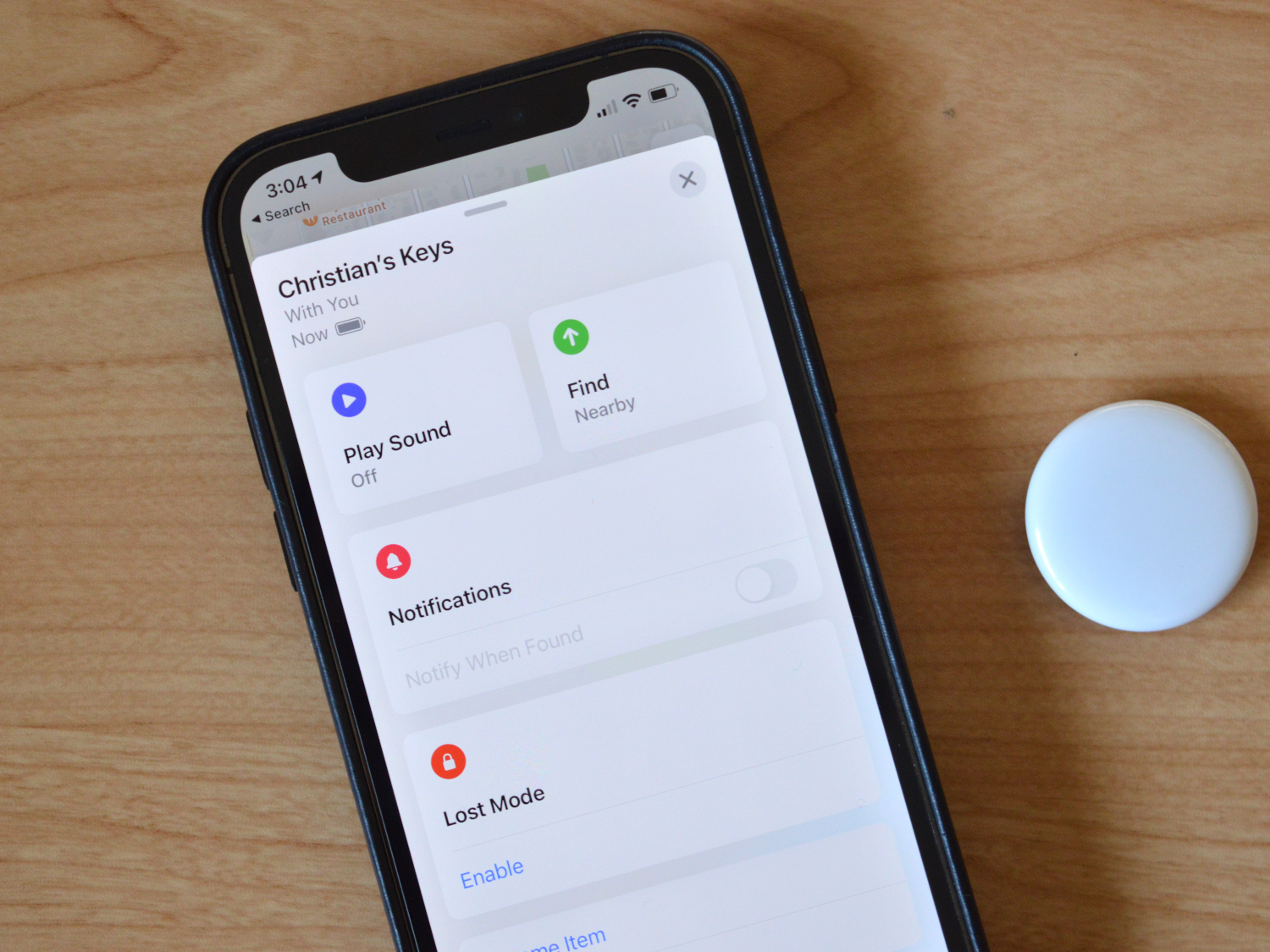
    AirTag next to an iPhone.
    Digital Trends

    The goal of Precision Finding is to provide users with more accurate location and navigation instructions when they’re trying to track down lost devices. Currently, the feature presents visual indicators on the screen, including large directional arrows and distance estimations, along with auditory and haptic feedback.

    What’s the performance expected from the new UWB chip in the AirTag 2? According to Bloomberg, it will be comparable to the one found in the iPhone 15. Notably, Apple integrated its second-generation Ultra Wideband chip in both the iPhone 15 and 16 series.

    The UWB technology currently utilized in today’s AirTag operates effectively within a range of around 10 meters (approximately 30 feet). The upcoming second-generation UWB chip is rumored to extend this range to a remarkable 30 meters.

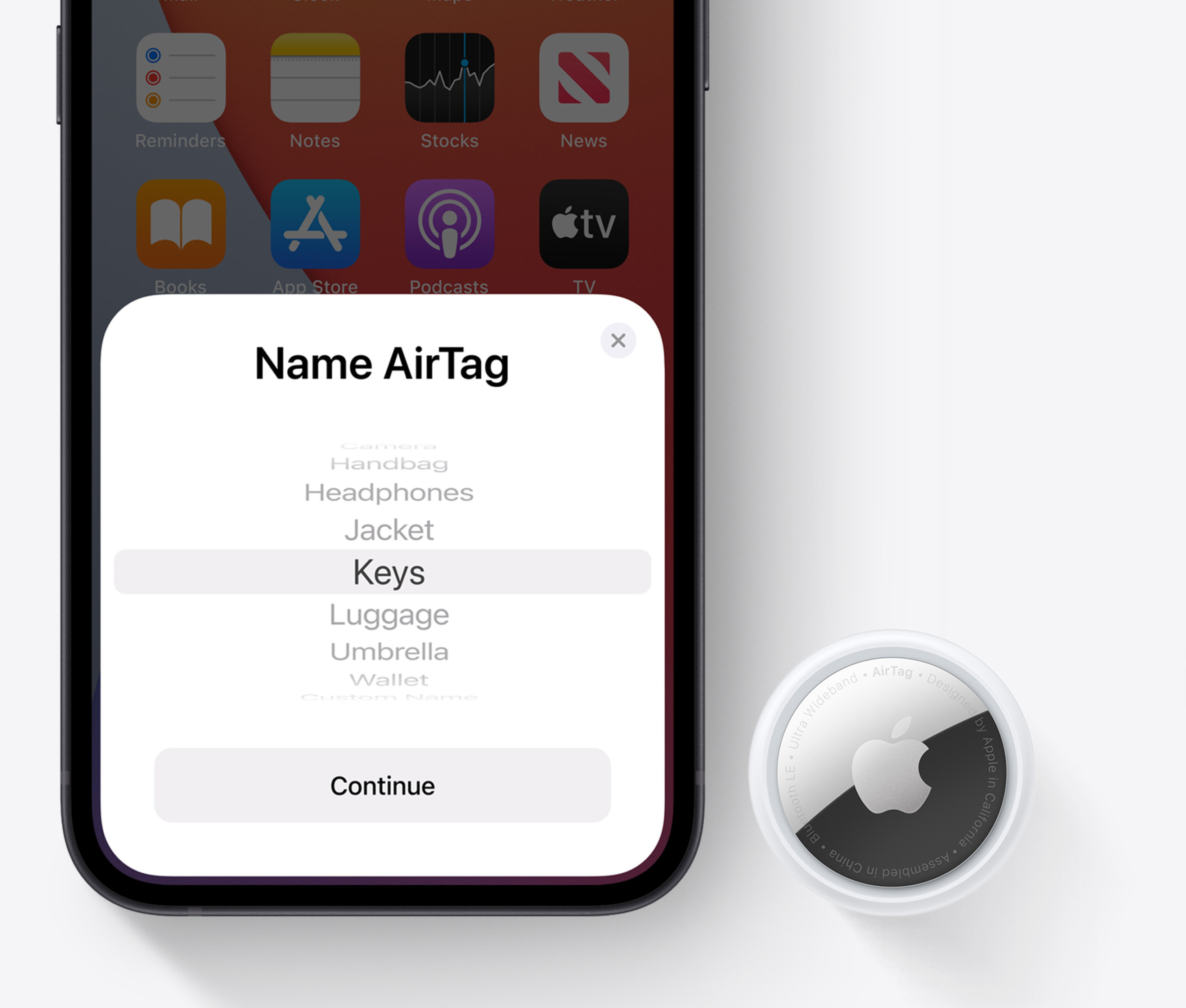
    An AirTag sitting next to an iPhone.
    Apple

    The UWB Precision Finding feature is compatible with the iPhone 11 and all subsequent models. On the iPhone 15 and 16 series, thanks to the second-generation UWB chip, the Precision Finding function also enables users to locate nearby friends via the Find My app.

    In addition to the enhanced UWB chip, Apple is said to have redesigned the internal layout to make it more challenging to tamper with the speaker components. This update is meant to deter nefarious activities like stalking and theft.

    In 2022, “silent AirTags” surfaced on platforms like Etsy and eBay, where the speaker kit was removed. These stealthy object trackers are much more difficult to detect without the beeping sound from the built-in speaker, particularly if the device is well-hidden.

  • Apple To Stop Selling Several iPhones In Europe Here’s Why

    Apple To Stop Selling Several iPhones In Europe Here’s Why

    At the close of this year, the iPhone SE and iPhone 14 series will no longer be offered in Europe. This change stems from a European Union mandate that requires all mobile devices to utilize USB-C for charging, as reported by iGeneration. While newer models in Apple’s range already comply with this standard, both the iPhone SE and the iPhone 14 do not.

    Although the iPhone SE and iPhone 14 series are not the latest models, they have still been available for purchase in Europe. However, as the deadline looms, these devices will be removed from store shelves. Although customers have various alternatives, this decision means the European market will lack an iPhone SE option until the next model arrives in 2025.

    Typically, Apple continues selling the iPhone 14 until the release of the iPhone 17, after which the iPhone 14 would be phased out. As a result of this change, Apple stands to lose nearly a year’s worth of sales on the more affordable iPhone. However, many customers may have already upgraded due to the demands of newer features that require a more advanced processor.

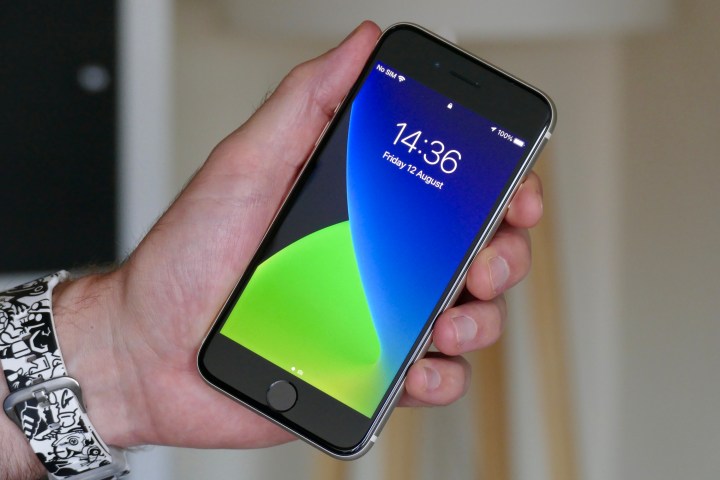
    The Apple iPhone SE (2022) being held in a man's hand.
    Andy Boxall / Digital Trends

    While these models will still be purchasable in other regions until their successors are launched, by the end of next year, the Lightning cable will officially become an obsolete charging method. This transition is advantageous for consumers, simplifying the charging process since all devices can use the same type of cable. Furthermore, the EU aims for all laptops to adopt similar charging cables, a shift that Apple has already initiated ahead of the 2026 deadline.

    Utilizing a universal standard like USB-C enhances user experience and mitigates issues resulting from proprietary charging technologies. USB-C not only offers faster charging speeds than Lightning but also supports data transfer and allows for reversible plug orientation, making it user-friendly.

  • Apple’s Slimmer iPhones Show Promise And Concern

    Apple’s Slimmer iPhones Show Promise And Concern

    Apple is set to introduce its first proprietary cellular modem in its iPhones and iPads beginning next year. This initiative will launch with the refreshed iPhone SE in 2025 and is designed to reduce Apple’s dependency on external suppliers for modem components.

    This transition also allows Apple’s engineers greater flexibility to explore innovative designs. One potential outcome of this shift could be the anticipated iPhone 17 Slim or Air, which is expected to take the place of the existing “Plus” model in the product lineup.

    According to a report from Bloomberg, the integration of Apple’s own modem will enable the creation of a smartphone that is approximately 2 millimeters thinner than the iPhone 16 Pro, while still accommodating essential components like the battery, display, and camera system.

    The report further highlights that the new iPhone 17 Slim model will be among the first devices to utilize Apple’s custom-designed “Sinope” modem. This modem will support 5G connectivity but will not offer the faster mmWave option, and is reported to fall short of Qualcomm’s modem in terms of carrier aggregation capabilities.

    A render of the iPhone Air.
    Alleged render of the iPhone 17 Air. Front Page Tech

    For years, Apple engineers have expressed frustration over the amount of space consumed by Qualcomm’s modems and other interconnected components, prompting the company to consider developing its own solutions.

    This journey started with Apple’s acquisition of Intel’s smartphone modem division, and further sourcing talent directly from Qualcomm. If the Bloomberg report holds true, the new iPhone could achieve a sleek thickness of just 6.25 millimeters.

    In comparison, the slimmest phone Apple has released to date, the iPhone 6, measures 6.9 millimeters. In the Android segment, the Honor Magic V3 foldable smartphone boasts a thickness of merely 4.4 millimeters while opened. Furthermore, a decade ago, the Vivo Air debuted in the U.S. at a slight 5.1 millimeters.

    Advancements in smartphone technology have significantly evolved, leading manufacturers to prioritize larger batteries, enhanced camera modules, and better thermal management over maintaining ultra-slim profiles.

    An iPhone 6S in gold held against a red pipe.
    The iPhone 6 is the slimmest smartphone Apple has made so far. Nadeem Sarwar / Digital Trends

    As Apple re-enters the race for slimmer phones, there are concerns about potential compromises. Will features like MagSafe wireless charging remain? What will happen to heat management systems? Early reports suggest a possible reduction to a single rear camera, highlighting a trade-off that consumers might face.

    Additionally, it’s important to remember the “bendgate” controversy that affected the iPhone 6 series, where reports of bending prompted Apple to showcase the phone undergoing stress tests to reassure customers of its durability. This incident also led to a flurry of jokes and memes online.

    Moreover, thinner smartphones, particularly with sharp edges and flat sides, can be uncomfortable to hold. It remains to be seen what Apple’s marketing approach will be for the slimmer iPhone 17 model, but one can only hope that it remains affordably priced and offers a solid value in terms of hardware.

  • What Is the Downside of Unlocked iPhones?

    Unlocked iPhones are a popular choice for many consumers, providing the flexibility to switch carriers without being tied to a specific service provider. However, while there are distinct advantages to owning an unlocked device, several downsides should be considered.

    Understanding Unlocked iPhones

    An unlocked iPhone is a device that isn’t tied to a specific carrier, allowing users to switch between different networks by simply inserting a compatible SIM card. This flexibility appeals to travelers and those who prefer to avoid the limitations of a carrier contract.

    Benefits of Unlocked iPhones

    Before delving into the downsides, it’s important to recognize some of the key benefits:

    • Carrier Flexibility: Users can choose between multiple carriers and plans.
    • Travel Convenience: Easily switch to local SIM cards while abroad to avoid international roaming charges.
    • No Contract Obligations: Avoid the long-term commitments often associated with carrier contracts.

    Downsides of Unlocked iPhones

    Despite the various benefits, there are several notable downsides to consider when opting for an unlocked iPhone.

    1. Higher Initial Cost

    • Upfront Price: Unlocked devices are typically sold at full retail price, which can be significantly higher than the subsidized price offered through carrier contracts.
    • Budget Constraints: This higher upfront investment may be a barrier for some consumers, particularly those on a tight budget.

    2. Limited Carrier Support

    • Compatibility Issues: Not all unlocked iPhones are compatible with every carrier. Users might face network limitations depending on their chosen provider.
    • Customer Service: Unlocked phones may not receive the same level of customer support from carriers, as they are not technically responsible for the device itself.

    3. Potential for No Warranty or Poor Coverage

    • Warranty Restrictions: Depending on where the phone is purchased, some unlocked iPhones may not come with a warranty. This can lead to additional costs for repairs.
    • Limited Network Features: Users might miss out on carrier-specific features, such as visual voicemail or advanced text messaging services, which may not function properly on an unlocked phone.

    4. Network Frequency Concerns

    • Supported Bands: Unlocked iPhones might not support all frequency bands used by a carrier, which can affect service quality and connectivity.
    • Performance Issues: As a result, users might experience slower data speeds or dropped calls in some areas.

    5. Resale Value Considerations

    • Depreciation: The resale value of unlocked devices can be lower compared to carrier-locked ones, especially if a specific model isn’t in demand.
    • Market Variability: The resale market for unlocked phones can be unpredictable, making it harder to gauge their future value.

    6. Software Differences

    • Bloatware Absence: While some users appreciate the clean interface of an unlocked iPhone, others miss the bundled apps provided by carriers that could prove useful.
    • Update Timeliness: Depending on the carrier, unlocked devices might receive software updates at a different pace compared to their locked counterparts.

    In Summary

    While the freedom and flexibility of an unlocked iPhone can be appealing, potential buyers need to weigh these drawbacks carefully. From higher costs to compatibility issues and potential loss of features, understanding the entire landscape can help consumers make informed decisions about their mobile device choices.

  • What phone company is offering free iphones?

    What phone company is offering free iphones?

    In today’s competitive smartphone market, several companies are looking for ways to attract new customers. One of the most enticing offers currently available involves free iPhones, which has grabbed the attention of many potential buyers. Let’s delve into which phone company is providing these offers and the details surrounding them.

    What Company is Offering Free iPhones?

    Verizon’s Deal for New Customers

    Verizon, one of the largest telecommunications companies in the United States, is known for its extensive coverage and high-quality service. Recently, they have launched a promotion that allows new customers to receive a free iPhone when they sign up for a qualifying plan.

    Key Details of Verizon’s Offer:

    • Eligible Models: Customers can choose from various iPhone models, such as the iPhone 14 and iPhone SE.
    • Plan Requirements: To qualify, customers must select an unlimited plan, which often includes additional perks like Disney+ or Hulu subscriptions.
    • Trade-in Option: In some cases, customers can trade in their old phones to reduce costs further.

    Other Companies Joining the Bandwagon

    AT&T Promotions

    AT&T is another major player that offers deals on new iPhones. While they may not offer outright free options like Verizon, their promotions can significantly offset the cost.

    Highlights of AT&T’s Offer:

    • Up to $800 Off: Customers can get up to $800 off on the iPhone if they trade in an eligible device.
    • Unlimited Plans: Similar to Verizon, customers must shift to an unlimited plan to benefit fully from these offers.
    • Installment Plans: AT&T allows customers to pay for the device in installments, easing the financial burden.

    T-Mobile’s Free iPhone Offer

    T-Mobile is also in the mix, offering exciting promotions tied to both new sign-ups and existing customers looking to upgrade.

    Key Features of T-Mobile’s Offer:

    • Free iPhone with Trade-In: New customers can receive a free iPhone when trading in a qualifying device with an eligible plan.
    • Limited Time Promotion: T-Mobile often runs these promotions for limited periods, so it’s important to check for updates frequently.
    • Family Plans: Discounts on family plans can make the offer even more enticing when multiple lines are involved.

    How to Qualify for These Offers

    Steps to Secure Your Free iPhone

    To take advantage of these promotions, it’s crucial to follow the specific requirements set by each company:

    1. Choose Your Carrier: Decide which company’s offer fits your needs best.
    2. Select an Eligible Plan: Make sure you understand the data plans and their costs.
    3. Check Trade-In Options: Look into your current device and its trade-in eligibility.
    4. Complete the Sign-Up Process: Follow the carrier’s procedure to get your new phone.

    Benefits of Switching Carriers

    Choosing to switch to a new phone company not only offers the chance for a free iPhone, but it also comes with additional advantages:

    • Better Coverage: Verizon, AT&T, and T-Mobile have different strengths in network coverage; finding the right carrier can vastly improve your connectivity.
    • Cost Savings: Promotions can lead to significant savings over time, especially for family plans.
    • Upgrades and New Features: Newer plans might offer features such as faster data speeds and exclusive access to streaming services.

    In a market where every smartphone launch generates excitement, these free iPhone offers from major carriers present a fantastic opportunity for consumers looking to either upgrade or switch networks without breaking the bank. Be sure to stay updated on promotions, as they can change quickly!

  • iOS 18.1 Upgrade Hides Data Extraction From iPhones

    iOS 18.1 Upgrade Hides Data Extraction From iPhones

    The latest major enhancement that arrived with the iOS 18 series on iPhones is Apple Intelligence. Additionally, Apple has seemingly bolstered its security measures to better shield devices that haven’t been unlocked for an extended period from unauthorized access.

    This month, law enforcement officials expressed concerns about iPhones unexpectedly rebooting, as reported by 404Media. A source in Michigan highlighted that these unanticipated reboots complicate the ability to retrieve content from the devices using brute-force unlocking techniques.

    In response to the reported issues, wireless and mobile security researcher Dr.-Ing. Jiska Classen shared insights about a feature in iOS 18.1 known as “inactivity reboot.” This feature activates when there is an attempt to unlock an iPhone after a period of inactivity.

    “While forensic evaluations of mobile devices may be uncommon, stolen phones are a frequent occurrence. This development safeguards user data in both scenarios,” she explained. The entire system functions based on patterns of inactivity, triggering a secure state post-restart.

    Specifically, upon a restart, an iPhone enters a BFU (Before First Unlock) state, remaining there until it is unlocked. This BFU state is a crucial security feature, as it encrypts the data stored on the device, making files accessible only upon successful unlock.

    Cellebrite UFED device.
    A Cellebrite device used for extracting data from smartphones.
    Cellebrite

    When unlocking an iPhone after a restart (or during the BFU phase), a decryption key is generated, allowing access to the files on the device. “Nearly all content on an iPhone is encrypted until the user unlocks it, enabling the phone to function,” notes Cellebrite, a company that provides tools for law enforcement to extract data from mobile devices.

    While the BFU state doesn’t restrict access to all data, it does place significant limitations. “If you seize an iPhone that is already turned on, try to keep it powered on,” Cellebrite suggests to investigators in another blog post.

    With the introduction of the “inactivity reboot” feature, Apple has added a further hurdle for accessing data on devices that have remained locked for a while due to the automatic reboot that places the phone into BFU mode.

    Although the BFU state alone isn’t foolproof, Cellebrite claims that its Premium package—which includes specialized hardware and software—can assist in data extraction from devices in this state.

    However, a research study from the Department of Electrical Engineering at Universitas Indonesia revealed that using the Cellebrite Premium system facilitates the recovery of only about 40% of media from devices in a BFU locked state.

    Apple has yet to offer an official statement regarding the newly implemented “inactivity reboot” feature in iOS 18.1. Nonetheless, the company continues to collaborate with law enforcement when it comes to unlocking iPhones under proper legal procedures.