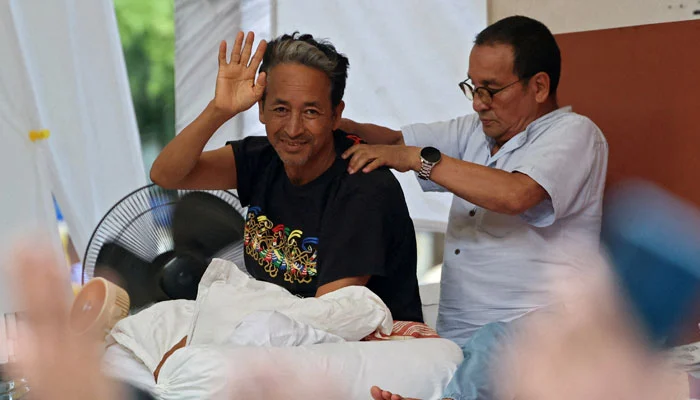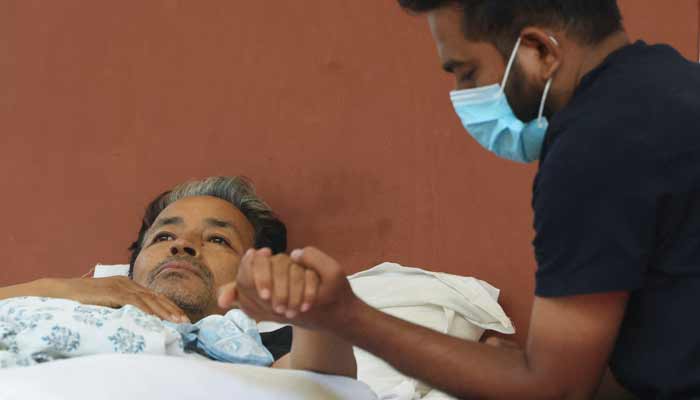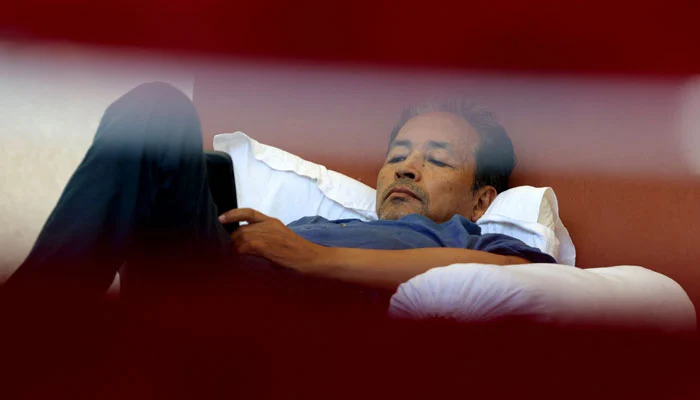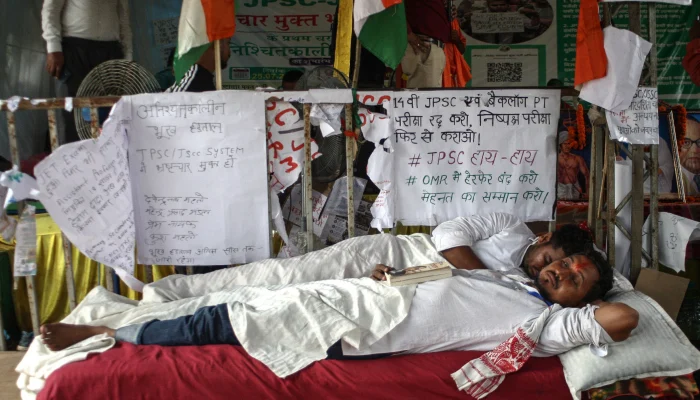
A student leader and five others are on a hunger strike, demanding systemic change. Devendra Nath Mahto, a 33-year-old student leader, is among those fasting for over a week, calling for a complete overhaul of the current system. The Chief Minister of Jharkhand has urged dialogue to address these concerns.
On Monday, Indian students marched toward the state assembly in Jharkhand to escalate protests over alleged irregularities in government recruitment exams, with several participants also on hunger strike. The demonstrations in Ranchi, the capital of the eastern state with a population of over 33 million, began on July 29, just days after a youth-led movement in New Delhi pressured the resignation of the national education minister.
Six protesters, including Mahto, are abstaining from food. Mahto expressed to Indian media, “We want the entire system to change,” emphasizing their demand to end the use of a private company responsible for conducting state civil service exams.
Police fortified the assembly area Monday, standing behind barbed-wire barricades after failed negotiations between protesters and the government. Large crowds of students chanted slogans as they approached the building, calling for the annulment of several exams carried out by a private firm and demanding federal police investigation into their conduct.
To address the unrest, Jharkhand’s Chief Minister Hemant Soren has agreed to some demands, with several officials overseeing the exams stepping down. Soren stated on Sunday, “Every problem can be resolved through dialogue.”
The protests in Delhi, organized by the online Cockroach Janta Party, lasted 36 days and centered on alleged failures in India’s exam system. Their efforts culminated in the resignation of the then-education minister Dharmendra Pradhan, marking a rare political victory and turning examination integrity into a significant political issue.
Similar demands are echoed in Jharkhand, reflecting mounting frustration among Indian youth. Many see government exams as the primary pathway to employment, especially in a country where millions compete for limited public-sector positions.
While the Delhi protests challenged Prime Minister Narendra Modi’s ruling Bharatiya Janata Party, the Jharkhand demonstrations are directed at the state government, which opposes the BJP.