الوسم: History

  • تكاليف كارثية: 9/11 تكبدت خسائر بقيمة 60 مليار دولار

    تاريخ الكوارث الكبرى وتأثيرها على صناعة التأمين

    أسوأ كارثة من صنع الإنسان في التاريخ الحديث

    تُعد أحداث 11 سبتمبر (9/11) أسوأ كارثة من صنع الإنسان في التاريخ الحديث، خاصة عند النظر إليها من منظور صناعة التأمين. ففي عام 2001، نتجت الهجمات الإرهابية على مركز التجارة العالمي عن أضرار تأمينية بلغت أكثر من 32 مليار دولار في ذلك الحين، مع تحديث القيمة لتصل إلى أكثر من 60 مليار دولار اليوم.

    تشكل هذه الكوارث جزءًا من أخطر الأحداث التي تم توثيقها، حيث يأتي في المرتبة الثالثة من حيث الخسائر المؤمن عليها مقارنة بالكوارث الطبيعية، بعد التعديل وفقًا للتضخم، مما يعكس حجم المأساة الكبرى التي أسفرت عن مقتل حوالي 3000 شخص وتغيير شكل مدينة نيويورك لسنوات عديدة.

    الكوارث الطبيعية وتكاليفها التأمينية الكبرى

    العواصف والأعاصير وتدميرها المالي

    تسيطر الأعاصير على قائمة الكوارث الطبيعية التي تتسبب في أكبر الخسائر التأمينية، خاصة تلك التي تضرب الولايات المتحدة. يُعتبر إعصار كاترينا عام 2005 الأكثر تكلفة، حيث تكبدت شركات التأمين خسائر تزيد عن 60 مليار دولار في ذلك العام، وتقدر القيمة بعد التضخم بأكثر من 111 مليار دولار.

    الزلازل والأمواج التسونامية وتأثيرها المدمر

    رغم ندرتها، فإن الزلازل يمكن أن تكون مدمرة بشكل كبير، كما ظهر في زلزال وتسونامي اليابان عام 2011، والذي ظهر ضمن أعلى عشر كوارث من حيث الكلفة التأمينية. وتظهر أيضًا في هذه القائمة زلزال Sichuan عام 2008 في الصين، الذي بلغت تكاليفه الإجمالية أكثر من 85 مليار دولار، مع أن التأمين تغطى فقط حوالي 300 مليون دولار من هذه الخسائر.

    تصاعد تأثير الكوارث الناجمة عن التغيرات المناخية

    الحدود الفاصلة بين الكوارث الطبيعية والمصطنعة

    على الرغم من التمييز التقليدي بين الكوارث الطبيعية والكوارث الناجمة عن تدخّل الإنسان، فإن الخط الفاصل بينهما أصبح غير واضح بشكل متزايد. فالتغيرات المناخية التي يسببها البشر تظهر في زيادة وتيرة الأحداث الجوية المتطرفة، الأمر الذي يضاعف من حجم الأضرار والخسائر التأمينية.

    العواصف والحرائق الكبرى وعلاقتها بالتغير المناخي

    في السنوات الخمس الماضية، كانت هناك عواصف إعصارية وحرائق مدمرة ضمن قائمة أعلى الكوارث من حيث التكلفة لشركات التأمين. على سبيل المثال، هجمات الأعاصير وحرائق الغابات الكبرى تؤكد على العلاقة بين الاحتباس الحراري وزيادة وتيرة الأحداث الكارثية. ويمكن أن يكون للحرائق، التي غالبًا ما ترتبط بإهمال بشري أو حتى توقيت متعمد (مثل حالات الحرق العمد)، تأثير كبير على الخسائر المالية، كما يُبدي حريق لوس أنجلوس فالي عام 2025، الذي لا تزال أسبابه محل نقاش وتحقيقات.

  • Palestinians oppose Israeli efforts to seize West Bank heritage sites

    Palestinians oppose Israeli efforts to seize West Bank heritage sites

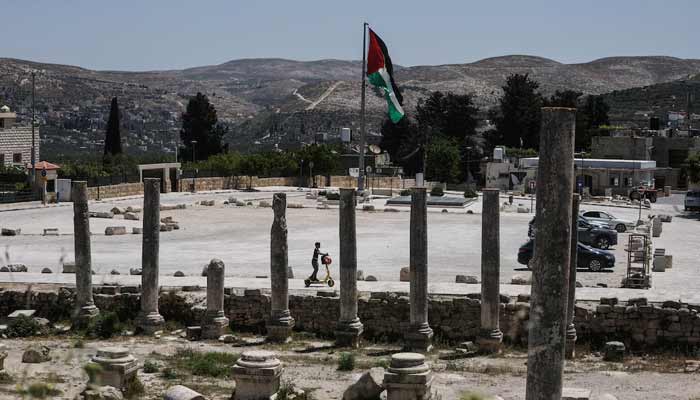
    A Palestinian boy rides a scooter among archaeological ruins in the ancient village of Sebastia, near Nablus in the Israeli-occupied West Bank, June 4, 2026.— Reuters/File

    An Israeli proposal to extend civil control over historical sites in the West Bank has faced opposition from Palestinians and human rights organizations within Israel. Critics argue the legislation resembles a move to annex occupied territory and could facilitate further Jewish settlements.

    The “Heritage Authority in Judea and Samaria” bill was approved in one of three votes by Israel’s parliament in May. It remains uncertain whether the final vote will occur before lawmakers disband ahead of an anticipated election on October 27.

    The bill aims to transfer management of sites from the Roman, Byzantine, and Crusader periods under Israeli Ministry of Heritage authority, permitting expropriation and purchase of land across the West Bank—which Israel refers to by its Hebrew biblical name. This shift would effectively diminish oversight of certain ancient locations previously managed by the Palestinian Authority, which has limited self-governance under the 1990s Oslo Accords in parts of the West Bank, territory Israel has occupied since 1967.

    Hani Al-Hayek, the Palestinian Authority’s tourism minister, stated, “Controlling these antiquities is intended to increase dominance and expand settlements deep into Palestinian territory.” Israel states that the bill is designed to safeguard historical sites.

    Village near the historic site of Sebastia faces potential land seizure

    Peace Now, an organization monitoring Israeli settlements, called the bill a “completely annexationist move” that would result in widespread confiscation of Palestinian land. While using archaeology as a means to justify settlement expansion isn’t new, Peace Now emphasized that the current measures by the Israeli government are unprecedented in scope.

    A case in point is the Palestinian village of Sebastia in the northern West Bank, where residents—many with roots tracing back centuries—depend heavily on tourism linked to a nearby archaeological site. Archaeologists identify this site as containing relics from the 9th-century BC Israelite kingdom, along with remnants from Roman, Byzantine, Crusader, and Ottoman eras. It is currently under consideration for UNESCO World Heritage status.

    In late 2025, Israel announced plans to seize approximately 1,800 dunams (about 445 acres) at Sebastia, citing development projects. Village officials report that this action would impact around 5,000 olive trees cultivated in the area.

    Sebastia’s Deputy Mayor, Nizar Kayed, commented, “They are claiming areas with water sources, roads, and historical sites, leaving us without vital resources. This is part of their settlement expansion effort.” Since late 2023, local tourism has declined, partly due to regional conflicts, affecting businesses like Nahed Sakha’s restaurant, which sits on land slated for confiscation.

    “The Israeli plan appears aimed at disconnecting the archaeological site from the local community,” Sakha added.

    Israel points to historical and biblical connections to justify its actions

    Israeli parliament member Zvi Sukkot, a proponent of the bill, asserts that expanding Israeli control over these sites is meant to protect relics dating back to biblical times. “This doesn’t alter the legal status of Judea and Samaria,” he told Reuters.

    He added, “Many are uncomfortable with our effort to demonstrate the ties between the people of Israel and this land. All the biblical stories and our history originate in Judea and Samaria.” Sukkot belongs to the religious Zionist party that supports settlements and opposes the creation of a Palestinian state, favoring annexation instead.

    International bodies and most nations regard Israel’s settlements as illegal under international law, particularly citing the Fourth Geneva Convention, which prohibits relocating civilians into occupied territories. Israel disputes this, asserting that the West Bank is disputed land inherited from biblical and historical claims and citing security concerns.

    The new bill has also alarmed some Israeli legal officials and scientists. The Israel Academy of Sciences and Humanities issued an open letter to Netanyahu and Sukkot, urging its withdrawal. They warned that the legislation could harm Israel’s international reputation in archaeology and other scientific fields.

  • Pakistan brokers historic deal: US, Iran agree to peace and Hormuz reopening

    Pakistan brokers historic deal: US, Iran agree to peace and Hormuz reopening

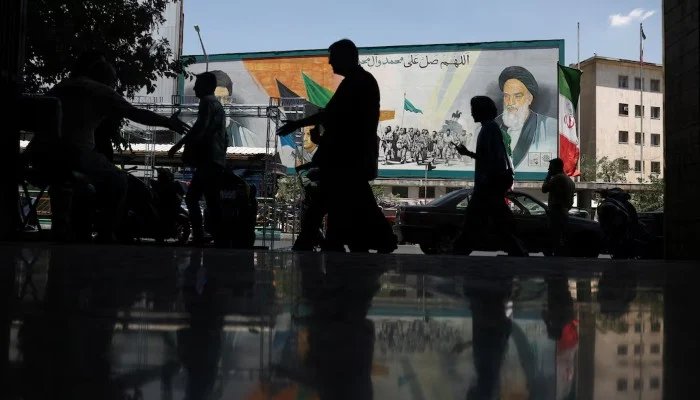
    People walk past a mural featuring the late Islamic Revolution leader, Ayatollah Ruhollah Khomeini, and Iran’s former Supreme Leader, Ayatollah Ali Khamenei, on a street in Tehran, Iran, June 14, 2026.

    – Trump claims the agreement includes reopening the Strait of Hormuz.
    – A Memorandum of Understanding (MOU) is announced despite an Israeli attack in Lebanon.
    – Iran’s nuclear program will be addressed in subsequent negotiations.

    The U.S. and Iranian officials announced they’ve reached a preliminary deal to end hostilities and reopen the Strait of Hormuz. This agreement caused oil prices to drop but leaves Iran’s nuclear future to be determined in later talks. While still a framework, it represents the most significant step toward resolving a conflict that has resulted in thousands of deaths and disrupted energy markets since the U.S. and Israel launched strikes against Iran in February.

    Pakistan’s Prime Minister Shehbaz Sharif, acting as a mediator, confirmed early Monday that a deal had been finalized. He posted on social media that both sides agreed to immediately and permanently cease military operations across all regions, including Lebanon. The official signing is scheduled for June 19 in Switzerland. He also thanked Qatar, Saudi Arabia, and Turkey for their roles in mediating the agreement, describing their leadership as visionary and appreciative of their substantial contributions.

    With the agreement in place, mediators are set to facilitate a series of meetings this week, including preliminary discussions to lay the groundwork for technical talks and the official signing.

    US President Donald Trump shared on Truth Social around 5:30 p.m. Washington time on Sunday that “The Deal with the Islamic Republic of Iran is now complete.” The formal signing of the memorandum is scheduled for Friday in Switzerland. The details of the deal remain unclear, but Sharif indicated it calls for an immediate and permanent end to military actions everywhere, including Lebanon.

    Lebanon’s negotiations have been complicated by ongoing conflicts between Israel and Hezbollah, despite calls for a ceasefire from Trump and others. Iran’s Security Council said that hostilities on all fronts, including Lebanon, would end permanently starting Monday night. Deputy Foreign Minister Kazem Gharibabadi added that a more comprehensive agreement, including sanctions relief for Iran, would be negotiated during a 60-day ceasefire period, which will also address Iran’s nuclear ambitions—another contentious issue. Previous reports indicated that these later negotiations will focus on Iran’s nuclear program.

    There has been no immediate response from Israel, which has stated it was not part of the U.S.-Iran talks.

    Trump also announced that the Strait of Hormuz, a critical shipping route for global oil supplies that Iran has largely shut down, would reopen on Friday, and that he had ordered the lifting of the U.S. blockade of Iranian ports. He urged maritime traffic to resume with “start your engines. Let the oil flow!” Oil prices responded positively, with Brent crude futures dropping 4% early Monday and Asian stock markets gaining.

    Analysts expressed cautious optimism. Sean Callow of ITC Markets noted that the lack of specific details regarding shipping freedoms was a concern but believed it wouldn’t hinder markets today as risk appetite rises. Former State Department spokesperson Matthew Miller observed that Trump made significant concessions to Iran to restore the pre-war status quo, emphasizing that there are no guarantees Iran’s nuclear plans will ever be fully addressed, but that Iran has demonstrated its ability to leverage economic pressure.

    The conflict that began in February, with U.S. and Israeli strikes, has resulted in significant casualties, mostly in Iran and Lebanon. Iran’s retaliations included attacks on Israel and Gulf states hosting U.S. bases, and Iran has also blockaded the Strait of Hormuz, causing a spike in global energy prices. In turn, the U.S. has responded with measures blocking Iranian ports. The war has become a political challenge domestically in the U.S., especially during an election year, with debates over how to handle Iran’s nuclear program.

    Senator Lindsey Graham, a prominent Iran hawk, praised the deal but emphasized that Congress will review and vote on any nuclear agreement. Trump previously withdrew the U.S. from the 2015 Iran Deal negotiated under President Obama, which lifted sanctions in exchange for limits on Iran’s nuclear capabilities, including inspections. Since then, Iran has increased uranium enrichment, producing over 400 kg close to weapons-grade purity, making future negotiations crucial.

    Despite the deal’s sealing amidst Israeli military actions in Lebanon, leaders outside the Middle East welcomed the development. Britain, Germany, France, and Italy expressed readiness to lift sanctions in response to verifiable steps Iran takes toward curbing its nuclear program, emphasizing the importance of restoring free navigation through the Strait of Hormuz.

    Prior to the announcement, Iranian officials indicated that the U.S. would agree to release approximately $25 billion in frozen Iranian assets—a move contingent on Iran fulfilling certain conditions. U.S. sources suggested the agreement aims to dismantle Iran’s nuclear infrastructure, including destroying its highly enriched uranium, while Iran would be allowed to dilute its enriched uranium within its borders.
  • Iranian Leaders Killed in US-Israel Conflict

    Iranian Leaders Killed in US-Israel Conflict

    During the US-Israeli conflict with Iran, a series of airstrikes resulted in the deaths of several high-ranking officials from the Islamic Republic, starting with Supreme Leader Ali Khamenei. In March, President Donald Trump announced that the campaign had succeeded in forcing a regime change; however, Iran quickly adapted by replacing its slain leaders and continuing its resistance against the US and Israel.

    With an agreement announced Monday to cease hostilities between Washington and Tehran, here is a summary of the key figures who were martyred during the conflict:

    Supreme Leader Ayatollah Ali Khamenei
    Iran’s top leader since 1989 was killed within the first hour of the conflict on February 28 in a strike targeting a meeting of senior officials in Tehran, which also claimed the lives of his daughter-in-law, daughter, and at least one grandchild. His son Mojtaba, who is reportedly injured, survived and has assumed the role of Supreme Leader, but has yet to make a public appearance. Khamenei’s funeral is scheduled for July 9 in Mashhad, his hometown, after three days of ceremonies in Tehran and Qom.

    Security Chief Ali Larijani
    Larijani, a crucial figure for decades despite not being a cleric, was martyred in an Israeli strike on March 17, likely in the Tehran area, which also killed members of his family. The previous week, he publicly demonstrated defiance by attending a pro-government rally in Tehran.

    Revolutionary Guards Commander Mohammad Pakpour
    Pakpour, who had previously commanded the Guards’ ground forces, took on the role of chief commander in June 2025 after Hossein Salami was martyred in Israel’s 12-day war against Iran. He was killed on the war’s first day and has been succeeded by former interior and defense minister Ahmad Vahidi.

    Navy Commander Alireza Tangsiri
    A veteran of the Iran-Iraq war, Tangsiri had led the Guards’ navy since 2018 and was among the highest-profile officials within the Islamic republic. Israel’s defense minister characterized him as the individual responsible for operations like mining and blockading the Strait of Hormuz.

    Advisor Ali Shamkhani
    A longstanding member of Iran’s armed forces since the 1980s, Shamkhani was killed in an airstrike on the first day of the war. His funeral was held publicly in Tehran’s Tajrish Square.

    Intelligence Minister Esmail Khatib
    Khatib, a cleric, was targeted and killed by an Israeli strike early on March 18 in Tehran. Since taking the role in 2021, rights groups have accused him of playing a key part in suppressing protests.

    Defense Minister Aziz Nasirzadeh
    With a service history dating back to the Iran-Iraq war, Nasirzadeh was martyred during the first day of the conflict after serving as defense minister since 2024.

    Basij Commander Gholamreza Soleimani
    Leading the Basij—a volunteer paramilitary group associated with the Revolutionary Guards notorious for protest suppression—Soleimani was killed in an airstrike on March 17.

    Spokesman Ali Mohammad Naini
    Naini was martyred in March during what the Guards described as a “cowardly” attack by the US and Israel. Before his death, he had publicly praised Iran’s missile program, claiming it continued robustly despite the war.

    Head of Military Office Mohammad Shirazi
    Killed on the conflict’s first day, Shirazi was responsible for coordinating between different branches of Iran’s security forces under the Supreme Leader.

    Armed Forces Chief Abdolrahim Mousavi
    Mousavi, also killed on the war’s first day, took office in June 2025 after his predecessor Mohammad Bagheri died during the 12-day conflict. He oversaw coordination between the Guard units and the regular army.

  • Tolga Sarıtaş Sets Teşkilat Record with Season 7 Contract Renewal

    Tolga Sarıtaş Sets Teşkilat Record with Season 7 Contract Renewal

    Digital Phablet – Tolga Sarıtaş continues to lead Teşkilat, becoming the first actor to appear in a third season. fans of the popular Turkish series have received exciting news ahead of the upcoming season.

    According to media outlets in Turkey, Tolga Sarıtaş has renewed his contract with the longstanding TRT 1 drama and will remain one of the main stars in Season 7. This announcement comes as the series prepares to air its 184th episode, which will serve as the season finale before the show takes its annual hiatus.

    Recently, rumors circulated about the future of several cast members, especially Tolga Sarıtaş, whose contract is said to be expiring at the end of this season. Fans closely watched to see if he would stay or move on to new projects. However, recent behind-the-scenes reports have put those rumors to rest.

    According to reports, Sarıtaş has secured his spot in the cast for the next season, marking a significant milestone in the show’s history. This renewal makes him the first leading actor in Teşkilat to appear in three consecutive seasons. Previously, lead stars such as Çağlar Ertuğrul and Murat Yıldırım each completed two seasons before leaving the series.

    Joining the cast later, Sarıtaş quickly became one of the series’ most beloved characters. His role as Altay garnered widespread praise from viewers and played a key role in maintaining the show’s high ratings. By continuing into Season 7, he is set to accomplish a milestone unmatched by his predecessors.

    The series has generated buzz about possible casting changes for the upcoming season. Reports indicate that producers are looking for a new female lead to join Sarıtaş on-screen for Season 7. Discussions are ongoing, but no official announcements have been made yet. Fans are already speculating who might be cast to fill this new role in the action-packed and emotionally driven drama.

    Since its debut, Teşkilat has stood out as one of TRT 1’s most successful productions. Its blend of action, espionage, and emotional storylines has cultivated a dedicated following. With Sarıtaş confirmed to return, anticipation for Season 7 has surged. Viewers will bid farewell to Season 6 when Episode 184 airs, after which the show will return with fresh stories, new characters, and Tolga Sarıtaş once again leading the narrative.

  • NY Mayor Mamdani Urges King Charles to Return Koh-e-Noor Diamond

    During a visit to the 9/11 Memorial in New York City on April 29, 2026, Britain’s King Charles, standing alongside Queen Camilla, engaged with New York City Mayor Zohran Mamdani. Mamdani, who is of Indian American descent, expressed a wish for the King to return the Koh-i-Noor Diamond during a press conference held hours before a ceremony honoring the victims of the September 11 attacks. When asked about the diamond, Mamdani remarked, “If I had a chance to speak with the king privately, I would likely encourage him to return the Koh-i-Noor.” Later that day, the King and Mamdani exchanged words at the memorial ceremony. Buckingham Palace chose not to comment, and Mamdani’s office did not respond to inquiries about discussing the matter with the monarch.

    The Queen Mother’s crown, which prominently features the 105-carat Koh-i-Noor diamond in the central cross, has been a focal point in debates. India has repeatedly called for Britain to repatriate the diamond, which was presented to Queen Victoria in 1850 by Britain’s colonial governor-general after the annexation of Punjab in 1849 and the seizure of the gem from a deposed Indian leader. Historically, the Koh-i-Noor has belonged to Mughal emperors, Persian shahs, Afghan emirs, and Sikh maharajas, according to the Historic Royal Palaces charity.

    Charles paid tribute to those lost in the September 11, 2001, terrorist attacks by placing a floral bouquet at the memorial where the twin towers once stood. India gained independence from Britain in 1947, but the legacy of colonization and the atrocities committed during that era remain sensitive topics. India regards the diamond as a cherished artifact with deep roots in its national history, while many in the country see Britain’s ownership as a symbol of colonial oppression.

  • Trump plans to include his image in US passports

    A photo of Donald Trump will soon be featured in certain U.S. passports, government officials announced Tuesday, marking a break from normal protocol as the president seeks to imprint his personal influence on national institutions.

    Few democracies worldwide—or elsewhere—have included images of sitting leaders in passports, and Trump would be the first sitting U.S. president to appear on American travel documents.

    The State Department stated it plans to issue this special edition passport to commemorate this year’s 250th anniversary of the Declaration of Independence.

    Historically, the department—which has maintained a stance of neutrality in U.S. politics—shared a preview on social media of the passport. The image shows a stern-faced Trump overlaid on the July 4, 1776, Declaration of Independence, with his gold signature beneath.

    A second limited edition features a historic painting of the U.S. Founding Fathers.

    “As the U.S. celebrates its 250th anniversary in July, the State Department is preparing to release a limited batch of specially designed passports to honor this historic milestone,” said spokesperson Tommy Pigott.

    An unnamed official said these Trump-themed passports will only be available during in-person visits in Washington and only as long as supplies last. The official also added there will be no extra charge.

    It remains unclear if applicants can opt-out of having their passport display Trump’s image. Since most Americans apply for passports via local post offices—these offices might not supply the special edition.

    Critics from the Democratic Party have voiced strong disapproval of the initiative. For instance, House Foreign Affairs Democrats criticized Secretary of State Marco Rubio, urging him to focus on diplomatic issues like ending conflicts rather than “wasting tax dollars on boosting Trump’s vanity.”

    Worldwide, passports with artwork usually showcase historical scenes or natural landscapes. Even North Korea, which prominently displays images of leader Kim Jong Un and demands loyalty, does not feature him in their passport; instead, they show Mount Paektu, a sacred mountain.

    Currently, U.S. passports highlight historic moments and iconic sites such as the Moon landing and the Statue of Liberty. Since his return last year, Trump has prominently styled government buildings and institutions with his name and images—banners in the capital, and his name added to venues like the Kennedy Center and the former U.S. Institute of Peace.

    Recently, the Treasury Department announced Trump’s signature will soon begin appearing on dollar bills, another unprecedented move.

    In contrast, countries like Britain and other members of the Commonwealth feature their monarch, King Charles III, on currency. King Charles, as a constitutional monarch, does not directly engage in politics. He met with Trump during his official visit to Washington on Tuesday.

    Currently, only about half the U.S. population holds valid passports—a lower ratio than many Western nations. Surveys suggest residents of states that leaned toward Trump are less inclined to travel internationally.

  • Gaza War Amputees Struggle for Prostheses Due to Israeli Limits

    Gaza War Amputees Struggle for Prostheses Due to Israeli Limits

    Fourteen-year-old Fadel Al-Naji, once an avid soccer player, now mostly stays at home in Gaza City after both his legs were amputated in an Israeli drone strike last September. He sits quietly on a sofa, one empty pant leg hanging loose, the other tucked into his waist, next to his 11-year-old brother Amir, who lost an eye in the same attack.

    His mother, Najwa Al-Naji, shares old videos on her phone of Fadel juggling a ball, describing him as increasingly withdrawn and isolated. She hopes prosthetic limbs can be fitted for him, but supplies are scarce in Gaza, where nearly 5,000 amputees, including many children like Fadel, struggle due to Israeli restrictions on essential materials like plaster of Paris.

    Israeli rules, citing security reasons, limit imports of many construction and medical items, affecting access to prosthetic components. Although plaster of Paris isn’t explicitly listed as a dual-use item, other plastic parts needed for prosthetics are restricted, leaving aid organizations and medical centers with limited supplies and outdated equipment.

    Gaza’s amputee population, already substantial before the conflict, now has a higher per capita rate than Cambodia—long notorious for landmine-related amputations—according to aid group Humanity & Inclusion. In response, medical centers have resorted to reusing old prosthetics from war casualties or crafting makeshift limbs from plastic piping and wood, which carry risks of infection or further injury.

    The promised aid under the October ceasefire and the U.S. Trump administration’s plan to provide full assistance with minimal interference remain unfulfilled. The reopening of the Rafah border crossing to Egypt, crucial for evacuations and supplies, has been inconsistent. Israel continues to restrict items it deems dual-use, including construction materials, while claiming to allow medical supplies to enter Gaza.

    The Israeli military agency COGAT states it facilitates medical equipment imports but blocks materials that could aid Hamas’s military build-up. Meanwhile, organizations like the International Red Cross report that plaster supplies are nearly exhausted, with only minimal stock left for the coming months, leaving prosthetic manufacturing severely limited. Local hospitals have run out of supplies altogether, capable only of maintaining existing prosthetics.

    Since early 2025, Humanity & Inclusion has managed to fit just 118 temporary prostheses in Gaza, with dwindling supplies from their last shipment in December 2024. The lack of proper limbs hampers recovery, prolongs trauma, and increases the risk of additional injuries from ongoing Israeli strikes, which have resulted in over 750 Palestinian deaths since the ceasefire.

    Some amputees are on waiting lists, awaiting surgeries like stump revisions or the fitting of prosthetic limbs. Hazem Foura, a 40-year-old ex-office worker, lost his left leg above the knee in a December 2024 bombing that he says was an Israeli attack on his home. Now unable to work, he pleads, “I’m not asking for luxury items—just a limb so I can regain my humanity.”

    Without access to proper prostheses, amputees face not only physical and emotional setbacks but also heightened vulnerability amidst continuing hostilities. Only a handful of prosthetists remain in Gaza, and for children who need frequent adjustments as they grow, the lack of specialized care compounds their suffering.

    Heba Bashir, a technician with Humanity & Inclusion, explains, “Losing a limb isn’t just about the physical loss; it’s about losing hope and independence. For children, it means losing the future they deserve.”

  • France to Recall US Ambassador Over Comments on Far-Right Activist

    France to Recall US Ambassador Over Comments on Far-Right Activist

    The French foreign ministry plans to summon the U.S. ambassador to Paris following remarks made by the Trump administration regarding the recent death of a French far-right activist, which they attribute to the far-left. France’s leading diplomat announced this action on Sunday.

    The death of Quentin Deranque has heightened tensions within France, stirring discord between the political left and right ahead of the 2027 presidential election. It has also drawn international attention, with the Trump-era U.S. administration condemning what it labeled as “terrorism” in France on Friday.

    Foreign Minister Jean-Noel Barrot told French media outlets—Le Monde, France Inter, and France Info—that they will call in the U.S. ambassador, as the U.S. embassy’s comments on the incident concern the entire nation. He emphasized, “We reject any attempt to exploit this tragedy for political gain.”

    The timing of the ambassador Charles Kushner’s summon has not been disclosed. Kushner is the father-in-law of former President Trump.

    Deranque, aged 23, died from head injuries sustained during clashes between radical-left and far-right supporters during a demonstration in Lyon on February 12, opposing a politician from the left-wing France Unbowed (LFI) party.

    On Saturday, over 3,000 gathered in Lyon to honor Deranque, with authorities increasing security due to fears of further violence.

    On Friday, Sarah Rogers, the State Department’s under secretary for public diplomacy, stated that Deranque’s death exemplifies “why we treat political violence—terrorism—so seriously.” She wrote on X (formerly Twitter), “When people choose to kill others for their opinions instead of persuading them, civilization suffers.”

    The Bureau of Counter-Terrorism also issued a statement highlighting the rise of violent radical leftism, asserting that its role in Deranque’s death underscores the threat it represents to public safety. The U.S. embassy in France shared this message.

    This incident has also sparked a diplomatic dispute between France and Italy, whose right-wing Prime Minister Giorgia Meloni has close ties with Trump. Meloni described Deranque’s death as “a wound for all of Europe,” prompting French President Emmanuel Macron to criticize her for intervening in French internal matters.

    Six individuals suspected of involvement in Deranque’s death have been charged, including a parliamentary assistant linked to a radical left-wing Member of Parliament, who faces charges of complicity.

  • Thailand Enforces Coastal Curfew Amid Border Clashes with Cambodia

    Thailand Enforces Coastal Curfew Amid Border Clashes with Cambodia

    Thailand has imposed a curfew in five districts of Trat province as hostilities with Cambodia extend to coastal regions of a contested border zone, just two days after U.S. President Donald Trump announced that both nations had agreed to cease fighting. The ongoing conflicts between these Southeast Asian neighbors have flared several times this year, notably after a Cambodian soldier was killed during an May skirmish, reigniting tensions that have caused the displacement of hundreds of thousands on both sides of the border.

    “Clashes have been continuous overall,” stated Rear Admiral Surasant Kongsiri, spokesperson for Thailand’s Defense Ministry, during a press briefing in Bangkok after the curfew was announced. He emphasized that Thailand is receptive to diplomatic negotiations but insisted Cambodia must first cease hostilities before discussions can proceed.

    On Saturday, Thai forces reported destroying a bridge used by Cambodia to transport heavy weapons and equipment to the region, while also launching an operation targeting artillery pre-positioned in Cambodia’s Koh Kong province. Cambodia responded by accusing Thailand of striking civilian infrastructure.

    The curfew in Thailand is limited to five districts neighboring Koh Kong, excluding the tourist islands of Koh Chang and Koh Kood. The eastern Sakeo province remains under an earlier imposed curfew. Since Monday, both nations have exchanged heavy artillery fire along their 817-kilometer (508-mile) border, in some of the most intense fighting since a five-day clash in July that was mediated by Trump and Malaysian officials.

    Trump claimed to have spoken with Thai Prime Minister Anutin Charnvirakul and Cambodian Prime Minister Hun Manet on Friday, stating that they had agreed to “cease all shooting.” However, on Saturday, Anutin expressed a commitment to continue fighting until the perceived threats and harms to land and citizens are eliminated. A White House spokesperson later indicated that Trump expects all parties to honor their commitments and added that he will hold anyone accountable as necessary to end the violence and establish lasting peace.

  • Aras Bulut İynemli Wins International Emmy, Making Turkish TV History

    Aras Bulut İynemli Wins International Emmy, Making Turkish TV History

    ![Image showing media and awards coverage]

    Digital Phablet – Aras Bulut İynemli Wins Emmy as Deha Achieves Global Historic Milestone

    Additionally Read:

    Aras Bulut İynemli Purchases 15 Million Lira Yacht Following Deha’s Emmy Nomination

    The Turkish series Deha created history by securing the Best Telenovela award at the 53rd International Emmy Awards in New York. This victory not only marks a significant achievement for the series itself but also shines a spotlight on its leading actor, Aras Bulut İynemli, whose compelling performance has garnered international acclaim.

    Born in Istanbul in 1990, Aras Bulut İynemli has long been regarded as one of Turkey’s most talented and adaptable actors. His extensive work on acclaimed projects like İçerde, Çukur, and Muhteşem Yüzyıl helped propel his career forward. However, Deha represented a new chapter, showcasing his range as he portrays Devran Karan—a gifted but troubled mathematician confronting personal trauma, family difficulties, and the manipulative ambitions of others seeking to exploit his talents.

    See the post on Instagram:
    Link to Instagram Post
    (Note: Image and commentary from the official account of the International Emmy Awards)

    Accompanying Aras Bulut İynemli to the Emmys were director Umut Aral, producer Kerem Çatay, and screenwriter Damla Serim. They all celebrated the award together, emphasizing the collective effort behind their triumph.

    İynemli expressed gratitude on stage, calling the victory “a win for everyone who dedicated countless days and nights to this series.” Director Umut Aral described the honor as “a dream fulfilled,” highlighting the significance of international recognition for Turkish productions. Screenwriter Damla Serim shared her heartfelt sentiment, stating, “It was a profound honor to bring this story to life, and receiving this award makes it all the more meaningful.”

    View the post on Instagram:
    Link to Instagram Post

    The success of Deha underscores the rising global popularity of Turkish dramas and signifies a defining moment in Aras Bulut İynemli’s career, cementing his status as one of Turkey’s most internationally recognized stars. This award not only elevates the series and its cast but also secures its spot in the history of Turkish television.

    Additional Instagram coverage:
    Post by Ay Yapım

    Aras Bulut İynemli attended the Emmys alongside director Umut Aral, producer Kerem Çatay, and screenwriter Damla Serim. They accepted the accolade collectively, making it a moment for shared celebration.

    During the event, İynemli acknowledged the efforts of everyone involved, stating that the award was “a victory for all who worked tirelessly on this series.” Aral called it “a dream come true” and expressed pride in how Turkish productions are gaining recognition worldwide. Serim reflected on the heartfelt experience, sharing, “It was an honor to craft this story, and this award makes it even more special.”

    Emmy Award Celebration

    The widespread success of Deha highlights the increasing international appeal of Turkish dramas. It marks a pivotal moment in Aras Bulut İynemli’s career, elevating him to one of Turkey’s premier global stars. The Emmy win has firmly established both him and the series as part of Turkish television history.

    More coverage and updates:

  • Dick Cheney, influential ex-VP behind Iraq War, passes at 84

    Dick Cheney, influential ex-VP behind Iraq War, passes at 84

    Dick Cheney, who was a major architect of the 2003 U.S. invasion of Iraq and widely regarded by presidential historians as one of the most influential vice presidents in American history, has died at age 84, his family announced on Tuesday. They stated that Cheney passed away Monday due to complications from pneumonia as well as heart and vascular conditions.

    A former congressman from Wyoming and Secretary of Defense, Cheney already had a significant influence in Washington when Texas Governor George W. Bush selected him as his running mate in the 2000 presidential election, which Bush ultimately won. Serving as vice president from 2001 to 2009, Cheney was a staunch advocate for strengthening presidential power, feeling it had been diminishing since the Watergate scandal that led to Richard Nixon’s resignation. He also expanded the vice president’s office by establishing a prominent national security team that often operated as an independent power center within the administration.

    Cheney was a leading supporter of the Iraq invasion in 2003 and was among the most vocal officials warning of Iraq’s supposed weapons of mass destruction—none of which were ever discovered. He frequently clashed with top advisors, including Secretaries of State Colin Powell and Condoleezza Rice. Cheney also defended the use of controversial interrogation techniques such as waterboarding and sleep deprivation, practices critics, including several U.S. and international human rights bodies, labeled as torture.

    His daughter, Liz Cheney, served in the House of Representatives but lost her seat after opposing Donald Trump and voting to impeach him following the January 6, 2021 attack on the Capitol. Cheney expressed agreement with her stance, stating he would support Democratic candidate Kamala Harris in the 2024 election. He was outspoken about his opposition to Trump, declaring that “there has never been an individual who is a greater threat to our republic than Donald Trump” in his long-standing fight against the left.

    Throughout his life, Cheney struggled with heart issues, suffering his first heart attack at age 37. He received a heart transplant in 2012.

    On Iraq and Beyond
    Cheney and Defense Secretary Donald Rumsfeld, longtime colleagues from the Nixon White House era, played pivotal roles in forging the push for the Iraq invasion. Leading up to the war, Cheney suggested links between Iraq and Al-Qaeda, as well as connections to the 9/11 attacks—a theory later discredited by a congressional commission. He predicted that U.S. forces would be welcomed as liberators and that the troop deployment would be brief, lasting weeks rather than years. Although no weapons of mass destruction were found, Cheney maintained later that the invasion was justified based on the intelligence available at the time and the goal of removing Saddam Hussein from power.

    Prior to his vice presidency, Cheney had played a crucial role as Secretary of Defense during the 1990-91 Gulf War under President George H. W. Bush, urging a tough stand against Iraq after Saddam Hussein’s invasion of Kuwait. Interestingly, while he originally believed the U.S. should act alone and avoid an Iraq invasion at that time, his close ties to the Bush family eventually contributed to his selection as vice-presidential candidate in 2000.

    His career in government and his ties to the oil industry—especially his tenure leading Halliburton from 1995 to 2000—generated significant criticism, especially regarding the firm’s lucrative role in Iraq war contracts. Upon returning to politics, Cheney’s influence was profound, shaping policy for nearly a decade.

    Early Life
    Born in Lincoln, Nebraska, on January 30, 1941, Cheney was the son of Marjorie Lorraine (née Dickey), a waitress turned softball player, and Richard Herbert Cheney, a federal employee. Both sides of his family were New Deal Democrats, and Cheney later noted this in his 2011 memoir, “In My Time: A Personal and Political Memoir.” He was the first Republican in his extended family since his Civil War-era great-grandfather who served on the Union side. Moving to Wyoming as a boy, Cheney attended Yale University but dropped out, describing himself as an average student.

  • Trump Grooves to His Beat Amid White House Demolition Rage

    Trump Grooves to His Beat Amid White House Demolition Rage

    President Donald Trump dismissed backlash on Tuesday over the partial demolition of the White House to make way for a new ballroom, claiming the noise from construction was “music to my ears.” Critics, including Democrats, accused him of showing disrespect to the historic residence after images surfaced of excavators tearing away the East Wing’s facade.

    As journalists from AFP watched the demolition continue throughout Tuesday, Democratic leaders also criticized him for advancing a $250 million renovation plan amidst a backdrop of a government shutdown and rising living costs. Trump, 79, emphasized that the renovation was necessary and insisted that taxpayers wouldn’t bear any of the costs. He mentioned that he is partially funding the project himself, with private and corporate donors covering the remaining expenses.

    Last week, Trump hosted a lavish dinner for donors, featuring guests from major tech companies, though the White House has yet to release a guest list or financial details. The White House responded dismissively to the criticism, describing it as “manufactured outrage” by “unhinged leftists and their Fake News allies” over the addition of a large, privately funded ballroom.

    They defended the project as a “bold and essential” upgrade that continues a tradition of presidential renovations intended to keep the White House a symbol of American excellence. The White House also highlighted previous renovations by past presidents, including Barack Obama’s upgrade of the tennis court into a full basketball court.

    In his second term, Trump has overseen a significant overhaul of the White House, including paving over the Rose Garden, where he previously held Republican senator meetings. Democrats sharply condemned the demolition, equating it to Trump’s broader efforts to overhaul the federal government and target his political rivals. Hawaii Senator Mazie Hirono remarked, “The demolition of the East Wing feels very symbolic of what Trump is doing to our democracy. He’ll claim to protect it, then tear it apart before your eyes.” Elizabeth Warren added that amidst America’s rising costs of living, Trump appears to be deaf to the concerns while bulldozing part of the White House to build a new ballroom.

  • Indian police arrest activist after deadly Ladakh protests

    Indian police arrest activist after deadly Ladakh protests

    Indian police detained well-known activist Sonam Wangchuk on Friday amid violent protests in the Himalayan territory of occupied Ladakh, which resulted in at least five fatalities, according to a lawyer. The demonstrations, calling for increased political autonomy in the remote, high-altitude region bordering China and Pakistan, turned deadly on Wednesday after security forces opened fire.

    New Delhi attributed the unrest to “provocative speeches” by Wangchuk, who has been on a hunger strike demanding either full federal statehood for occupied Ladakh or constitutional protections for its tribal communities, land, and delicate environment. Mustafa Haji, a lawyer representing the Apex Body Leh — the group leading the protests — told AFP that Wangchuk was “detained” by police from his village of Uley Tokpo on Friday. His current legal charges are not yet known.

    Wangchuk, 59, is trained as an engineer and is best known for pioneering water conservation initiatives in the Himalayas. In 2018, he was awarded the Ramon Magsaysay Award for his environmental efforts and contributions to reforming local education in occupied Ladakh. His inspiring work is believed to have influenced a character played by Bollywood star Aamir Khan in the popular film “Three Idiots.”

    A vocal advocate for environmental preservation and tribal rights in occupied Ladakh, Wangchuk was briefly detained by Delhi police during a protest march last year. Additionally, Indian authorities canceled the funding license of his nonprofit organization on Thursday.

    In 2019, Modi’s government separated occupied Ladakh from Indian illegally occupied Jammu and Kashmir, imposing direct governance on both regions. The government has yet to fulfill promises to incorporate Ladakh into the “Sixth Schedule” of India’s constitution, which would allow its residents to create their own laws and policies. The Indian military maintains a significant presence in the region, including disputed border areas with China. Tensions escalated in 2020, when clashes resulted in the deaths of at least 20 Indian and four Chinese soldiers.

  • California Gold Rush Town Devastated by Wildfires

    California Gold Rush Town Devastated by Wildfires

    A lightning-sparked wildfire spread across two Northern California counties on Wednesday, prompting widespread evacuations and damaging a historic Gold Rush town once inhabited by thousands of Chinese immigrants.

    Since Tuesday’s lightning storm ignited the fires, nearly two dozen blazes driven by the wind have burned over 13,000 acres of dry grass, brush, and forest, according to the California Department of Forestry and Fire Protection.

    The small town of Chinese Camp, with fewer than 100 residents nestled in the Sierra Nevada foothills of California’s Gold Country, was especially impacted by one of the fires. A reporter on the scene described how the fire destroyed dozens of homes nearby, remnants of the mid-19th-century mining community established by Chinese laborers during the Gold Rush.

    Multiple historic structures—including an old stagecoach stop—were gutted, and a hilltop cemetery was burned, though a church built in 1854 was spared, said CalFire spokesperson Jaime Williams. The town’s store, tavern, post office, and a pagoda-style public school also survived the flames.

    Authorities ordered the evacuation of Chinese Camp and other nearby communities in Tuolumne and Calaveras counties. Over 600 firefighting personnel are working to contain the fires, though the full extent of property damage and evacuations remains unclear. No casualties have been reported so far.

    Governor Gavin Newsom emphasized the efforts to combat the blaze, stating, “We are mobilizing all available resources — including federal support — to fight this complex lightning fire across Calaveras and Tuolumne counties.”

    Two shelters have opened for displaced residents and their animals, with additional facilities for livestock and pets. Utility crews are working to repair power lines, transformers, and poles damaged by the fires.

    This series of 22 fires, known as the TCU September Lightning Complex fires, is the largest among a dozen wildfire incidents across California reported by CalFire on that day. Despite their size, they are less destructive than the Los Angeles fires in January, which resulted in 31 deaths and nearly 16,000 homes destroyed.

  • Madagascar Gains Returned Beheaded King’s Skull from France

    Madagascar Gains Returned Beheaded King’s Skull from France

    Men carry the three Sakalava skulls as descendants of King Toera bow during a welcoming ceremony for their return to Madagascar from France at Ivato International Airport in Antananarivo, September 1, 2025. — AFP

    Madagascar hosted a ceremony on Tuesday to commemorate the return of three skulls that France had held for 128 years. One of the skulls is thought to belong to a Malagasy king who was beheaded by French forces in the 19th century.

    France transferred the skulls in Paris on August 27, marking the first repatriation since a 2023 law was enacted to facilitate the return of human remains seized during colonial times.

    The artifacts are believed to include the skull of King Toera, leader of the Sakalava people, executed in 1897, along with the remains of two of his warriors.

    The skulls arrived in Madagascar late Monday and were greeted at the airport by members of the Sakalava community dressed in traditional attire.

    Placed in three boxes draped with Madagascar’s flag, the skulls were transported through the capital, Antananarivo, to the city’s mausoleum on Tuesday. There, President Andry Rajoelina and various government and Sakalava representatives received them.

    Later this week, the skulls are expected to be buried on the western coast in Belo Tsiribihina, approximately 200 miles from the capital.

    Initially taken to France as trophies, the skulls have been stored in Paris’s national history museum alongside hundreds of other Malagasy remains. Madagascar gained independence in 1960 following over 60 years of French colonial rule.

    French Culture Minister Rachida Dati stated at the Paris event that a joint scientific committee confirmed the skulls are from the Sakalava people. However, she noted that it can only be “presumed” that one belongs to King Toera.

    In recent years, France has repatriated various artifacts taken during its colonial period, but each instance required specialized legislation. The passing of this new law now streamlines the process for returning human remains to their countries of origin.

  • Bosnian Jewish Community Raises Funds for Gaza Amid Heritage Preservation

    Bosnian Jewish Community Raises Funds for Gaza Amid Heritage Preservation

    Bosnia’s national museum has defended their decision to donate proceeds from displaying a treasured Jewish manuscript to aid the people of Gaza. The museum announced that ticket revenue from viewing the Sarajevo Haggadah, a priceless medieval religious manuscript, would be donated to support Palestinians suffering from what they described as “systematic, calculated, and cold-blooded terror” carried out by Israel.

    This move faced swift backlash earlier this month, with Jewish organizations abroad condemning what they called the politicization of a symbol of heritage and coexistence. However, museum director Mirsad Sijaric, 55, reiterated his support for the decision and shared that he had received many messages of support from Jewish individuals worldwide.

    “Yes, we chose a side,” Sijaric stated to AFP. The museum’s donation will also include sales from a book about the Haggadah. Sijaric emphasized that the action was not an attack on Jewish people but a stand against the violence occurring in Gaza. “Pretending to be neutral is siding with evil. In my opinion, this is pure evil, and it must be opposed.”

    The Haggadah’s illuminated parchment pages, dating back to around 1350, depict the creation of the world and the exodus of the Israelites from Egypt. Originally produced near Barcelona, the manuscript was brought to Sarajevo by Jews expelled from Spain in 1492. Remarkably, it survived Nazi occupation and was preserved through intense shelling during the Bosnian War in the 1990s.

    Jewish community leader Jakob Finci found the decision “bizarre” and “a bit offensive,” arguing that it tarnishes Sarajevo’s reputation and undermines the Haggadah’s role as a symbol of Sarajevo’s diverse and multiethnic character. The Haggadah, stored securely in a glass case in a specially designed room, continues to be a testament to the city’s multicultural fabric, which includes nearly a thousand Jewish residents.

    The museum’s leadership acknowledges the controversy, with Sijaric stating, “I’ve heard a lot of criticism… but no praise.” The manuscript has been more accessible since a 2018 renovation funded by France, and it remains a significant attraction for visitors and scholars alike.

    Some visitors see the gesture as a way to show solidarity with Palestinians. Italian Egyptologist Silvia Einaudi commented, “I think it’s a way to support Palestinians in Gaza.” French visitor Paul Hellec added, “Gaza, why not? It’s a difficult topic right now, but many other places are suffering too.”

    The Gaza conflict was ignited in October 2023 when Hamas launched an attack on Israel, resulting in over 1,200 civilian deaths. The situation remains dire, with ongoing hostilities and a high number of casualties on both sides. Due to restrictions and access issues in Gaza, the exact figures are difficult to verify independently.