الوسم: Himalayas

  • What Caused the Devastating Flood at the Nepal-Tibet Border?

    What Caused the Devastating Flood at the Nepal-Tibet Border?

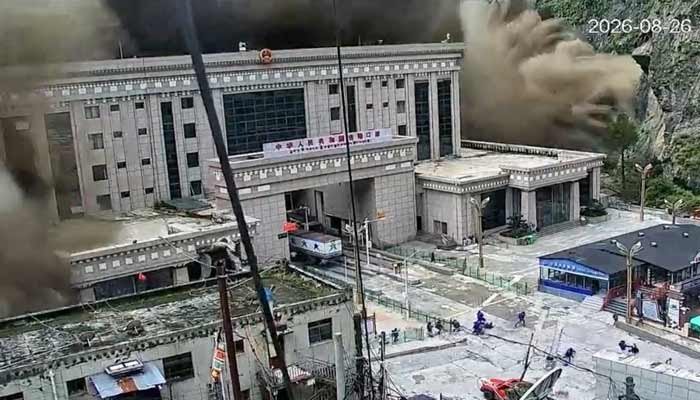
    Flash floods that impacted the Himalayan border region of Nepal and China’s Tibet on Wednesday have resulted in at least 165 fatalities. Nearly 1,500 individuals, including at least 800 foreigners, are reported missing following a massive mudslide that caused devastating floods in towns and valleys after a wall of debris collapsed into a Himalayan river.

    Here is a breakdown of the causes and current situation:

    What happened:
    Early Wednesday, a section of a Himalayan glacier broke apart and tumbled into the valley below. While initial speculations suggested an earthquake might have triggered the event, the U.S. Geological Survey clarified that the tremor was seismic energy generated by the glacier’s collapse and subsequent debris flow.

    The ice and rock avalanche descended along the Lhende Khola river, which runs along the Nepal/Tibet border. The resulting mudslide struck Gyirong port in Tibet and parts of Nepal, unleashing rapid flooding that destroyed entire roads, damaged power infrastructure, and inundated multiple villages.

    Casualties and Missing Persons:
    So far, Nepal has recovered 165 bodies, but the number is expected to rise sharply. About 1,500 people are still unaccounted for across both China and Nepal. Among those missing are nearly 750 foreigners, including:

    • 177 Indians, many on a pilgrimage to Kailash Mansarovar
    • 63 Americans
    • 53 Ukrainians
    • 34 Australians
    • 33 British citizens
    • 28 Malaysians
    • 25 Canadians
    • 9 South Koreans working at a hydropower plant

    Additionally, citizens from around 20 other nations are also reported missing. No immediate details are available regarding the foreign nationals missing in Tibet.

    Downstream in India, approximately 5,000 residents in Bihar were evacuated after flood warnings prompted precautionary measures.

    Current Situation:
    Rescue efforts are ongoing, with police and military personnel conducting search and rescue operations. Helicopters are delivering tents, food, and emergency supplies provided by India. Nepal’s army reports that over 5,000 personnel are engaged in recovery activities, and they’ve rescued 125 individuals—including 20 foreigners—by Thursday. The affected areas lack electricity, and flood sediments present additional challenges for responders.

    International aid is arriving:

    • The United Nations is mobilizing supplies and personnel to support flood-affected communities.
    • India is coordinating closely with Kathmandu for rescue and relief efforts.
    • South Korea is dispatching a rapid-response team to assist.

    The disaster highlights the devastating power of Himalayan glacier collapses and their potential to trigger widespread destruction in border regions. Rescue operations continue as authorities work to account for those missing and provide relief to displaced communities.
  • Scientists uncover a new Himalayan pangolin species after 200 years

    Scientists uncover a new Himalayan pangolin species after 200 years

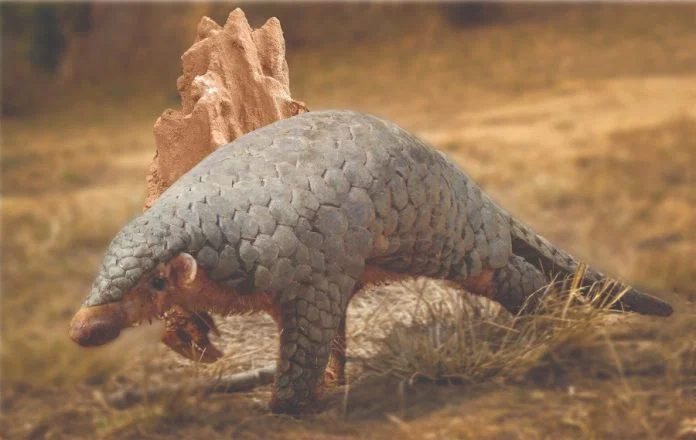
    Scientists have confirmed that a little-known Himalayan pangolin is actually a distinct species, ending nearly 190 years of scientific uncertainty. This finding could be pivotal in protecting one of the world’s most heavily trafficked mammals from illegal poaching.

    Published in Communications Biology, the study reveals that the Himalayan pangolin should be recognized scientifically as Manis aurita, rather than being grouped with the Chinese pangolin.

    Pangolins are unique mammals native to Asia and Africa, characterized by their protective scales made of keratin, the same substance in human fingernails. These scales serve as armor against predators but have also turned pangolins into prime targets for illegal wildlife trafficking. Despite their protected status, pangolins are considered the most trafficked mammals worldwide, primarily because their scales are highly prized in traditional medicine—despite no scientific evidence supporting health benefits.

    For decades, scientists believed pangolins in China and those in the Himalayan region belonged to the same species. However, subtle differences in appearance and DNA hinted they might actually be separate species. To clarify this, researchers compared modern DNA samples with genetic material from a museum specimen collected in Nepal back in 1836. This nearly 190-year-old sample is housed at the Natural History Museum, and scientists successfully extracted and analyzed its DNA despite its age.

    The genetic analysis was definitive. The ancient specimen matched the modern Himalayan pangolins, confirming that the proper scientific name for this species is Manis aurita, a designation first assigned in 1836. Because scientific naming conventions prioritize the earliest valid name, a newer name proposed in 2025 is no longer recognized.

    Though visually similar to the Chinese pangolin, the Himalayan pangolin differs in several ways. It tends to be larger, has a longer tail, and features smaller ears—hence the species name “aurita,” meaning “ear-marked.” Additionally, their habitats are separate: the Himalayan pangolin resides in regions of Nepal, northern India, Bhutan, and Myanmar, while the Chinese pangolin is mostly found in China. Accurate knowledge of their distribution is essential for targeted conservation efforts, ensuring the right animals are protected in the right areas.

    This discovery also enhances efforts to combat wildlife trafficking. During illegal seizures, authorities typically find only pangolin scales rather than entire animals. With the new DNA data, scientists can determine which species the scales originate from and trace poaching hotspots. Such information helps wildlife officials focus their anti-poaching initiatives where they are needed most, safeguarding endangered species.

    The research further supports conservation by preventing the accidental release of the wrong pangolin species into the wild. In the past, there was a risk of Chinese pangolins being introduced into habitats that should only contain Himalayan pangolins.

    Researchers highlight the importance of museum collections, demonstrating that specimens collected over a century ago can still provide vital scientific insights today. Combining traditional specimen collections with modern DNA analysis allows scientists to gain new understanding and develop more effective strategies for wildlife protection, increasing the chances of survival for species like the Himalayan pangolin.

  • Hundreds of Trekkers Flee Everest Blizzard in Tibet

    Hundreds of Trekkers Flee Everest Blizzard in Tibet

    Hundreds of hikers stranded near the eastern face of Mount Everest in Tibet have been rescued and brought to safety, according to Chinese state media reports Sunday, amid intense snowfall and rain that battered the Himalayas.

    By Sunday, 350 trekkers had arrived in the small town of Qudang, while contacts had been established with over 200 others still unaccounted for, CCTV reported.

    Many visitors headed into Karma Valley, which leads to Everest’s eastern Kangshung face, taking advantage of an eight-day National Day holiday in China.

    “The weather was extremely wet and cold in the mountains, and hypothermia was a real threat,” said Chen Geshuang, part of an 18-member trekking team that reached Qudang.

    “The weather this year is abnormal. Our guide said he had never seen anything like this in October, and it all happened so suddenly.”

    Chen’s group descended from the mountains on Sunday after enduring a night of heavy snow, thunder, and lightning, where villagers greeted them after a tense night. Tears filled Chen’s eyes as she accepted their offers of hot tea and warmth.

    “Back at the village, we ate and finally felt warm again,” she said.

    Local villagers and rescue teams worked tirelessly to clear snow blocking access, with nearly 1,000 people reportedly trapped in the area earlier, according to Jimu News, a state-backed outlet.

    Rescue efforts continue as the remaining trekkers are being brought into Qudang in phases, guided and assisted by authorities.

    The report did not specify whether guides and support staff with the trekking groups had been located.

    ’Sleeping little’

    Snowfall in the valley, which sits around 13,800 feet (4,200 meters) above sea level, started Friday evening and kept up through Saturday.

    “It was snowing and raining every day; we never saw Everest,” said Eric Wen, who survived the ordeal.

    His group, consisting of 18 people, decided Saturday night to retreat from their final campsite due to persistent snowfall.

    “We had just a few tents, and more than ten of us squeezed into a large tent, hardly sleeping because of how hard it was snowing,” Wen told Reuters.

    They had to clear snow from their tents every 10 minutes to prevent collapse. Despite being dressed adequately, two men and a woman suffered hypothermia.

    Fortunately, Wen’s team, which included guides and yak handlers, emerged mostly unscathed from the bleak conditions.

    North face concerns

    Karma Valley, first explored by Western travelers a century ago, remains a largely untouched part of the Everest region. Unlike the dry north face, it is lush with forests and alpine terrain fed by glacial meltwaters from the Kangshung Glacier.

    It’s unclear if trekkers near the north face, which is more accessible and popular during October’s clear weather, faced any issues.

    Since late Saturday, entry into the Everest Scenic Area has been suspended, following heavy rains that caused landslides and flash floods in Nepal. These disasters blocked roads, destroyed bridges, and resulted in at least 47 fatalities since Friday.

    In eastern Ilam district, bordering India, officials reported 35 deaths from landslides, nine people missing after floods, and three killed by lightning strikes.

  • India Himalayan Flood Toll Estimated to Reach 70+

    India Himalayan Flood Toll Estimated to Reach 70+

    A deadly flood swept through a Himalayan town in India, leaving at least 68 people missing nearly a week after a wall of icy water destroyed the area and buried it in mud. The official death toll has risen to over 70, including four confirmed fatalities from the disaster that occurred on August 5.

    Survivors captured videos showing a frightening wave of muddy water rushing through the town, demolishing multi-story apartment buildings. Rescue teams are actively searching the ruins of Dharali in Uttarakhand for victims. According to Gambhir Singh Chauhan of the National Disaster Response Force, sniffer dogs have detected several locations with potential bodies, but when excavation began, water emerged from below. The teams are also using ground-penetrating radar to aid in the grim search.

    Initially, over 100 individuals were reported missing, but the challenge of damaged roads and disrupted cellphone signals has complicated efforts to verify the list. The latest government update reports 68 missing persons, among them 44 Indians and 22 Nepalis, with nine soldiers also on the list.

    Flooding and landslides are typical during the monsoon season from June to September, but climate change and reckless development practices are believed to be increasing the frequency and intensity of these events. Climate experts warn that this tragedy serves as a stark reminder of the escalating impacts of global warming.

    While there’s no official explanation for the flood, scientists suggest that intense rainfall likely caused debris from a rapidly melting glacier to destabilize and collapse. Himalayan glaciers—crucial water sources for nearly two billion people—are melting faster than ever due to rising global temperatures, which exposes vulnerable communities to unpredictable and costly natural disasters. Additionally, the thawing of permafrost increases the likelihood of landslides.