The Global Crisis of Forced Displacement in 2023
Understanding the Scope of Displacement
In 2023, the world grappled with an alarming number of forcibly displaced individuals, estimated to be over 117 million. These figures, reported by the United Nations High Commissioner for Refugees (UNHCR), paint a stark picture of a humanitarian crisis shaped by war, violence, political persecution, and natural disasters. This blog aims to explore the factors influencing these displacements and the regions most affected.
Internally Displaced Persons: A Significant Majority
The Statistics Behind IDPs
A noteworthy aspect of the displacement crisis is the predominance of internally displaced persons (IDPs), who make up approximately 58% of the total displaced population globally. Internally displaced individuals are people who have been forced to flee their homes but remain within their home country’s borders. This phenomenon often complicates relief efforts as these individuals cannot cross international borders to seek asylum.
Key Regions Contributing to IDPs
Recent conflicts have exacerbated the situation for IDPs, particularly in countries like Sudan. Here, an ongoing civil war has displaced over six million people. Additionally, around 1.2 million individuals have crossed borders, seeking refuge in neighboring countries. Such statistics underline the complex interplay of local conflicts causing widespread internal displacement.
The Refugee Crisis: Global Hotspots
Leading Countries of Origin
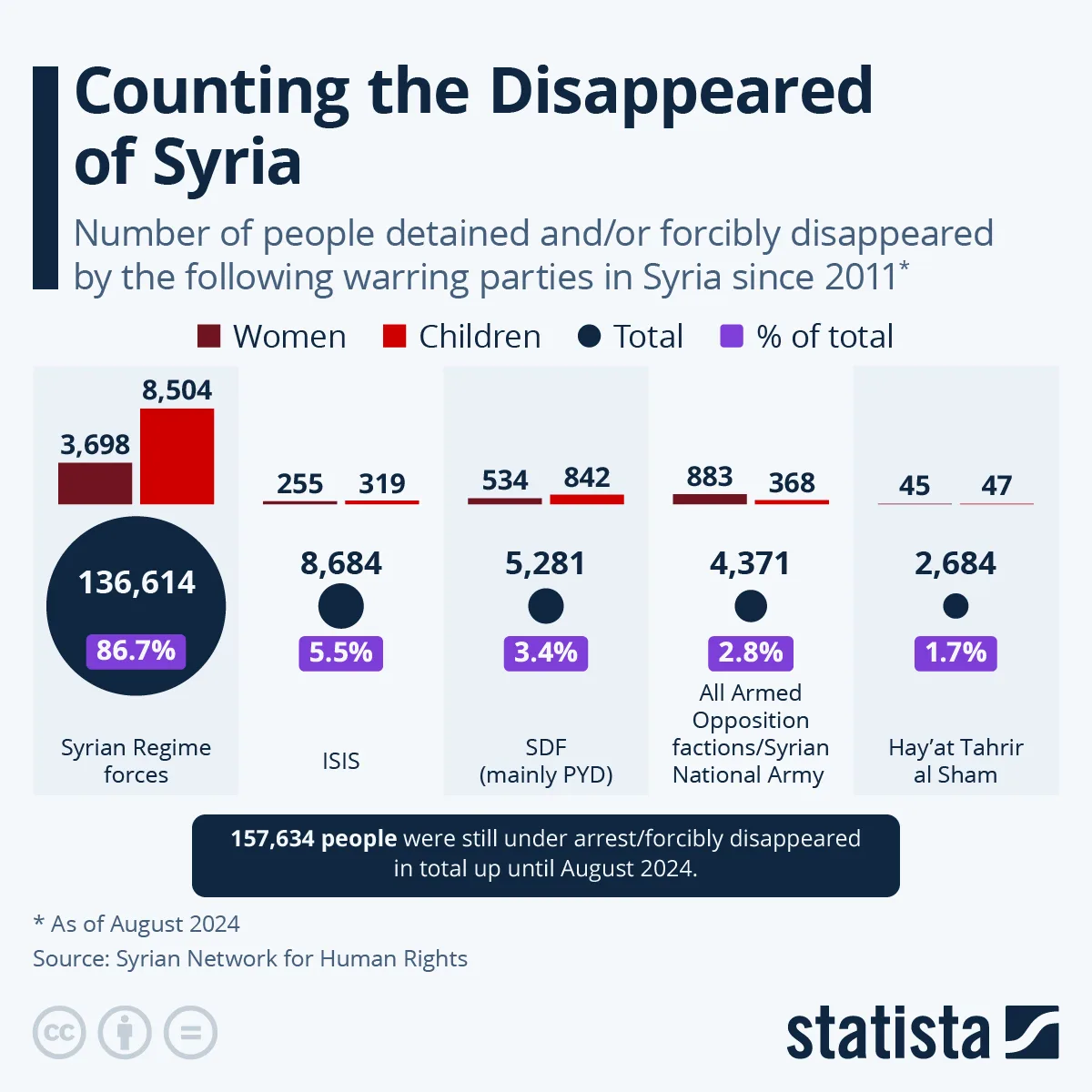
Among those forcibly displaced, specific countries stand out in terms of refugee populations. In 2023, Afghanistan, Syria, Venezuela, and Ukraine were highlighted as the primary countries of origin for refugees. Each country’s unique circumstances—ranging from protracted conflicts to economic crises—have played a role in this displacement.
The Role of Neighboring Countries
Interestingly, a significant 70% of refugees find sanctuary in neighboring countries, indicating the regional impact of displacement. This situation often places immense pressure on host nations, challenging their resources and capacities to accommodate an influx of individuals seeking safety.
Case Studies of Recent Displacement
The Situation in Sudan
The conflict in Sudan serves as a stark example of how internal violence can lead to vast numbers of displaced individuals. The ongoing civil war has not only created internal displacements but has also triggered a refugee crisis that affects surrounding nations. This dual displacement underscores the ripple effects of conflict.
The State of Palestine: Gaza’s Crisis
In late 2023, the situation in Gaza dramatically deteriorated, resulting from escalated conflict and bombardment. UNRWA reported that around 1.7 million Palestinians, roughly 75% of Gaza’s population, were forced to flee their homes. The humanitarian implications of such displacement are profound, raising questions about the future and well-being of these individuals.
The Broader Humanitarian Impact
Challenges Faced by Displaced Individuals
The plight of forcibly displaced persons raises significant humanitarian concerns. Access to basic needs such as shelter, food, and healthcare becomes increasingly challenging, traumatizing entire communities. Additionally, mental health issues often arise due to the trauma of displacement, further complicating recovery efforts.
International Response to Displacement
In light of the expanding displacement crisis, international organizations and governments face pressures to respond effectively. Solutions must not only address immediate humanitarian needs but also consider long-term strategies for peace, stability, and integration of displaced populations into host communities.
The Role of Policy and Advocacy
Importance of International Cooperation
To tackle the pressing issues surrounding forced displacement, international cooperation is critical. Nations must work together to facilitate safe asylum processes and resettlement options while also addressing the root causes of conflicts that lead to displacement.
Advocacy for Vulnerable Populations
Advocacy plays a key role in bringing attention to the needs of displaced individuals. By raising awareness and promoting policy changes, organizations can help ensure that the voices of those affected by displacement are heard and their needs addressed.
The Future of Displacement Trends
Projecting Future Displacement Scenarios
In light of ongoing global conflicts and climate change, experts predict continued trends of forced displacement in the coming years. Understanding these patterns will be crucial for governments and organizations working to provide assistance and develop more comprehensive solutions to this escalating crisis.
Role of Technology in Addressing Displacement
Technology may offer novel solutions to some of the challenges faced by displaced individuals. From improving access to information about asylum processes to enhancing logistical support for humanitarian aid, innovative approaches are vital in addressing the evolving landscape of displacement.