الوسم: exports

  • New Zealand Signs Free Trade Deal with India

    New Zealand Signs Free Trade Deal with India

    New Zealand and India announced a free trade agreement on Monday, streamlining exports for New Zealand and opening up access to India’s massive and rapidly growing market, projected to reach NZ$12 trillion ($7 trillion) by 2030. The deal cuts tariffs or removes them entirely on 95% of New Zealand’s exports to India, with more than half becoming duty-free immediately upon signing.

    The agreement also includes provisions for around 1,667 temporary work visas annually in sectors like healthcare, education, technology, and engineering, to address skills shortages. Additionally, New Zealand will offer 1,000 working holiday visas each year, matching Australia’s deal with India.

    Prime Minister Christopher Luxon highlighted the significance of the agreement, emphasizing India’s status as the world’s most populous and fastest-growing large economy, which creates opportunities for jobs, exports, and overall growth for New Zealand.

    The two nations anticipate signing the treaty during the first half of 2026. Todd McClay, New Zealand’s trade minister, stated that this deal positions the country on par or better than other nations trading with India and is expected to generate thousands of jobs and billions of dollars in additional exports. India’s government confirmed the agreement but did not release further details, with India’s trade minister set to speak to the media later Monday.

    This treaty fulfills an election promise from New Zealand’s ruling National Party, made during the 2022 election, to finalize a free trade agreement with India within its first term. However, approval in parliament is not guaranteed; New Zealand First, a coalition partner, plans to oppose the deal, citing concerns over immigration and dairy market provisions. Winston Peters, leader of NZ First, argued the pact gives away too much on immigration and does not secure enough benefits for New Zealand.

    Trade between the two countries in 2024 totaled NZ$3.14 billion, mainly comprising Indian pharmaceuticals and New Zealand’s forestry and agricultural products, including wool, logs, and apples.

  • Afghanistan Explores New Trade Routes Amid Fraying Pakistan Links

    Afghanistan Explores New Trade Routes Amid Fraying Pakistan Links

    Afghanistan is making efforts to expand its trade network after a deadly border conflict with Pakistan last month drove relations to their lowest point in years. The longstanding dispute between the two neighbors has intensified since the Taliban assumed control of Kabul in 2021, with Pakistan accusing Afghanistan of sheltering militants behind cross-border assaults.

    Last week, Abdul Ghani Baradar, Afghanistan’s deputy prime minister for economic affairs, urged traders to “seek alternative routes” instead of relying solely on Pakistan. Pakistan, being landlocked, is Afghanistan’s primary trading partner, supplying essentials like rice, medicines, and raw materials, and accepting about 45% of Afghan exports in 2024, according to the World Bank.

    A significant portion of these exports, over 70%, valued at $1.4 billion, are perishable agricultural products such as figs, pistachios, grapes, and pomegranates. When the border was closed on October 12 following cross-border violence, dozens of Afghan trucks transporting these goods were stranded and spoiled, resulting in losses exceeding $100 million for both nations. Approximately 25,000 border workers have been impacted, according to the Pakistan-Afghanistan Joint Chamber of Commerce and Industry (PAJCCI), which promotes bilateral trade.

    Baradar warned traders that Afghanistan wouldn’t intervene if reliance on Pakistan persists. To avoid further disruptions, the Taliban government is now exploring trade opportunities with Iran, Central Asian countries, and beyond.

    Trade with Iran and Turkmenistan has surged by 60-70% since mid-October, according to Mohammad Yousuf Amin, head of Herat’s Chamber of Commerce in western Afghanistan. Additionally, Kabul recently exported apples and pomegranates to Russia for the first time. Russia is the only country to have officially recognized Afghanistan’s Taliban-led government.

    Despite these ambitions, Taliban leaders seek broader recognition and foreign investment, but sanctions imposed on senior officials have made many investors cautious. The large market in India remains a key target; recently, Afghan airline Ariana Afghan Airlines reduced freight rates to India, and Kabul dispatched its commerce and industry minister to New Delhi.

    Economic analyst Torek Farhadi noted, “Afghanistan produces an excess of fruits and vegetables it cannot store due to the lack of refrigerated warehouses, so exporting remains the only viable option— and it needs to be done quickly before the products spoil.” Farhadi also pointed out that Iran’s Chabahar port, seen as an alternative to Pakistan’s southern ports, is farther away, more expensive, and hindered by U.S. sanctions on Iran.

    Both countries recognize that ending the trade war would benefit everyone. Farhadi emphasized, “They need each other,” but Pakistan maintains that the border closure was a necessary move to curb militant infiltration. Pakistan’s foreign ministry spokesperson, Tahir Hussain Andrabi, stated last Friday that Islamabad’s “patience has reached its limit” following recent attacks, describing the situation as a difficult choice between risking life and economic activity. “Can you put a price on human lives?” he questioned.

    In Peshawar, near the border, Afghan produce has almost disappeared from markets. Prices for grapes have quadrupled, and tomatoes now cost over twice as much at more than 200 rupees (about 70 cents) per kilogram, according to AFP reports.

    On Monday, PAJCCI called on Islamabad to take action, warning that ongoing port congestion is costing both economies heavily. Each stuck shipping container incurs port charges of $150 to $200 daily, and thousands of containers are delayed, creating an unbearable economic burden that grows daily.

    Naeem Shah, a 48-year-old truck driver waiting at the Chaman border with supplies bound for Afghanistan, voiced frustration: “I haven’t been paid in a month. No matter who I call, they say there’s no money because the border is closed. If it doesn’t reopen, we’ll be devastated.”

  • India Responds to US Tariff Increase Threats

    India Responds to US Tariff Increase Threats

    Workers rest on a cart inside a wholesale market located in the historic neighborhoods of Delhi, India. — Reuters/File

    MUMBAI: Indian exporters are urgently seeking ways to offset the impact of U.S. President Donald Trump’s announced tariffs against the world’s second-most populous country.

    Many industry insiders warn of severe job losses after Trump declared he would double existing import tariffs from 25% to 50% if India persists in purchasing Russian oil, aiming to cut Moscow’s revenue for its military operations in Ukraine.

    “At a 50% tariff, no Indian product will remain competitive,” stated Garima Kapoor, an economist at Elara Securities.

    India, a top global importer of crude oil, has until August 27 to identify alternatives to replace roughly a third of its current foreign oil supply.

    Though India isn’t a major exporter, it shipped goods worth approximately $87 billion to the U.S. in 2024.

    The new 50% tariff now threatens shallow-margin, labor-intensive sectors such as gems and jewelry, textiles, and seafood.

    The Global Trade Research Initiative estimates U.S. sales in sectors like apparel could decrease by as much as 60% in 2025.

    Exporters are rushing to fulfill pending orders before the deadline.

    “We are shipping everything we can before August 27,” said Vijay Kumar Agarwal, Chairman of Creative Group, a Mumbai-based textile and garment exporter heavily reliant on the U.S. market.

    However, Agarwal cautioned that rushing shipments is only a temporary fix.

    “Shipping now doesn’t resolve the core issue,” he explained.

    “If the issue isn’t addressed, chaos will ensue,” he warned, expressing concern over the future of his approximately 15,000 to 16,000 employees.

    “This situation looks very bleak […] it could lead to massive business losses.”

    Livelihoods Under Threat

    Negotiations to resolve the tariff dispute are influenced by geopolitics, beyond the realm of commerce. Trump is scheduled to meet Russian President Vladimir Putin on Friday, marking the first face-to-face encounter between the two presidents since Russia’s full-scale invasion of Ukraine in February 2022.

    India’s historical ties with Moscow place it in a delicate position.

    Since Trump’s tariff threats emerged, Prime Minister Narendra Modi has spoken with both Putin and Ukrainian President Volodymyr Zelensky, advocating for a peaceful resolution.

    Meanwhile, the impact of the tariffs is already surfacing in India.

    Businesses report that new orders from some U.S. clients are declining, endangering millions of dollars in future revenue and jeopardizing employment for hundreds of thousands in the country’s fifth-largest economy.

    Some leading Indian apparel companies with global manufacturing operations are considering shifting U.S. orders elsewhere.

    Pearl Global Industries, a major exporter, told Indian media that some U.S. customers have requested production in countries with lower tariffs, such as Vietnam or Bangladesh, where the company also has facilities.

    Gokaldas Exports indicated to Bloomberg that it might increase production in Ethiopia and Kenya, both of which impose a 10% tariff.

    Moody’s has warned that India’s broader tariff disparity could even undo recent progress in attracting related investments.

    India’s jewelry sector, which exported goods worth over $10 billion last year and employs hundreds of thousands, is facing a crisis.

    “Right now, everything’s at a standstill; new orders are on hold,” said Ajesh Mehta from D. Navinchandra Exports.

    “Up to 200,000 workers could be affected.”

    Luxury and high-value non-essential products are particularly vulnerable.

    “A 10% tariff is manageable; 25% is tough but doable; 50% is a whole different ballgame,” added Mehta.

    Seafood exporters, told to hold shipments by some U.S. buyers, are actively seeking new markets.

    “We’re trying to diversify,” said Alex Ninan of Baby Marine Group.

    “The U.S. is completely out of the picture right now. We’ll need to push our products into alternative markets like China, Japan… and possibly Russia.”

    However, Ninan warns this shift is far from straightforward. “Markets don’t just open up overnight,” he explained.

  • 26% Tariff Hike Hits India’s $30B Gem Industry Hard

    26% Tariff Hike Hits India’s $30B Gem Industry Hard

    Impact of U.S. Tariffs on India’s Gem and Jewelry Industry

    In recent developments, U.S. President Donald Trump’s introduction of new tariffs has cast a shadow over India’s gemstone and jewelry industry. This sector, already facing challenges, could be adversely affected by these changes, influencing not only exports but also employment opportunities.

    The U.S. Market: A Crucial Player

    The United States stands as one of India’s largest markets for gemstones and jewelry. In the financial year 2024-25, it is estimated that approximately one-third of India’s total gem and jewelry exports will be directed towards the U.S. The industry has come to rely significantly on American consumers, making the current tariff situation particularly concerning.

    Rising Tariff Rates: A Game Changer

    Historically, the diamond and gems sector enjoyed zero tariffs when exporting to the U.S. However, the recent increase in duties, which has surged to 26 percent, substantially alters the landscape for exporters. This new rate isn’t isolated; it carries implications for other jewelry categories as well:

    • Gold and Platinum Jewelry: Previously subject to certain tariffs, these items will now see rates escalate to between 31% and 33%.
    • Silver Jewelry: Exporters can expect duties ranging from 31% to 39.5%, marking a steep climb in costs.
    • Imitation Jewelry: Similar trends are observed here, with tariffs elevating to between 26% and 37%.

    This blanket rise in tariffs presents challenges for Indian jewelers, who may struggle to remain competitive against domestic producers in the U.S. facing lower or non-existent tariffs.

    Challenges Beyond Tariffs

    The tariff increases come at a time when the diamond and gems industry is grappling with a host of other challenges. In particular, the sector has been hindered by a slowdown in demand:

    Declining Demand from China

    One of the contributing factors to the downturn is a noticeable reduction in demand from China, a key market for luxury goods. Economic challenges have impacted consumer spending, leading to a trend that has reverberated through the global market.

    Shift in Consumer Preferences

    In addition to external market pressures, there is a shift in consumer behavior that is also causing concern:

    • Lab-Made Diamonds: More consumers are gravitating towards affordable, lab-produced alternatives, which offers similar aesthetic value without the high price tag of natural diamonds.
    • Changing Marriage Trends: Falling marriage rates have coincided with reduced interest in traditional engagement rings, further dampening demand within the jewelry sector.

    Employment at Risk

    The interplay of increased tariffs and declining demand poses risks not only to profitability but also to employment within the industry. With reduced exports to one of its major markets, the gemstone sector may face layoffs and reduced job opportunities, putting many livelihoods at stake.

    Conclusion

    As the U.S. implements new tariffs affecting India’s gem and jewelry sector, the situation remains dynamic. The policy shift has implications that extend beyond immediate financial effects, potentially reshaping the industry’s landscape as it navigates newfound challenges. With evolving global market trends and changing consumer preferences, the future of India’s gem industry stands at a critical juncture.

  • U.S.-India Trade: $85B Exports, 26% Tariff Impact

    U.S.-India Trade: $85B Exports, 26% Tariff Impact

    The U.S.-India Trade Relationship: An Overview

    The U.S. and India share a substantial trade relationship, characterized by significant exchanges in goods and services. This overview captures recent developments impacting this relationship, particularly in the context of trade tariffs and sectoral implications.

    Recent Trade Tariff Developments

    In recent months, the trade landscape has been significantly altered due to new tariff announcements by former U.S. President Donald Trump. These tariffs have sent waves of uncertainty throughout the global economy, prompting fears of a potential recession. For India, tariffs have risen to 26%, although certain sectors such as pharmaceuticals have enjoyed temporary exemptions.

    Impact on Indian Pharmaceuticals

    Despite the temporary reprieve, the Indian pharmaceutical sector is bracing for impending changes as tariffs on this industry are anticipated to be unveiled shortly. The uncertainties surrounding these tariffs have already triggered a decline in stock prices for major Indian pharmaceutical companies.

    Key Industries at Risk

    As the trade tariffs take hold, various sectors within India may face substantial challenges.

    The Diamond and Jewelry Sector

    One of the most vulnerable sectors to these tariff changes is India’s diamond and jewelry industry, which stands as one of the country’s primary export commodities to the U.S. The implications of increased tariffs could potentially damage this flourishing market.

    Growing Optimism in Other Sectors

    On the flip side, some analysts express a more optimistic viewpoint. They argue that the current trade tensions could create new opportunities for India in sectors like textiles, electronics, and machinery. With some manufacturers likely to relocate operations to India from other nations, these segments could see significant growth.

    Competitive Tariff Landscape

    It is notable that while India has imposed additional tariffs, these rates remain lower compared to some of its regional competitors. Countries like China (54%), Vietnam (46%), Thailand (36%), and Bangladesh (37%) have higher tariffs, presenting India with a unique advantage in attracting international businesses looking for cost-effective manufacturing solutions.

    Trade Volume Between the U.S. and India

    According to UN Comtrade data sourced from the Organization for Economic Cooperation and Development (OECD), the bilateral trade volume reveals substantial figures. In 2023, the U.S. imported $85.5 billion worth of goods from India, while India imported $41.4 billion worth of U.S. commodities. This robust exchange underscores the importance of the trade relationship between the two nations.

    Major Export Categories from India to the U.S.

    From India’s perspective, the primary exports include:

    • Precious Stones and Jewelry: This category remains a significant contributor, accounting for a large percentage of India’s exports.
    • Electronics: Another crucial sector that highlights India’s growing technological capabilities.
    • Pharmaceutical Products: Although currently facing a tariff challenge, this remains vital for both countries.

    Together, these sectors contribute around 40% of India’s exports to the U.S.

    Key U.S. Exports to India

    The U.S. too has significant exports to India, with the most valuable categories in 2023 being:

    • Mineral Fuels and Oils: Valued at $13.6 billion, this category represents a substantial share of trade.
    • Machinery and Mechanical Appliances: Accounting for $5.32 billion, this sector is key to the U.S. export portfolio.
    • Precious Stones, Metals, and Pearls: At $2.41 billion, this category also plays an important role in the trade dynamics.

    India’s Response to U.S. Tariffs

    Despite the evolving scenario post-tariff imposition, India has so far refrained from announcing reciprocal tariffs on U.S. goods. This approach may reflect India’s strategy to mitigate further escalation of trade tensions while assessing the long-term impacts of the current situation.

    The mutual dependencies between the two nations outweigh the immediate advantages of retaliatory measures. As both countries navigate the complexities of the global economic landscape, the focus remains on minimizing disruptions while exploring avenues for potential growth and collaboration in various sectors.

    Through this insightful analysis, it becomes clear that while challenges abound, opportunities also present themselves, shaping the future of the U.S.-India trade relationship.

  • US Farmers Fear Tariffs Could Cut Into Profits

    US Farmers Fear Tariffs Could Cut Into Profits

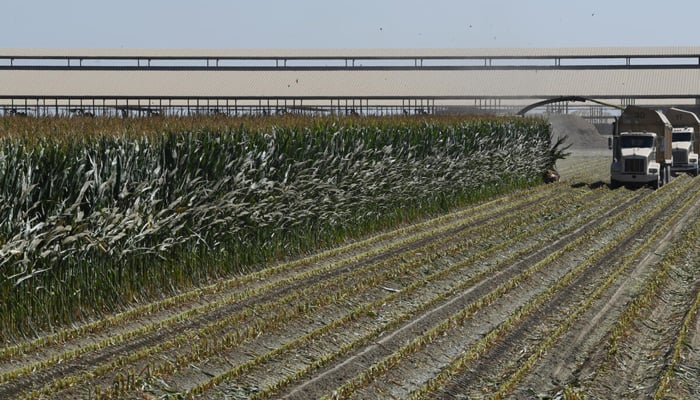
    An agricultural landscape captured in this undated photograph. — AFP

    As President Donald Trump’s broad global tariffs came into play this weekend, American farmers who were hoping for a fruitful year found themselves contending with declining crop prices and the likelihood of losing market share abroad.

    “We’re struggling to stay above break-even right now,” remarked Jim Martin, a farmer from Illinois in his fifth generation, who cultivates corn and soybeans.

    “We anticipated this,” he shared with AFP regarding Trump’s tariffs. “Now we’re just waiting to see how everything unfolds.”

    Starting Saturday, the president implemented a 10% “baseline” tariff on goods imported from most of the United States’ trading partners, with the exception of Mexico and Canada.

    Moreover, several nations, including the European Union, China, and India, are expected to face even steeper tariffs beginning Wednesday.

    With the threat of retaliation looming, farmers—who represent a crucial voting bloc in Trump’s 2024 re-election bid—are bracing for potential financial losses.

    Following the announcement of the tariffs and China’s retaliatory measures, prices for various American agricultural goods fell sharply alongside stock market declines on Friday.

    China, which ranks as the third-largest importer of U.S. agricultural products after Canada and Mexico, is particularly vulnerable, facing a 34% U.S. tariff on its goods in addition to a prior 20% tariff.

    In retaliation, Beijing has announced its own 34% tariff on American imports, compounding previous rates of up to 15% on U.S. agricultural products.

    The imposition of these tariffs elevates the cost for businesses importing U.S. goods, diminishing American farmers’ competitive edge.

    Market Challenges

    “There’s less motivation for buyers to purchase U.S. soybeans; they can obtain them from Brazil for a much lower price,” explained Michael Slattery, a corn, soybean, and wheat farmer from Wisconsin.

    Approximately half of U.S. soybean exports and a substantial portion of sorghum are sold to China, which invested $24.7 billion in U.S. agriculture last year, including purchases of chicken, beef, and other commodities.

    However, the U.S. Department of Agriculture (USDA) reported a 15% decline in China’s purchases last year, attributing this to increasing competition from South American producers.

    Slattery anticipates that Chinese buyers will further reduce their purchases.

    “Losing access to this market is significant because it’s costly to secure alternative buyers,” stated Christopher Barrett, a professor at Cornell University specializing in agricultural economics.

    During the previous tariff conflict under Trump’s first term, China was the primary target and the sole retaliator, Barrett noted.

    With all trading partners now affected, farmers may find it even more challenging to seek new market opportunities.

    Temporary Fixes

    “Over 20% of farm income stems from exports, and farmers depend on imports for vital materials like fertilizer and specialized machinery,” the American Farm Bureau Federation warned this week.

    “These tariffs will raise the costs of essential supplies, while retaliatory tariffs will inflate the prices of American products on the global market,” the report emphasized.

    The International Dairy Foods Association noted that “extended and extensive tariffs” on major trading partners and burgeoning markets threaten to jeopardize billions of dollars in investments aimed at satisfying global demand.

    According to the USDA, retaliatory tariffs against the U.S. resulted in over $27 billion in agricultural export losses from mid-2018 to late-2019.

    While the department allocated $23 billion to support farmers affected by trade disputes in 2018 and 2019, Martin from Illinois likened this assistance to “a band-aid on a much larger issue.”

    “The president claims that the long-term outcome will be better, so we need to figure out how patient we should be,” he added.

    Like many of his peers, Martin hopes for additional trade agreements with countries other than China.

    Slattery characterized Trump’s policies as “a significant reorganization of the international landscape,” and is preparing for further losses in the coming years.

    “I’ve sold as much of my soybeans and corn as I could before Trump indicated the tariffs he’d impose,” he said.

  • Syrian GDP Plummets 62% Amid War and Sanctions Impact

    Syrian GDP Plummets 62% Amid War and Sanctions Impact

    The Impact of War and Sanctions on Syria’s Economy and International Trade

    Overview of Syria’s Economic Downturn

    Since the outbreak of the Syrian civil war in 2011, the nation’s economy has experienced a devastating decline. The World Bank highlights striking figures: Syria’s GDP plummeted from $61.39 billion in 2010 to a disheartening $23.6 billion in 2022. This stark reduction represents a loss of over two-thirds of the country’s economic value in just over a decade. As a direct consequence of the war and the accompanying sanctions, unemployment has surged from 8.6% to 13.3%, while inflation has followed a similarly alarming trajectory, skyrocketing from 4.4% in 2010 to 47.7% in 2016. Though it decreased to 13.4% in 2019, the figure remains notably high.

    Declining International Trade

    Total Export Value Collapse

    One of the most telling indicators of Syria’s economic struggles is the collapse of its international trade. Data from the Observatory of Economic Complexity (OEC) reveals a stark contrast in export values: Syria’s total exports diminished dramatically from $12.1 billion in 2010 to a mere $1.3 billion by 2023. This severe reduction has had far-reaching implications for the nation’s economic health and overall stability.

    Changing Trade Partners

    The landscape of Syria’s trade partners has undergone a substantial transformation in the wake of war and sanctions. In 2010, European countries such as Germany and Italy were significant destinations for Syrian exports, along with France and the United States. At that time, a significant portion of Syrian exports consisted of petroleum, with the U.S. importing $415 million of refined Syrian oil.

    By 2023, however, Turkey emerged as the dominant destination for Syrian exports, accounting for 28.7% of the total. Other notable trade partners shifted to include Saudi Arabia, Lebanon, India, and the UAE. Although the U.S. and some European countries still engage in purchasing a limited range of goods from Syria—totaling $11.3 million in 2023—this trade primarily encompasses niche products like spice seeds, building stone, antiques, pickled foods, and coffee.

    Shifts in Export Commodities

    From Petroleum to Olive Oil

    Historically, Syria’s economy relied heavily on petroleum exports, both crude and refined. Prior to the civil war, these exports were valued at over $5.3 billion. However, the imposition of sanctions on Syrian oil has rendered it nearly impossible for the country to legally sell its oil on the international market. This dramatic shift has necessitated a change in the export profile of the nation.

    As sanctions have shaped the economic landscape, pure olive oil has now taken the lead as Syria’s primary export product. Other significant exports include calcium phosphate, spice seeds, and raw cotton. This transition highlights the challenges faced by Syrian farmers and producers as they adapt to an increasingly restrictive market environment.

    Recent Changes in Sanctions

    EU’s Suspension of Sanctions

    In a recent development, the European Union announced the suspension of wide-ranging sanctions against Syria, particularly in the energy sector, to facilitate economic recovery and the country’s reconstruction efforts. This decision aims to provide a glimmer of hope for a nation that has faced extraordinary hardships over the past decade. The EU has stated its intention to closely monitor the situation within Syria to determine whether these suspensions are still suitable and beneficial for the country’s recovery.

    Conclusion

    As Syria continues to navigate the challenges posed by war and sanctions, understanding the transformative impacts on its economy and international trade is crucial for grasping the current state of affairs. The evolution of trade dynamics and shifting export products encapsulates the resilience of the Syrian people amidst adversity.

  • 43% of U.S. Imports at Risk from Trump’s Tariff Plans

    43% of U.S. Imports at Risk from Trump’s Tariff Plans

    Trade Dynamics: U.S. Imports and Exports in 2023

    Overview of U.S. Trade

    In 2023, trade with Mexico, China, and Canada played a crucial role in the U.S. economy, accounting for approximately 43 percent of all U.S. goods imports based on monetary values. According to UN Comtrade data, the United States imported a staggering $3.2 trillion worth of goods while managing to export $2.0 trillion in the same year. This significant volume of trade highlights the importance of these nations as key economic partners for the U.S.

    Contributions to Trade: Canada, Mexico, and China

    Canada’s Role

    In 2023, goods exported to Canada constituted 18 percent of the U.S.’s total export value. The top exports from the U.S. to Canada include:

    • Mineral Oils and Fuels: Essential components of energy supply chains.
    • Vehicles: A vital sector due to the integrated automotive industry.
    • Machinery: Critical for various industries, ensuring operational efficiency.

    Mexico’s Economic Partnership

    Mexico accounted for 16 percent of U.S. exports, showcasing a strong trade relationship. The imports from Mexico can be categorized into three major types:

    • Vehicles: A significant portion aligned with the automotive sector.
    • Electronic Equipment: Vital for consumer electronics and technology.
    • Machinery: Contributing to manufacturing processes across different industries.

    China’s Import and Export Landscape

    The dynamics with China are equally complex. The United States exported mineral fuels and oils, soybeans, and machinery to China. On the flip side, U.S. imports from China primarily consisted of:

    • Electronic Equipment: A dominant factor due to technological advancements.
    • Machinery: Essential for manufacturing and industrial processes.
    • Toys: A staple of consumer goods reflecting market demands.

    The Balance of Services: A Different Perspective

    Beyond goods, trade in services also constitutes an integral part of the U.S. economy, showing a contrasting balance in the trade ledger. In 2022, the U.S. exported nearly $1 trillion worth of services while importing about $700 billion. This extensive trade in services indicates a strong service-oriented economy.

    Key Players in Services Trade

    The top service purchasers from the U.S. include:

    • Ireland: A key destination for various services, especially in technology and finance.
    • United Kingdom: A traditional partner, reflecting long-standing economic ties.
    • Canada: Close geographic proximity enhances service exchange.

    Conversely, the top suppliers of services to the U.S. encompassed:

    • United Kingdom: A major source of financial and professional services.
    • Germany: Known for its engineering and technical expertise.
    • Japan: Contributing significant service exports, particularly in technology.

    Tariff Proposals and Their Implications

    During his campaign, President Trump emphasized the implementation of tariffs as a cornerstone of his economic policy. Proposed tariffs included:

    • 25 Percent on Goods from Canada and Mexico: Aimed at reshaping trade dynamics with neighboring countries.
    • Tariffs Ranging Between 10 and 60 Percent on Chinese Goods: Targeting specific sectors to support domestic manufacturing.

    These potential tariffs could have far-reaching repercussions, affecting not only the trade balance but also the prices consumers pay for various goods.

    Conclusion

    The interwoven trade relationships between the United States, Canada, Mexico, and China emphasize the significance of these countries in the global economy. The complexities of imports, exports, and proposed tariffs highlight the evolving landscape of international trade and the impact of policy decisions on this vital economic sector.

  • U.S. Trade Deficit with BRICS: $650B Imports vs. $300B Exports

    U.S. Trade Deficit with BRICS: $650B Imports vs. $300B Exports

    Understanding the U.S. Trade Relationship with BRICS Countries

    Overview of the U.S. Trade Balance with BRICS

    The trade dynamics between the United States and BRICS countries—Brazil, Russia, India, China, and South Africa—highlight a significant imbalance. For years, the U.S. has maintained a trade deficit with these nations, meaning it imports much more than it exports. According to data from the UN Comtrade Database, in 2023 alone, the U.S. exported goods worth approximately $300 billion to BRICS countries, while imports soared to nearly $650 billion. This disparity raises important questions about both the economic implications for the U.S. and the future of international trade.

    Specifics of U.S. Imports and Exports

    Major Products Imported from BRICS

    The types of goods that the U.S. imports from BRICS nations encompass a broad range of categories. Key imports include:

    • Machinery and Electronics: This category often represents the largest share of imports from BRICS countries, indicating a robust manufacturing capability within these economies.
    • Plastics and Steel: These resources are critical for various industries in the U.S., contributing to the significant volume of imports.
    • Precious Stones and Iron: These commodities play a vital role in both manufacturing and luxury markets within the U.S.

    Major Products Exported to BRICS

    Conversely, U.S. exports to BRICS countries primarily consist of:

    • Agricultural Products: The U.S. is known for its agricultural capacity, providing substantial exports to these countries.
    • Technology and Innovation: U.S. tech products and services often find enthusiastic markets in BRICS nations, contributing to the trade equation.

    Impact of Tariffs on Trade Dynamics

    Trump Administration’s Tariff Threats

    In a controversial move, former President Donald Trump threatened to impose "100 percent tariffs" on imports from BRICS countries should they pursue de-dollarization or diminish the U.S. dollar’s role in international trade. This statement reflects broader concerns regarding economic sovereignty and the potential risks of a redefined global monetary system.

    Potential Retaliation and Trade Risks

    If such tariffs were enacted, it would likely lead to immediate and severe retaliation from BRICS nations, resulting in a significant trade breakdown. Given that the U.S. has much to lose due to its high dependency on importing goods from these countries, the economic repercussions could be profound and far-reaching.

    The Push for De-Dollarization among BRICS

    Agenda of BRICS Summits

    De-dollarization has increasingly emerged as a topic of interest during BRICS summits. Associated discussions emphasize the desire among these nations to reduce their reliance on the U.S. dollar, primarily due to perceived advantages it provides to the U.S. economy. Notably, Russian President Vladimir Putin and Chinese leaders have advocated for steps toward this goal in recent meetings, indicating a concerted effort to shift the global financial landscape.

    Challenges in Establishing a New Currency

    Complexity of Initiatives

    While discussions of establishing a unified BRICS currency have occurred, actual progress remains minimal. The complexity of coordinating monetary policy and establishing a shared currency among diverse economies presents a formidable challenge. Moreover, India’s recent statements opposing the initiative further complicate matters, underscoring differences in national interests and economic strategies.

    The Current State of Non-Dollar Reserves

    Incremental Steps Towards Diversification

    Despite the challenges of establishing a new currency for transactions, BRICS nations have made incremental progress in using their own currencies for trade. This shift, while promising, faces hurdles such as:

    • Higher Costs: The use of non-dollar currencies can be more expensive and come with increased risk, discouraging widespread adoption.
    • Stability Issues: The perceived instability of some BRICS currencies can further contribute to a reluctance to deviate from the dollar.

    The Role of the Yuan Renminbi

    China’s push to internationalize the Yuan Renminbi has been a notable development. Although the percentage of international reserves held in non-dollar currencies has increased slightly, the U.S. dollar still accounts for over 58% of global reserves, illustrating the dollar’s entrenched position in the world economy.

    Conclusion

    The trade dynamics between the U.S. and BRICS countries illustrate a complex and often tense relationship marked by significant trade imbalances and the challenges associated with potential shifts in monetary policies. As the global economic landscape continues to evolve, understanding these nuances is critical for stakeholders involved in international trade and finance.