الوسم: exciting

  • Apple’s Next Wave Of New Devices Is Coming Soon

    Apple’s Next Wave Of New Devices Is Coming Soon

    If you thought Apple’s Fall product launch was already packed with announcements, it looks like the company has more in store—and sooner than expected. Reports suggest that Apple is planning an event in October to unveil several new products, with a total of ten fresh devices expected to hit stores in the upcoming months.

    What’s on the Horizon for Apple?

    Bloomberg’s Mark Gurman reports that Apple is gearing up for a new round of product updates starting next month, beginning with the iPad Pro. The upcoming model will feature the new-generation M5 silicon processor, although its exterior design will closely resemble the current iPad Pro.

    The new iPad will also introduce some notable camera upgrades. Instead of the single front-facing camera usually positioned for landscape use, the next iPad will have two front cameras—one placed along the vertical edge and the other on the horizontal. While Samsung attempted a dual-camera setup with its Galaxy Tab S10 Ultra, theirs grouped both lenses together for landscape shooting. Apple’s approach appears to be focused on enhancing video calls and selfies with more flexible camera options.

    In upcoming products, the second-generation AirTag is expected to bring a new chip that boosts its range and adds the ability for more precise tracking. Additionally, a refreshed version of the Vision Pro headset is rumored, though it may not feature a complete overhaul—likely just a more comfortable headband and a faster chip.

    Computing Devices to Expect

    Apple is also focused on advancing its chip technology, with the development of the next-generation M5 silicon built on TSMC’s improved process node. The first devices to feature this processor will be the iPad Pro, followed by updated MacBook Pro models. Initially expected later in 2025, Bloomberg suggests a launch could instead be scheduled for early next year. The new MacBook Pros will likely continue offering 14-inch and 16-inch models with the M5 Pro and M5 Max chips.

    Later in 2026, Apple plans to update the MacBook Air lineup with the new M5 chip. However, neither the Air nor the Pro models are anticipated to undergo a design change at this point. The Apple TV is also on the horizon for an upgrade, potentially equipped with a faster processor and Apple’s latest N1 networking silicon, similar to what’s inside the current iPhone Air.

    The upcoming updates extend beyond hardware. The HomePod mini is expected to receive a new chip and a range of new color options. Rumors also point to the possible debut of a new external monitor for Mac in the next year, alongside the iPhone 17e. A new smart home device is also anticipated, which might feature the next-gen version of Siri with advanced AI capabilities—aiming to be more like Amazon’s Alexa+.

    In summary, Apple seems poised for an exciting fall, with a broad lineup of refreshed and new devices set to make their debut in the coming months.
  • New Software Aims To Be The Android Of Smart Glasses

    New Software Aims To Be The Android Of Smart Glasses

    A new operating system named AugmentOS aims to become the go-to software solution for smart glasses. Developed by Mentra, a relatively young software firm founded in 2024, in collaboration with the established company Vuzix, this system is not merely theoretical; it is already paired with new and existing smart glasses designed to run on AugmentOS.

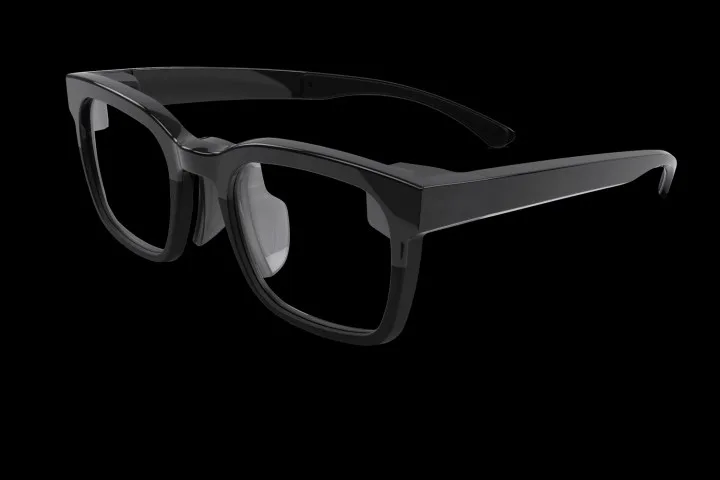
    A render of the Mentra Mach1 smartglasses.
    Mentra Mach1 Mentra

    Described as a “universal operating system for smart glasses,” AugmentOS comes packed with a variety of standard applications and functionalities, including display support, access to an app store, and numerous advantages for developers. Reflecting the trends of 2025, it features AI-driven capabilities such as intelligent notifications, language translation, real-time captions, and a virtual assistant.

    In a presentation showcasing the launch, the Mentra team demonstrated how these functionalities can be experienced through smart glasses, blending digital information with the user’s surroundings. Currently, there are three pairs of smart glasses compatible with AugmentOS: the Even Realities G1, the Vuzix Z100, and the Mentra-designed Mach1. The Mach1 is offered at $349 and features a monochrome green waveguide microLED display in the right lens. The Vuzix Z100 is priced higher at $500, potentially indicating similarities in design and technology between the two devices. At the upper end of the price spectrum, the Even Realities G1 retails for $599.

    From a development perspective, AugmentOS allows developers to create a single app that functions across all supported hardware, streamlining the process for users to access new applications. Mentra CEO Cayden Pierce shared insight into the company’s vision: “This is the moment where AI steps out of our phones and into our world. By teaming up with an industry leader like Vuzix, we’re crafting a platform where AI can truly see and comprehend our context in real time. For the first time, numerous AI assistants can collaborate seamlessly to enrich our daily experiences. What excites me the most about AugmentOS is the way it brings AI-equipped smart glasses to life today. Users get an extensive toolset right away, while developers find an easy path to create next-generation AI applications.”

    Excitingly, AugmentOS is ready for trials today. If you already own compatible smart glasses, you can download and install the operating system. However, the widely recognized Ray-Ban Meta smart glasses are, regrettably, not among the compatible models at this time.

  • The Saros Z70 Is The Most Amazing Robot Vacuum Yet

    The Saros Z70 Is The Most Amazing Robot Vacuum Yet

    Roborock

    When it comes to robot vacuums in 2025, Roborock stands out as my top choice. This brand has consistently delivered high-quality, reliable, and powerful vacuum solutions for years, earning spots in numerous top picks for robot vacuums and mops. At CES 2025, there were many exciting developments in smart home technology, but the Roborock Saros Z70 truly captured my attention. Featuring a robotic arm designed to pick up small items in its path, it represents one of the most innovative home cleaning devices I’ve encountered, and I’m eager to see how it influences the market.

    While robot vacuums are meant to be independent helpers that maintain clean floors with minimal involvement from us, this is often not the reality. Many struggle with inadequate sensors that lead to getting stuck, weak suction that fails to handle more stubborn debris, or poor navigation that leaves them entangled in cords or other obstacles. As a result, some devices do not deliver the expected hands-free experience.

    That said, Roborock has seemingly perfected the fundamentals with its current Qrevo Curv model, which boasts impressive suction capabilities, outstanding mapping technology, and a self-cleaning dock so efficient I often forget it’s even operating in my home.

    The Saros Z70 placing an object in a designated location.
    Roborock

    With the basics in check, Roborock is now shifting its focus towards enhancing the versatility of smart home products. A perfect example of this initiative is the robotic arm, which is intended to clear obstacles it encounters. It’s important to note that the Saros Z70 is not capable of picking up larger items like gym shoes or clothes. Instead, its current lifting capacity is limited to 300 grams. Should it attempt to lift something heavier, its sensors will detect the weight and carefully lower the object back down.

    Currently, the robotic arm exhibits a slower reaction time, as demonstrated during the CES 2025 presentation, which showcased a few missed grabs and generally sluggish actions. However, this innovation is one of the first significant advancements in the robot vacuum market, making it an exciting development to follow.

    Before the advent of robotic arms, self-cleaning docks were the standout feature, and now they are common in nearly every high-end device. They perform exceptionally well, alleviating concerns about mold or unpleasant odors. The introduction of a robotic arm, no matter how gradual its functionality, could pave the way for transformative advancements in the near future. Imagine a world where robot vacuums seamlessly manage all of our messes, with no worries about picking up toys or clothes prior to cleaning cycles. That could lead to a thorough clean, even with clutter left behind.

    Roborock has a proven track record when it comes to crafting top-notch robot vacuums. I have always been impressed with their prior models, and if there’s any brand capable of successfully integrating a robotic arm into a vacuum cleaner, it’s Roborock. I look forward to seeing how the Saros Z70 evolves, and I hope this is merely the beginning of more groundbreaking developments from the company.


  • New Leaks Make OnePlus Watch 3 More Exciting

    New Leaks Make OnePlus Watch 3 More Exciting

    The excitement surrounding the OnePlus Watch 3 has been building, and recent leaks have only added to that enthusiasm about the impending smartwatch.

    OnePlus is reportedly gearing up to introduce two new smartwatches in the near future: the standard OnePlus Watch 3 and the more advanced OnePlus Watch 3 Pro. A recent analysis has shed light on some of the potential software features for these models. According to a report from Android Authority, insights into the OnePlus Watch 3 and Watch 3 Pro have emerged from the latest update of the OnHealth app.

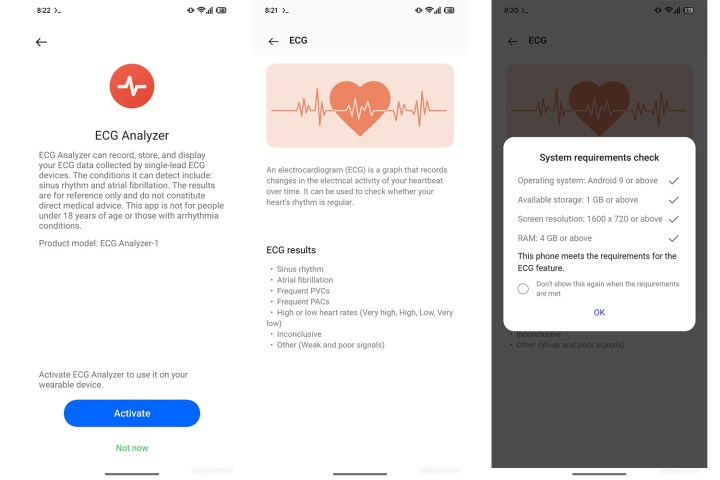
    Screenshots from this analysis indicate that the OnePlus Watch 3 series may come equipped with ECG capabilities. The devices could also have the functionality to identify instances of atrial fibrillation (AFib) and frequent premature ventricular contractions (PVCs), in addition to monitoring both elevated and reduced heart rates. A wrist temperature monitor is also anticipated.

    OnePlus Watch 3 health app leak.
    Android Authority

    An additional feature that many are looking forward to is the 60-second Checkup, which evaluates heart health, blood vessel flexibility, and sleep snoring. This checkup leverages seven health indicators, such as blood oxygen levels, ECG readings, sleep patterns, vascular age, and more to assess a user’s health risks.

    Furthermore, Android Authority has revealed that the watch’s companion app features a Health tab, which includes two primary functionalities: Health Insights and Health Journey. The Health Insights section provides long-term data on the app’s main page, while the Health Journey feature highlights important workout and health milestones from the current day.

    If these leaks prove accurate, the OnePlus Watch 3 is set to deliver a substantially upgraded experience compared to its predecessors.

    Details regarding the hardware of the OnePlus Watch 3 and the accompanying Pro model remain limited at this stage. However, there are expectations that both could incorporate a rotary dial. The key differences between the two models likely lie in their hardware capabilities, while they may share similar software features.

    The OnePlus Watch 2 was launched in 2023 and was soon followed by the more budget-friendly OnePlus Watch 2R.