Understanding the Gender Pay Gap: An In-Depth Look
The Significance of Equal Pay Day
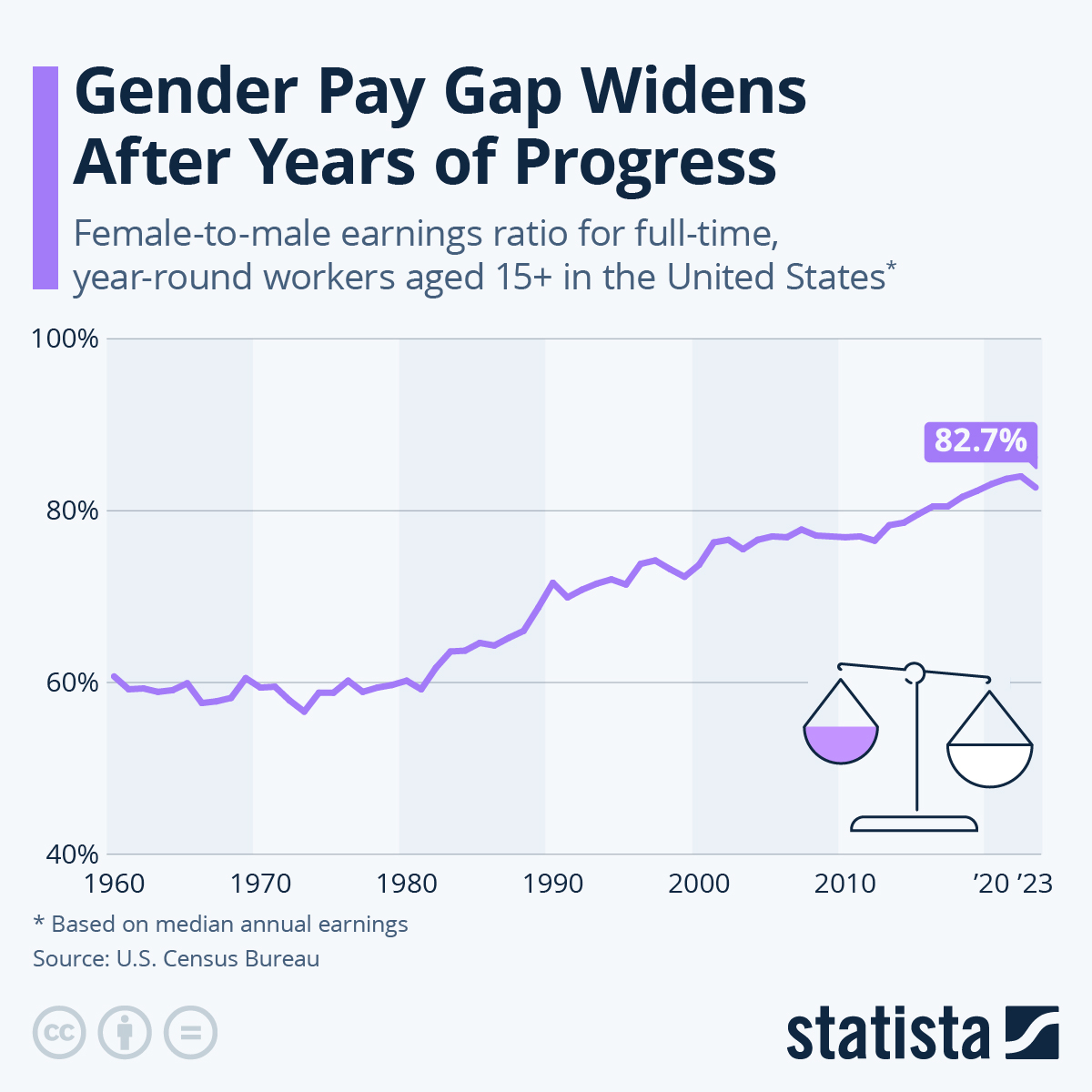
Today marks an important observation known as Equal Pay Day in the United States. This day is more than just a calendar event; it highlights the persistent wage disparity that women face in the workplace. Despite making great strides in education and career advancement, women will have to work all the way through 2024, specifically until March 25, 2025, to earn what their male counterparts make in a single year. In terms of numbers, this illustrates that women earn, on average, just 83 cents for every dollar that men earn in 2024.
The Research Behind the Wage Gap
The U.S. Census Bureau undertook comprehensive research between 2005 and 2019 to delve deeper into the reasons behind this gender pay gap. By comparing male and female earnings among individuals who completed similar educational programs, the study aimed to uncover insights into this ongoing issue.
Educational Attainment and Earnings Disparity
The research focused on two primary educational milestones: those who completed secondary certificates and those who obtained bachelor’s degrees. By analyzing the data over a 15-year period, the Census Bureau attempted to estimate the earnings gap across various educational levels, providing crucial data on how much of the wage difference can be explained by certain factors.
Key Factors Contributing to the Gender Pay Gap
The findings revealed that the choice of career or occupation is significantly linked to the gender pay gap. Furthermore, it analyzed how various factors contributed to wage disparities among graduates with secondary certificates compared to those with bachelor’s degrees.
Occupation and Industry: The Major Drivers
One of the standout findings was the impact of occupation and industry choice. The share of the gender wage gap attributed to these choices remained relatively stable across different educational levels. For instance, it accounted for 38.5% of the pay gap among those with secondary certificates and 32.4% among bachelor’s degree holders. This indicates that the fields in which individuals choose to work play a crucial role in determining their earnings, highlighting the importance of career choice in addressing wage disparities.
The Role of Working Hours and Career Choices
The research also pointed out variations across educational attainment levels in regard to other contributing factors:
-
Secondary Certificate Graduates: For individuals who did not pursue education beyond a secondary certificate, the number of hours worked and the weeks in employment were significant factors affecting the gender pay gap.
- Bachelor’s Degree Graduates: In contrast, for those who obtained a bachelor’s degree, the choice of field of study became a more critical factor in contributing to the gender wage gap. This suggests that certain academic disciplines lead to differing income potentials, which disproportionately affect women pursuing degrees in lower-paying fields.
Rethinking Gender Roles in Career Choices
The findings from the U.S. Census Bureau shed light on the crucial need to rethink traditional gender roles and occupational choices. The tendency for women to gravitate towards lower-paying fields, whether by societal norms, personal interest, or lack of support and guidance, perpetuates the wage gap.
The Unexplained Wage Gap
An intriguing aspect is the "unexplained" category, which represents the portion of the wage gap that cannot be directly attributed to educational choices, hours worked, or industry selection. This gap might include elements such as negotiation disparities, biases in hiring and promotion, and differing career advancement opportunities.
Closing the Gender Pay Gap: Initiatives and Future Directions
Understanding the contributing factors to the gender pay gap is essential for developing effective strategies to reduce it. Policymakers, educators, and companies must work collaboratively to promote awareness and advocate for equitable compensation practices. Encouraging more women to enter high-paying fields, providing mentorship, and promoting family-friendly workplace policies are all critical steps towards closing the gap and ensuring equal pay for equal work.