Electric vehicles (EVs) have taken the automotive industry by storm, reflecting a major shift in consumer preferences and corporate strategies. A closer examination reveals the dynamics of local versus foreign electric vehicle production and how various global markets are influencing the landscape.
## The Rise of Global EV Production
The trade in electric vehicles has become a significant aspect of international commerce, particularly as manufacturers strive to reach various markets efficiently. While many carmakers produce vehicles near their target customers, certain brands expand their reach by exporting from their home countries. This leads to a complex web of local and foreign production strategies, reshaping how electric cars are perceived and adopted across different regions.
### Manufacturing Trends by Region
The International Energy Agency (IEA) has provided insightful data on regional production trends. In various regions such as China, North America, and the European Union (EU), it’s evident that local manufacturers predominately produce EVs. However, there’s a notable shift occurring, particularly in North America and the EU.
#### North America: A Mixed Landscape
In the North American market, U.S.-based companies like Tesla and Ford are ramping up production, especially in Europe, to meet growing demand. This shift highlights the competitive nature of EV manufacturing, wherein even local giants face challenges from their international counterparts.
Interestingly, while U.S. firms advance in EU production, their presence in the domestic market has seen a decline, with reported reductions in EV output. In contrast, Mexican production, primarily from U.S. companies, is on the rise, indicating a strategy to leverage lower production costs while serving both the U.S. and broader markets.
#### European Union: Competing for Market Share
In the EU, U.S.-based manufacturers have a smaller footprint. As European manufacturers have historically shaped the local landscape, they find themselves contending with increasingly competitive offerings from Chinese, Japanese, and Korean brands. This trend emphasizes the dynamic nature of the EV market, necessitating adaptation and innovation to maintain relevance.
### China’s Influence in the EV Market
Chinese companies have significantly impacted the global EV scene. With competitive pricing and innovative technologies, they have not only captured domestic demand but are now starting to penetrate the European market as well. Brands like Tesla have established manufacturing bases in China, underscoring the importance of local production in accessing major markets.
As the U.S.-China trade dynamics evolve, the interplay between manufacturing and international relations becomes critical in understanding market trends. Joint ventures between Chinese firms and foreign companies serve as a strategic response to the growing intrepid nature of global competition.
## Import and Export Dynamics
While regions like China, Japan, Korea, and the EU are actively exporting EVs to bolster their local markets, the U.S. finds itself in a different situation. A significant portion of the American market relies on imported EVs to meet consumer demand. This reliance on foreign production underscores the challenges faced by U.S. manufacturers, who must navigate a landscape filled with both competitive pressures and evolving consumer preferences.
### The Future of EV Manufacturing Globally
The implications of these trends are far-reaching. As electric vehicles become more mainstream, manufacturers must balance local production capabilities with the need to tap into international markets. The emerging focus on efficiency, sustainability, and cost-effectiveness means that the landscape will continue to evolve, impacting not just the companies involved but also consumers around the globe.
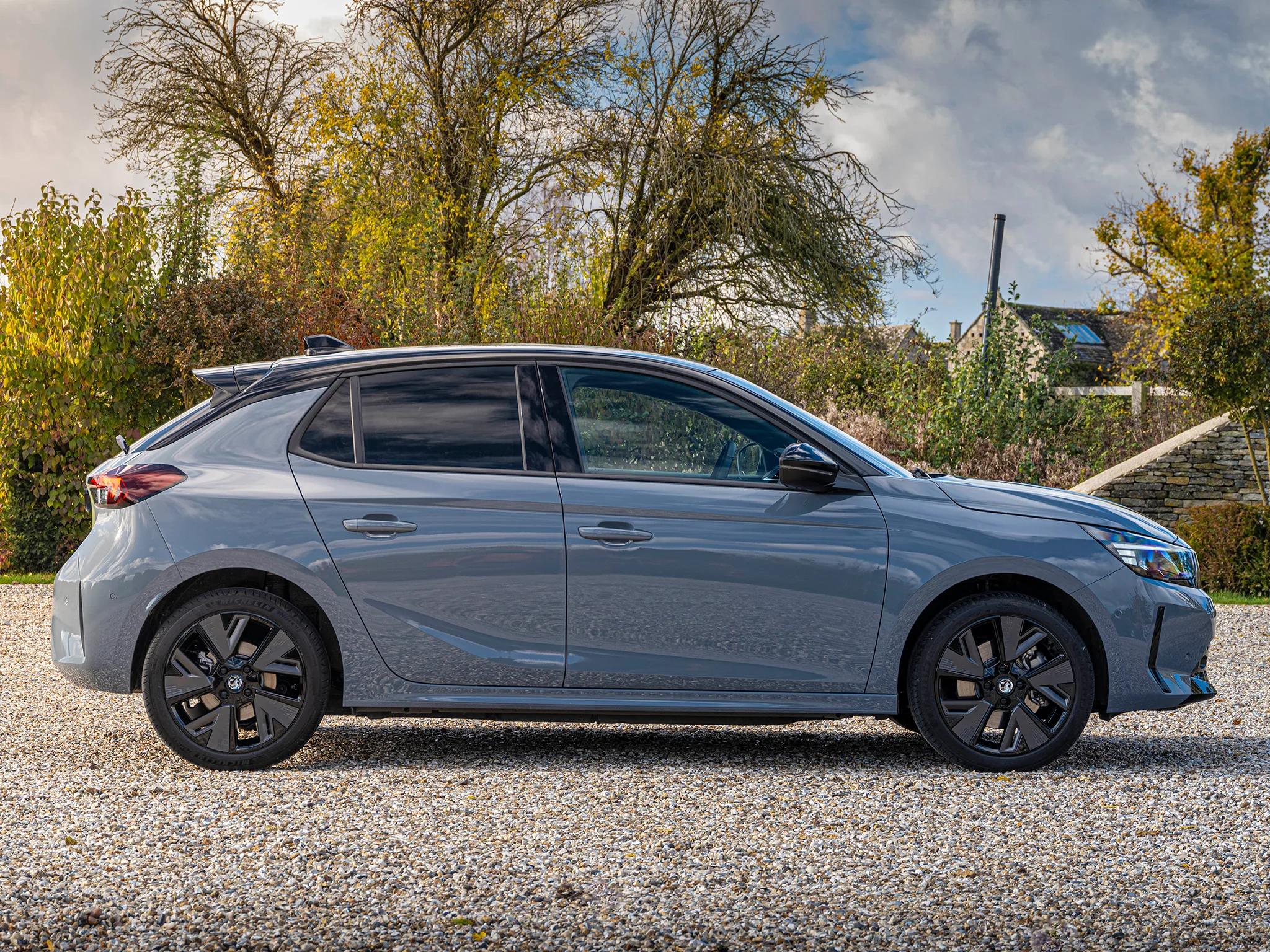
While it’s tempting to pass by the Vauxhall Corsa Electric in favor of the flashier electric vehicles that have emerged since its debut in 2019, this model still holds its own with some appealing qualities. Although it may not be the newest option on the market, it certainly has features worth considering.
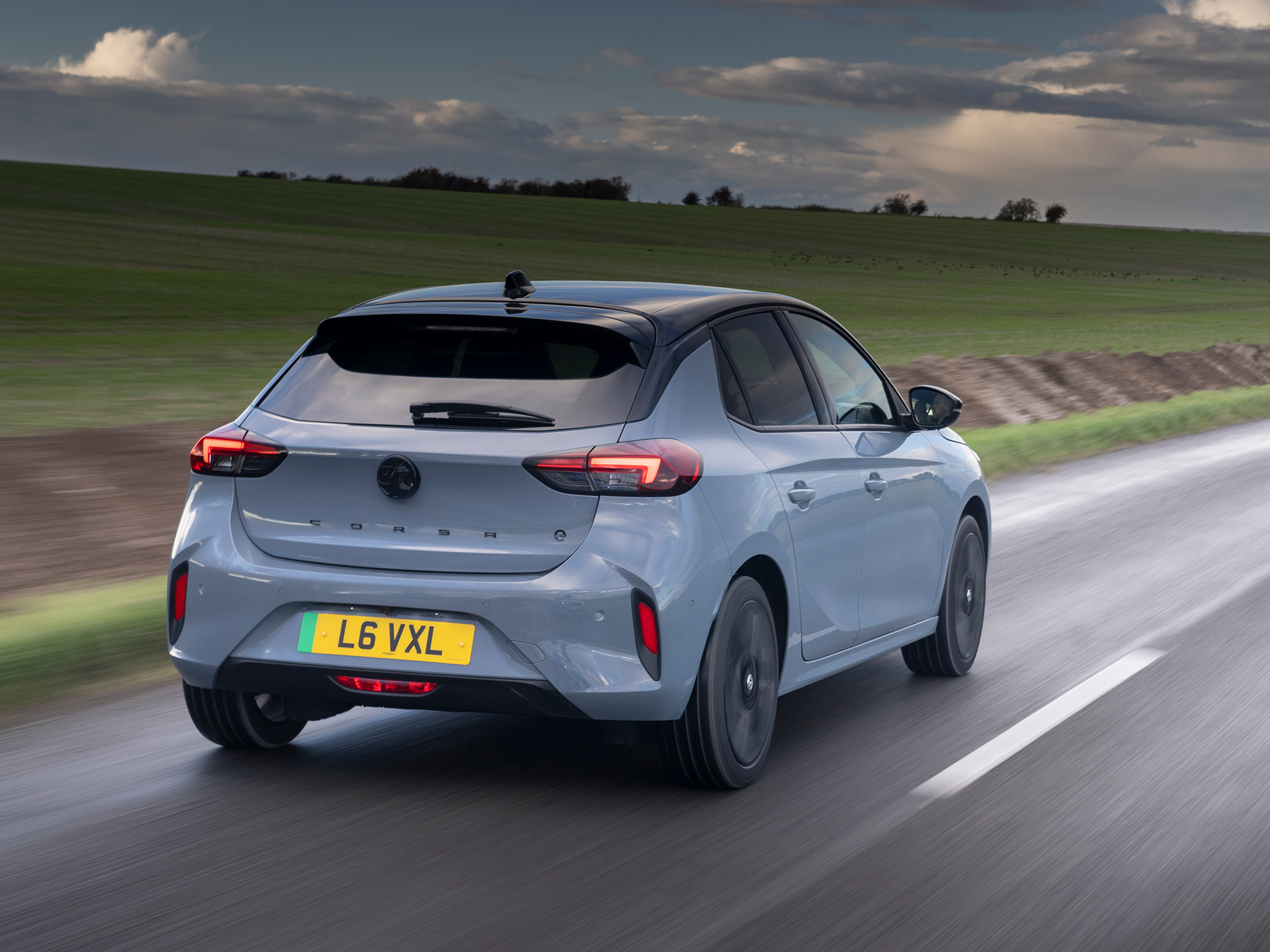
The Corsa Electric showcases commendable energy efficiency, with a real-world range of around 200 miles, which is adequate for the needs of most drivers. Its exterior benefits from a striking facelift in 2023, ensuring it remains visually appealing. Additionally, the car’s straightforward interior design and comfortable ride make it user-friendly.
Overall, the Corsa Electric serves as an economical and practical electric option. The most sensible purchases would be the less expensive, shorter-range variations, particularly the limited-edition Yes model, which stands out as one of the more affordable EV choices. In contrast, pricier versions compete with rivals that provide more space, range, and features for a similar cost.
Testing Process
I spent a week using the Corsa Electric as my primary vehicle, covering both city streets and rural roads while evaluating its practicality during a family trip to the coast.
The 2023 Vauxhall Corsa Electric showcases an enhanced electric motor (Vauxhall)
Independent rating: 6/10
Pros: Energy-efficient, enjoyable to drive, supports fast 100 kW charging
Cons: Some models are priced on the high side, modest interior, average range
Price range: £26,895-£38,585
Battery size: 50-51 kWh
Maximum claimed range: 248 miles
Miles per kWh: 3.8-4.3
Maximum charging rate: 100 kW
Charging cost per 100 miles on E.ON Drive Next: £1.60-£1.82 (Fixed v3) tariff
Battery, Range, Charging, and Performance
Along with some exterior styling refreshes in 2023, Vauxhall upgraded the electric motor and battery, enhancing both power and efficiency. While performance improvements are subtle, the new 115 kW motor paired with a 51 kWh battery – offered only in the higher trim levels – achieves a maximum official range of 248 miles. The older 100 kWh motor and 50 kWh battery configurations are still available across all trim levels, providing a maximum range of 221 miles. When compared to newer competitors like the Mini Cooper E, which offers a similar range, this figure is commendable. The charging capability of up to 100 kW also remains competitive.
Vauxhall claims that all versions of the Corsa Electric reach 0-62 mph in 8.2 seconds, making it relatively quick. With plenty of power on tap and a smooth driving experience, the Corsa boasts a ride quality that feels akin to larger vehicles on the road – it’s quiet and comfortable, though it may lack the spirited handling of some other compact hatchbacks.
Interior Comfort, Practicality, and Boot Space
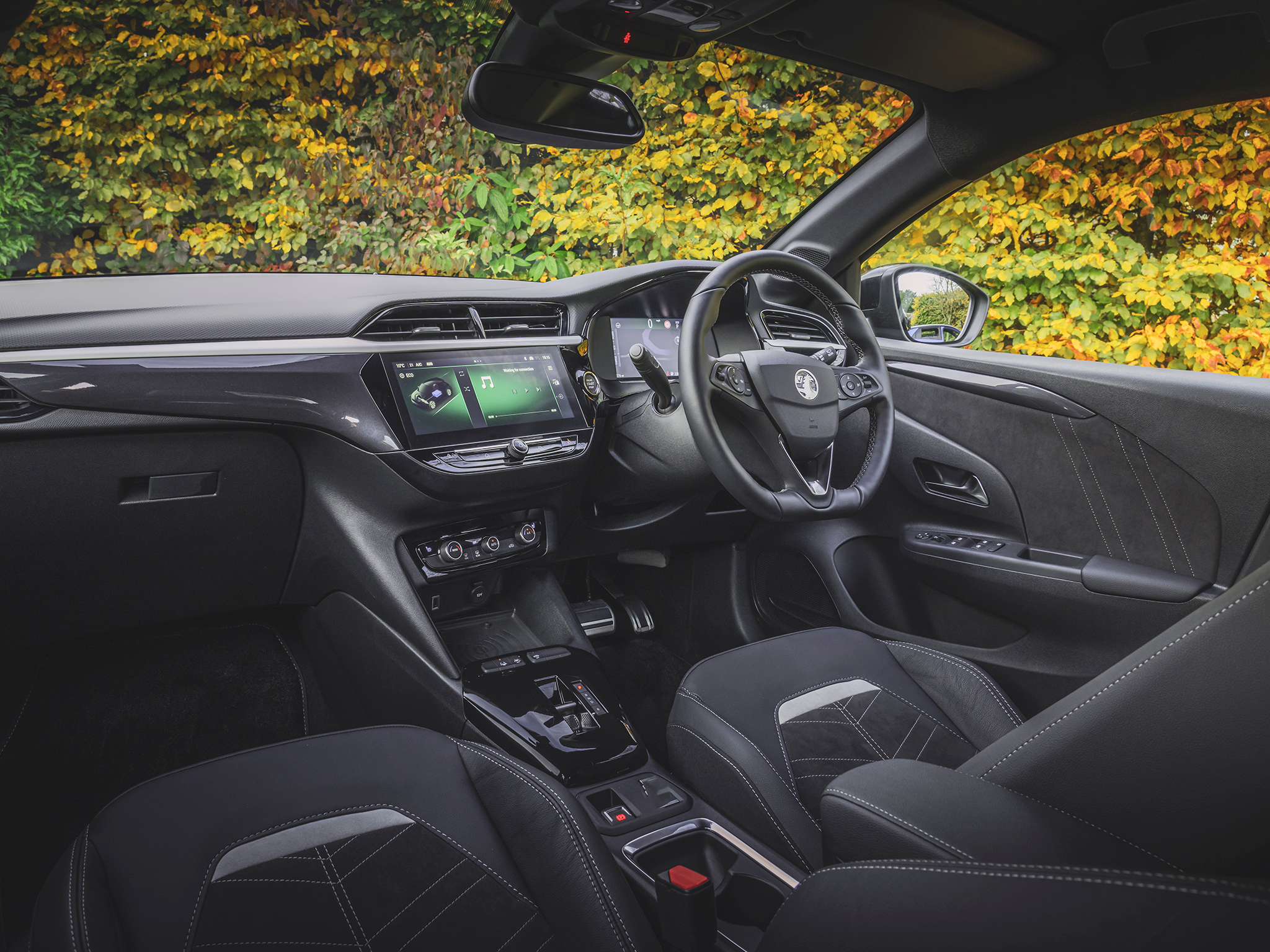
Describing the interior of the Corsa Electric, words like ‘practical’ and ‘durable’ come to mind. The focus here is on functionality, with robust materials and an uncomplicated layout that is easy to navigate. While this approach is commendable, it lacks the stylish or visually enticing elements found in competitors like the Mini Cooper E or Peugeot e-208, even if those may be less user-friendly.
As expected from a compact hatchback, front passengers enjoy a good amount of headroom and legroom, although rear-seat space is more limited. Taller passengers might find their knees quite close to the seat back in front of them. Furthermore, the boot capacity is somewhat below average for its segment, offering 267 liters, which is less than some competitors and 42 liters less than that of the gasoline-powered Corsa.
Vauxhall claims a consistent 0-62 mph time across all versions of the Corsa Electric at 8.2 seconds, showcasing its sprightliness (Vauxhall)
Technology, Audio, and Infotainment
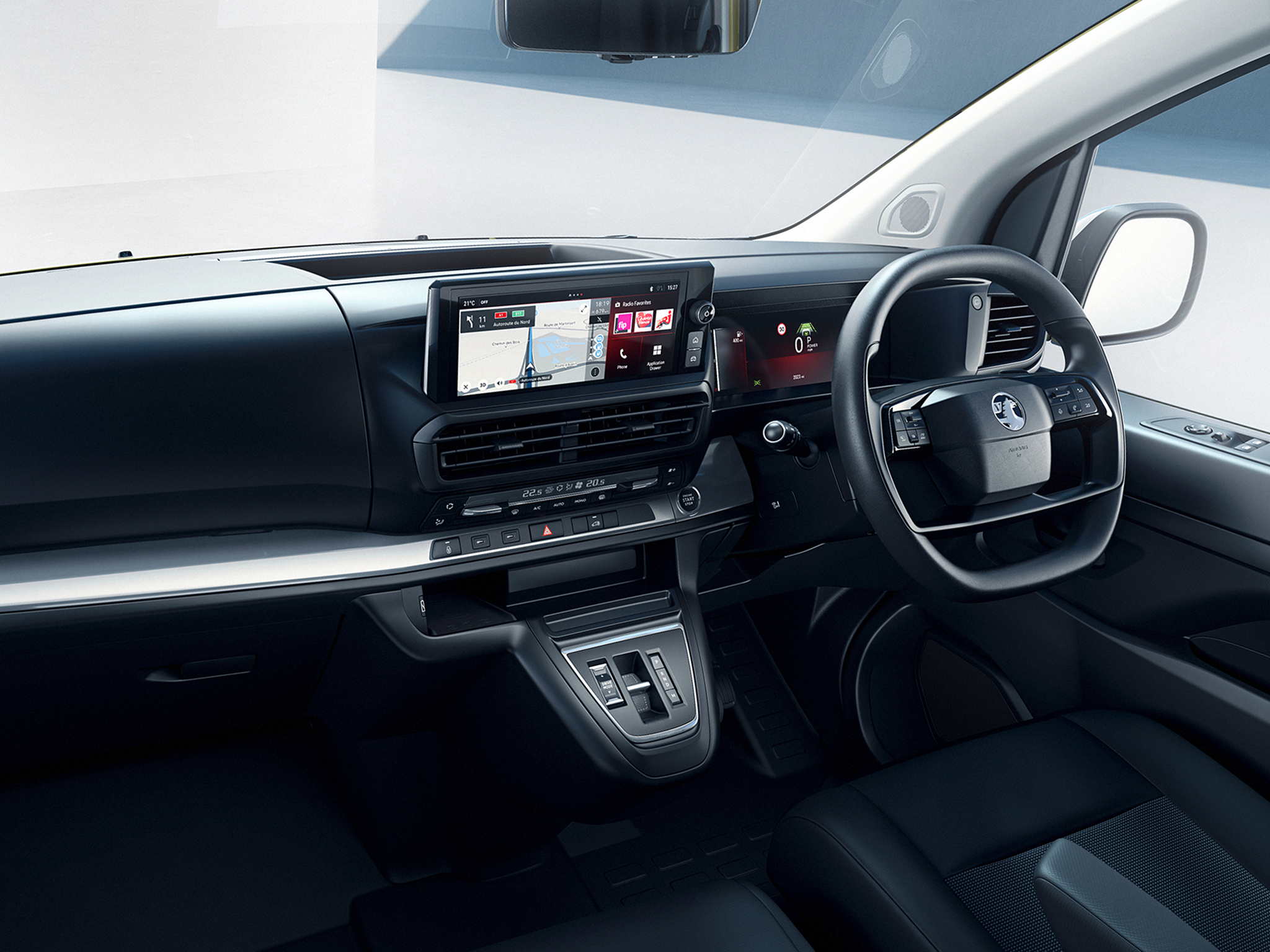
The 10-inch touchscreen standard across all Corsa Electric models is well-positioned at the center of the dashboard, ensuring ease of access from both the driver and front passenger seats. While the graphics lean towards clarity rather than flashiness, making the interface straightforward to use despite it not being the quickest in response compared to some modern EV options, it remains intuitive. Below the screen, you’ll find separate dials for the air conditioning, an appreciated feature that makes adjusting the temperature a simple task.
Every Corsa Electric model comes with a 7-inch digital driver display. Though it may not be the most attractive, it performs its function adequately. All trims include wireless compatibility for Apple CarPlay and Android Auto, as well as a six-speaker sound system. The higher-end trims – GS and Ultimate – boast additional conveniences like a rearview camera, wireless charging, and built-in navigation.
Pricing and Operating Costs
Value for money is often a major consideration for Vauxhall buyers, but many versions of the Corsa Electric may not feel like the best deals. Particularly, the two upper-spec models, with their extended ranges, are priced similarly to newer, larger competitors.
Opting for the more economical models proves to be more prudent. As of September 2024, the most affordable option is the limited-edition Yes model, exclusively available online. It shares features with the entry-level Design trim but is £5550 cheaper, retailing at £26,895. At this price point, the Corsa Electric ranks among the most budget-friendly electric vehicles available.
Operating costs remain low if your charging setup is in order, complemented by the energy efficiency of the Corsa Electric, with mileage per kWh ranging from 3.8 to 4.3.
The top-tier Vauxhall Corsa Electric belongs to the Ultimate trim (Vauxhall)
Competing Models
Frequently Asked Questions
What is the charging time?
According to Vauxhall, you can charge any model of the Corsa Electric from 0-80% in just 30 minutes with a 100 kW charger.
Is it worth its price tag?
The Yes edition is a strong contender due to being one of the least expensive new EVs available. However, the top-tier model comes with a price increase of nearly £12,000, and at that price point, you can find better alternatives.
Does Vauxhall offer free battery replacements?
The Corsa Electric’s battery warranty mirrors that of most electric vehicles, providing coverage for eight years or 100,000 miles, whichever comes first. Vauxhall will replace the battery if its capacity drops below 70% during this warranty period.
Final Thoughts on the Vauxhall Corsa Electric
Following the 2023 refresh that added useful battery range, the Corsa Electric remains a reliable choice. While it is a well-rounded vehicle, some variants may seem overpriced and it does feel slightly dated in certain aspects.
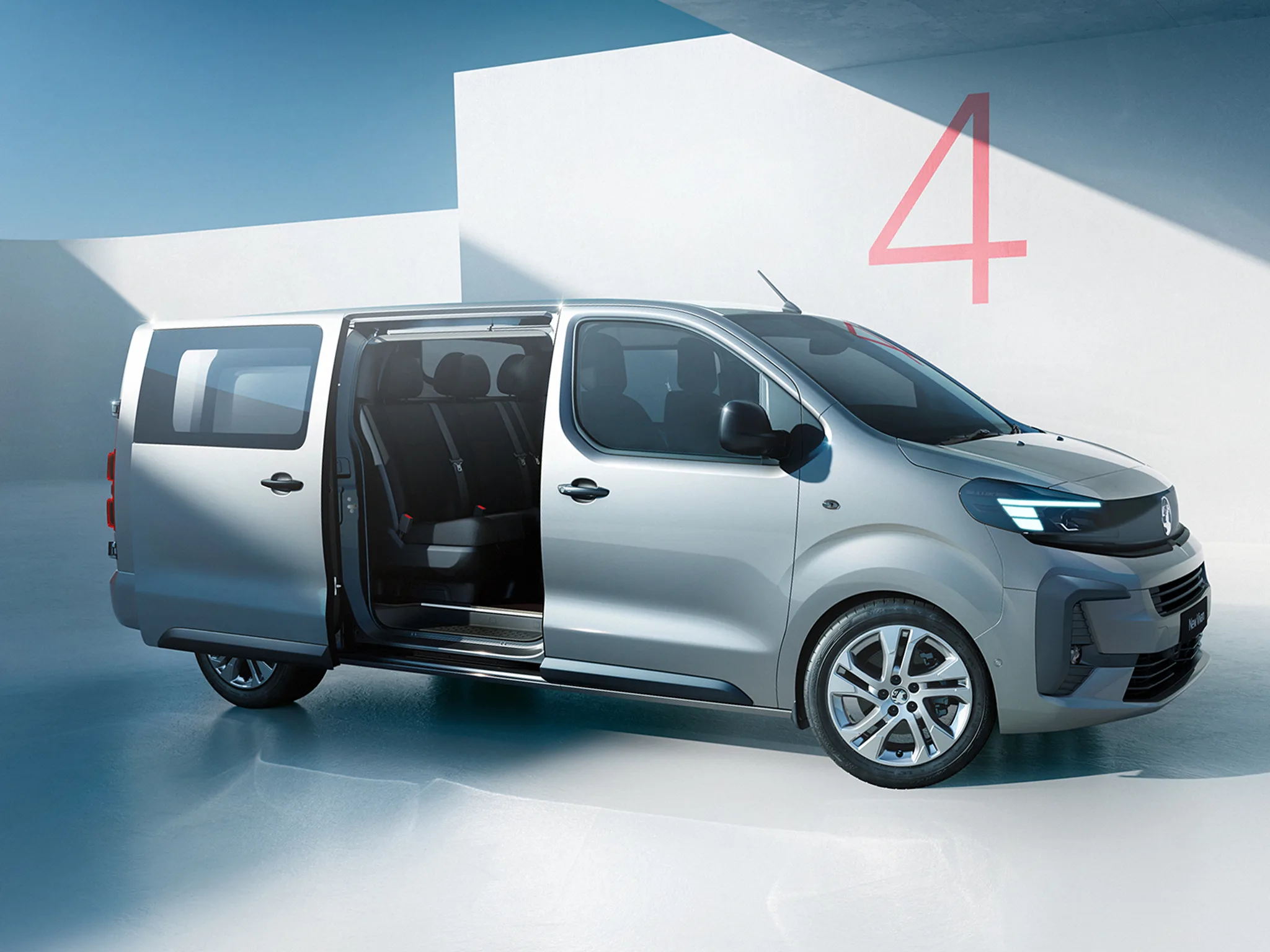
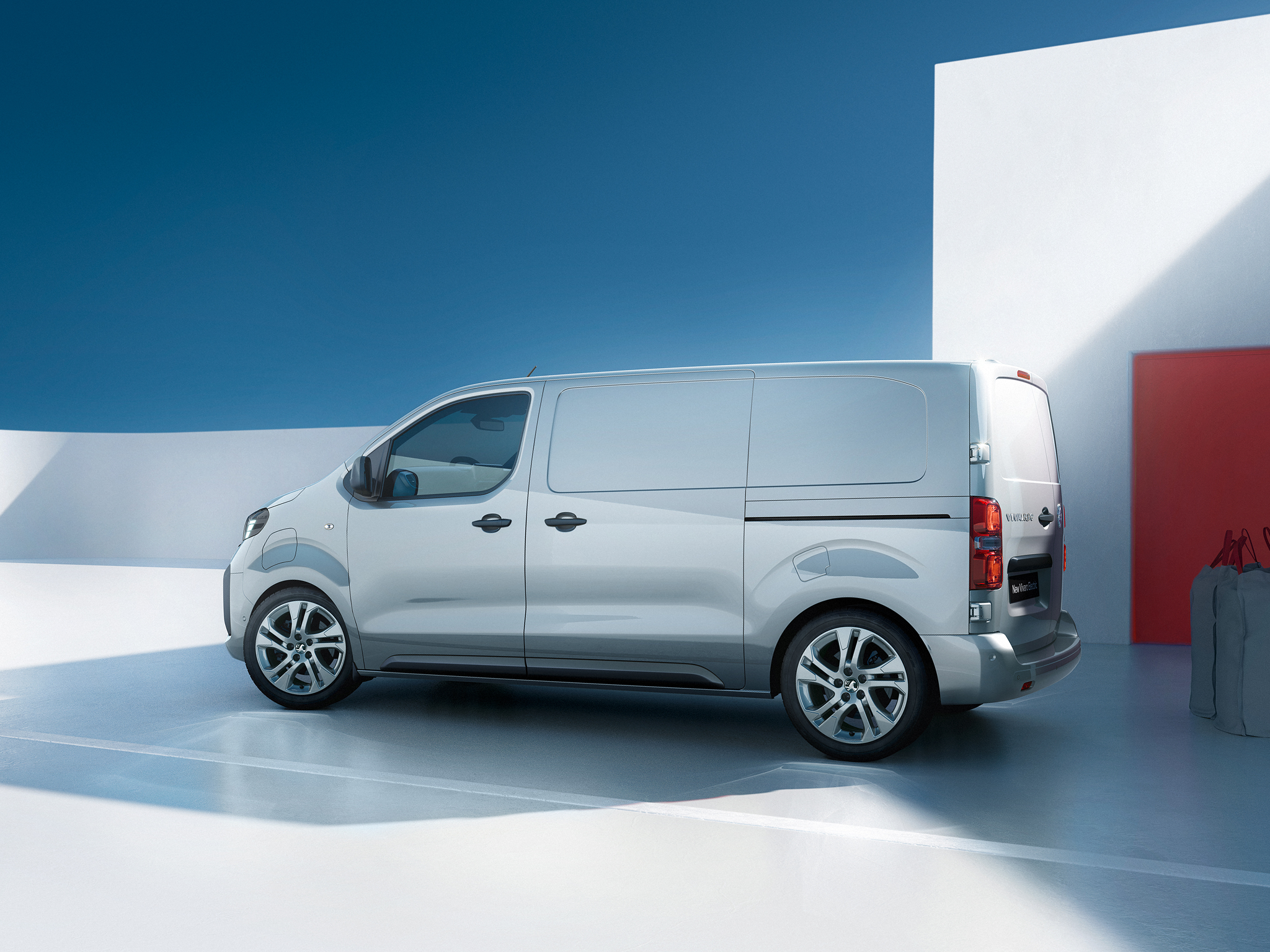
The Vauxhall Vivaro Life Electric is essentially a people-carrier that takes its form from a traditional van. By adding seats and windows to the standard Vivaro, it transforms into a spacious multi-purpose vehicle (MPV). Given that contemporary vans are quite enjoyable to drive, this design approach proves to be surprisingly effective, especially with the smoothness that comes with electric vehicle (EV) operation.
With a great view from its elevated driving position and the capacity to accommodate up to nine passengers—or substantial cargo space when some seats are removed—the Vauxhall Vivaro Life Electric outshines typical MPVs in practicality. While the interior design may feel a bit utilitarian, higher trims offer a more comfortable experience with features akin to those found in regular cars. The top-tier variant, the Ultimate model, even includes a luxurious full leather interior.
However, the Vauxhall Vivaro Life faces challenges with its aerodynamics, which adversely affect its driving range, particularly with the more budget-friendly 50kWh battery. Long-distance travel on highways can be less than ideal due to this concern. The optional 75kWh battery does offer enhancements but comes at a significantly higher price point. While the concept is commendable, further advancements in battery technology would be beneficial to enhance its overall performance.
Testing Insights
During my evaluation, I utilized this expansive people-carrier in everyday scenarios, including extensive motorway trips that highlighted its range limitations. Although it occupies a notable amount of space on the driveway, the roomy interior made it worthwhile. I even managed to complete some work tasks while in the vehicle!
The Vauxhall Vivaro Life Electric provides a selection of two batteries, achieving a maximum range of 217 miles (Vauxhall)
Independent rating: 6/10
Pros: Exceptionally spacious and versatile, surprisingly quiet and refined
Cons: Range limitations and costs associated with higher-end models
Price range: £39,190 to £56,330
Battery size: 50kWh, 75kWh
Maximum claimed range: 139-217 miles
Miles per kWh: 2.4
Maximum charging rate: 100kW
Charging cost per 100 miles on E.ON Drive Next: £2.81
Battery, Range, and Performance
The Vauxhall Vivaro Life Electric now features a selection of two battery options. The initial 50kWh variant is complemented by a more robust 75kWh version. The smaller battery offers a range of 139 miles, which is limited by its weight and less-than-ideal aerodynamics. In contrast, the larger battery extends the range to 217 miles.
However, real-world conditions are likely to yield lower ranges, which makes the smaller battery a less practical choice. The 75kWh battery allows for approximately 150 miles on a single charge, while an eco setting can help conserve energy further. Unfortunately, the 50kWh battery may struggle to cover even 100 miles, especially on highways. To address this, the vehicle’s top speed is capped at 81mph.
Charging options include compatibility with 100kW DC rapid chargers, which, although not the quickest option available, is certainly beneficial. Reaching 80 percent with the 50kWh battery can be accomplished in about 30 minutes, while charging the 75kWh battery from 5 to 80 percent typically takes around 45 minutes.
Performance isn’t a standout feature for this vehicle; reaching 62mph from a standstill takes 13.1 seconds. However, the instant torque from the electric motor gives a sense of speed. Additionally, the quiet operation devoid of diesel noise enhances the overall ride experience. The design grade offers better sound insulation whereas the Ultimate variant comes with thick carpeting for added comfort.
On the downside, the suspension can be a bit harsh, leading to a bumpy ride on uneven surfaces, particularly when the vehicle is unoccupied. The handling is softer, with slower steering reflecting its van-derived foundations.
The Vauxhall Vivaro Life Electric benefits from spacious storage thanks to its foundation as a van (Vauxhall)
Interior Space and Practicality
Inside the Vauxhall Vivaro Life Electric, space is abundant. The design reflects its van heritage, resulting in an interior that is functional yet lacks some of the luxury found in conventional people carriers.
The seats are positioned high, requiring a bit of effort to climb in. However, the large front windows facilitate exceptional visibility, resembling that of an SUV. Base Combi models feature a three-seat front bench, while the Design and Ultimate grades provide two individual front seats.
In total, Vauxhall Vivaro Life Combi models can accommodate as many as nine passengers across three rows, with sliding rear side doors easing access. The Design and Ultimate trims reduce the capacity to eight and even six in the Ultimate with a VIP pack, which offers captain-style chairs for each passenger.
This flexible seating setup is incredibly practical, especially in the Design trim and above, thanks to the 60/40 split-fold middle bench and foldable third-row seats. This configuration allows for easy adjustment of luggage space based on how many passengers are on board. Overall, there’s an impressive amount of boot space available in this vehicle.
Technology and Infotainment Features
The technology in the entry-level Vauxhall Vivaro Life Electric Combi is quite basic. Standard features include air conditioning, an electronic handbrake, and power windows; however, features like powered door mirrors are limited to the Design trim and higher. The standard model lacks even wheel covers or body-colored bumpers.
Nevertheless, the vehicle comes with a 10.0-inch touchscreen that integrates Apple CarPlay. This infotainment system is consistent across all three variants, with the Ultimate variant featuring additional Vauxhall Connect sat nav. It also boasts a premium Tosca sound system with multiple speakers positioned throughout the cabin for an enhanced audio experience.
The lavish Ultimate model includes advanced features like front and rear parking sensors, a blind-spot monitoring system, climate control, and rear air conditioning with separate roof controls for temperature and airflow, which passengers will certainly appreciate. Notably, the driver can even open the rear sliding doors for convenience.
Pricing and Fees
The entry-level Vauxhall Vivaro Life Electric Combi comes with a competitive starting price, but the basic equipment can feel too utilitarian for a modern people carrier. Upgrading to the 75kWh battery adds approximately £5,500, with Design trim introducing an additional £5,600—resulting in an effective starting price of around £50,000. The extended XL models, which offer extra space, are only £900 more.
While insurance rates are expected to be reasonable, charging at home proves to be significantly cheaper than refueling with diesel. Furthermore, Vauxhall offers generous service intervals of 25,000 miles, aiding high-mileage users in keeping maintenance costs manageable.
The Vauxhall Vivaro Life Electric Combi is competitively priced at the entry level (Vauxhall)
Competitors to the Vauxhall Vivaro Life Electric
Ford e-Tourneo Custom
Peugeot e-Traveller
Citroen e-Spacetourer
Frequently Asked Questions
How long does charging take?
Using a DC rapid charger, the Vauxhall Vivaro Life Electric can charge from 0 to 80 percent in as little as 30 minutes.
Is it worth the cost?
The initial pricing for the entry-level Vauxhall Vivaro Life Electric is quite appealing, but for practicality and efficiency in real-world use, the more advanced models are pricier. However, the overall value for the features offered in this EV remains substantial.
Does Vauxhall provide battery replacement at no charge?
Vauxhall offers an eight-year warranty on the battery of the Vivaro Life Electric, applicable for up to 100,000 miles.
Final Thoughts: Vauxhall Vivaro Life Electric
The concept of an electric people carrier derived from an expansive van is a brilliant idea, allowing for the transportation of many passengers and their belongings with zero emissions. However, the Vauxhall Vivaro Life Electric highlights the need for improvements in its range capabilities for it to achieve its full potential.