الوسم: elderly

  • Statins Could Delay Physical Aging in Seniors

    Statins Could Delay Physical Aging in Seniors

    Credit: Unsplash+

    When people hear about statins, their first thought usually revolves around cholesterol. For years, doctors have prescribed these medications to help lower cholesterol levels and reduce the risk of heart attacks and strokes.

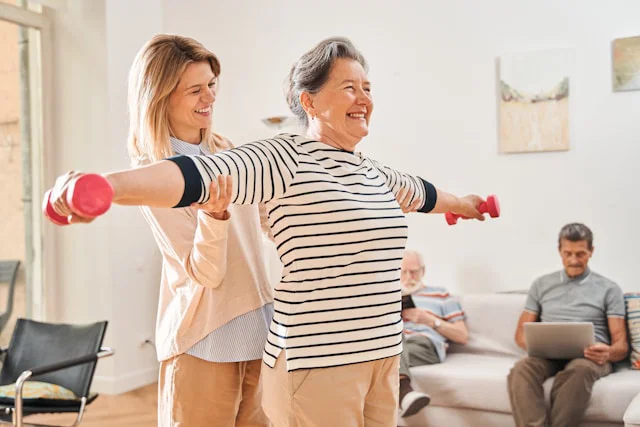
    However, a recent significant study indicates that statins might offer another crucial benefit that could assist millions of older adults.

    Researchers have discovered evidence suggesting that starting statin therapy may decrease the likelihood of developing frailty—a condition that often strips seniors of strength, mobility, and independence.

    Frailty is one of the biggest health challenges faced by aging populations. It isn’t just feeling older or moving slower; it’s a complex condition characterized by muscle weakness, exhaustion, sluggish movement, decreased physical activity, and diminished ability to bounce back from illness or injury.

    Individuals experiencing frailty might find tasks like climbing stairs, carrying groceries, or standing from a chair more difficult. They’re also at a higher risk of hospitalization following infections, falls, or other health issues. In severe cases, frailty can lead to disability, nursing home placement, and a lowered overall quality of life.

    Despite its significance, there are currently no approved medicines specifically aimed at preventing frailty, making it a primary focus for researchers interested in aging healthily.

    A team at Mass General Brigham decided to explore whether statins could play a role in preventing this condition. It’s known that statins have effects beyond lowering cholesterol: they can reduce inflammation, enhance blood vessel function, and influence biological processes linked to aging.

    To examine the potential connection between statins and frailty, researchers reviewed health records from the U.S. Veterans Affairs health system. This massive study involved nearly one million veterans, making it one of the largest investigations of its kind.

    The study tracked 987,301 veterans, all aged 67 or older. At the beginning, none of them were considered frail, nor were they on statin therapy.

    Over time, some participants started using statins while others did not. The researchers then monitored the development of frailty using a validated Veterans Affairs Frailty Index, which assesses various health and physical functioning factors.

    The average follow-up period was 5.3 years. During this time, more than 636,000 veterans developed frailty, and roughly 291,000 began taking statins.

    After adjusting for multiple health-related influences—such as smoking, BMI, age, sex, race, and existing health conditions—the team found a notable difference: those who started taking statins had a 24% reduced risk of becoming frail compared to those who didn’t.

    This protective effect was consistent across different groups, including the oldest participants and those with chronic illnesses like arthritis, diabetes, dementia, and heart disease.

    Interestingly, even individuals showing early signs of frailty benefited from statin use, suggesting that intervention could be advantageous even after initial physical decline has set in.

    The researchers believe that inflammation might be a key factor linking statin use to reduced frailty risk. Chronic inflammation is increasingly recognized as a major contributor to many age-related conditions, damaging muscles, vessels, organs, and other tissues over time.

    Because statins have anti-inflammatory effects, they may help slow down the biological aging processes that lead to weakness and decline. This insight also explains why frailty and cardiovascular disease often occur simultaneously, sharing common risk factors.

    Senior author Dr. Ariela Orkaby pointed out that both frailty and heart disease seem to involve similar biological pathways. Targeting these could potentially diminish the risk of both conditions at once.

    This research offers hope because statins are already widely used, affordable, and well-known among healthcare providers worldwide. If future studies confirm these results, clinicians could have a practical method for supporting older adults in maintaining activity levels and independence longer.

    Nonetheless, many questions remain. Since this was an observational study, it cannot definitively establish that statins directly reduce frailty risk.

    People on statins might differ in other important ways that influence health outcomes. To establish causality, randomized clinical trials are necessary to determine whether statins genuinely prevent frailty and to identify those most likely to benefit.

    Despite its limitations, this study’s large size, long follow-up, and detailed analysis make its findings persuasive. The results align with existing understanding of inflammation, aging, and cardiovascular health.

    While promising, these results should be viewed as preliminary until confirmed by future clinical trials. However, they open the door to exploring whether a medication initially designed for heart health could also help sustain physical independence, improve quality of life, and delay elderly decline.

    If muscle health is a concern, it’s worth exploring studies on factors that cause muscle weakness in seniors and scientific advances in reversing high blood sugar and muscle loss.

    For more insights, check recent research on simple, affordable ways to support muscle health and which vegetables are essential for muscle strength.

    This research was published in the European Heart Journal.

    Source: Mass General Brigham.

  • Why Older Adults Continue Using Risky Brain-Altering Drugs

    Why Older Adults Continue Using Risky Brain-Altering Drugs

    Medications that influence the brain, such as antipsychotics and certain sleep aids, are commonly prescribed to older adults. These drugs can sometimes effectively manage symptoms like anxiety, sleep disturbances, or agitation. However, they also carry the risk of serious side effects, particularly in individuals with memory issues or dementia.

    A recent study conducted by researchers at UCLA reveals that many of these medications are initiated in hospitals, emergency rooms, or nursing homes instead of through routine visits to a doctor’s office. The findings, published in JAMA Network Open, focused on adults aged 66 and older and utilized data from the nationwide Health and Retirement Study, linked with Medicare records. This enabled researchers to analyze when and where individuals first received prescriptions for drugs that impact cognition and memory.

    The study primarily examined four categories of medications: benzodiazepines (used for anxiety and sleep), nonbenzodiazepine sleep medications, antipsychotics, and anticholinergics. All of these can affect mental function and may cause side effects like confusion, falls, or sudden mental decline—especially among senior populations.

    A noteworthy discovery was that a significant number of these drugs were first prescribed in acute or post-acute care environments, including emergency departments, hospitals, and skilled nursing facilities. This was unexpected, as many presume prescriptions begin in outpatient doctor visits. The study highlighted that seniors with dementia are particularly prone to receiving these medications in such settings, with approximately 22% of them starting a drug in hospitals or similar environments. Even among seniors without memory issues, about 14% received these prescriptions in acute care settings.

    Furthermore, the research found that once initiated, many patients remained on these medications for extended periods. More than half of those with dementia continued using the drugs after one year, indicating these medications often become part of long-term treatment plans, even if originally prescribed for short-term use. This trend raises concerns, as older adults with cognitive impairment are more susceptible to adverse effects, such as falls, confusion, and increased hospitalizations.

    The study emphasizes that hospitals and care facilities represent critical points where prescribing practices can be improved. By being more cautious during these encounters, healthcare providers could significantly reduce unnecessary and potentially harmful medication use in vulnerable seniors. The findings also underscore a broader issue: prior research has shown that many prescriptions for drugs affecting brain function lack clear justification, suggesting some patients may be on these medications without solid evidence of necessity.

    Limitations of the study include the assumption that the patient’s last healthcare visit was the setting where the medication was first prescribed, which might not always be accurate. Further research is needed to uncover the rationale behind these prescribing decisions.

    Overall, the evidence demonstrates that the setting of care delivery heavily influences prescribing behaviors. Given the sizable sample and real-world data, these findings are reliable, although some uncertainty remains regarding the exact reasons these medications are so frequently prescribed in specific environments.

    In conclusion, targeting hospitals and nursing facilities as focal points for intervention could be instrumental in reducing unnecessary exposure to risky medications. Improving prescribing practices in these settings has the potential to greatly enhance patient safety for older adults, especially those with dementia.

  • Texas Jewelry Raids Reveal Elderly Fraud Scheme

    Texas Jewelry Raids Reveal Elderly Fraud Scheme

    Raids conducted simultaneously at two jewelry stores in Irving and Frisco, part of the Dallas-Fort Worth area in Texas, mark the climax of a year-long investigation by the Collin County Sheriff’s Office into a large-scale financial fraud targeting seniors.

    Law enforcement reports indicate the operation involved multiple agencies at federal, state, and local levels. The efforts focused on Tilak Jewellers in Irving and Saima Jewellers in Frisco. CBS News Texas gained exclusive access to the coordinated effort, which saw dozens of officers executing search warrants.

    Authorities suspect the stores engaged in dealings involving gold obtained through deceptive schemes aimed at elderly clients. Significant amounts of gold and cash were recovered and transported in armored vehicles due to their high value.

    Sheriff Jim Skinner made it clear that any attempts to scam residents would not be tolerated, emphasizing the particular vulnerability of senior citizens, many of whom delay reporting crimes out of fear or shame. Through methodical and persistent investigation, officials dismantled what they described as a structured criminal network.

    The scheme victimized around 200 seniors over age 65 in Collin County, with losses exceeding $7 million locally. Across Texas, the total estimated financial damage approaches $55 million. Currently, over $400,000 has been returned to victims, with additional restitution anticipated from the sale of seized assets.

    Five individuals have been arrested as a result of the operation: Pranjal Jigneshkumar Patel, Simarjeet Singh Gill, Satish Amrutlal Kumar Patel, Arpit Desai, and Radhakrishna Yerramneni. According to court records, some suspects face formal charges of elder financial exploitation and large-scale theft, while other cases are pending grand jury review under organized crime statutes.

    All of the suspects are reported to be of Indian descent, though authorities have not publicly linked nationality to criminal activity. Some suspects have immigration detainers on file, indicating federal agencies are involved in monitoring the case. No federal indictments have been announced yet.

    The investigation remains active, with authorities expecting further developments in the coming days, including possible additional arrests and charges. This operation is being hailed as one of the most significant actions to combat financial crimes targeting senior citizens in Collin County, representing a major success for law enforcement.

  • Indonesian Nursing Home Fire Claims 16 Lives: Official Report

    Indonesian Nursing Home Fire Claims 16 Lives: Official Report

    A fire at a nursing home on Indonesia’s Sulawesi island resulted in over a dozen fatalities, with three individuals sustaining burns, according to a local official Monday. Firefighters responded to the blaze around 8:31 p.m. Sunday at a care facility in Manado, the capital of North Sulawesi province, stated Jimmy Rotinsulu, head of the city’s fire and rescue service.

    “Sixteen people died; three suffered burn injuries,” he told AFP. Many victims’ bodies were discovered inside their rooms, with Jimmy noting that most elderly residents were probably resting in their rooms at the time the fire started.

    Authorities successfully evacuated 12 residents—who were unharmed—and transported them to a nearby hospital. Local broadcaster Metro TV broadcast footage showing the fire consuming the facility while community members helped evacuate an elderly person.

    Incidents like this are not uncommon in Indonesia, a Southeast Asian archipelago with more than 17,000 islands. Recently, a seven-story office building in Jakarta was gutted by a fire that claimed at least 22 lives. In 2023, at least 12 people died in the eastern part of the country following an explosion at a nickel processing plant.