الوسم: digital camera

  • First Stunning Images From World’s Largest Digital Camera

    First Stunning Images From World’s Largest Digital Camera

    In a significant milestone for astronomy, the NSF–DOE Vera C. Rubin Observatory in Chile has released its inaugural images, highlighting the extraordinary potential of its advanced 3,200-megapixel digital camera—currently the largest in existence.

    This impressive $800 million facility, a decade in the making, represents a remarkable advancement in the field of astronomical research and exploration. Located at an elevation of 8,684 feet on Cerro Pachón, adjacent to the Atacama Desert, the observatory enjoys an arid and remarkably stable atmosphere, ideal for observing the cosmos.

    The breathtaking images captured during a trial phase that commenced a couple of months ago include stunning views of the Trifid Nebula and the Lagoon Nebula, both of which are stellar nurseries situated thousands of light-years from Earth. These visuals were obtained from 678 individual exposures taken over a span of seven hours, revealing intricate details and vibrant colors that were previously unseen.

    “The NSF–DOE Rubin Observatory will gather more data about our universe than all optical telescopes have throughout history,” stated Brian Stone, acting director of the NSF. “This extraordinary scientific facility will help us delve into many cosmic mysteries, including the elusive dark matter and dark energy that fill our universe.”

    The Rubin Observatory is gearing up to initiate the Legacy Survey of Space and Time (LSST), a ten-year project expected to kick off later this year. Its ambitious goal is to map the entire southern sky every three to four nights. The result will be an ultra-wide, ultra-high-definition time-lapse record that promises to deliver countless scientific breakthroughs. “These images will unveil asteroids and comets, pulsating stars, exploding supernovae, distant galaxies, and possibly even cosmic phenomena never before observed,” announced the Rubin Observatory.

    In just its first ten hours of observation, the Rubin Observatory has already made impressive discoveries, including the identification of over 2,100 previously unnoticed asteroids, while simultaneously capturing millions of galaxies and stars from the Milky Way.

    Sandrine Thomas, the deputy director of Rubin Construction and associate director of Rubin Observatory for Summit Operations, expressed her excitement about sharing these initial images with the world. “We are thrilled,” she said. “This is a proud moment for our entire team. Although we have several crucial months of testing and commissioning ahead, every bit of knowledge we gain brings us closer to commencing full scientific operations later this year. Today marks just the beginning.”
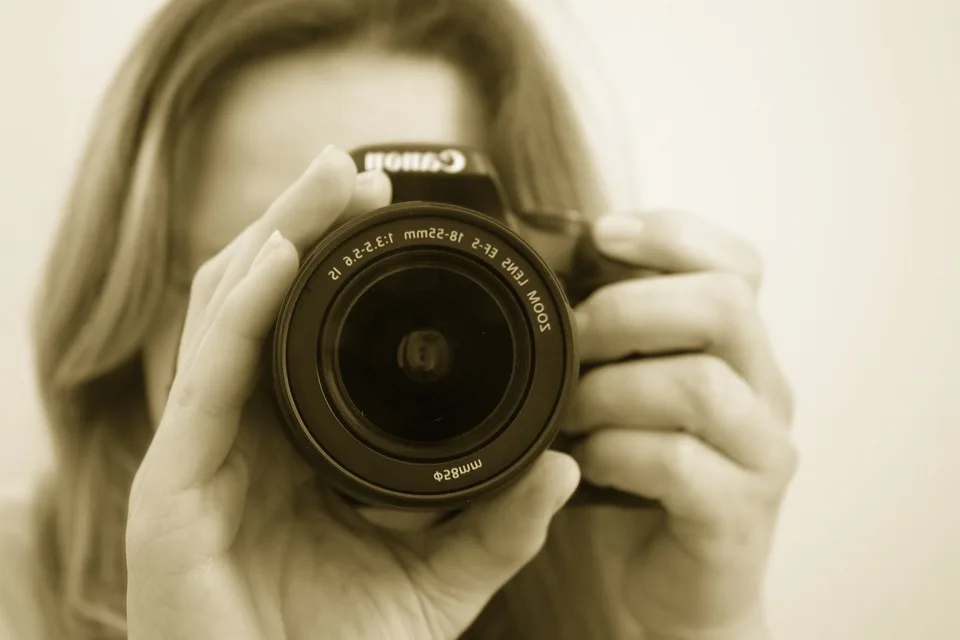


  • What Can a Digital Camera Do?

    Digital cameras have revolutionized the way we capture and share our moments. From family gatherings to stunning landscapes, these devices serve multiple functions that go beyond simple photography. Understanding the capabilities of a digital camera can help both beginners and seasoned photographers make the most of their gear.

    Basic Functions of a Digital Camera

    At its core, a digital camera is designed to take photos. However, it comes equipped with various features that enhance your photography experience.

    Image Capture

    • High-Resolution Photos: Digital cameras can capture images in varying resolutions, with modern models offering thousands of pixels for intricate detail.
    • Video Recording: Many digital cameras support video recording at multiple frame rates, allowing creators to produce high-quality content.

    Lens Variety

    • Interchangeable Lenses: Digital cameras, especially DSLRs and mirrorless models, allow users to swap out lenses depending on the shooting situation.
    • Specialty Lenses: Wide-angle, macro, and telephoto lenses enable diverse photographic styles and perspectives.

    Advanced Features

    Digital cameras come packed with features that cater to different levels of expertise.

    Manual Control

    • Shutter Speed: Photographers can adjust shutter speed to control how motion is captured, whether it’s freezing fast action or creating motion blur.
    • Aperture Settings: Adjusting the aperture allows for a change in depth of field, affecting how much of the photograph is in focus.

    Image Processing

    • Built-in Filters: Many cameras offer filters that can be applied to photos for creative effects without needing post-processing.
    • RAW Format: Shooting in RAW provides greater flexibility in editing, allowing adjustments in exposure, color, and detail without degrading image quality.

    Connectivity Features

    The modern digital camera often includes numerous connectivity options to make sharing images easier and faster.

    Wireless Sharing

    • Wi-Fi and Bluetooth: These features allow direct transfer of images to smartphones, tablets, or computers, streamlining the sharing process.
    • Cloud Storage: Some cameras can back up images automatically to cloud storage services, ensuring you never lose a photo.

    Remote Shooting

    • Smartphone Control: Many cameras can be controlled via a companion app, giving photographers the ability to shoot remotely.
    • Live View Streaming: Certain models can stream live video, making them suitable for events and online presentations.

    Creative Tools

    To enhance the creative process, digital cameras have built-in tools specifically designed for artistic expression.

    Editing Capabilities

    • Creative Modes: Options like panorama, HDR, and timelapse are pre-set modes that simplify complex shooting techniques.
    • In-Camera Editing: Some cameras allow for cropping, rotating, and basic adjustments right after taking the photo.

    Exposure and Lighting Adjustment

    • Histogram Displays: These visual tools help photographers gauge exposure levels, ensuring well-balanced photos.
    • Flash Options: Built-in and external flash units can enhance low-light photography, providing more depth and clarity.

    Specialized Modes

    For specific tasks, digital cameras offer specialized modes that cater to various shooting conditions.

    Scene Modes

    • Portrait, Landscape, Night, Sports: These presets adjust settings automatically to optimize for different environments and subjects.

    Focus Modes

    • Single AF and Continuous AF: Different autofocus modes help achieve sharp focus on still subjects or moving objects, vital for action shots.

    Exposure Compensation

    • Manual Overrides: Photographers can adjust what the camera’s sensor deems “correct” exposure, allowing for artistic control over highlights and shadows.

    Conclusion

    A digital camera is more than just a tool for capturing images; it’s a multifunctional device that allows for creative expression, technical experimentation, and seamless sharing. Whether you are an amateur photographer or a professional, understanding what a digital camera can do opens up a world of possibilities for your photographic journey.

  • Which digital camera is the best to buy?

    Which digital camera is the best to buy?

    In today’s world, capturing memories and moments has never been easier with the advancement of technology. However, with so many options available, choosing the best digital camera can be daunting. Whether you’re a beginner, a hobbyist, or a seasoned professional, the right camera can make a world of difference in how your images turn out. Below, we break down some of the top options on the market and what makes them stand out.

    Factors to Consider When Choosing a Digital Camera

    Before determining which digital camera is the best for your needs, it’s essential to consider several key factors:

    1. Purpose of Use

    • Casual Photography: If you’re looking to capture family events or vacations, a simple point-and-shoot camera may suffice.
    • Travel Photography: You might want a lightweight, portable camera with good zoom capabilities.
    • Professional Use: For those in creative fields, consider DSLRs or mirrorless cameras for flexibility and high-quality images.

    2. Sensor Size

    • Full-Frame Sensors: Offer superior light sensitivity and depth of field control, ideal for professionals.
    • APS-C Sensors: Common in consumer DSLRs; they provide a good balance between image quality and size.
    • Micro Four Thirds: Smaller sensors, typically found in compact and mirrorless cameras, provide great portability.

    3. Megapixels

    • Higher megapixels aren’t always better, but they are crucial for large prints or extensive cropping. Most enthusiasts find 16-24 megapixels adequate for high-quality images.

    4. Features and Connectivity

    • Image Stabilization: Helps reduce blur, especially in low-light conditions.
    • Wi-Fi/Bluetooth: Facilitates easy sharing and remote control from smartphones.
    • 4K Video Capability: Important if you plan to shoot videos alongside photos.

    5. Budget

    • Set a price range. Entry-level cameras can start around $300, while professional models can exceed $2,000.

    Top Digital Cameras of 2023

    Here are some of the leading digital cameras categorized by type and user experience:

    Best Point-and-Shoot Camera

    Sony Cyber-shot RX100 VII

    • Key Features:

      • 20.1 MP sensor
      • 24-200mm zoom lens
      • Fast autofocus with 357 phase-detection points
      • 4K video recording
      • Compact size
    • Why It Stands Out: This camera is perfect for travel and casual photography, offering exceptional image quality in a small package.

    Best Mirrorless Camera

    Canon EOS R6

    • Key Features:

      • 20 MP full-frame sensor
      • Dual Pixel autofocus
      • In-body image stabilization
      • 20 frames per second shooting speed
      • Excellent low-light performance
    • Why It Stands Out: A favorite among enthusiasts and professionals, the EOS R6 combines speed with stunning image quality.

    Best DSLR

    Nikon D7500

    • Key Features:

      • 20.9 MP APS-C sensor
      • 8 frames per second shooting speed
      • 4K UHD video recording
      • Excellent ISO performance
      • Durable build quality
    • Why It Stands Out: The D7500 is versatile and offers a range of shooting options suitable for both beginners and advanced photographers.

    Best for Vlogging

    Sony ZV-1

    • Key Features:

      • 20.1 MP 1-inch sensor
      • Flip-out touchscreen
      • Excellent autofocus system
      • Built-in ND filter
      • Compact design tailored for creators
    • Why It Stands Out: Designed specifically for content creators, the ZV-1 includes features like a high-quality microphone and simple background blur settings.

    Essential Accessories for Your Digital Camera

    Once you’ve selected your camera, don’t forget to invest in accessories that enhance your photography experience. Here are some essentials:

    Lens Filters

    • Protects the lens
    • Improves color and contrast

    Tripod

    • Stabilizes shots for long exposures
    • Allows for greater composition control

    Extra Batteries and Memory Cards

    • Ensures you don’t run out of power or storage during shooting sessions

    Camera Bag

    • Provides protection and organization for your gear

    Cleaning Kit

    • Keeps your lenses and sensor free from dust and smudges

    By considering your photography needs and preferences, along with the factors and options outlined above, you can confidently choose the digital camera that best suits you. With the right equipment in hand, you can embark on your photographic journey, ready to capture and share unforgettable moments.