Paralives introduces a new simulation where you can build a different life, complete with various skills and goals to help you find happiness in a small countryside town. No two characters are the same, and a story-driven guide will help you explore all the possibilities at your fingertips.
Part of this experience involves learning skills that can boost your career or simply expand your hobbies. For example, we’ll explain how the music skill functions and the different instruments you can learn to play at home or out in the community.
Paralives is currently in Early Access, so some details might change. We will keep updating this guide as needed.
What Is The Music Skill?
The music skill is a general skill that affects all individual instrument skills. Improving this skill requires a positive attitude, since your characters only earn skill points when practicing other talents if they are in a good mood.
You can also increase the music skill passively while sleeping if you have a parkour-making perk that allows for dreaming perks.
This skill influences how fast your characters get better at playing their instruments, no matter what instrument they are using.
How To Improve the Guitar Skill
You can buy a guitar from the build or buy menu and place it in your home. When your characters play it, they stand up and gradually improve their guitar and overall music skills.
How To Improve the Piano Skill
If buying a piano isn’t an option, your characters can play the piano located in town, near the library in a gazebo. Playing in public not only boosts the skill, but also gives you a chance to share your music with neighbors.
How To Improve the Triangle Skill
You can buy a triangle at a much lower price than other instruments. This simple instrument is a great beginner option for your musical journey and adds some variety to the usual set of instruments in life simulation games.
Paralives allows you to start fresh with a new home and build a family from scratch. You have full control over every choice, from the appearance of your characters to how they behave and interact with their environment. What will you decide to do?
The first step is creating your family, then helping them develop skills to succeed. One of the most fun skills to improve is the art skill, which offers many uses. Here’s what you need to know to boost this skill so your characters can become skilled artists.
Note: Paralives is still in Early Access, so details may change. Updates to this guide may be made as needed.
What Is the Art Skill?
The art skill is the main skill that covers all artistic activities in Paralives. Improving this skill helps your characters learn other art-related skills faster. To get better at art, your characters need to focus, since they won’t gain points when they’re in a bad mood or sick. Practicing related activities can help boost multiple skills at once.
You can also increase your art skill by reading books, studying online, or dreaming about art, provided you have unlocked the relevant perk through your storyteller.
How To Increase the Painting Skill
To improve painting, you need an easel, which can be bought from the build/buy menu under hobby items. Once placed in your home, you can start creating paintings of portraits or abstract art.
Note: Creating art costs money for supplies like canvases. As your skill improves, you’ll unlock the ability to make more types of paintings. Completed artworks can be displayed or sold to earn money.
You can also buy a children’s coloring set for a simpler way to draw, but note that it won’t produce displayable art.
Many individuals associate ADHD with feelings of frustration. It can be difficult to concentrate, follow directions, or maintain focus on tasks. Parents, teachers, and healthcare professionals often worry about how these challenges impact learning and everyday life.
However, a recent study reveals that ADHD might also have a surprising upside: enhanced creativity.
Led by Dr. Radwa Khalil, a neuroscientist at Constructor University, this research, published in the journal iScience, investigates how the brain manages attention and how this process might also facilitate creative thinking.
ADHD is a common condition affecting millions worldwide. It’s typically characterized by difficulty sustaining attention, impulsiveness, and restlessness. These traits can make routine activities more demanding.
Interestingly, the study suggests that those same traits could also promote innovative and creative thinking. The core idea is that attention and creativity are interconnected in the brain.
Creativity often involves making unexpected connections between ideas, which requires the brain to switch flexibly between different thoughts. Individuals with ADHD may naturally do this because their attention span is more dispersed, leading to a tendency toward “mind-wandering.” While this can complicate certain tasks, it may also foster more open, versatile thinking.
Dr. Khalil describes this concept like a wide spotlight. For most people, attention is focused tightly on one thing. For those with ADHD, the spotlight is broader, allowing more details and information from the environment to be noticed. Although this heightened awareness can sometimes feel overwhelming, it also opens the door to discovering new ideas and patterns.
This perspective helps explain why many creative professionals—artists, musicians, innovators—often exhibit traits associated with ADHD. Their ability to think differently and explore diverse ideas can be an advantage.
The study also explores practical applications, emphasizing the potential of creative pursuits as therapeutic tools. Engaging in music, painting, dance, or writing can encourage self-expression and align with the natural thought processes of people with ADHD.
These activities do more than serve as hobbies; they can actively enhance brain function. When someone becomes deeply immersed in a creative task, they often experience heightened focus and absorption. This engagement might help strengthen attention and alleviate some of the difficulties linked to ADHD.
The researchers suggest that such creative interventions could serve as alternative or complementary treatments to medication, offering new ways to support those with ADHD.
Nonetheless, they caution that further research is necessary. The relationship between ADHD and creativity is complex, and not every person with ADHD is highly creative, nor does every creative individual have ADHD.
The study highlights the importance of continued, multidisciplinary research and emphasizes the need for collaboration between scientists and healthcare providers. By working together, experts can develop more effective strategies to nurture strengths and address challenges faced by people with ADHD.
Ultimately, this research shifts the narrative around ADHD, framing it not only as a set of difficulties but also as a potential source of unique talents—particularly in creative thinking. Recognizing and fostering these strengths can help individuals with ADHD realize their full potential.
Rather than insisting everyone think in the same way, society might benefit from embracing different ways of thinking. With proper support, those with ADHD can transform their challenges into opportunities for innovation and achievement.
For those interested in related topics, exploring recent research on autism’s causes and how activities like spending time with cats can reduce anxiety in children with autism offers additional insights. Further studies into vitamin D and its links to autism, as well as the significance of unusual eating habits, continue to expand our understanding of neurodevelopmental conditions.
Lego Voyagers provides a simple approach to cooperative platformer games, but it adds its own Lego-themed flavor by focusing on two cute characters: a red brick and a blue brick. The game is quick and easy to start, with intuitive controls, but it takes most of its five-hour gameplay to learn all the tools needed to reach your rocket.
Although the main idea involves building your way across the game using Lego blocks, you’re given little guidance at the beginning of your Lego adventure. To help you out, here are some useful tips for starting in Lego Voyagers.
### Use the Attach Ability Freely
The most important mechanic in the game is that you are a Lego brick that can connect to different pieces in the environment. Attaching yourself to various bricks speeds up puzzle solving and testing solutions. Press B or Circle to attach to another brick—be it the ground, a buildable block, or your co-op partner. This button helps you try different interactions and can lead to successful outcomes in puzzles.
A handy tip is to use the attach button when jumping from one ledge to another. Attaching to a brick can make your jump more secure, especially if there’s something to latch onto nearby.
### Rotate Your Brick Pieces
When building, don’t forget to rotate your Lego pieces by pressing Y or Triangle. Rotating pieces allows you to fit into tight spaces or stretch your creations to form bridges. This saves time and gives you more control when customizing vehicles or structures.
### Recognize When Collaboration Is Needed
If you’re stuck in a certain part, it probably means you need to work together. Many puzzles require one brick to hold or operate a switch while the other jumps across panels or fans. While early sections can often be completed solo, later stages demand careful teamwork, especially during a mini-game involving rocket landings that needs precise coordination.
### Bricks Can Substitute for You
Sometimes, you might need to replace your character with a brick to help progress. You can grab a brick and place a handle or support to help move other bricks or cross gaps more efficiently. This method allows two bricks to work together in sections designed for a single character, enabling smoother progress.
### Speed Is Important When Building
When constructing, quick action is vital. Once you attach a brick to another, you have only a limited time to lock the pieces together before they disconnect. Move fast to keep your builds stable and to continue building efficiently.
### Understand Your Bricks
Using bricks creatively can help you climb by stacking, cross gaps by building bridges, customize rockets, or weigh down certain segments. Keep these options in mind, as many puzzles can be solved in multiple ways by combining these techniques in inventive ways.
### Put Your Platforming Skills to Work
Jumping and climbing are crucial for navigating the terrain. Walking alone won’t get you very far; expect to jump, climb, and shimmy through tight or awkward spots. Embracing these challenges early on will expand your puzzle-solving options and make exploration more fun.
### Look for Designated Jobs
Throughout the game, you’ll notice red and blue markings next to interactable objects. These indicate which brick should activate or operate the mechanism. Using the wrong brick usually results in a loud beeping sound or no function at all, so pay attention to the color cues to progress smoothly.
### Don’t Be Afraid to Improvise
There’s no single best way to build in Lego Voyagers. Whenever you see an opportunity to cross a gap or climb a cliff, use your imagination. You’re free to create messily or neatly—whatever works as long as it fits within the constraints. Experimenting with different solutions often leads to creative and effective results.
### Cheese Some Puzzles
While the game doesn’t specify how you should approach puzzles, playing cooperatively suggests that solo play might sometimes use “cheesy” tactics. For example, in later, more challenging sections—like the rocket training—letting one person control both characters using two controllers can make tricky puzzles easier to complete. Though unconventional, this method can be a lifesaver when you’re stuck.
Seizing opportunities to improvise, working together on puzzles, and building efficiently are all key strategies in Lego Voyagers. The game encourages creative problem-solving and offers plenty of freedom to explore different solutions.
Creative blocks can sneak up on you, especially when you’re working against deadlines. After experimenting with various methods, I’ve discovered five AI prompts that consistently help me break free from stagnation and reignite my creative spark.
1. Brainstorming for Creative Concepts
When I’m facing writer’s block or can’t seem to get inspired for my next photo shoot, I find that discussing ideas is crucial. If a human collaborator isn’t around, I turn to AI for quick brainstorming. It’s a fantastic way to push past creative barriers without waiting for input from others.
For example, when I needed ideas for a spaghetti-themed photoshoot, I used this prompt: “As a seasoned art director, what unique phone photography ideas do you have for capturing spaghetti?”
AI often presents me with fresh perspectives, ranging from abstract to geometric styles. It surprises me to take artistic shots of raw ingredients, opening up new avenues for creativity.
2. Enhance Your Research Process
As creatives, it’s easy to fall into a routine, using the same techniques over and over. Breaking free from the norm often requires a little nudge. Traditional research can consume valuable time, but that’s where AI shines.
Instead of spending hours scouring through online videos or articles, AI can quickly gather relevant information for me. For example, I might ask: “What affordable equipment should I use for capturing dark, moody food photos with my phone?”
Within seconds, I received insightful recommendations that would have taken me hours to compile by myself.
3. Simplifying Complex Concepts
Even experienced creatives can benefit from simplifying technical concepts. For instance, I have a solid grasp of color theory, yet I often forget to apply these principles in my work.
When I consult AI like ChatGPT or Claude, I can break down these concepts and revisit them with a fresh perspective. This collaboration encourages me to think outside the box and approach new challenges with renewed confidence. I can use prompts like: “How can I create color harmony in my wildlife photography?”
This practice not only expands my knowledge but also helps me push creative boundaries.
4. Visualizing Designs
Whether I’m mapping out a photo layout or drafting a design, storyboarding has become a crucial part of my creative process, and AI has made it incredibly efficient. I once used AI to help plan an exhibition layout—transforming a linear setup into a more interesting and engaging visual experience.
I provided the dimensions of the exhibition space, and the AI generated various layout ideas based on the number and size of images I planned to display. This digital assistance saved me time and energy, allowing me to focus on the creative aspects.
5. Editing for Different Moods and Audiences
When editing my work, I usually gravitate toward my established style. However, I’m challenging myself to explore diverse editing techniques using AI. For example, I might upload a photo and ask: “How can I edit this photo to evoke a vintage feel?”
Even though Claude can’t directly edit my images, it provides detailed step-by-step instructions, inspiring me to experiment with new editing styles and broaden my creative horizons.
Final Thoughts
Although I was initially hesitant to incorporate AI into my creative processes, I’ve come to understand its potential as a valuable tool. AI not only saves me time but also allows me to explore different facets of my art. Ultimately, it’s not about replacing my creativity; it’s about enhancing it and helping me envision new possibilities.
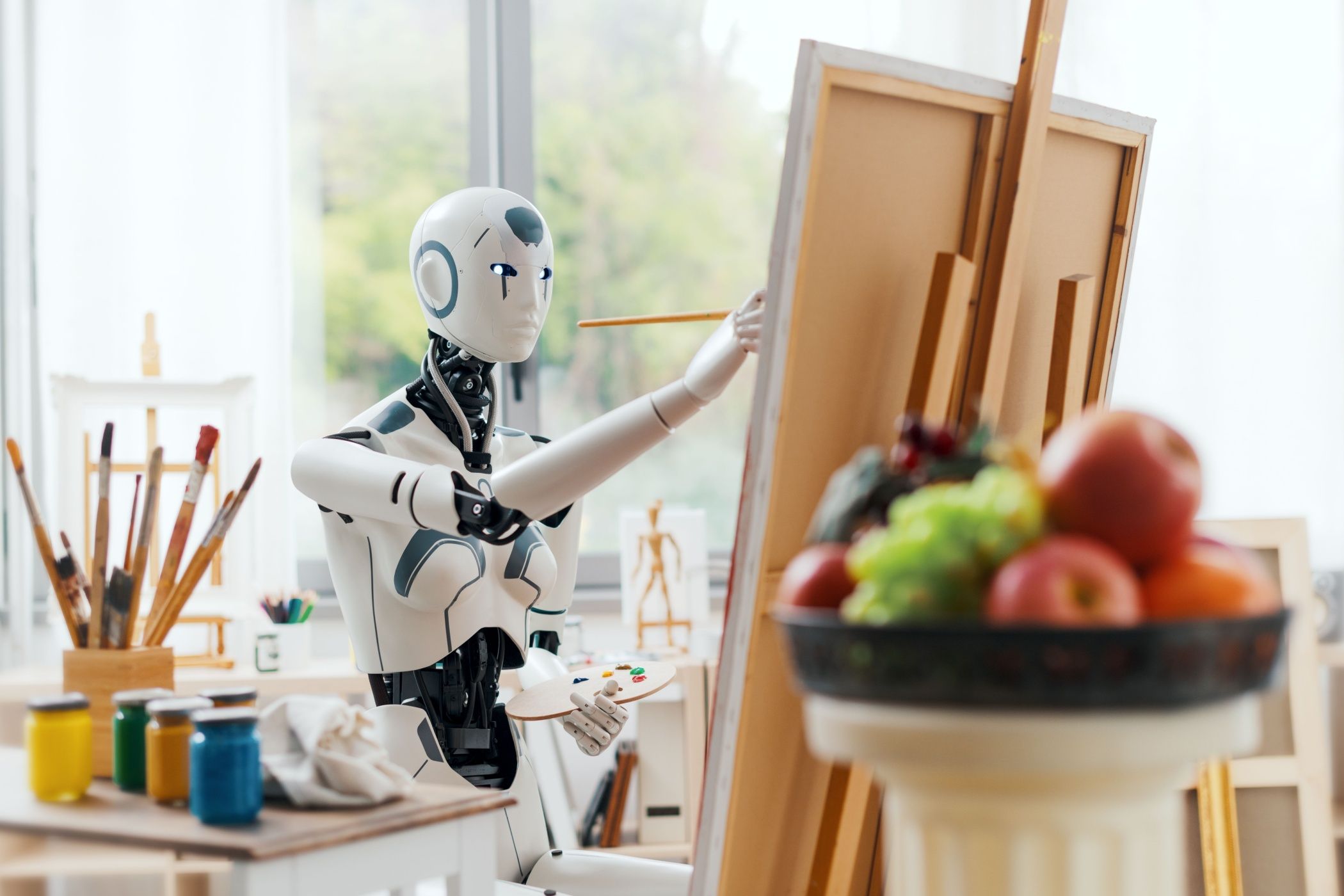
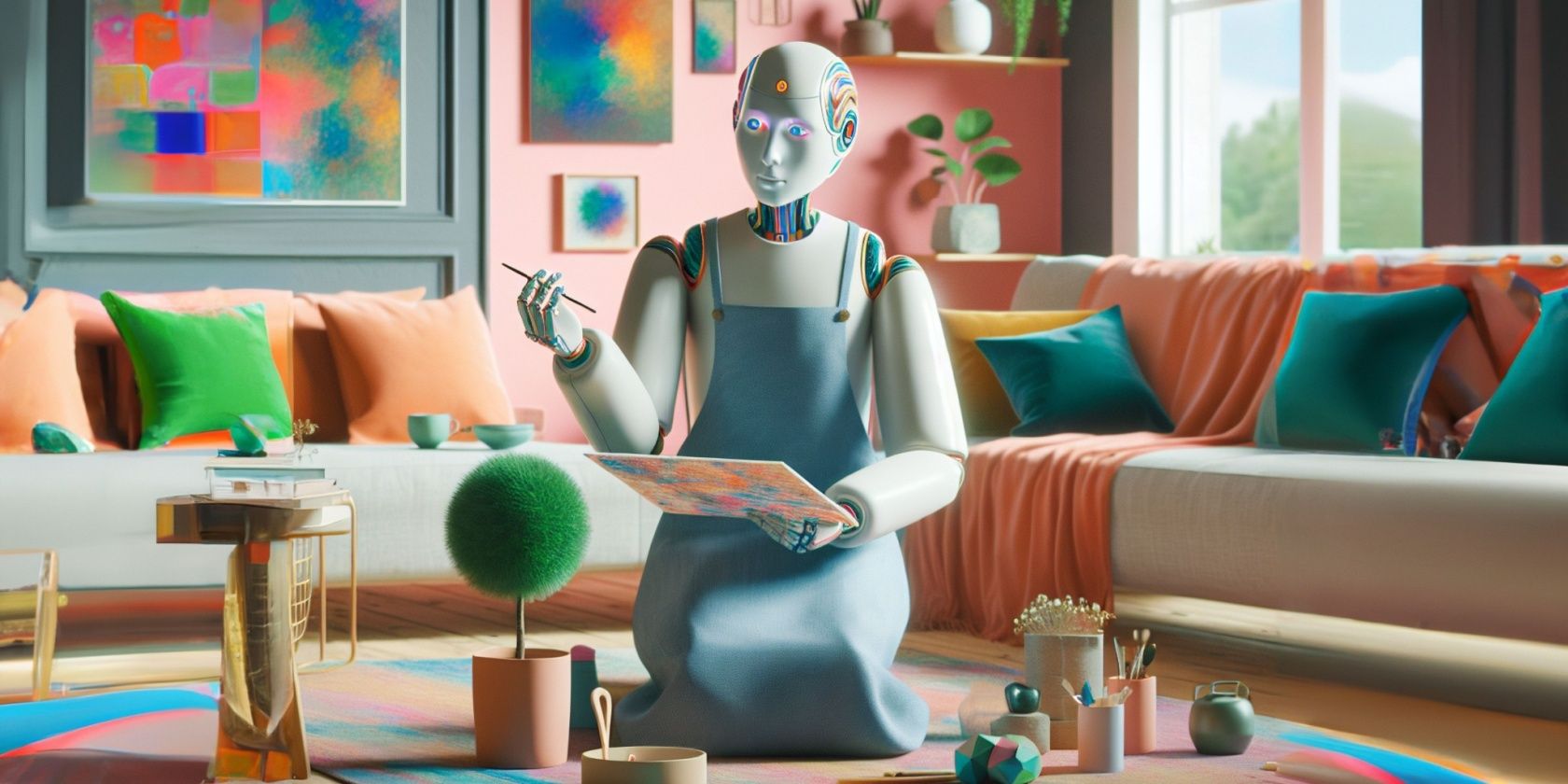
Artificial intelligence suppresses true human creativity by diminishing authentic expression and reducing the struggle involved in creating original work.
It leads to a homogenization of creative outputs that all appear remarkably similar, lacking in variety and uniqueness.
AI threatens to undermine human creative abilities, potentially leading to the dismissal of skilled professionals and hindering genuine skill advancement.
With every reliance on AI to “create,” we risk losing a part of what makes our creative work distinctly ours. Are we ready to surrender our creative instincts to algorithms designed to replicate existing ideas? Personally, I believe that generative AI does not belong in creative mediums, and here’s why.
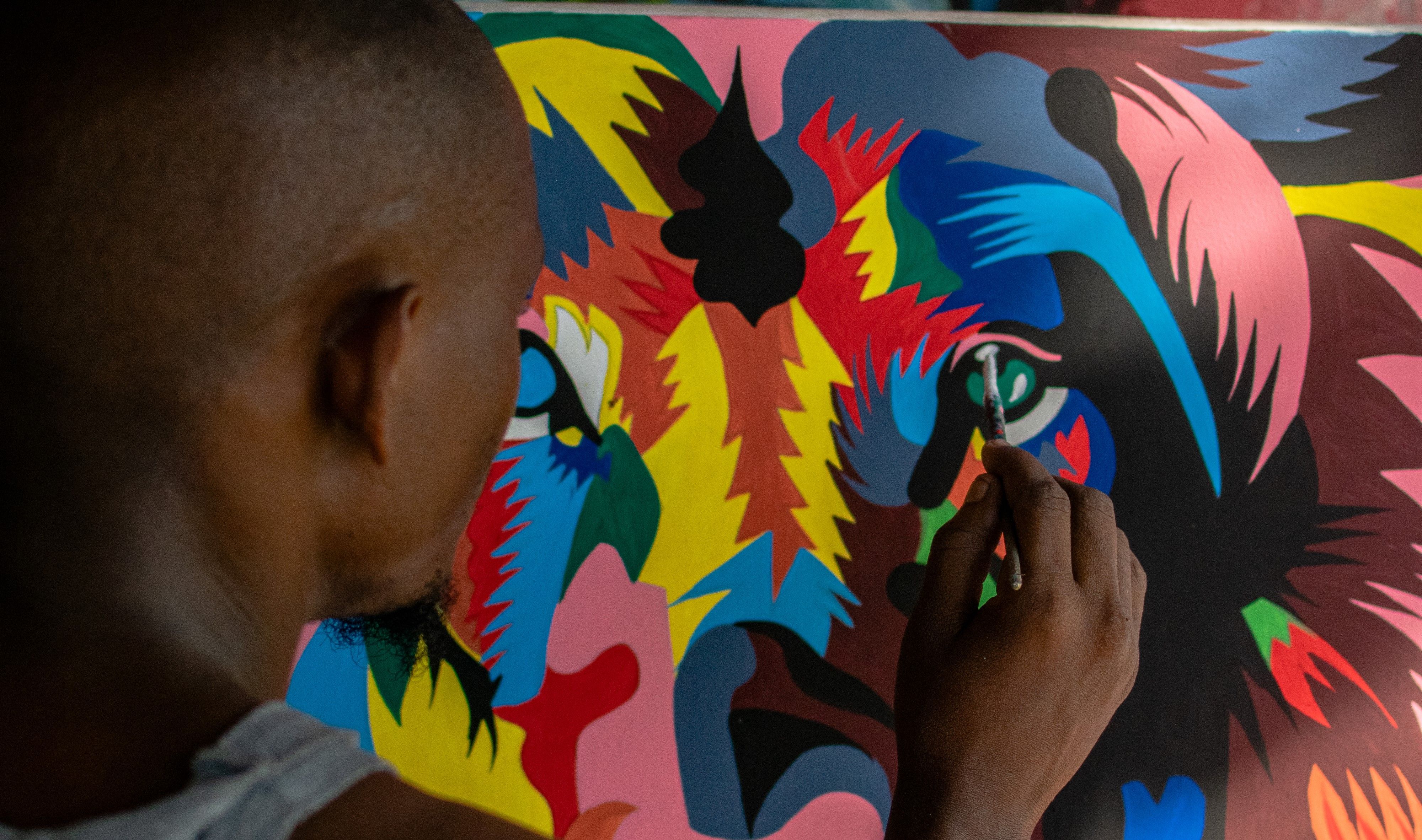
When we depend on AI for generating artwork, music, or written material, we diminish authentic human expression. Creativity is more than just arranging shapes, colors, or words; it involves conveying emotions, viewpoints, or experiences in novel ways. Relying on AI to take the lead means we miss out on this deeply personal facet of creation. Using AI is akin to having a machine color in a picture for us—quick and efficient, perhaps, but devoid of our individualized touch.
Moreover, depending on AI for inspiration may cause us to forget how to connect with our own ideas. Real creativity flourishes through exploration, messing up, and wrestling with a blank canvas or page until clarity emerges. Yet, when AI provides us with pre-packaged ideas, we forfeit that developmental struggle—the very element that propels genuine ingenuity.
Consider the contrast between traditional sketching and AI-generated art. While an artist may invest countless hours experimenting with various strokes and shading methods, acquiring wisdom from each attempt, AI users can generate many variations without truly honing any drawing skills.
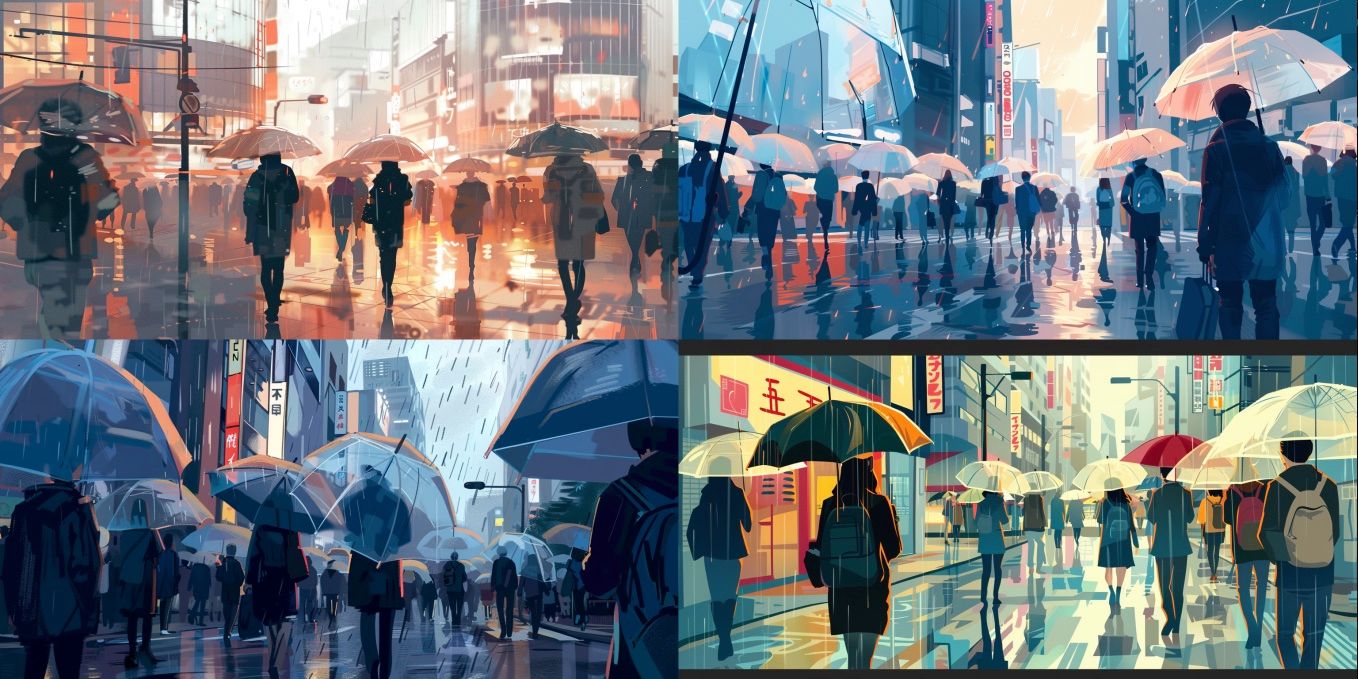
2 AI Creates Dull Uniformity
Image from MidJourney
A significant drawback of generative AI is its propensity to produce results that, while technically proficient, lack diversity and complexity. AI models rely on extensive datasets of existing works, hence they tend to replicate established patterns and styles. This leads to a landscape dominated by content that feels repetitive—a polished but monotonous output.
Take a look at outputs from AI art generators. You will easily notice repetitive characteristics: consistent lighting effects, similar facial structures in portraits, and that signature soft-focus background.
Inviting AI into creative applications essentially invites redundancy into realms designed for originality. Artistic expression, design, and writing flourish on the individual nuances and surprising elements that are intrinsic to human creativity. However, as AI takes center stage in what we see and consume, there’s a tangible risk that our creative output could merge into a bland repetition of past works.
The availability of AI tools for creative tasks poses a risk that human skills may be undervalued or overlooked. Creating visually appealing designs, compelling writing, or captivating illustrations once demanded years of dedicated practice, constructive feedback, and honing of techniques. However, with a mere click, anyone can produce something that resembles expert work thanks to general AI capabilities.
This decreases the value placed on creativity and can have far-reaching implications. For example, many graphic designers express concern that AI tools, such as those built into platforms like Canva or Adobe, are prompting clients to undervalue the hard work of skilled designers.
Why should businesses hire creative professionals if a computer can create logos or edit images with minimal effort? This shift in perception not only diminishes the dedication and expertise that professionals contribute but also makes it difficult for talented artists to achieve recognition for their work.
True creative abilities aren’t developed overnight; they require years of dedication, exploration, and constructive criticism to flourish. When AI handles the challenging portions of creative tasks, the temptation becomes greater to bypass learning and let algorithms take over. The result? A diluting of skill growth.
Creating anything—be it art, music, literature, or design—requires the acquisition of techniques, the adaptation of styles, and the discovery of one’s unique voice through practice and experimentation. Leaning on AI as an easy way out not only obstructs this journey but also threatens to cultivate a generation of creators who never fully realize their potential. We may lose the opportunity for experimentation, learning from errors, and personal growth.
The presence of generative AI may also encourage unethical behavior, such as plagiarism. AI systems trained on extensive datasets of preexisting works can generate content that bears close resemblance to originals, raising concerns about both intentional and unintentional copying.
Artists have expressed serious concerns over AI tools that mimic distinctive styles, making it dangerously easy for users to present AI-generated material as their own or closely replicate famous artists’ work.
This outcry has prompted platforms like ArtStation and DeviantArt to update their policies, enabling creators to opt-out of having their works used in AI training datasets. Such actions underscore the significant risks posed by AI-driven plagiarism, enabling individuals to effectively borrow a creator’s hard-earned style without any credit or acknowledgment.
The ramifications of this misuse extend beyond individual creators; they also undermine the creative community as a whole. Original works can lose value when they are overshadowed by near-identical reproductions circulating freely.
Creative heritage, encompassing art, music, literature, and other cultural expressions, embodies the distinct histories, experiences, and values of various communities. By relying on AI to produce new works, we risk losing this richness.
AI systems are trained on existing data, which often portrays a limited, mainstream view of culture and creativity, frequently dominated by Western narratives. This leaves cultures that are underrepresented in these datasets vulnerable to misrepresentation or complete omission from AI-generated works.
If the role of generative AI continues to expand in creative production, these marginalized cultures risk having their heritage either disregarded or diluted by the biases inherent in AI training datasets. Consequently, this trend threatens to create a creative landscape that appears increasingly mechanized, generic, and lacking authentic cultural diversity.
While generative AI undoubtedly offers convenience and efficiency, we must be cautious of its role in creative tools and applications. Creativity is an intrinsically human endeavor—one that flourishes through emotions, experiences, and individuality. It’s crucial that we preserve the essence of human creativity and resist the temptation to allow machines to dominate.