Tag: Country

  • Robert De Niro Blasts Trump, Says ‘I Want to Love My Country Again’

    Robert De Niro Blasts Trump, Says ‘I Want to Love My Country Again’

    American actor Robert De Niro has long been a vocal critic of Donald Trump. His latest comments were made during the Rise Up, Sing Out concert held at The Town Hall in New York City on Sunday night.

    The event, dedicated to supporting First Amendment rights in America, was organized by the Committee for the First Amendment, a collective of artists such as Jane Fonda and various cultural leaders. The goal was to celebrate the freedoms guaranteed by the First Amendment—including speech, religion, press, assembly, and protest.

    On stage, De Niro expressed his disappointment with the current state of the country under Trump’s leadership and emphasized his commitment to defending free speech. He stated, “All aspects of the First Amendment matter, not just free speech. Personally, I lean toward being a free speech absolutist—even for opinions I disagree with, and there’s plenty of that. When I hear something I dislike, I respond with my own free speech.” He gave an example, saying, “When Trump recently claimed he doesn’t think about Americans’ financial situations, I told him, ‘Shut the f**k up!’”

    De Niro also shared that the phrase “we all love our country” became difficult to say after it was uttered at a committee event last October. “Because our country isn’t so loveable right now. I hate to admit it, but loving our country is starting to feel like an abused spouse saying they love their abuser. I can’t love a nation that begins stupid and inhumane wars,” the 82-year-old Oscar winner remarked.

    He concluded his passionate speech by asserting his desire to see his “country back.” Other notable attendees included Julia Roberts, Bette Midler, Ms. Rachel, Tessa Thompson, and Rufus Wainwright.

    Robert De Niro at the "Taxi Driver" screening during the 2026 Tribeca Film Festival in New York City.
    Robert De Niro attends the “Taxi Driver” screening at the 2026 Tribeca Film Festival on June 5, 2026.

  • Zac Brown Accused of ‘Satanic’ Themes at Vegas Sphere Concert

    Zac Brown Accused of ‘Satanic’ Themes at Vegas Sphere Concert

    Popular country artist Zac Brown recently made headlines following his performance inside the Sphere in Las Vegas, with many concerned fans describing the visual effects as “demonic” and “satanic.”

    Footage and images from the event quickly circulated on social media, showing a giant CGI skeleton adorned with a spiky crown composed of horns and bones, set against a backdrop of flames. One clip then transitions to Zac Brown wearing a crown similar to the skeletal figure.

    While some online viewers appreciated the visual design, a significant number of Brown’s fans voiced their worries about the performer.

    Zac Brown’s Las Vegas Sphere Concert Faces Accusations of ‘Satanic’ Themes

    On social media platform X (formerly Twitter), a user commented, “Bro turned his autobiography into a full demon-summoning session at the Sphere.”

    Another remarked, “Wtf? I thought he’s a country singer. He literally looks like he sold his soul to the devil. The entertainment industry’s satanic cult strikes again.”

    A third user came to Brown’s defense, asking, “Do these same people think Spirit Halloween is a portal to hell?”

    Others defended both Brown and his band, emphasizing that such concerts are created purely for entertainment and engagement purposes.

    Before hitting the stage, Brown told USA Today, “The biggest surprise during preparations for the Sphere was realizing that the only limit is your imagination.”

    He further explained, “This is the most ambitious show we’ve ever attempted, but it’s the perfect platform for our music. We’re most excited to show how these songs resonate when the entire room becomes part of the atmosphere. The fans aren’t just spectators—they’re part of the experience with us.”

  • OpenAI Deal Might Bring ChatGPT Plus To Whole Country

    OpenAI Deal Might Bring ChatGPT Plus To Whole Country

    The pace of AI development is intense and relentless. Industries have already embraced its potential, and leading AI companies are actively working to make it accessible to students through exclusive deals and discounts. Now, the focus appears to be shifting toward providing universal access to AI tools for all citizens, starting with ChatGPT Plus.

    In the United Kingdom, Peter Kyle, the Secretary of State for Science, Innovation, and Technology, reportedly discussed the possibility of granting all UK residents access to ChatGPT Plus. This would mark one of the first instances of such an initiative for OpenAI, following unconfirmed reports that the United Arab Emirates was also considering offering free ChatGPT Plus access to its citizens earlier this year.

    ChatGPT Plus costs $20 per month and offers several benefits, including priority access during peak times, higher usage limits for the latest AI models, expanded voice chat, image generation, document analysis, advanced research capabilities, and the ability to create custom AI bots, known as GPTs. The free version remains accessible to all internet users without requiring an account.

    A recent image highlights the Deep Research feature available within ChatGPT, which enhances the AI’s ability to perform intricate research tasks.

    Interestingly, Peter Kyle was reportedly skeptical about the idea, mainly because the program could entail costs reaching up to £2 billion. The Guardian cited anonymous sources familiar with a meeting in San Francisco, where these discussions took place. Kyle has also engaged in several meetings with OpenAI CEO Sam Altman over the past year. Despite reservations about the financial aspect, Kyle has praised ChatGPT as an incredibly useful tool. The UK government has already partnered with OpenAI in various ways, including agreements to develop web-based chatbots for government services and civil agencies, as well as plans for a secure digital wallet system that integrates driver’s licenses and other verified IDs.

    Offering widespread access to advanced AI tools is a proven way to broaden adoption and build confidence. Given that the UK is one of the largest markets for ChatGPT, introducing free or discounted access to all citizens—even temporarily—could significantly accelerate AI integration into everyday life. Such initiatives are not unprecedented; OpenAI earlier launched a two-month free access period for students in the US and Canada, and in August introduced a lower-cost subscription tier called ChatGPT Go in India, priced at approximately $4.57 per month, offering core Plus features.

    Other major players are also adopting similar strategies. Google, for example, provides Gemini Pro, a premium AI subscription costing $20 per month, free to students in the US, Japan, Indonesia, Korea, India, and Brazil. Google also bundles this service with purchases of certain smartphones, like the Pixel 10 series. Additionally, Google’s premium AI benefits are available through the Google One subscription, which includes 2TB of cloud storage, illustrating how tech giants are working to make AI tools more accessible—sometimes subsidized or bundled with other services.

    In India, a government official recently called for all citizens to be granted free access to cutting-edge AI tools, including ChatGPT, Gemini, and Claude. Meanwhile, the UAE government has open-sourced its Falcon AI model for public use and adaptation, and Elon Musk’s xAI has released its Grok 2.5 model as open-source software, signaling a move toward democratizing AI technology worldwide.

    The trend toward broadening access to sophisticated AI tools continues to grow, with policymakers and corporations recognizing the strategic advantages of making these resources widely available. As these efforts expand, the potential for AI to become an integral part of daily life and work grows exponentially.

  • Top Strategies for Completing and Solving in Mafia: The Old Country

    Top Strategies for Completing and Solving in Mafia: The Old Country

    Dinari are the currency used in Mafia: The Old Country. Instead of genuine Italian lire from that time, they represent illegal items like watches, cigarettes, and alcohol that you can trade through the Torrisi family’s network to get what you need.

    Since it takes a while to earn dinari and the prices for big purchases—like cars—are high, it can be slow to unlock everything. If you want to collect as many dinari as possible, here are some helpful tips.

    Keep The Fortunato Bead Equipped
    Fortunato is one of the first charms you’ll get. Unless you need a different ability, it’s best to keep it equipped all the time. This charm increases the amount of dinari you get from looting. Since earning money mainly comes from looting in the game, wearing Fortunato helps you maximize your earnings with each encounter.

    You can find Fortunato in Chapter Two, near the entrance to the Torrisi tent before the horse race. Look for a man in a top hat standing on a wooden platform—it’s behind him.

    Loot Each Room Carefully
    Because there are no wandering enemies or side quests, the only way to earn dinari is through story missions. Make sure to check every corner and thoroughly search every location when you arrive in a new area. Do this before moving on to the next area to ensure you don’t miss any loot.

    Lockboxes and safes often contain a decent amount of dinari. Also, always check the bodies of enemies you defeat once it’s safe. If you’re sneaking around, Enzo will automatically loot any bodies you hide in crates or hiding spots, saving time and reducing the chance of being caught.

    Sell Lots of Trinacria at Once
    Trinacria are Roman artifacts found throughout the valley. You can exchange them with Pasquale’s mother, Benedetta, for 100 dinari each. While the amount isn’t huge and they may be far out of your way to collect, selling many at once can give you a significant boost in funds. Saving up Trinacria and cashing them in together leads to a bigger payday, giving you more money to spend at Pasquale’s store.

    A Dinaru Saved Is a Dinaru Earned
    You can quickly spend your dinari on various upgrades, so it’s wise to prioritize important purchases. It’s best to save your money for what will truly benefit you—like a faster car, a stronger horse, or better charms—since they provide real help. Avoid splurging on cosmetic items or outfits unless you’ve already covered your essentials. With careful saving, you’ll have enough to make the meaningful upgrades that enhance your gameplay.

  • How to Find and Open All Safes in Mafia: The Old Country Using Completing and Solving

    How to Find and Open All Safes in Mafia: The Old Country Using Completing and Solving

    In Mafia: The Old Country, some safes need to be unlocked to progress with the main story, while others are hidden and require extra effort to locate. All safes contain money and valuable items waiting for you.

    To get rich and upgrade your weapons quickly, aim to find as many safes as possible, as they are filled with shiny Dinari. Below is a guide on where to find all safes and their combinations.

    How to Find and Open All Safes in Mafia: The Old Country

    There are five safes in the game: two in Chapter Three and three in Chapter Six. The combination for each safe is usually written on a small piece of paper nearby. Sometimes, you can also listen for the clicking sound of the dial passing over the correct number, which adds a bit of a challenge if you’re trying to crack the safe manually.

    Tip: You can earn the “Salvatore’s Apprentice” achievement or trophy by opening safes without ever reading the combination notes.

    To open a safe, approach it and interact to start the cracking process. Listen carefully for the clicks to find the right number, or check the note if you have it. When you have the correct three numbers, press the act button to input each one. Once all three are correct, the safe will open, revealing its contents.

    All Chapter Three Safe Combinations

    Safe Location Note Location Combination Reward
    San Celeste, Lemon Farm On a nearby table with a bowl of lemons 10-20-30 200 Dinari
    Porto Almaro, Impound Yard On the desk by the window 21-10-08 200 Dinari

    All Chapter Six Safe Combinations

    Safe Location Note Location Combination Reward
    San Celeste, Bracanti’s Place In the office next door 00-01-02 300 Dinari
    San Celeste, Marino’s Place On the desk to the left; a note nearby mentions last month’s code (April) 28-34-12 Printing Plates Relocation Papers
    San Celeste, D’Amico’s Place In the relocation papers found at Marino’s place 02-19-62 Printing Plates

    The process involves approaching each safe, listening for the dial’s clicks, or reading the notes for the correct combination. Once the safe pops open, enjoy the loot and continue your progress in the game.

  • Completing Donkey Kong Bananza: Solving Candy Kong’s Legacy

    Completing Donkey Kong Bananza: Solving Candy Kong’s Legacy

    Donkey Kong Bananza brings back Diddy, Dixie, and Cranky, plus a fun reference to an absent Kong we haven’t seen in a while.

    While many Nintendo fans hoped to see a new 3D Mario game with the Switch 2, Donkey Kong Bananza marks an important moment in the life of Donkey Kong. This is his first leading role in more than ten years, and it celebrates everything about the franchise.

    You can see this through several nods to past Donkey Kong games. Diddy and Dixie mention Donkey Kong Country, and characters like Rambi and Cranky Kong make appearances. Moreover, an old Kong is mentioned by name, even if he doesn’t appear in the game.

    Remember Candy Kong? Donkey Kong Bananza does

    It’s been a long time, but we know that Candy is still around

    As mentioned earlier, Donkey Kong can meet Diddy and Dixie during the game. They reference Donkey Kong Country a lot, indicating that Bananza occurs after those games. Dixie also mentions Candy Kong while talking to DK and Pauline.

    In one line, Dixie says, “Candy Kong is going to be so jealous that the three of us met up,” confirming that Candy is still part of the DK universe. This suggests that she doesn’t see DK, Dixie, and Diddy very often, indicating maybe DK isn’t around as much as he used to be.

    As of now, there have been no mentions of the DK crew from Donkey Kong 64, but at least the DK Rap is still part of the lore…

    Considering how long it’s been since Candy Kong was mentioned, this is a nice reference. The last mention of Candy was in the Tropical Freeze leaderboards, and before that, she hosted minigames in DK: Jungle Climber.

    Even if Nintendo doesn’t fully feature Candy Kong in Donkey Kong Bananza, it’s great to hear a little about a past main character from Donkey Kong Country. Now we just need to hear something about Funky Kong, and we’ll be set.

    donkey-kong-bananza-tag-page-cover-art.jpg
    Donkey Kong Bananza
    Systems

    super greyscale 8-bit logo

    Released
    July 17, 2025

    ESRB
    Everyone 10+ // Fantasy Violence

    Developer(s)
    Nintendo

    Publisher(s)
    Nintendo

    Number of Players
    Single-player

  • Global Accommodation Preferences: 60% Favor Hotels, Regional Variations

    Global Accommodation Preferences: 60% Favor Hotels, Regional Variations

    Global Accommodation Preferences: A Look at Cultural Influences

    Understanding the varied accommodation preferences around the world reveals not only a lot about travel habits but also the cultural nuances that inform these choices. Booking.com’s Travel Trends 2025 provides invaluable insights into how different regions prioritize their lodging options.

    The Dominance of Hotels

    Hotels continue to reign supreme as the preferred choice of accommodation for travelers globally. This trend is consistent across many demographics and is indicative of the trust and comfort that established hotel brands provide. However, the necessity for variety in lodging options has led to diverse second preferences that vary significantly by region.

    Regional Preferences in Accommodation

    Asia: The Rise of Resorts

    In Asia, particularly in China and India, resort stays have gained immense popularity. These destinations often combine luxury with leisure, appealing to travelers seeking a more immersive experience. Resorts offer amenities that ensure relaxation and entertainment, making them a preferred option for families and couples alike. This trend highlights a cultural appreciation for destinations that facilitate both vacation and recreation.

    The Americas: Family Connections

    Travelers from Brazil and the United States tend to favor staying with family or acquaintances. This preference underscores the importance of personal connections and relationships in travel. The experience of staying with loved ones can provide a sense of comfort and belonging that commercial establishments are less likely to replicate. It also allows for richer interactions and a more authentic experience of local culture, further enhancing the travel experience.

    Europe: Short-Term Rentals Flourishing

    In Europe, short-term rentals have emerged as a formidable competitor to traditional hotels. This shift illustrates a growing desire for a "home away from home" experience. Travelers enjoy the flexibility and personalized touch that short-term rentals offer, enabling them to live like locals during their stay. This trend also reflects a broader cultural shift towards seeking more unique and memorable experiences.

    The Universal Pursuit of Comfort

    While accommodation preferences may differ across the globe, the underlying thread that ties them all together is the pursuit of comfort. Each region’s unique understanding of what constitutes a "home away from home" speaks volumes about local cultures and travel motivations. Travelers prioritize comfort, but the interpretation of this concept varies, leading to different accommodation choices based on cultural values and social norms.

    Conclusion

    As travel continues to evolve, so do the preferences of travelers worldwide. By examining these trends, we can gain deeper insights into the motivations behind accommodation choices and how they reflect cultural values. Understanding these patterns allows hospitality providers to better cater to the diverse needs of their guests, ultimately enhancing the overall travel experience.

  • 2024 EV Production: 7% Drop in U.S. Amid Global Shifts

    2024 EV Production: 7% Drop in U.S. Amid Global Shifts

    Electric vehicles (EVs) have taken the automotive industry by storm, reflecting a major shift in consumer preferences and corporate strategies. A closer examination reveals the dynamics of local versus foreign electric vehicle production and how various global markets are influencing the landscape.

    ## The Rise of Global EV Production

    The trade in electric vehicles has become a significant aspect of international commerce, particularly as manufacturers strive to reach various markets efficiently. While many carmakers produce vehicles near their target customers, certain brands expand their reach by exporting from their home countries. This leads to a complex web of local and foreign production strategies, reshaping how electric cars are perceived and adopted across different regions.

    ### Manufacturing Trends by Region

    The International Energy Agency (IEA) has provided insightful data on regional production trends. In various regions such as China, North America, and the European Union (EU), it’s evident that local manufacturers predominately produce EVs. However, there’s a notable shift occurring, particularly in North America and the EU.

    #### North America: A Mixed Landscape

    In the North American market, U.S.-based companies like Tesla and Ford are ramping up production, especially in Europe, to meet growing demand. This shift highlights the competitive nature of EV manufacturing, wherein even local giants face challenges from their international counterparts.

    Interestingly, while U.S. firms advance in EU production, their presence in the domestic market has seen a decline, with reported reductions in EV output. In contrast, Mexican production, primarily from U.S. companies, is on the rise, indicating a strategy to leverage lower production costs while serving both the U.S. and broader markets.

    #### European Union: Competing for Market Share

    In the EU, U.S.-based manufacturers have a smaller footprint. As European manufacturers have historically shaped the local landscape, they find themselves contending with increasingly competitive offerings from Chinese, Japanese, and Korean brands. This trend emphasizes the dynamic nature of the EV market, necessitating adaptation and innovation to maintain relevance.

    ### China’s Influence in the EV Market

    Chinese companies have significantly impacted the global EV scene. With competitive pricing and innovative technologies, they have not only captured domestic demand but are now starting to penetrate the European market as well. Brands like Tesla have established manufacturing bases in China, underscoring the importance of local production in accessing major markets.

    As the U.S.-China trade dynamics evolve, the interplay between manufacturing and international relations becomes critical in understanding market trends. Joint ventures between Chinese firms and foreign companies serve as a strategic response to the growing intrepid nature of global competition.

    ## Import and Export Dynamics

    While regions like China, Japan, Korea, and the EU are actively exporting EVs to bolster their local markets, the U.S. finds itself in a different situation. A significant portion of the American market relies on imported EVs to meet consumer demand. This reliance on foreign production underscores the challenges faced by U.S. manufacturers, who must navigate a landscape filled with both competitive pressures and evolving consumer preferences.

    ### The Future of EV Manufacturing Globally

    The implications of these trends are far-reaching. As electric vehicles become more mainstream, manufacturers must balance local production capabilities with the need to tap into international markets. The emerging focus on efficiency, sustainability, and cost-effectiveness means that the landscape will continue to evolve, impacting not just the companies involved but also consumers around the globe.


  • 40% of Italians Struggle with Sleep Disorders: Key Insights

    40% of Italians Struggle with Sleep Disorders: Key Insights

    Understanding the Sleep Crisis: A Global Perspective

    Sleep disorders have emerged as a significant public health concern worldwide, impacting a substantial portion of the population. Recent data from a Statista Consumer Insights survey offers a compelling look at the state of sleep across 20 different countries, revealing some shocking statistics.

    The Scope of the Problem

    According to the survey, approximately 50% of Swedes report difficulties in achieving a good night’s sleep. This finding is not isolated; over a third of respondents from 17 out of the surveyed countries also indicated they had faced sleep-related issues in the past year. The prevalence of sleep disorders suggests a pervasive crisis that many are grappling with, irrespective of geographical boundaries.

    Gender Disparities in Sleep Disorders

    The survey results illuminated a significant disparity in sleep disorders between genders. In all countries surveyed, women were more likely to report sleep disorders than men, with differences often reaching as high as 9 to 10 percentage points. For instance, in Sweden, the figures were striking: 56% of women reported having experienced a sleep disorder, compared to 46% of men.

    The disparity is especially evident in the United States, where 39% of women reported sleep issues versus 33% of men. This trend raises important questions about the underlying factors contributing to these differences.

    Factors Contributing to Higher Rates Among Women

    The Sleep Foundation highlights several reasons why women and individuals assigned female at birth are more prone to insomnia and other sleep disorders.

    Hormonal Influences

    Hormonal fluctuations, particularly those related to menstrual cycles, pregnancy, and menopause, significantly impact sleep quality. For many women, these physical changes can lead to insomnia, making it hard to both fall asleep and stay asleep.

    Mental and Physical Health

    Women often face a greater prevalence of certain mental health issues, such as anxiety and depression, which are closely linked with insomnia. Additionally, various physical health issues that disproportionately affect women, like chronic pain or hormonal imbalances, can also interrupt sleep patterns.

    Social and Cultural Factors

    Cultural and societal dynamics further complicate this issue. Women frequently take on a broader range of caregiving and domestic responsibilities, which can lead to increased stress levels and reduced time for rest. The roles and expectations placed on women in various cultures mean that sleeplessness may also come as a result of juggling multiple responsibilities.

    Insights from Additional Countries

    While Sweden shows a stark example of the sleep crisis, other countries exhibit similarly worrying trends. For instance, in countries like the U.S., Canada, and parts of Europe, varying rates indicate that sleep disorders are a widespread concern, influencing a significant portion of the population.

    The Call for Awareness and Action

    Understanding the scope and factors behind sleep disorders is crucial. This knowledge can inform public health campaigns and lead to increased awareness about the importance of sleep hygiene, tailored interventions, and societal changes aimed at alleviating the burdens that contribute to sleep deprivation.

    By recognizing sleep disorders not just as individual challenges but as significant public health issues, stakeholders can take action to better support those struggling with sleep-related difficulties.

  • Global Fertility Rates: From 5.3 in 1963 to 2.2 in 2023

    Global Fertility Rates: From 5.3 in 1963 to 2.2 in 2023

    The State of Global Fertility: Trends and Insights

    Fertility rates globally have become a critical topic of discussion as they directly impact population dynamics, economic growth, and social structures. Recent data, especially from the World Bank, has illuminated stark contrasts in fertility trends across different regions of the world. This blog delves into the varying fertility rates, examining both the developed and developing regions to understand the broader implications of these statistics.

    Global Trends in Fertility Rates

    The landscape of global fertility rates tells a complex story. From the underwhelming numbers in certain developed areas to the high rates seen in parts of Africa, the statistics reveal much about socio-economic progress and cultural shifts.

    Low Fertility Rates in Developed Regions

    • South Korea: Notably, South Korea continues to face significant challenges with a fertility rate that falls below 1. This trend positions it alongside other areas like Hong Kong, Macau, and Puerto Rico, marking them as places grappling with exceedingly low birth rates.

    • Japan: Similarly, Japan has maintained an average fertility rate of 1.2 in 2023. This figure highlights a growing concern among policymakers regarding population sustainability, as over 90 nations are currently experiencing stagnant population growth independent of immigration.

    The reasons behind these low fertility rates are multifaceted. Greater access to contraception, increased educational opportunities for women, and a shift towards prioritizing careers have all contributed to the decision to delay or forgo having children.

    High Fertility Rates in Developing Nations

    In stark contrast, developing regions are witnessing higher fertility rates which significantly contribute to global population growth.

    The African Context

    Countries such as Somalia, Chad, Niger, and the Democratic Republic of the Congo report some of the highest fertility rates in the world, averaging 6.1 children per woman as of 2023. This pattern is primarily concentrated in Africa, where the majority of the nations with high fertility rates are located.

    • Regional Observations: Out of 31 countries with average family sizes of four or more children, 29 are situated in Africa. This demographic trend indicates not only cultural preferences but also economic factors that influence family size.

    Historical Fertility Trends

    Looking back at the historical data provides context to current trends.

    • Declining Fertility: In 1963, global fertility rates were significantly higher, with women averaging 5.3 children over their lifetimes. By 2023, this number had dropped to an average of 2.2 children per woman.

    • Population Growth: Despite the decline in fertility rates, the global population has surged by about 150% from 3.2 billion to 8.1 billion within the same timeframe. This paradox can be attributed to increases in life expectancy and decreases in childhood mortality rates.

    Future Projections

    According to forecasts by the United Nations, the global fertility rate is expected to reach a minimum replacement level of 2.1 by the middle of the century. This projection raises questions about the long-term sustainability of population growth, particularly in light of the anticipated population decline towards the century’s end.

    Conclusion

    As we traverse the intricate landscape of global fertility, it becomes evident that the implications of these trends are vast. With developed regions facing significant challenges from low birth rates while developing nations continue to see population surges, a nuanced understanding of the socio-economic factors at play is essential for addressing future challenges.

  • 40% of Canadians and Mexicans Worry About Financial Future

    40% of Canadians and Mexicans Worry About Financial Future

    Understanding Global Financial Anxiety: The Concerns of Consumers

    The Prevalence of Financial Worries

    In an increasingly interconnected world, economic stability has become a poignant issue for many individuals across the globe. Recent survey data from Statista reveals startling insights into the financial concerns of consumers from various countries, painting a comprehensive picture of the anxiety surrounding financial futures.

    Survey Insights: A Cross-National Perspective

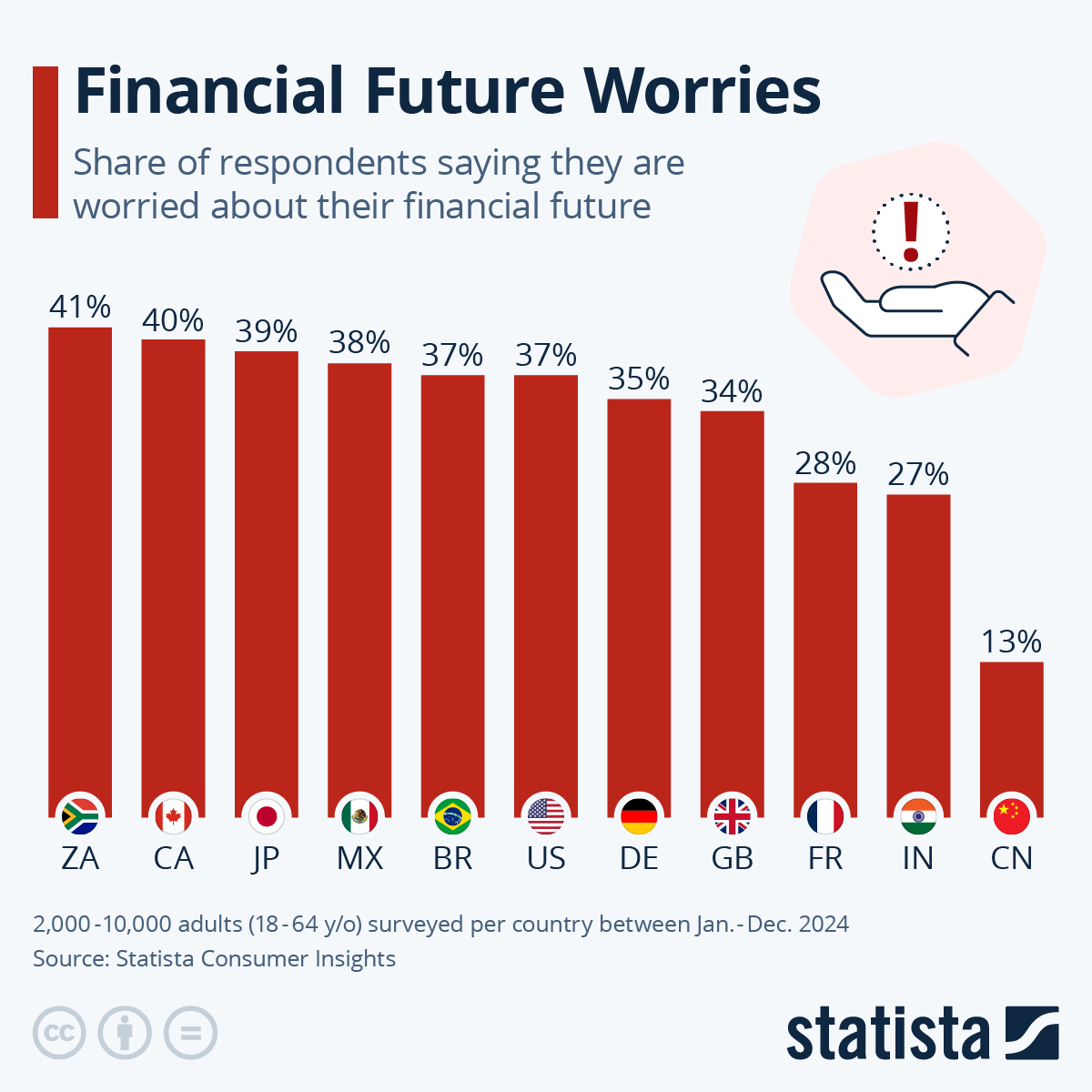
    According to a Consumer Insights survey conducted by Statista, financial anxiety is particularly pronounced in North America. The data indicates that nearly 40% of respondents in Canada and Mexico expressed apprehensions regarding their financial prospects. This sentiment perhaps reflects the uncertainty brought about by fluctuating markets and global economic policies.

    Moving south to the United States, the situation is similarly concerning, with 37% of Americans fearing for their financial futures. The implications of this anxiety are significant, as it can influence spending habits, investment decisions, and overall economic growth.

    Comparative Analysis: Financial Concerns Across Continents

    While North America exhibits a high percentage of financial anxiety, the response in Asia presents a different narrative. In countries such as India and China, the levels of concern are comparatively lower. The survey found that only 27% of Indian respondents and 13% of Chinese respondents reported worries about their financial situations.

    Analyzing the Differences

    This discrepancy may stem from various socio-economic factors, including different stages of economic development, cultural attitudes towards financial planning, and varying levels of access to financial literacy programs. For instance, in rapidly developing economies, individuals may have a different set of priorities and may not perceive financial instability in the same way as their counterparts in more developed nations.

    The Role of Economic Policy in Shaping Concerns

    The survey results were gathered at a time of heightened economic uncertainty, influenced by significant policy decisions such as the tariffs imposed by U.S. President Donald Trump. Such policies can create ripples that affect consumer confidence, leading to widespread financial apprehensions.

    Tariffs and Consumer Sentiment

    Tariffs can drive up the costs of goods, impacting everything from household budgets to business costs. This connection between economic policy and consumer sentiment underscores the important role that government actions play in shaping financial stability and the perception of economic security.

    Understanding the Psychological Impact

    The persistent worry about financial futures can have psychological implications for individuals and families. The stress associated with financial insecurity can lead to anxiety disorders, affect relationships, and impact overall well-being.

    Coping Mechanisms for Financial Anxiety

    Understanding how to manage these feelings is crucial. Several strategies can help individuals cope with financial anxiety, including:

    • Budgeting: Creating detailed budgets can provide clarity and help individuals take control of their finances.
    • Financial Literacy: Educating oneself about financial products, saving strategies, and investment opportunities can empower individuals.
    • Seeking Professional Advice: Consulting with financial advisors can provide personalized strategies tailored to individual needs.

    The Importance of Addressing Financial Concerns

    As consumers continue to express worries about their financial futures, addressing these concerns becomes imperative. Policymakers, financial educators, and the private sector have a role to play in easing consumers’ anxieties through educational programs and sound economic policies.

    This information not only highlights the general sentiment towards financial futures globally but also illustrates the important economic and psychological factors that come into play. Establishing a secure financial future is a collective effort, requiring collaboration across sectors and borders.

    In the face of ongoing global economic shifts, understanding these dynamics will be crucial for navigating the financial landscape and supporting consumer confidence moving forward.

  • 65% Prefer Travel Experiences Over Dining & Shopping: Trends

    65% Prefer Travel Experiences Over Dining & Shopping: Trends

    The Travel Mindset: A Shift Towards Experiences

    Introduction to Travel Enthusiasm

    Traveling has always held a special place in the hearts of many. But a recent shift is illustrating that consumers are prioritizing travel over traditional retail and dining experiences. The findings from Skift Research’s Global Travel Outlook 2025 shed light on this emerging trend, highlighting a growing preference for travel as the top discretionary purchase across six surveyed nations. This sense of adventure and curiosity is revealing a significant transformation in consumer behavior.

    The Experience Economy

    Definition and Significance

    The experience economy is a concept that emphasizes the value of memorable experiences over material possessions. This shift in consumer preferences signals that people are increasingly prioritizing experiences—whether it’s travel, concerts, or workshops—rather than buying physical items. This trend has widespread implications for businesses and industries that rely on consumer spending.

    Travel in the Experience Economy

    Travel is at the forefront of this movement as individuals seek to create lasting memories, deepen cultural understanding, and escape their routine lives. The idea of visiting new places, meeting diverse people, and immersing oneself in different environments resonates more deeply than acquiring tangible goods. This new mindset is crucial for understanding why travel has dethroned shopping and dining from the top spot in discretionary purchases.

    Data Insights From Skift Research

    Survey Details

    The Skift Research study surveyed consumers across six different countries to gauge their spending preferences. The results consistently showed that travel emerged as the most sought-after discretionary purchase. This finding is telling, reflecting deeper societal changes and potentially influencing future market trends.

    Global Perspective

    Travel’s popularity is not limited to particular regions or demographics; it transcends borders and age groups. From millennials eager to explore new cultures to retirees looking to see the world, travel is appealing to a broader audience than ever before. This universal appeal is indicative of changing values in an increasingly interconnected world.

    Implications for Industries

    Travel and Hospitality Sectors

    The travel and hospitality industries stand to benefit immensely from this shift. With consumers willing to prioritize experiences, businesses in these sectors can tailor their offerings to meet the emerging demands of travelers. This could mean providing unique, immersive experiences or creating personalized travel packages that align with travelers’ desires.

    Retail and Dining Challenges

    Conversely, the retail and dining sectors may face new challenges as consumers divert their discretionary income towards travel. Businesses in these industries might need to rethink their strategies, perhaps incorporating experiential elements into their offerings to capture consumer interest and engagement.

    The Role of Technology

    Booking and Planning

    Advancements in technology have made travel planning significantly more accessible. Online platforms and applications allow consumers to seamlessly compare prices, read reviews, and book their trips. This ease of planning may contribute to the rising interest in travel by reducing barriers that once hindered spontaneous travel decisions.

    Virtual Experiences

    As we move into a more tech-savvy world, virtual experiences also play a role in reigniting the desire to travel. With options like virtual reality tours and live-streamed events from far-off lands, consumers can experience destinations from the comfort of their homes, often inspiring them to explore these places in person.

    The Future of Travel Spending

    Sustainable Practices

    As consumer behavior emphasizes experiences, there is also a growing consciousness regarding sustainability. Travelers are becoming more mindful of their environmental impact, leading to a rise in eco-friendly travel options and sustainable tourism practices. Future travel trends will likely reflect this awareness, with consumers favoring services that align with their values.

    Long-term Change

    The prioritization of travel over shopping and dining is not just a fleeting trend; it’s representative of a long-term change in consumer mindset. As people continue to value transformative experiences, the implications for businesses will be profound, requiring adaptability and innovation to keep pace with evolving preferences.

    Summary of Key Points

    The findings from Skift Research highlight that as travel takes precedence over dining and shopping, businesses across various sectors must adapt to this new landscape. This shift underscores the broader concept of the experience economy, where moments and memories become paramount. Understanding these dynamics will be essential for stakeholders in the travel, retail, and dining industries as they navigate this exciting phase of consumer behavior.

  • Global Billionaires Surge: 288 New Additions in 2025

    Global Billionaires Surge: 288 New Additions in 2025

    Where the Super-Rich Reside: Insights from Forbes’ Billionaires List 2025

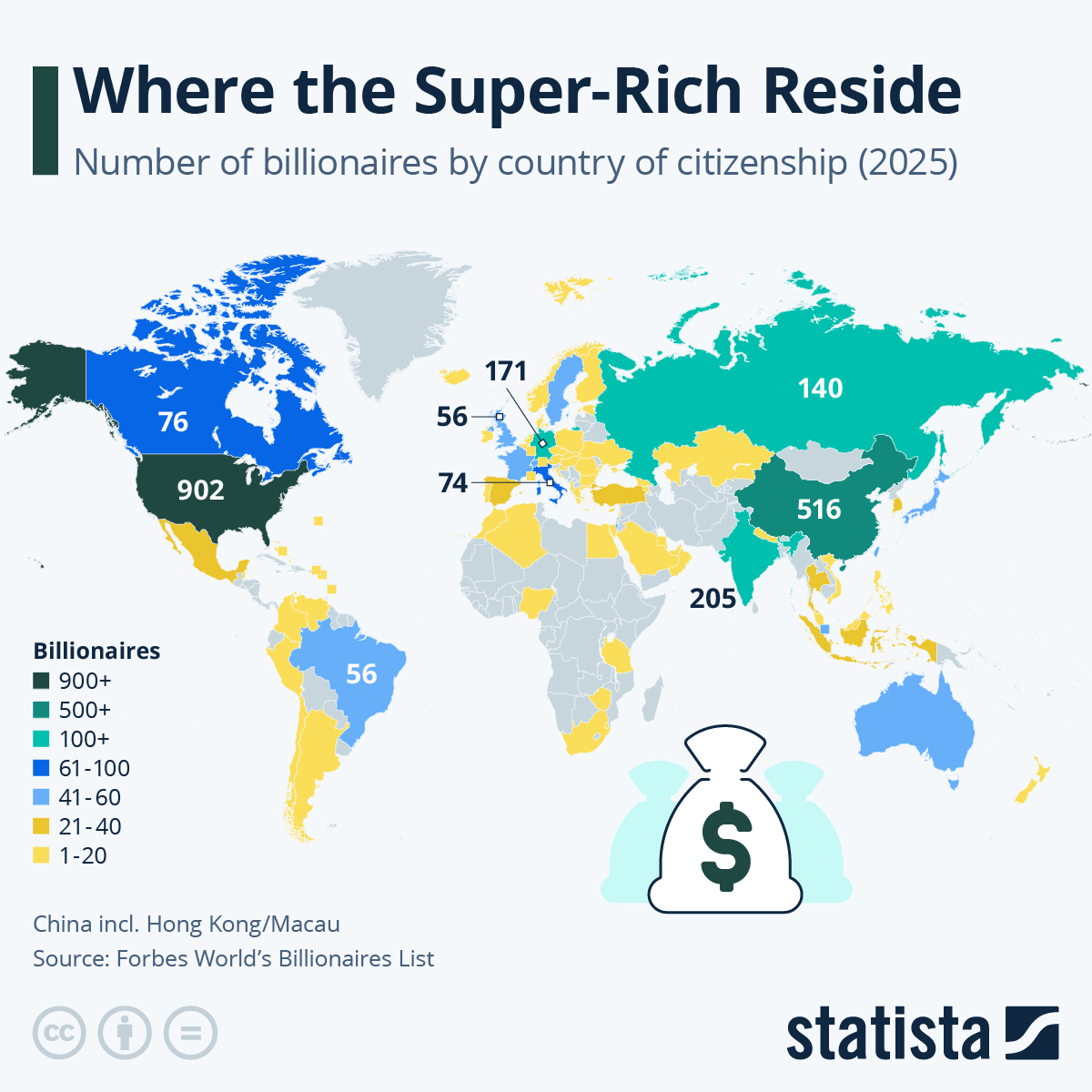
    The allure of wealth resonates around the globe, with the very concept of being a billionaire capturing the public’s imagination. The Forbes World’s Billionaires List for 2025 sheds light on where the super-rich reside and highlights some remarkable shifts in global wealth. This year, the number of billionaires has surpassed 3,000 for the very first time, showcasing an intriguing trend in wealth accumulation.

    The Dominance of the United States

    A Closer Look at U.S. Billionaires

    For the year 2025, the United States continues to be the undeniable leader in the billionaire count, boasting a staggering 902 billionaires. This figure showcases the country’s economic might and entrepreneurial spirit, significantly outstripping other nations. In comparison, China ranks second with 516 billionaires, while India occupies the third spot with 205 billionaires.

    The recent trends indicate a rise in the number of U.S. billionaires and Indian billionaires, contrasting with a notable decline in China’s billionaire population over the past three years. The recent statistics suggest a shift in the global economic landscape where opportunities in the U.S. and India have become increasingly attractive.

    The Billionaire Surge: New Faces and Industries

    Noteworthy New Billionaires

    The Forbes report reveals a significant influx of wealth, with 288 new billionaires emerging in the past year alone. This translates to an average of 5.5 new billionaires per week, a remarkable achievement reflecting the dynamism of various industries. Among these new billionaires is Samir Mane, an entrepreneur from Albania, making history as the first billionaire from his country with a successful investment conglomerate.

    Germany’s Booming Billionaire Scene

    Following the U.S., Germany has seen an impressive increase in its billionaire headcount. Notable new faces include heirs to the Boehringer Ingelheim pharmaceutical fortune and key figures from the HVAC industry such as Anna and Franz Viegener of the Viega company. The presence of Selina Stihl, associated with the eponymous chainsaw company, alongside Florian Rehm, a major stakeholder in Mast-Jägermeister, underscores the diversified sectors contributing to Germany’s wealth.

    New Celebrity Billionaires

    The 2025 Billionaires List also reflects an interesting trend toward celebrity entrepreneurs joining the billionaire ranks.

    Prominent Newcomers from the U.S.

    Among the high-profile new entrants are iconic figures from the entertainment industry:

    • Jerry Seinfeld, a beloved comedian.
    • Bruce Springsteen, the legendary singer known for his profound impact on music.
    • Arnold Schwarzenegger, a multifaceted personality who transitioned from actor to politician.

    Their ascent to billionaire status illustrates how the intersection of entertainment and entrepreneurship can lead to significant financial success.

    Empowerment of Women Entrepreneurs

    Notable female figures making their debut on the list showcase the increasing prominence of women in business. Barbara Banke, the chairwoman of Jackson Family Wines, who built her fortune posthumously with her husband, exemplifies the robust nature of the wine industry. Additionally, Anna Angelicoussis, a Greek shipping magnate, highlights the importance of the shipping and logistics sectors in wealth creation.

    Trends Shaping the Billionaire Landscape

    Shifts in Global Wealth Dynamics

    The changes observed in the billionaire statistics are telling of broader economic trends and indicates that wealth is concentrated in specific countries and industries. With the U.S. and India seeing growth while China’s billionaire count declines, it raises questions about sustainable wealth generation in different regions.

    The Rise of New Industries

    Emerging industries and new business models have contributed significantly to the rise of new billionaires. The last year has shown that innovation and adaptability are pivotal for aspiring billionaires, as evidenced by the diverse backgrounds and industries of the new entrants into the 2025 billionaire club.

    Conclusion: The Future of Billionaire Wealth

    As we analyze the latest data from Forbes, it becomes clear that the landscape of wealth is continually shifting. The emergence of new billionaires, particularly in the U.S. and Germany, coupled with the notable entry of celebrities and women entrepreneurs, presents a fresh narrative in the global economic story of wealth accumulation. With changing dynamics, it will be fascinating to observe how these trends evolve in the coming years and what new stories the Forbes Billionaires List will tell in the future.

  • India’s Venezuelan Oil Imports Surge 500% Amid Tariff Threats

    India’s Venezuelan Oil Imports Surge 500% Amid Tariff Threats

    The Complex Landscape of Venezuelan Oil Imports: A Detailed Analysis

    Introduction to Venezuelan Oil and Global Trade Policies

    Venezuela, once a powerful player in the global oil market, has faced significant challenges in recent years, primarily due to political instability and international sanctions. Despite these hurdles, the country continues to export oil, attracting various international buyers—most notably countries like India and China. As of 2024, the geopolitical landscape surrounding Venezuelan oil imports is becoming even more complicated due to potential tariffs and shifting buyer dynamics.

    U.S. Trade Actions Against Countries Importing Venezuelan Oil

    Overview of Proposed Tariffs

    In a bold move, President Donald Trump has announced a plan to impose a 25% tariff on countries importing Venezuelan oil starting in early April 2024. This trade action is part of a broader strategy to exert pressure on nations that engage in oil transactions with Venezuela. The tariffs serve as a tool for the U.S. to navigate its foreign policy and economic interests, indicating a significant shift in how the U.S. approaches international trade agreements.

    The Implications for India

    India, in particular, has found itself in a precarious position. As one of the largest importers of Venezuelan oil, the country risks facing a substantial economic impact if these tariffs are enacted. The U.S. has already been a key player in the global oil market; adding tariffs would not only disrupt India’s energy procurement but also affect its overall economic health.

    Current Venezuelan Oil Buyers: An Overview

    Key Players in the Market

    While the U.S. has pursued a complicated relationship with Venezuelan oil, other countries have stepped in as significant buyers. As of 2024, the landscape is dominated by new import patterns, especially from Asian nations.

    China’s Purchasing Trends

    China has historically been a heavy buyer of Venezuelan oil. However, reports indicate that their imports decreased in 2024 compared to the previous year. This shift may relate to evolving geopolitical alliances and domestic energy policies. The reduction in Chinese imports could suggest an opportunity for other countries to increase their market share in Venezuelan oil.

    India’s Soaring Imports

    On the contrary, India has ramped up its purchases of Venezuelan oil significantly. In 2024, India imported an average of 63,000 barrels of Venezuelan oil daily—an astounding increase of 500% from 2023. This surge highlights India’s strategic focus on acquiring discounted oil regardless of its source, often defying the norms and expectations of other countries in the international community.

    Economic Benefits for India

    Cost Savings and Market Dynamics

    Indian refiners, including major players like Reliance, have been capitalizing on low-cost Venezuelan oil, which provides significant savings amid growing global prices. This price advantage, paired with an eagerness to secure energy sources—particularly discounted Russian oil—has spurred India’s increased importation from Venezuela.

    The Shift in Oil Supply Sources

    The evolving trade dynamics have also influenced India’s overall oil import sources. Since April 2022, the share of oil shipments from the CIS region has surged, climbing to 43% of all oil imports by September 2024. Brazil, Russia, and other nations in this region provide alternatives that are becoming increasingly attractive, especially as Western nations attempt to impose bans and sanctions on Russian oil.

    Europe’s Special Permits for Venezuelan Oil

    Navigating Sanctions and Exemptions

    Interestingly, some European nations have managed to maintain their oil purchases from Venezuela through special permits that exempt them from U.S. sanctions. This development suggests a divergence in policy approaches between the U.S. and its traditional allies in Europe. As the U.S. tightens its grip with tariffs and sanctions, European countries are finding ways to bypass these restrictions, thereby complicating the geopolitical oil landscape even further.

    The Future of Venezuelan Oil Exports

    Anticipated Changes in Buyer Behavior

    With the impending tariffs and ongoing sanctions impacting various buying nations, the future of Venezuelan oil exports remains uncertain. Countries like India that are capitalizing on discounted oil may find themselves caught in the crossfire of U.S. trade actions. As energy prices fluctuate and geopolitical tensions mount, these dynamics will heavily influence buying behaviors and strategies on a global scale.

    Operational Implications for Venezuelan Oil Companies

    The looming pressure from international politics is forcing Venezuelan oil companies, including those supported by Chevron under U.S. licenses, to navigate a precarious environment. The requirement to wind down U.S. operations in Venezuela underscores the urgency for oil companies to adapt quickly to changing regulations and the potential for a protracted economic shift.

    Summary of Key Takeaways

    As the U.S. implements new tariffs and geopolitical alliances shift, the landscape of Venezuelan oil imports is evolving rapidly. Countries like India are adapting their strategies, taking advantage of discounted oil to bolster their energy security, while faces scrutiny from the global community. The import-export dynamics of Venezuelan oil not only reflect supply chain trends but also elucidate the intricate connections between global politics, economics, and resource management. The implications of these shifts will be closely monitored in the coming years as they unfold on the world stage.

  • European Defense Industry Growth Lags, Faces 4.2% Revenue Rise

    European Defense Industry Growth Lags, Faces 4.2% Revenue Rise

    Understanding the European Defense Industry Landscape

    In recent months, the European defense industry has garnered attention, especially following significant geopolitical shifts. As nations grapple with escalating tensions and the aftermath of conflicts, the call for increased defense spending has become paramount. This article delves into the dynamics of the European defense sector, particularly in the context of the “ReArm Europe” plan proposed by European Commission President Ursula von der Leyen.

    The ReArm Europe Initiative

    The "ReArm Europe" initiative stems from a pressing need for heightened military preparedness amidst changing political landscapes. With the United States suspending military aid to Ukraine, European leaders have recognized the urgency to bolster their defense capabilities. Von der Leyen’s plan emphasizes an increase in defense spending, signaling a shift towards self-reliance for European nations in securing their military needs.

    Stock Market Reactions to Increased Defense Spending

    The announcement of the ReArm Europe plan has not only strategic implications but also considerable economic ramifications. Following the news from Brussels, there was a noticeable spike in share prices of European arms manufacturers. This rapid rise indicates market optimism about future contracts and revenue streams within the defense sector. It demonstrates how political decisions directly influence market behavior, particularly in industries tightly linked to national security.

    The Role of the Stockholm International Peace Research Institute (SIPRI)

    The Stockholm International Peace Research Institute (SIPRI) plays a crucial role in analyzing global military spending and arms sales. SIPRI’s assessment of the top 100 weapons companies worldwide reveals stark realities about the defense industry. The patterns of revenue generation in the industry are striking, especially in the context of ongoing conflict and military engagements.

    Revenue Growth from Global Conflicts

    The data indicates that armed conflicts tend to bolster the revenues of weapons manufacturers. For example, after Russia’s invasion of Ukraine in 2022, the two major arms companies in Russia saw their revenues surge by 40%, totaling a staggering $25.5 billion. This trend underscores the correlation between global conflicts and increased arms sales, where those engaged in warfare often see substantial financial gains.

    European Defense Spending: A Comparative Analysis

    While the European defense industry boasts a significant total revenue—$133 billion from the top 100 arms companies—growth during the past year has been notably low when compared to other regions. As Europe gears up for potential growth due to the ReArm initiative, the industry’s capacity to rapidly scale production will be tested.

    Middle Eastern Arms Companies in Focus

    The Middle East’s conflict landscape also affects global arms revenue dynamics. Notably, six of the top 100 arms companies are situated in the Middle East, with three of these based in Israel. Following the outbreak of conflict in Gaza, Israel’s defense firms reported a combined arms revenue of $13.6 billion, illustrating how regional tensions have immediate implications for market performance.

    Global Arms Market Overview

    In 2023, the collective revenue from sales of arms and military services reached $632 billion, marking an increase of 4.2% compared to 2022. The United States remains the dominant player in the arms market, housing 41 companies within the top 100 and generating an impressive $317 billion in revenue. In contrast, Europe, with 27 entries in this elite category, indicates that while the continent may have significant expertise and capability in defense, it faces challenges in matching the growth observed in other regions.

    Conclusion: The Path Ahead for European Defense

    The shifts in Europe’s defense spending landscape, particularly through strategies like the ReArm plan, signal a vital juncture for the continent. As nations assess their military strategies and production capabilities, the upcoming years will be crucial in determining whether European defense firms can capitalize on emerging opportunities and enhance their competitive position on the global stage.

    As the situation continues to evolve, observers of the global defense industry will surely be watching closely to see how these factors unfold and influence not only military readiness but also the broader economic landscape within Europe.

  • Global Tariff Rates: Solomon Islands at 20.7%, U.S. at 1.5%

    Global Tariff Rates: Solomon Islands at 20.7%, U.S. at 1.5%

    The Evolution of Tariffs in Global Trade

    Tariffs, which are taxes imposed on imported goods, play a crucial role in shaping international trade dynamics. The landscape of tariffs has seen significant changes over the years, especially in the context of various geopolitical events. This blog explores recent trends and shifts in tariffs, particularly those influenced by U.S. trade policies.

    Historical Context of Tariffs in the U.S.

    Traditionally, the United States has advocated for low or zero tariffs. This approach was designed to encourage free trade and foster global economic relationships. However, the landscape began shifting under the Trump administration, which saw the introduction of tariffs on goods from China, Mexico, and Canada, as well as on steel and aluminum imports. This marked a significant departure from the decades-long U.S. trade policy, reflecting a more protectionist stance aimed at addressing trade imbalances and domestic economic pressures.

    Current Tariff Rates in the U.S.

    As of 2022, the World Bank reported that the U.S. maintained a weighted average tariff rate of 1.5 percent, positioning it amongst the countries with the lowest tariffs globally. This low rate aligns the U.S. with several European nations, highlighting a continued preference for minimal trade barriers. Nonetheless, the ongoing implications of trade wars, notably with China, have led to fluctuations in this rate. In 2019, data from Deutsche Bank indicated that the average tariff rate had surged to 7 percent, reflecting the tension and retaliatory tariffs imposed during the U.S.-China trade war.

    Global Tariff Landscape

    The global variation in tariff rates is striking. While developed nations often champion low tariffs, many emerging economies maintain significantly higher rates. For instance, in 2022, India recorded an average tariff of 11.5 percent, while China’s was notably lower at 3.1 percent. These rates illustrate the complex strategies nations employ in managing their trade relationships.

    Highest Tariff Rates by Country

    Certain countries have gained notoriety for their high tariff rates, often attributed to protective measures aimed at shielding domestic industries. In Africa, countries like the Republic of the Congo, Cameroon, and Equatorial Guinea have tariff rates exceeding 18 percent. Furthermore, the Solomon Islands boasts the highest weighted average tariff rate globally at 20.7 percent. These statistics highlight how varied regions of the world navigate their trade policies and the crucial role tariffs play in their economic strategies.

    The Impact of Free Trade Agreements

    While the World Bank’s data primarily reflects tariffs without accounting for specific free trade agreements, these agreements remain pivotal in reducing barriers. Countries engaged in significant trade partnerships typically implement lower tariffs as a means to bolster economic cooperation.

    Retaliatory Tariffs and Their Consequences

    As the U.S. implements tariffs, affected countries often respond with retaliatory tariffs, creating a cycle of escalation that impacts global trade. These tariffs can lead to increased costs for consumers and disrupt supply chains, ultimately affecting economic growth on both sides of any trade dispute.

    Conclusion: Navigating the Future of Tariffs

    The dynamic nature of tariffs illustrates the complexities of international trade and the balance nations seek between protecting domestic interests and fostering global economic relationships. As the global economy continues to evolve, so too will the strategies related to tariffs, reflecting ongoing negotiations, economic pressures, and the quest for competitive advantage in an interconnected world.

  • Global Travel Spending Set to Rise 14% in 2025

    Global Travel Spending Set to Rise 14% in 2025

    Travel Outlook for 2025: A Bright Future Ahead

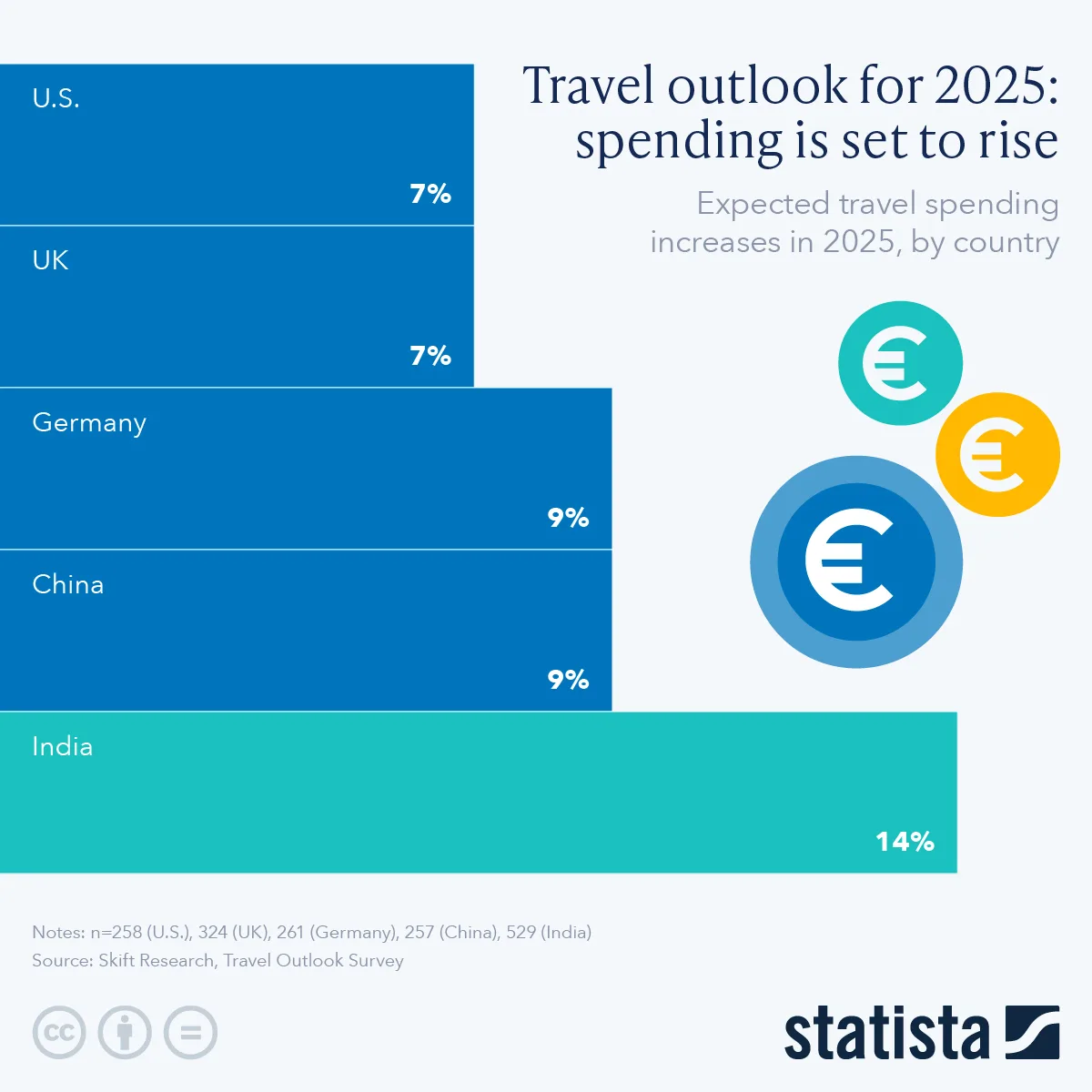
    As we look ahead to 2025, the travel industry is poised for significant growth. According to Skift Research’s Global Travel Outlook 2025, travelers from across five major countries are expressing a strong desire to increase their travel spending, reflecting a renewed optimism in global exploration and adventure. This upbeat sentiment is particularly pronounced among Indian travelers, who lead the charge with expectations to boost their trip expenditures by an impressive 14%.

    The Factors Driving Increased Travel Spending

    Post-Pandemic Recovery

    The gradual recovery from the COVID-19 pandemic has rekindled the wanderlust in many consumers. With restrictions easing and vaccination rates soaring, travelers feel more confident planning their trips again. This return to normalcy has sparked excitement and an eagerness to achieve the travel experiences that were put on hold during the pandemic.

    Economic Growth and Increased Disposable Income

    Economic indicators suggest that many countries are experiencing robust economic growth, which translates to increased disposable income for consumers. This financial flexibility equips travelers with the ability to invest more in leisure, culture, and exploration. A thriving economy not only encourages travel but also impacts the confidence of consumers in making larger purchases such as vacations.

    Insights from the Survey: Country-Specific Trends

    Indian Travelers Lead the Charge

    The survey reveals that Indian travelers are at the forefront of increased travel spending plans, intending to devote 14% more of their budget to travel. This ambitious approach can be attributed to factors such as a vibrant domestic travel market, rising incomes, and a burgeoning middle class eager to explore both local and international destinations.

    Other Countries’ Perspectives

    While India is leading the pack, travelers from other surveyed countries also anticipate spending more in 2025. Here, we can delve into trends from other key nations:

    • United States: With a strong emphasis on international travel and experiencing new cultures, American travelers are expected to allocate more funds towards overseas trips, resulting in a broader global footprint.
    • United Kingdom: British travelers are keen on holidaying in European destinations, with plans to increase expenditures on accommodations and premium experiences, such as fine dining and exclusive tours.
    • Australia: Australians are likely to indulge in travel closer to home, enhancing their spending on local adventures and unique experiences that showcase their country’s natural beauty.

    The Impact of Travel Trends on the Industry

    Rise of Experiential Travel

    As travelers prepare to spend more, there is a notable shift towards experiential travel. Travelers increasingly desire immersive experiences that allow them to connect with different cultures and communities. This trend encourages industry players—from airlines to local tour operators—to innovate and offer packages that highlight authentic cultural experiences over traditional tourist attractions.

    Emphasis on Sustainable Travel

    Another influential trend is the heightened focus on sustainability. As consumers become more environmentally conscious, there is a demand for travel options that prioritize eco-friendliness. Traveling sustainably not only benefits the environment but also appeals to a growing segment of the population that places value on responsible tourism.

    Shifting Expectations in the Travel Experience

    Personalization of Travel

    With more money to spend, travelers are also looking for personalized interactions and tailored experiences. The travel sector is responding with customized itineraries, personalized services, and unique accommodations that align with individual preferences. This demand drives innovation in how travel services are marketed and delivered.

    Technology Integration

    Technology continues to transform the travel landscape, with advancements in mobile apps, virtual reality, and AI-driven solutions enhancing the traveler experience. From planning to booking and enjoying one’s trip, technology helps streamline processes, making travel more accessible and enjoyable.

    Conclusion (Omitted)

    Travel for the future looks promising as increased spending, consumer confidence, and innovative trends pave the way for a vibrant industry revival in 2025 and beyond.