الوسم: composition

  • Top Team Composition for Solving in Deep Rock Galactic: Rogue Core

    Top Team Composition for Solving in Deep Rock Galactic: Rogue Core

    Deep Rock Galactic: Rogue Core features only five Reclaimers, which are the playable classes in the game. A typical team consists of four Reclaimers, so one class will always be absent from the lineup. It’s unclear if more classes will be added later, but currently, these are the options available.

    Among the five classes, I believe Falconer and Guardian are essential. Falconer delivers high damage with a drone hawk that attacks enemies and can also be used to revive allies from afar. Falconer is especially useful in clutch situations—if you’re the last one alive, you can quietly revive teammates while staying mobile. I enjoy using high-mobility builds, along with weapon upgrades focused on weak point damage, critical hits, and long-range damage.

    The Guardian is a sturdy tank class that focuses on health and armor enhancements, taunting enemies, and using abilities to boost armor regeneration. Its main role is to stay alive, deal damage through big explosions, and use the repel ability to keep enemies away from key locations like elevators. For upgrades, I prefer defensive improvements like extra armor, increased health, and bio booster upgrades that add bonus armor. For weapons, shotguns and grenade launchers work well, especially when geared toward defense.

    Retcon is an incredibly valuable support class. It can rewind time and revive the last dwarf standing if you take fatal damage, which can save many runs. Combining Retcon with Falconer for extra revives or Guardian to keep enemies at bay makes the team more resilient. I typically select defensive options such as extra armor, health, and health regeneration to stay alive long enough to make the most of Retcon’s abilities.

    Spotter offers useful team support by providing ammunition drops and enemy spotting through walls. The extra ammo is particularly helpful since the ammo supply in Rogue Core can be tight. Having a Spotter on your team means everyone has more bullets to handle the increasingly tough enemies.

    Overall, this team setup provides strong damage and revival capabilities with Falconer, solid defense with Guardian, crucial time-rewinding with Retcon, and additional ammunition support via Spotter.

  • Army Composition Tips for Europa Universalis 5: Completing and Solving Strategies

    Army Composition Tips for Europa Universalis 5: Completing and Solving Strategies

    Sometimes, war is unavoidable when ruling a country in Europa Universalis 5. Victory depends not just on how big your military is, but also on how well you form your militias, as this plays a crucial role in your country’s success during battles.

    Your army’s setup in EU5 is very important. Each group of fighters has advantages and disadvantages that you need to consider both overall and in specific battle situations. Since different countries have specialized troops and terrain factors also influence combat, your military leaders have to plan carefully.

    Army Composition Can Make Or Break Battles

    Your choice of units can determine whether you win or lose. The game visually shows this with images, like hiring mercenary leaders for your armies.


    Understanding Unit Types

    In the beginning, your country will rely on civilian volunteers to fight, but eventually, you’ll maintain a professional, standing army. These soldiers are ready to fight on short notice, allowing civilians to return to their normal roles. As technology advances, having a powerful military becomes more important.

    There are two main strategies to master for success: understanding the different troop types and placing them in the best positions on the battlefield. Each troop type has its unique strengths, and knowing how they work helps you position them advantageously.

    Most armies fall into a few main categories:

    • Infantry: Ideal for ground fights, charging into battle on foot with various weapons. They’re good for sieges and usually cost less to maintain.
    • Archers: Provide ranged support, attacking from a distance and flanking the enemy, offering cover fire.
    • Cavalry: Charge ferociously into close combat. They’re great for breaking through enemy lines and move quickly but tend to be more costly to keep.
    • Artillery: Supply ranged support with heavy weapons, dealing damage from afar.

    Battle Types And Unit Formations

    When designing your army, consider each unit’s special abilities. Proper placement maximizes their effectiveness. Battles are typically organized into three main positions: center, left flank, and right flank. It’s also wise to keep some units in reserve as backup.

    These positions mostly act independently, each attacking the enemy in their own way. Flanking units, like archers and artillery, should be positioned to fire on advancing foes without engaging directly in the front lines. Cavalry benefits from flanking, dealing extra damage when attacking from behind or sides. Infantry usually lines up in the center, fighting directly with the enemy, especially against large attacking forces. Your strongest infantry should handle the main battles, absorbing and dealing the biggest damage. Grouping similar units together provides support and coverage.

    The game allows you to distribute troops evenly across the battlefront, which is helpful for beginners or if you haven’t specialized your units yet. It also factors in morale and supplies when assigning units to positions, influencing their effectiveness.

    Using the terrain to your advantage is also vital; the land can provide cover and support, just like well-trained troops. Strategically positioning your strongest units where they can fight most effectively can turn the tide of battle, especially since units will generally attack opponents directly opposite to their position, but they can adjust their aim if needed. Planning your army’s formation with this in mind can give you an edge.

  • Tips for Completing Your Team Composition in Marvel Rivals

    Tips for Completing Your Team Composition in Marvel Rivals

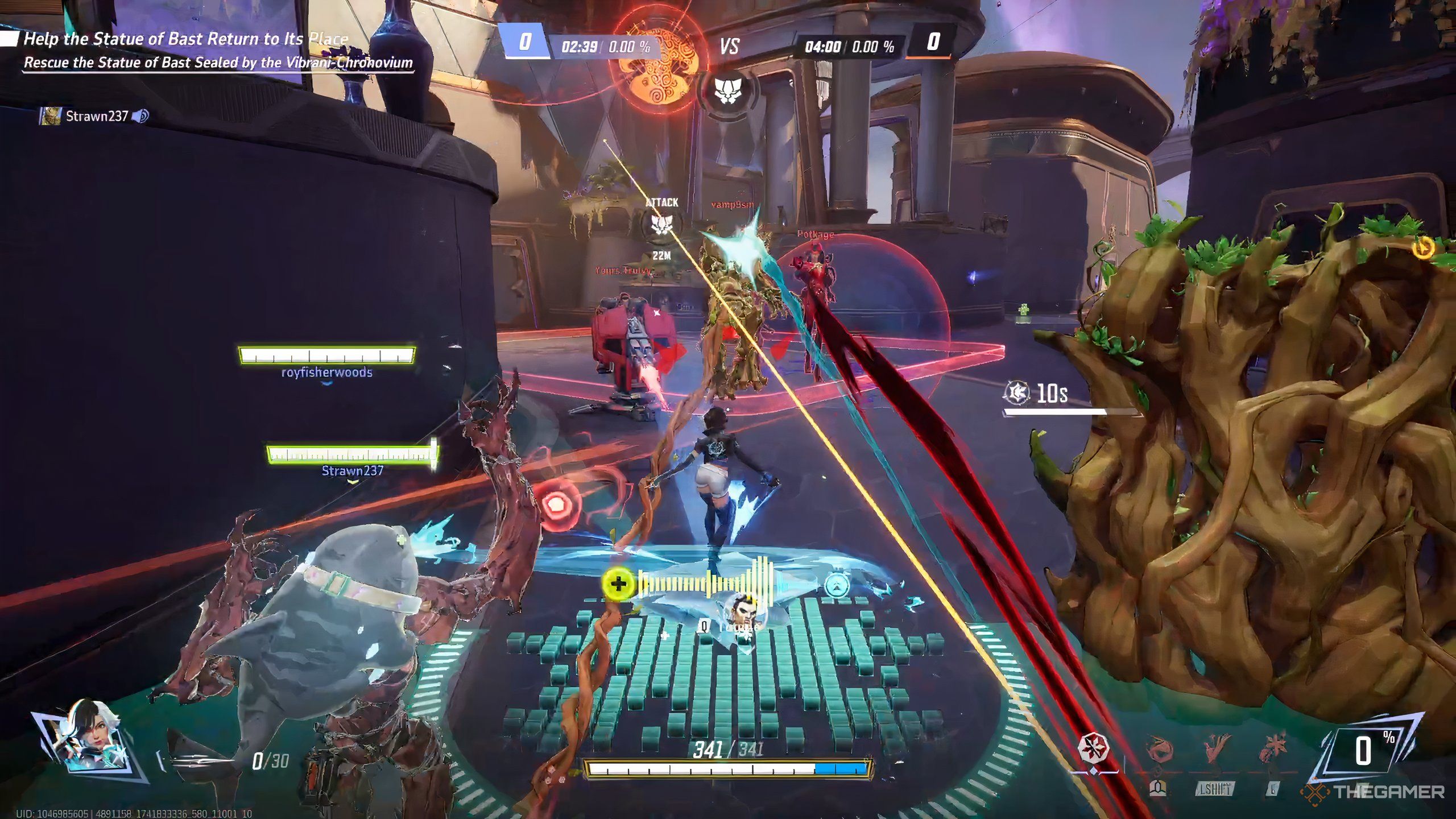
    Building a strong team composition is vital for securing victory in a match of Marvel Rivals. It’s not just about filling roles like two vanguards, two duelists, and two strategists. Success hinges on more nuanced factors that can significantly impact your chances of winning. Whether you’re a newcomer to hero shooters or simply new to Marvel Rivals, this guide covers everything essential for crafting a balanced team.

    Understanding Team Composition

    In Marvel Rivals, your team’s composition reflects its strengths and capabilities. Key considerations include:

    • The number of heroes in each role
    • The types of heroes you choose
    • The overall playstyle of your team

    To start, aim to include at least one hero from each role: vanguard, duelist, and strategist.

    It’s important to note that there aren’t strict rules for how many heroes you should designate to each role, as Rivals has no rigid role queue.

    Hero Types and Playstyle

    Playing effectively requires an understanding of the different hero types and their associated playstyles. There are four primary hero types you should familiarize yourself with.

    1. Poke: In a poke playstyle, heroes attack from afar to sap the enemy’s resources over time. Examples include Peni Parker, Hela, Punisher, and Luna Snow.

    2. Dive: Dive heroes engage the enemy’s backline, catching opponents off guard. Notable dive heroes are Venom, Thor, Iron Fist, and Psylocke.

    3. Brawl: Brawl heroes excel in close-quarter combat and use their strength to dominate in melee battles. The Hulk, Wolverine, and Mister Fantastic are great examples.

    4. Rush: Rush heroes aggressively push forward and aim to eliminate enemies quickly. Characters like Venom and Cloak & Dagger fit this style well.

    Running a team that lacks strategists is typically a poor choice and can lead to a frustrating gameplay experience.

    Balancing Your Team Composition

    A common approach to team composition involves having two vanguards, two duelists, and two strategists. This setup often leads to a balanced team ready to face opponents. However, context matters significantly; not every enemy team will fit neatly into this archetype.

    Ultimately, selecting heroes should revolve around the required roles and the intended playstyle of your team.

    Examples of Hero Selection

    Here are a few instances of hero selection based on playstyle and composition:

    1. Poke Composition: If your team has two vanguards and two duelists but only one strategist, you should consider adding a poke-based strategist like Rocket Raccoon or Loki.

    2. Dive Composition: If your team is focused on a dive strategy with only one vanguard, consider adding a second vanguard such as Thor or Peni Parker for better support.

    3. Brawl Composition: Your team may have more than enough strategists, allowing you to choose a brawl-focused duelist like Wolverine to enhance damage output.

    4. Rush Composition: If all your heroes possess good mobility and you have a balanced team, you can enhance your rush strategy by adding a high-mobility strategist like Luna Snow.

    While achieving balance is crucial, flexibility remains vital. Remember, avoid creating a team that fights against itself—like having a poke hero if most of your team favors melee.

    Countering the Enemy Composition

    Understanding how to counter your opponent’s team composition is essential. Different compositions can effectively neutralize one another:

    • Poke can be countered by Dive
    • Dive can be countered by Brawl/Rush
    • Brawl/Rush can be countered by Poke

    Keep in mind that these are general guidelines; effective counters depend on engaging in the appropriate playstyle to fully leverage your team’s strengths. If you’re utilizing a brawl or rush approach, you’ll still need to confront divers in your backline directly.

    With this knowledge, you’ll be well-prepared to enhance your gameplay and improve your chances of victory in Marvel Rivals!

  • Top Strategies for Optimal Team Composition in Smite 2

    Top Strategies for Optimal Team Composition in Smite 2

    Smite 2 offers players remarkable flexibility in team composition compared to other MOBAs. You can choose any character for any role, which encourages experimentation—even if some combinations might not perform optimally.

    While there are no strict rules governing team composition, certain strategies tend to work more effectively than others. The tips outlined here can be seen as guidelines, but feel free to get creative and break them if you think it will benefit your team.

    As of now, Smite 2 is in Early Access, and the information shared here may undergo significant changes as the game evolves.

    Bring A Diverse Team

    Your team should have a variety of strengths. Having many characters with similar abilities can also lead to shared weaknesses. Instead, a team with diverse strengths will be able to adapt and formulate strategies more effectively, as long as everyone plays their role well.

    Or Focus On One Key Strength

    The point above is not an absolute rule. Teams that concentrate on a specific aspect, such as area-of-effect (AoE) damage, can be quite powerful, but they may lack in other areas, like single-target damage. If the opposing team identifies this weakness, they can take advantage of it.

    Planning Your Duo Lane

    The Duo Lane provides much flexibility because it typically has multiple characters from each team, opening up numerous combination possibilities.

    • It’s often beneficial to include one melee and one ranged character in the Duo lane. If you have a tank-like Support, pairing them with a ranged Carry allows the Carry to safely deal damage from behind the Support.
    • Conversely, if your Support character is ranged and mainly focused on healing, including a melee Carry can permit the Support to prioritize their healing role without constant interruptions from enemy attacks.

    Currently, the only Carry character who can effectively use melee Basic Attacks is Ullr. However, some characters can handle close-range situations better than others, allowing them to protect the Support character without needing to engage in melee combat constantly.

    Some successful character combinations include:

    • Geb (Support) and Danzaburou (Carry)
    • Sobek (Support) and Zeus (Carry)
    • Ullr (Carry) and Yemoja (Support)
    • Zeus (Carry) and Aphrodite (Support)

    On the other hand, having two melee characters can put significant pressure on your opponent, especially if they are the only ones nearby.

    Consider Early and Late Game

    The early game and late game experiences will be markedly different, so a character or playstyle that excels in one phase may struggle in the other.

    Compensate for Early Game Weaknesses

    Some characters, like Jing Wei, tend to be weak early on but become very powerful later. To mitigate this early disadvantage, picking strong Support characters like Geb or Sobek can provide the necessary coverage. Sobek and Geb remain effective in the late game, potentially bolstering a powerful Jing Wei behind them.

    Characters that may start slowly but grow stronger later include:

    • Jing Wei
    • Hua Mulan
    • Thanatos

    Build for Late Game with Smart Choices

    Your selection of gods may shift as you plan for late game. For example, Ra excels in the middle or solo lane, where he may be isolated for extended periods. This can make it challenging to utilize his God Aspect effectively for Support.

    However, as the game progresses, team fights become more common, and maintaining that God Aspect can bolster your team’s overall Support. If your team includes a tanky Support character, you can still have healing capabilities in the late game or stack extra healing resources.

    Examples include:

    • Ra – Late-game healer
    • Hercules – Late-game tank
    • Sobek – Late-game tank
    • Baron Samedi – Late-game hybrid

    Your choice of Solo God will greatly influence your team’s late-game capabilities. Many solo characters are self-sustaining and can fill a variety of roles, from tanking to healing, or a mix of both.

    Mobility Creates Opportunities

    A team composed of high-mobility characters can take advantage of rotations through lanes during a match, gaining leverage when necessary. For instance, the Jungler typically represents this flexibility, moving between lanes from their base in the jungle.

    However, other characters can exhibit this mobility as well. Athena is a prime example of a character capable of swiftly navigating the map to assist teammates or create unforeseen advantages against the enemy.

    Other notable high-mobility characters (excluding those primarily in the Jungler role) include:

    • Medusa
    • Fenrir
    • Jing Wei
    • Susano
    • Hecate

    Incorporating a few of these characters into the same team can result in a dynamic and challenging group for opponents to track throughout the match.