الوسم: chip design

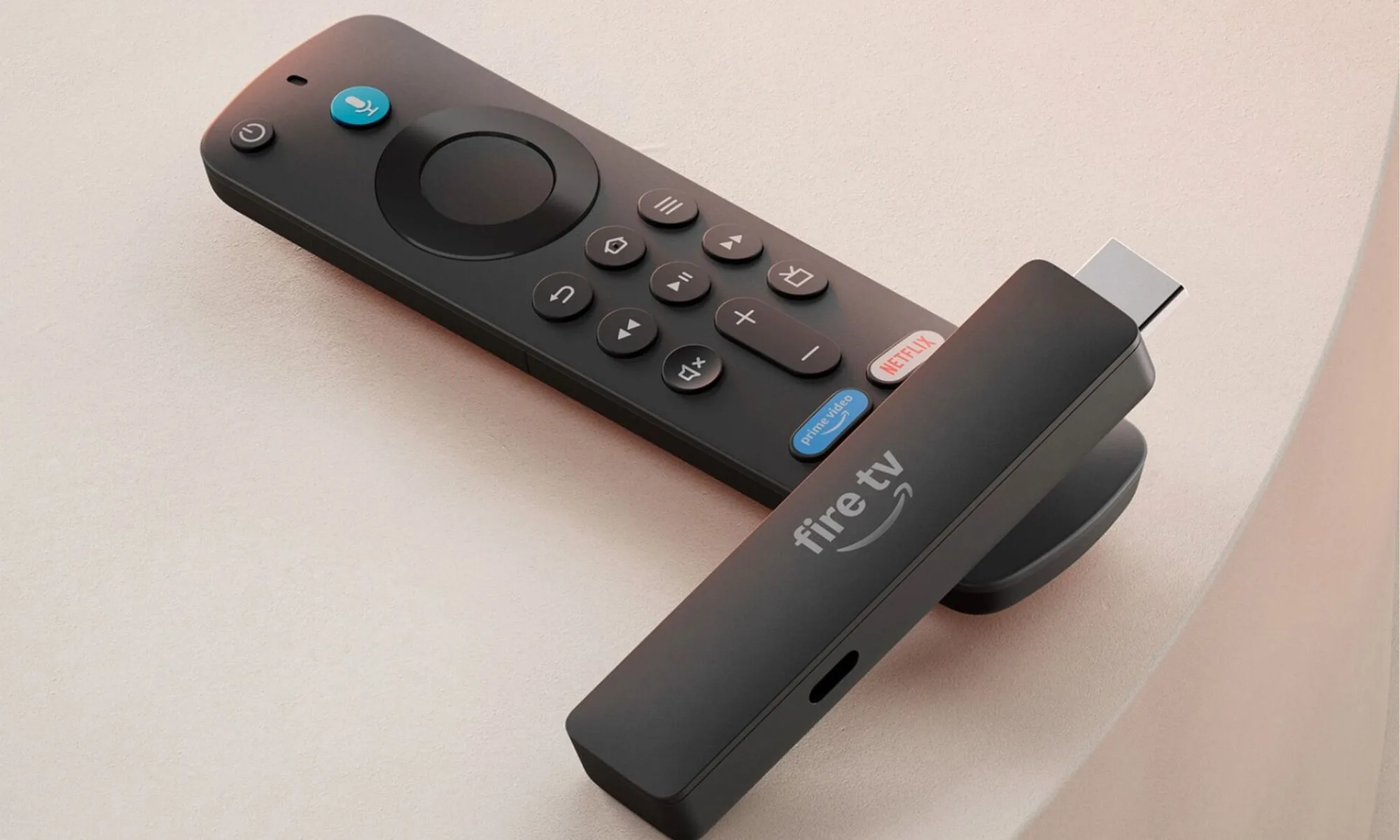
  • Amazon Aims to Design In-House Chips for Kindles Fire TV and Echo

    Amazon Aims to Design In-House Chips for Kindles Fire TV and Echo

    Amazon appears to be preparing to shift away from sourcing processors externally for its consumer electronics, marking a significant change after two decades. Industry analyst Ming-Chi Kuo reports that the company plans to adopt a customer-owned tooling (COT) model for its internally developed chips, similar to its approach with Trainium AI chips. This means Amazon will now design its own processors in-house instead of purchasing from third-party suppliers. The transition is expected to start around 2027 and will impact a broad range of products, including Kindle, Fire TV, Echo, Alexa-enabled devices, Blink cameras, and Ring doorbells.

    Amazon has reportedly selected Alchip as its exclusive partner for backend chip design and testing. Once fully implemented, the company anticipates producing approximately 40 million units of these in-house processors annually.

    The move comes at a strategic time, driven by financial factors. Amazon’s cash flow over the past year experienced a 95% decline, plunging to about $1.2 billion, partly due to its substantial investments in AI. In a CNBC interview, Panos Panay, Amazon’s hardware head, confirmed that the company already designs complete silicon solutions for products like the Echo Show 8, Echo Show 11, and Fire TV. These chips, including the AZ3 and AZ3 Pro launched in October 2025, are designed to run AI models locally, reducing reliance on cloud processing. While Amazon still utilizes third-party chips where appropriate, Panay emphasized that some key devices are moving toward proprietary silicon, with hints of a broader roadmap that extends beyond smart home products to mobile and portable devices.

  • Arm May Cancel Qualcomm’s Chip Design License

    Arm May Cancel Qualcomm’s Chip Design License

    According to a report from Bloomberg, Arm Holdings PLC has decided to end its licensing agreement with Qualcomm Inc., issuing a 60-day notice for cancellation. Should this termination proceed, Qualcomm may have to halt the sale of its Arm-based chips, which constitute a significant portion of its smartphone offerings and the new Snapdragon chips utilized in its Copilot+ PC series.

    The ongoing feud between the two companies dates back several years, beginning in 2021 when Qualcomm acquired the chip design firm Nuvia, founded by former Apple developers of the M1 chip. The core of the conflict revolves around the licensing agreements that Nuvia had with Arm and whether Qualcomm’s acquisition infringed on Arm’s conditions. Arm is seeking to revise the licensing terms now that Nuvia has switched ownership, while Qualcomm contends that renegotiation is not warranted.

    The cancellation notice includes demands for Qualcomm to stop the development of Arm-based Nuvia chips and to destroy any remaining stock. This request is quite drastic, with a Qualcomm representative telling Bloomberg that Arm is attempting to “strong-arm a longtime partner.” This action may be seen as a strategic move to sway the legal battle between the two firms.

    Throughout their long-standing relationship, Qualcomm and Arm have collaborated for over 25 years, with Qualcomm first licensing Arm technology in 1998. Currently, Qualcomm generates nearly $40 billion in annual revenue, heavily reliant on chips developed using Arm architecture.

    These chips are integral to most current Android smartphones, and the newly unveiled Snapdragon 8 Elite is expected to power an upcoming generation of Android devices. Qualcomm’s growth in the laptop processor market has also seen success, with the Snapdragon X Elite chips now being utilized in a variety of Copilot+ PCs running Windows on Arm. Therefore, the implications of a definitive split between the two companies could be significant.

    Qualcomm could face severe consequences if it disregards the cancellation notification and maintains its current stance against Arm’s licensure renegotiation demands. The company’s stock has already seen a 5% drop following the Bloomberg article. It remains to be seen how Qualcomm will respond in the coming weeks.