China’s third aircraft carrier, the Fujian, officially entered service following a ceremony this week marking its transfer to the navy, according to state media. This milestone is a significant part of President Xi Jinping’s effort to modernize China’s military. The event took place at a naval port in Hainan, a southern island province, attended by Xi himself and over 2,000 personnel from the navy and carrier construction units. The atmosphere was described as grand and enthusiastic, with Xi participating in a tour of the vessel and inspecting its combat capabilities, including its electromagnetic catapult system—an advanced technology that enables larger payloads to be launched more efficiently than traditional steam-powered systems. The only other carrier equipped with EMALS is the USS Gerald R. Ford.
The Fujian joins China’s fleet alongside the Liaoning, the oldest carrier commissioned in 2012, and the Shandong, which came into service in 2019. Analysts note the Fujian features more sophisticated take-off systems, signaling a leap forward in Chinese naval aviation capabilities. Following successful sea trials, the vessel now joins China’s active carriers.
During the ceremony, footage showed Xi and top leaders observing the launch and control of the carrier, highlighting its strategic importance. The ship recently conducted a transit through the Taiwan Strait—an area sensitive due to its proximity to Taiwan and territorial disputes in the South China Sea—serving as a potential show of force aimed at rivals and regional neighbors. Videos also surfaced of aircraft, including China’s fifth-generation J-35 stealth fighters, taking off and landing aboard the ship. China’s state media heralded the Fujian as a groundbreaking development in their carrier program and a key milestone in navy modernization efforts.
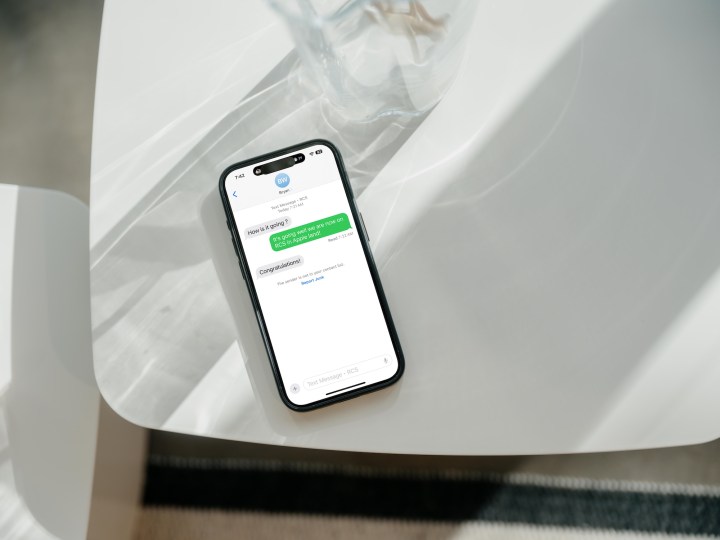
RCS messaging has surged in popularity over the last year, particularly in Western markets. Currently, it’s estimated that over 1 billion users are utilizing RCS messaging, with a significant portion of this growth credited to Apple’s integration of RCS in iOS 18.
Since its launch in September, iOS 18 has facilitated RCS messaging interoperability with Android devices. However, support from carriers was initially limited. Recently, Apple has updated its support page, listing additional carriers that now support RCS.
The following carriers are included:
AT&T
C Spire
Consumer Cellular
Cricket
FirstNet
H20 Wireless
Metro by T-Mobile
PureTalk
Red Pocket
Spectrum
T-Mobile USA
TracFone/Straight Talk
US Cellular
Verizon Wireless
Visible
Xfinity Mobile
While this list has expanded, it isn’t exhaustive. Some networks, like Boost Mobile, provide RCS support but are not officially listed. Nonetheless, this information can serve as a helpful guide for anyone considering their choice of carrier.
Notably absent from the list is Google Fi. A few months ago, Google made it clear that support for RCS between iPhone and Google users could only be enabled through Apple. As of now, Google Fi does not facilitate RCS messaging between itself and iPhones.
Bryan M. Wolfe / Digital Trends
What exactly is RCS messaging? You can think of it as a modern enhancement to SMS and MMS. Although not a perfect equivalent, it essentially provides functionality similar to Apple’s iMessage, including features such as read receipts and the ability to send high-resolution images without losing quality.
It’s worth noting that RCS is not designed to entirely replace messaging platforms like iMessage. While it offers improvements over traditional SMS, iMessage includes features that are not available in either SMS or RCS. Nonetheless, RCS represents a significant advancement, and it’s promising to see more carriers adopting it, allowing more individuals to transition away from standard SMS.
In today’s competitive smartphone market, many carriers are enticing potential customers with the allure of free phones. This strategy not only drives new subscriptions but also promotes upgrades for existing users. Here, we’ll explore the prominent U.S. carriers that offer free smartphones, the terms attached to these offers, and what you should know before jumping in.
Major Carriers Offering Free Phones
Several major carriers in the United States are known for running promotions that feature free smartphones. Below are some of the key players and what they typically provide.
1. Verizon
Verizon has been known to offer customers the chance to get a free phone under certain conditions.
Eligible Models: Offers often include popular models like the iPhone or Samsung Galaxy series.
Requirements:
Must switch to an unlimited plan.
Typically requires a trade-in of an eligible device.
Flexibility: Offers vary by location and can change frequently.
2. AT&T
AT&T frequently has promotions for free smartphones to attract new customers and retain existing ones.
Device Choices: Options may include flagship phones or budget-friendly devices.
Conditions:
Requires an upgrade or a new line on an eligible plan.
May require a trade-in device.
Timing: Promotions align with major holidays or new product launches.
3. T-Mobile
T-Mobile offers some enticing free phone promotions, especially for customers willing to switch carriers.
Select Phones: You might find offers on the latest iPhones and Android devices.
Terms:
New customers often qualify for better deals.
Usually requires an unlimited plan.
Switching Benefits: Cash incentives may also be offered to those who migrate from a competing carrier.
Lesser-Known Carriers with Free Phone Offers
While the big three carriers often grab headlines with their free phone promotions, several smaller or regional carriers also have notable offers.
1. Metro by T-Mobile
Device Range: Primarily features mid-range smartphones.
Switching Deals: New customers can get a phone for free when switching from another carrier.
Plan Requirement: The offer generally requires signing up for a certain plan.
2. Cricket Wireless
Affordable Options: Offers free phones, mainly focusing on budget devices.
Prepaid Options: Available for customers opting for prepaid plans.
Trade-in Offers: Incentives for those who trade in existing devices.
Key Considerations for Free Phone Offers
While free phone promotions can be tempting, it’s essential to consider a few factors before committing.
Hidden Costs:
Review the total cost of the plan, as monthly payments can be higher.
Watch out for activation fees and other charges.
Trade-in Requirements:
Ensure your current phone is in good condition if a trade-in is necessary.
Check if there are restrictions on the device model or brand.
Contract Terms:
Many promotions may require signing a contract for a specific length of time.
Understand what happens if you wish to cancel early.
Plan Limitations:
Some offers may only be available on specific plans or promotions.
Determine if the plan’s features meet your needs (like data limits or additional fees).
By evaluating these offers according to your personal needs and preferences, you can make a more informed decision when seeking a free phone deal with a carrier.
The Federal Communications Commission (FCC) in the United States is weighing a new regulation that would require mobile carriers to unlock phones within 60 days following purchase. Major carriers, particularly AT&T and T-Mobile, have expressed caution about this proposal, warning that it could adversely affect customers. In a recent submission to the FCC, T-Mobile stated, “Should the Commission impose a standard unlocking policy, it is the consumers—rather than the providers—who would be at a greater disadvantage.”
T-Mobile elaborated further, asserting, “Consumers might miss out on the advantages of free or substantially subsidized devices, as this initiative would compel providers to offer fewer attractive handset options.” AT&T echoed this sentiment, noting that “mandating the unlocking of handsets before they have been fully paid off may ultimately hurt consumers by pushing up device prices and discouraging financing on flexible terms.”
T-Mobile also cautioned that any FCC regulations should preserve existing contracts between customers and providers, allow at least 180 days for carriers to identify fraud before unlocking a device, and provide a minimum of 24 months for carriers to adapt to any new rules.
In essence, the carriers argue that keeping phones locked benefits customers and helps maintain lower prices. Conversely, consumer advocates supporting the new regulation contend that it would promote greater choice and lower costs. Unlocked phones enable consumers to switch carriers with ease whenever they wish.
T-Mobile
This proposal was introduced earlier this year, and the FCC is currently soliciting public feedback before making a decision. The suggested rule mandates that “all mobile wireless service providers must unlock devices 60 days after a consumer activates their phone, unless the provider determines during this period that the device was acquired through fraudulent means.”
The FCC criticized T-Mobile’s practice of locking prepaid phones for a full year when the proposal was announced. As the third-largest mobile provider in the U.S. after Verizon and AT&T, T-Mobile unlocks postpaid phones that have been active for at least 40 days but maintains a 365-day lock on prepaid devices, which has sparked frustration among customers, especially following a price hike earlier this year.
AT&T’s policies currently allow for phones to be unlocked after 60 days for postpaid users, while prepaid devices can take up to six months. Verizon generally complies with the FCC’s proposed regulations, unlocking phones automatically after 60 days for both prepaid and postpaid customers.
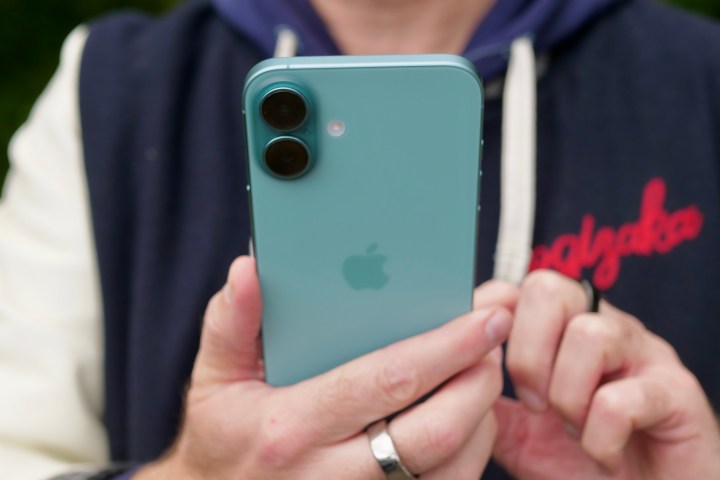
Unlocked phones give consumers the ability to easily move between carriers as they see fit.Andy Boxall / Digital Trends
Carriers lock phones for various reasons, which include minimizing customer turnover, recouping costs associated with device subsidies often used to attract new customers, and preventing fraud. Unfortunately, when a phone is locked, users face significant challenges in switching carriers, which can lead to higher overall expenses as they juggle phone payments alongside service bills. The unlocking process can be cumbersome, often requiring users to call their carrier or pay a fee.
Consumer advocacy groups supporting these proposed rules include Public Knowledge, the Open Technology Institute at New America, Consumer Reports, the National Consumers League, the National Consumer Law Center, and the National Digital Inclusion Alliance.
While the FCC has not set a timeline for implementing this rule, the upcoming change in presidential administration in January could result in alterations to the board’s composition, potentially increasing the likelihood of a vote on the proposal before the year ends.