الوسم: cancer prevention

  • Scientists Discover New Health Benefit of Metformin Beyond Diabetes

    Scientists Discover New Health Benefit of Metformin Beyond Diabetes

    Credit: Unsplash+

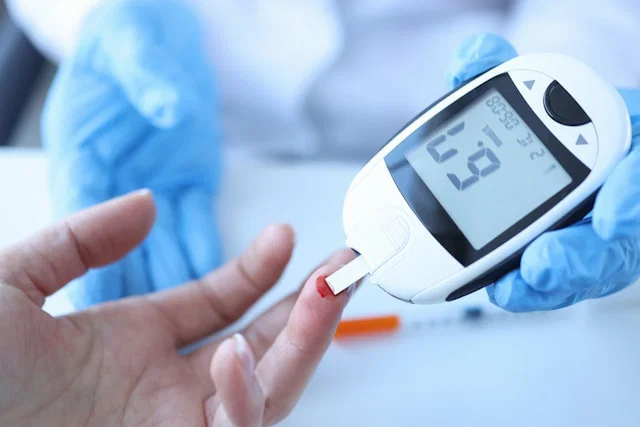
    For many years, metformin has been the primary medication prescribed for managing type 2 diabetes. Millions of individuals take it daily to control blood sugar levels and decrease the chance of diabetes-related complications.

    Recently, researchers suggest this widely used drug might have another unexpected benefit: a potential association with a reduced risk of prostate cancer in men.

    Researchers from the University of Otago examined a decade’s worth of scientific evidence to better understand the long-term health effects of metformin. Their extensive review included studies involving approximately 2.25 million people with type 2 diabetes, making it one of the most comprehensive analyses of its kind.

    Type 2 diabetes is a persistent condition where the body cannot effectively utilize insulin. Elevated blood sugar over time increases the risk of heart disease, strokes, kidney failure, blindness, and nerve damage. Metformin primarily lowers blood sugar by decreasing liver sugar production and enhancing insulin sensitivity.

    Previous studies have indicated that individuals taking metformin often experience lower rates of cardiovascular disease and may live longer than expected. Some research also hints at benefits related to brain health. The new review corroborates these findings, noting reductions in cardiovascular issues, dementia, and overall mortality among metformin users.

    A particularly noteworthy discovery involved prostate cancer. The data indicated that men with type 2 diabetes using metformin appear less prone to developing this prevalent cancer. Although earlier research explored whether metformin might diminish risks for various types of cancer, evidence specifically linked to prostate cancer has been limited.

    Prostate cancer ranks as the second most common cancer diagnosed in men globally. Early detection often leads to successful treatment, but managing advanced stages can be challenging. As men age, the risk of prostate cancer increases, making prevention a growing concern as populations age worldwide.

    Senior researcher Associate Professor Yoram Barak expressed enthusiasm about these findings, suggesting that metformin could have broader health benefits than previously understood.

    However, he cautioned that individuals without diabetes should not start taking metformin solely to lower cancer risk. More robust evidence is needed before such practices can be recommended.

    The researchers also emphasized the importance of studying healthy aging. Advances in medicine are enabling people to live longer, yet many older adults spend their later years battling chronic diseases. Investigating whether existing medications can slow the aging process or prevent age-related illnesses could greatly enhance quality of life and reduce healthcare costs.

    There are notable limitations to this research. Since it relies on previously published studies, it can only identify associations rather than establish a cause-and-effect relationship.

    Variations in diet, physical activity, smoking habits, healthcare access, and other medications might partly explain the observed lower cancer rates. To determine whether metformin directly protects against prostate cancer, randomized clinical trials are necessary.

    Despite these constraints, the review adds to the growing evidence that metformin might provide health advantages beyond blood sugar control. Future studies will clarify whether its effects on aging and cancer risk are real and applicable to individuals without diabetes.

    If you’re interested in diabetes-related topics, consider reviewing studies about bananas and blood sugar, or how honey might help regulate blood glucose levels.

    For more health insights, explore recent research on vitamin D, which could reduce dangerous complications in diabetes, and plant-based proteins that may help reverse type 2 diabetes.

    The study was published in the journal Rejuvenation Research.

    Source: University of Otago.

  • Large Study Finds E-Cigarettes Increase Lung Cancer Risk

    Large Study Finds E-Cigarettes Increase Lung Cancer Risk

    Credit: Unsplash+

    For years, electronic cigarettes and vaporizers have been marketed as safer alternatives to traditional cigarettes. Without burning tobacco, many believed they posed less health risk than smoking. Their colorful flavors, sleek designs, and aggressive advertising reinforced the idea that vaping was a healthier choice.

    Some health experts even argued that e-cigarettes could help smokers quit and lower their chances of developing smoking-related diseases. Quitting smoking remains one of the best steps to improve health — reducing risks of heart disease, stroke, and various cancers. The longer someone stays off cigarettes, the more their health benefits grow. However, increasing concerns have emerged about whether replacing cigarettes with e-cigarettes is truly safe.

    A recent study published in Nature Medicine adds to these worries. Researchers analyzed health data from over 4.5 million individuals in South Korea to examine if using e-cigarettes after quitting smoking impacts the likelihood of developing lung cancer and dying from it.

    Lung cancer remains one of the deadliest forms globally, with approximately 2.5 million new cases and 1.8 million deaths reported in 2022. Smoking is the leading preventable cause of lung cancer, with risk levels rising the longer and more heavily a person smokes.

    Because lung cancer typically develops over decades, understanding the long-term effects of vaping has been challenging. Most previous research focused on short-term issues like cough, sore throat, and breathing problems. Larger, long-term studies are needed to determine if vaping modifies the risk of serious diseases like cancer.

    The study utilized data from South Korea’s National Health Screening Program, involving nearly 4.5 million participants. Researchers tracked smoking and vaping habits over several years and categorized individuals into groups such as current smokers, those who quit briefly, and those who quit long-term. Particular attention was paid to adults aged 50 to 80, who are at higher risk for lung cancer.

    The results were striking. Those who completely stopped smoking had the lowest risk of developing lung cancer and dying from it. Conversely, former smokers who switched to e-cigarettes faced significantly higher risks. Compared to those who quit entirely, e-cigarette users had a 56% greater chance of developing lung cancer and were twice as likely to die from it.

    The study also indicated that vaping might hinder the health benefits gained from quitting smoking. Long-term quitters who abstained from cigarettes for at least five years still faced an elevated lung cancer risk if they used e-cigarettes. Even those who quit smoking less than five years ago saw some protective benefits diminish if they switched to vaping.

    The findings were especially alarming among adults aged 50 to 80. In this group, e-cigarette use was associated with a 91% higher chance of developing lung cancer and a 92% higher risk of death from it, compared to individuals who completely ceased nicotine use.

    Experts warn that e-cigarettes are not risk-free. While they don’t involve burning tobacco, they can still expose users to harmful substances. Studies have detected carcinogenic chemicals like formaldehyde, alongside toxic metals such as lead, nickel, and chromium, in some vaping products. These substances could contribute to long-term damage to the lungs and other organs.

    Although the study does not definitively prove that vaping causes lung cancer, the strong association suggests that using e-cigarettes after quitting smoking may undermine some of the health benefits of abstaining from tobacco.

    These findings challenge the common perception that e-cigarettes are completely harmless substitutes for traditional cigarettes. While vaping may be less damaging than smoking, the best health outcomes are associated with quitting all nicotine products entirely.

    The large scale and extended follow-up of this research highlight the potential serious risks linked to vaping that are only beginning to be understood. Recognizing these risks, healthcare providers and public health officials might need to revisit how they advise smokers and former smokers about e-cigarette use.

    If you’re interested in cancer prevention, consider exploring studies showing that a low-carb diet could raise overall cancer risk and that berries may help prevent cancer, diabetes, and obesity.

    Additional health insights include recent findings on how milk consumption influences heart disease and cancer risk, as well as evidence that vitamin D supplements could significantly lower cancer mortality rates.

  • New Cream Boosts Immunity to Combat Skin Cancer

    New Cream Boosts Immunity to Combat Skin Cancer

    Scientists have created a groundbreaking skin cream that may enhance the body’s ability to combat a common type of skin cancer by activating its own immune defenses. Early findings published in the Journal of Clinical Investigation indicate that this cream could slow tumor growth and potentially prevent some skin cancers from progressing into more serious conditions.

    Developed by researchers at the Perelman School of Medicine at the University of Pennsylvania, the cream successfully stimulated the immune system within the skin in laboratory tests using preclinical models. It helped suppress the growth of tumors associated with cutaneous squamous cell carcinoma, often abbreviated as cSCC.

    With approximately one million new cases diagnosed annually in the United States alone, cutaneous squamous cell carcinoma is one of the world’s most prevalent cancers. Most instances are manageable if detected early and surgically removed. However, roughly five percent of these tumors can metastasize, spreading to other parts of the body. When that occurs, the disease becomes significantly more dangerous and leads to thousands of deaths each year.

    The incidence of this skin cancer is climbing, partly because people are living longer and partly due to increased sun exposure without adequate protection. Ultraviolet rays can damage the DNA in skin cells over time, raising the risk of cancer development.

    Current treatments primarily involve surgical removal, which, although often effective, can be uncomfortable and leave scars. For patients with numerous precancerous spots—especially older adults or those with weakened immune systems—repeated surgeries can be taxing and impractical.

    Existing therapies for widespread skin lesions are limited. Some systemic cancer drugs are not specifically targeted to skin cancer cells, and others can cause significant pain or adverse side effects. This has prompted researchers to look for simpler, more precise options.

    The innovative cream operates by targeting an enzyme called LSD1. Enzymes are proteins that facilitate chemical reactions within the body. Typically, LSD1 acts as a brake on immune signaling pathways in skin cells, helping to regulate immune responses. By inhibiting LSD1, the cream lifts this brake, allowing skin cells to send out signals that summon immune cells to the area. These immune cells can then identify and destroy tumor cells.

    Dr. Brian C. Capell, a dermatologist and lead researcher at the University of Pennsylvania, emphasized that this approach is promising because it leverages the body’s natural immune defenses instead of using aggressive drugs to attack the cancer directly.

    Further cellular studies revealed that a specific group of immune cells, called CD4-positive T cells, are essential in the process. When these cells were removed in experiments, the cream lost its ability to slow tumor growth, indicating that its effectiveness relies on communication between skin cells and the immune system.

    Researchers also observed that blocking a pathway called retinoic acid signaling reversed many of the effects caused by the cream, confirming this pathway’s role in immune activation.

    While the cream is still in the experimental stage and not yet available to patients, the findings are encouraging. Ongoing efforts aim to optimize its safety and effectiveness. In the next one to two years, scientists plan to initiate early clinical trials—known as Phase I studies—to test the treatment in humans for the first time.

    If subsequent research proves the cream to be safe and effective, it could provide a new method for treating both cancerous and precancerous skin conditions. Applied directly to affected areas, it could reduce the reliance on surgeries and help stop some lesions from developing into invasive cancers.

    Preventing the progression of skin cancer could significantly impact public health. An estimated 58 million Americans are living with precancerous skin conditions or early-stage squamous cell carcinoma. A treatment capable of halting these lesions could help many avoid more severe disease.

    Scientists are also exploring the potential of LSD1 inhibitors in other forms, such as oral pills or injections. These treatments could enhance existing immunotherapies that are currently used against advanced skin cancers but only benefit a subset of patients. Combining such strategies might lead to more effective and personalized skin cancer therapies.

    This research marks an important step toward harnessing the immune system to combat skin cancer in innovative ways, offering hope for more targeted and less invasive treatment options in the future.

    For additional insights on skin health, explore studies on how eating fish may increase skin cancer risk or Vitamin B3’s potential in preventing skin cancers. Further research covers topics like the link between vegetable oils and cancer spread, as well as how Vitamin D might aid in skin inflammation treatment.

  • New Study Suggests Vitamin B3 Supplement Could Help Prevent Skin Cancer

    New Study Suggests Vitamin B3 Supplement Could Help Prevent Skin Cancer

    Skin cancer ranks as the most prevalent type of cancer in many countries, particularly in regions with intense sunlight like the U.S. and Australia. Medical professionals have long advised people to safeguard their skin by using sunscreen, avoiding excessive sun exposure, and performing regular skin checks.

    Recently, researchers have started examining whether specific vitamins could help lower the risk of developing new skin cancers. One vitamin of interest is nicotinamide, a form of vitamin B3. This vitamin is related to niacin, another B3 variant that helps produce energy and repair cells. Unlike niacin, nicotinamide doesn’t cause skin flushing or redness. Scientists are interested in nicotinamide because it appears to enhance the body’s ability to fix DNA damage caused by ultraviolet light from the sun.

    When UV rays damage DNA inside skin cells, those cells may sometimes turn cancerous. Improving the body’s capacity to repair this damage could potentially decrease cancer development. The idea that nicotinamide might prevent skin cancer first gained traction in 2015 after a clinical trial involving 386 individuals with a history of skin cancer. Participants in this study took nicotinamide supplements regularly, and results showed they developed fewer new skin cancers compared to those who didn’t take the supplement. As a result, many dermatologists began recommending nicotinamide to their patients with a prior skin cancer history.

    However, that initial study involved a relatively small population. To verify whether the protective benefits would hold in a larger group, researchers sought a system that could accurately track nicotinamide use. They found such an opportunity within the U.S. Department of Veterans Affairs (VA) health system, where medication use is well-documented in medical records.

    In this large database, scientists analyzed data from over 33,800 veterans who had received nicotinamide treatment—typically at a dose of 500 milligrams twice daily for more than a month. They tracked whether these individuals later developed common nonmelanoma skin cancers, such as basal cell carcinoma and cutaneous squamous cell carcinoma, which are frequently linked to long-term sun exposure.

    Among the study participants, approximately 12,300 had taken nicotinamide, while 21,500 had not. Comparing the two groups, researchers found that those who used nicotinamide had a 14% lower risk of developing new skin cancers. The reduction was even more significant in patients who started taking the supplement after their first skin cancer diagnosis, with their risk decreasing by about 54%. This suggests that initiating nicotinamide soon after an initial diagnosis might produce the greatest benefit. Conversely, the protective effect was less pronounced in patients who had a history of multiple skin cancers before beginning supplementation.

    The study also indicated that nicotinamide was particularly effective in reducing the risk of squamous cell carcinoma, a common and sometimes aggressive skin cancer that can spread if not detected early. Basal cell carcinoma, though more common, rarely spreads.

    Led by Dr. Lee Wheless from Vanderbilt University Medical Center and the VA Tennessee Valley Healthcare System, the research underscores the potential of nicotinamide as a preventative measure. Currently, no clear guidelines exist on the best timing to begin taking the supplement, with many doctors recommending it only after multiple skin cancers have appeared. These new findings suggest that earlier intervention could be more beneficial in high-risk individuals.

    While the data is promising, some limitations remain. Since many people buy nicotinamide over the counter, without a prescription, its usage isn’t always recorded—making it hard to study long-term effects comprehensively. Using the VA health system’s detailed records provided an invaluable opportunity to analyze outcomes across thousands of patients.

    Overall, the findings support the idea that nicotinamide could be a useful addition to skin cancer prevention strategies for those at higher risk. Because the study involved a large number of participants, it offers a strong piece of evidence compared to earlier smaller trials. Nonetheless, since it’s an observational study based on medical records, it shows associations rather than establishing complete causality.

    Nicotinamide is affordable, widely accessible, and generally deemed safe at recommended doses. If future research confirms these benefits, it might become a simple and inexpensive tool to help prevent some skin cancers, especially in those with a history of the disease. Still, experts caution that nicotinamide should not replace traditional protection methods like sunblock, protective clothing, and regular skin exams. Instead, it may serve as an additional safeguard for high-risk populations.

    For those interested in cancer prevention, recent studies suggest that common anti-inflammatory drugs could help kill cancer cells, and statins might starve cancer cells of nutrients. Additionally, research has pointed to the potential role of certain Indian fruits in slowing down cancer growth.