When it comes to healthy eating, fat can often feel like a confusing subject. For many years, health experts emphasized minimizing overall fat consumption without much distinction between types of fats.
More recently, the focus shifted toward choosing healthier fats rather than just cutting back on total fat. Olive oil, with its link to heart health and the Mediterranean diet, became a standout example of this approach.
Now, new research suggests that the relationship between dietary fats and cancer might be more complex than previously thought.
A recent study published in Cancer Discovery indicates that some dietary fats could potentially promote pancreatic cancer growth, while others might slow it down. These findings highlight that the ratio of different fats in your diet could play a role in how cancer develops.
The study centered on pancreatic ductal adenocarcinoma, the most common form of pancreatic cancer, which is often diagnosed late and is notoriously difficult to treat. Scientists are eager to uncover lifestyle factors that could help lower the risk.
Earlier studies suggested that diets high in fat might increase the likelihood of developing pancreatic cancer, but those studies often used unrealistic lab diets with extremely high amounts of a single fat source. Because of this, they couldn’t determine which types of fats were actually responsible for the observed effects.
To address this, the Yale research team designed multiple diets that closely resembled real-world eating habits. Each diet provided the same number of calories, allowing researchers to focus solely on differences in fat types.
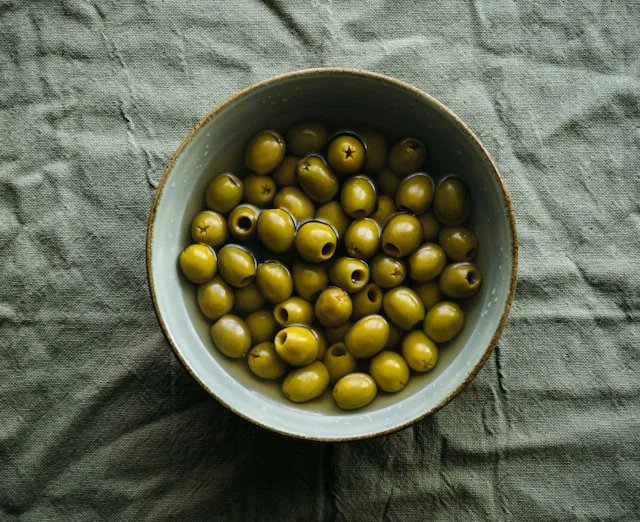
The results revealed a notable pattern: mice fed diets high in oleic acid experienced faster tumor growth. Oleic acid is a monounsaturated fat commonly found in olive oil, high-oleic sunflower oil, safflower oil, peanuts, and other foods.
Conversely, mice eating diets rich in polyunsaturated fats showed slower cancer progression. The most significant protective effects were observed with omega-3 fatty acids, prevalent in fish oil and fatty fish such as salmon, sardines, and mackerel.
Further analysis uncovered the biological reasons behind these differences. It turned out that cancer cells react differently depending on the type of fat incorporated into their membranes.
Polyunsaturated fats made cancer cells more vulnerable to a natural process that promotes the death of damaged cells, which is a crucial defense against unchecked tumor growth. Monounsaturated fats, on the other hand, seemed to shield cancer cells, enabling them to survive and multiply.
The researchers observed a direct link between disease severity and the ratio of monounsaturated to polyunsaturated fats. As the proportion of monounsaturated fats increased relative to polyunsaturated fats, tumor growth intensified. When dietary fats shifted in favor of polyunsaturated fats, cancer development slowed.
An intriguing aspect of the study involved differences between males and females. The cancer-promoting effects of oleic acid were mainly seen in male mice; female mice exhibited a much weaker response. This finding adds to the growing recognition that sex-specific biological differences can influence cancer risk and treatment responses.
The study raises significant questions about cancer prevention strategies. Many patients ask healthcare providers if changing their diets could lower their cancer risk. Unfortunately, definitive answers are hard to come by because nutrition research is complex and often yields mixed results.
While these findings don’t translate immediately into specific dietary guidelines for humans, they offer valuable insights. Future strategies for cancer prevention might focus on optimizing the balance of different types of fats rather than simply cutting overall fat intake.
Researchers are also investigating whether blood levels of certain fatty acids could serve as early indicators of pancreatic cancer risk. If proven effective, this could help identify high-risk individuals before symptoms appear.
It’s important to note that people shouldn’t overinterpret these results. Olive oil continues to be associated with numerous health benefits, particularly for cardiovascular health. This study was conducted in mice, and human research is necessary before making any specific recommendations.
A key strength of this study is its meticulous design. By maintaining consistent calorie levels and only varying the type of fat, the researchers could isolate the effects of specific fatty acids. These findings suggest plausible biological mechanisms through which dietary fats influence cancer development.
However, since the research was done in mice, it doesn’t definitively prove that the same effects occur in humans. Further human studies are essential. Even so, this research underscores the growing importance of understanding not just how much fat people consume but what types of fats are in their diets.
If you’re interested in cancer risk factors, it’s worth looking into studies linking artificial sweeteners with higher cancer risks, or how drinking milk may influence heart disease and certain cancers.
For additional health insights, explore recent research on the best times to take vitamins for heart health and how vitamin D supplements can significantly decrease cancer mortality.
Source: Yale School of Medicine.