الوسم: Browsers

  • AI Browsers Are Coming To Phones From New Innovators

    AI Browsers Are Coming To Phones From New Innovators

    Recently, I’ve had the opportunity to explore a new browser focused on AI called Comet, created by Perplexity. Currently, the browser is accessible by invitation only, with priority given to individuals who have a Perplexity subscription. Nevertheless, the company has ambitious plans for a mobile version.

    Perplexity is in the process of developing a mobile edition of the Comet browser and is in talks with smartphone manufacturers to have it pre-installed on devices. In a recent interview with The Verge, CEO Aravind Srinivas confirmed that the mobile browser is on its way and will function alongside the Perplexity mobile app.

    What’s on the Horizon?

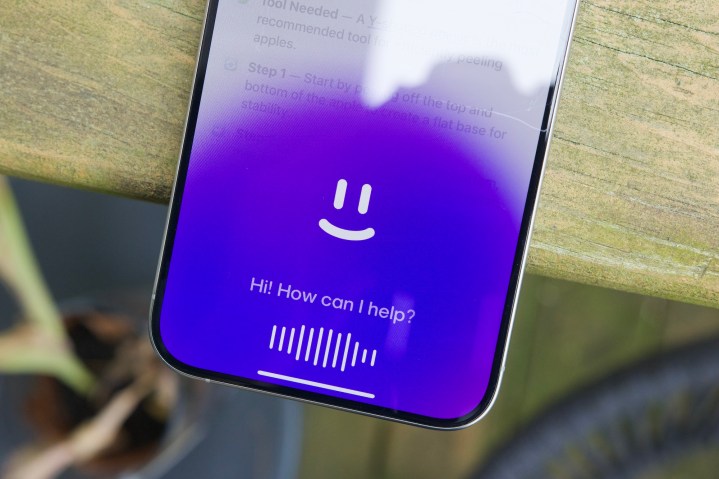
    “Some users will prefer to use the standalone Comet app, similar to how they might use Chrome or Safari, and that’s perfectly fine,” said Srinivas during his appearance on the Decoder podcast. He emphasized that users will be able to engage with any webpage through AI and that the browser will support voice interactions.

    Srinivas also shared that the app will be available for both Android and iOS platforms, using Google’s Chromium and Apple’s WebKit as its foundation. The desktop version of Comet is based on the Chromium engine, the same technology that powers Chrome and Edge among other browsers.

    However, building a web browser is just one piece of the puzzle. Gaining traction against Chrome’s vast user base presents its own unique challenges. To address this, Perplexity aims to pursue partnerships with smartphone manufacturers.

    A Strategic Move

    The company intends to collaborate with smartphone brands to pre-install the Comet app on their devices. “Convincing mobile manufacturers to switch the default browser from Chrome to Comet is no small feat,” Srinivas told Reuters.

    Perplexity has already established a similar agreement with Motorola, enabling the Perplexity mobile app to be pre-installed on their smartphones. Furthermore, the company has implemented custom optimizations that allow users to summon Perplexity via the Moto AI bundle, manage emails, control music playback, and even make restaurant reservations.

    Srinivas acknowledged that the path ahead will be challenging. Google has entrenched partnerships with Android manufacturers that mandate the pre-installation and configuration of Chrome as the default browser. Some of these agreements are currently under antitrust scrutiny.

    The landscape for web browsers is evolving quickly. Google has begun incorporating AI into its Search feature, offering functionalities similar to what Perplexity’s answering engine does. Additionally, my experiences with the Dia and Opera browsers suggest that AI-driven capabilities are poised to become the next major advancement in browser technology.

    Meanwhile, OpenAI, known for developing ChatGPT and being a significant player in the AI field, is reportedly also developing its own web browser. They already offer various products like Operator and ChatGPT agents. Moreover, they maintain a partnership with Apple that deeply integrates ChatGPT with Siri and the broader Apple Intelligence framework.

  • ChatGPT Aims to Compete with Google Search in Browsers

    ChatGPT on a laptop
    Hatice Baran / Pexels

    OpenAI, the developer behind ChatGPT, appears to be making strides toward establishing a third-party search platform that would seamlessly integrate the chatbot into various websites. If this initiative comes to life, it could position OpenAI as a direct competitor to Google’s search services and its browser.

    As reported by The Information, the upcoming search tool, named NLWeb for Natural Language Web, is currently in a prototype stage. OpenAI has presented this prototype to a number of potential partners in sectors such as travel, retail, real estate, and food, mentioning brands like Conde Nast, Redfin, Eventbrite, and Priceline. This tool aims to bring ChatGPT’s search functionalities directly to the websites of these companies’ offerings.

    NLWeb could compete with several applications of Google’s own rapidly evolving Gemini AI tools. Following OpenAI’s initiation of the AI competition in November 2022, Google was among numerous companies to develop its chatbot solutions. Gemini has evolved into a versatile AI assistant and writing aide, also integrated into Google’s search engine to assist users with various tasks—including shopping and travel assistance.

    Data reveals that Google’s Chrome browser dominates the market, holding 66.68% of the global share compared to other browsers. In contrast, ChatGPT’s global traffic reached 3.7 billion visitors in October 2024, closely trailing Chrome’s 3.45 billion. Moreover, ChatGPT’s traffic has been steadily rising since May 2024.

    OpenAI recently rolled out ChatGPT Search, a feature within its chatbot that provides real-time answers to inquiries like sports scores, breaking news, and stock prices. This enhancement is aligning ChatGPT more closely with the functions of Google Search and its AI capabilities.

    At the same time, Google is facing scrutiny from the Department of Justice (DOJ), which is pressuring for an organizational split that could involve selling off its Chrome browser division. This separation could prevent Google from participating in the browser market for five years, giving competitors an opportunity to establish themselves.

    OpenAI has also contemplated developing its own web browser, although sources indicate that progress is still far from being realized, as noted by The Information.

  • Chrome Surges to 65% Market Share Amid Antitrust Fallout

    Chrome Surges to 65% Market Share Amid Antitrust Fallout

    The Rise of Chrome: A Revolutionary Shift in Browsing Experience

    Introduction to Chrome’s Market Entry

    The landscape of web browsing shifted dramatically when Google introduced Chrome on September 2, 2008. Contrary to the doubts surrounding this launch, it quickly became apparent that Google’s entry into web browsers was long overdue. The company had primarily relied on browsers to facilitate access to its core services, particularly Google Search. Therefore, launching a browser ultimately made strategic sense to enhance user experience and secure more control over web interaction.

    The Background Leading to Chrome’s Development

    Google’s Strategic Decisions

    Before the advent of Chrome, Google’s CEO, Eric Schmidt, had been contemplating the development of a web browser for years. However, he believed that the company wasn’t ready to engage in the so-called “browser wars,” a highly competitive market dominated by Internet Explorer, which was then a part of Microsoft’s offerings. By the time Chrome was readied for release, Google had already evolved into a multi-billion-dollar powerhouse, providing a solid foundation to challenge Microsoft’s stronghold.

    The Product Launch

    The official release of Chrome marked a significant technological milestone. Unlike existing browsers, Chrome was designed with speed, simplicity, and security in mind. Its open-source component allowed for broader community involvement, fostering rapid innovation and improvements. Within a year, Chrome was making waves, and by 2012, it had surpassed Internet Explorer to become the world’s leading browser, redefining user expectations and prompting other companies to enhance their offerings.

    Chrome’s Ascent to Dominance

    Rapid Adoption and User Engagement

    Chrome’s user interface was minimally cluttered, making it appealing, especially to users who prioritized efficiency. Moreover, its seamless integration with Google services like Gmail, YouTube, and Drive provided an excellent user-centric approach, encouraging users to adopt Chrome as their primary browser. According to statistics from StatCounter, by 2023, Chrome commanded a staggering market share of approximately 65%, which is more than three times that of its nearest rival, Safari.

    The Influence of Open-Source Development

    One of Chromes’s key advantages has been its open-source project, Chromium. This foundation has allowed developers from around the world to contribute to its functionality and security, leading to a more robust product. As a result, Chrome has consistently released updates to ensure high performance and user satisfaction, incorporating features that cater to evolving browsing requirements.

    Current Landscape and Antitrust Concerns

    The Antitrust Ruling

    Despite its success, Google has faced significant scrutiny from regulatory entities, particularly concerning its dominance over online searches and digital advertising. A landmark antitrust ruling in August 2023 concluded that Google maintained an unlawful monopoly, leading to increased pressure on the tech giant.

    Proposed Remedies from the DOJ

    In response to these findings, the U.S. Department of Justice proposed a series of remedial actions, including the divestiture of Chrome. The intention behind this drastic measure is to reduce Google’s control over the market and foster competition. The implications of such a move could significantly reshape the browser landscape, opening avenues for rival firms and potentially benefitting consumers with more options and diversity in browser capabilities.

    Google’s Response and the Future Direction

    Reaction to DOJ Proposals

    Google has vehemently criticized the DOJ’s proposals, characterizing them as "staggering" and "extreme." The company insists that such actions could jeopardize American innovation and technology leadership. Google plans to present its own recommendations to the court in the coming months, positioning itself to defend its business model and market presence.

    Chrome’s Future in a Competitive Landscape

    As the legal proceedings unfold, the future of Chrome hangs in the balance. If divestiture becomes reality, it could not only fracture Google’s ecosystem but also introduce a wave of new players into the market. This scenario could lead to rapid advancements in browser technology, as competition typically accelerates innovation.

    By examining Chrome’s remarkable growth and the current regulatory landscape, it becomes evident that the evolution of browsers is inextricably linked to broader technological trends and regulatory actions. As Chrome continues to navigate its future amidst challenges, users will observe significant transformations in how they experience the internet.

  • Web Browsers Face Another Coming Disruption

    Web Browsers Face Another Coming Disruption

    Voice search feature in the Arc Search app.
    Joe Maring / Digital Trends

    The Arc browser has certainly revitalized the often-stagnant browser market, but The Browser Company is just getting started. In a recent YouTube video, co-founder and CEO Josh Miller revealed that a completely new browser is currently in development.

    While details about its name and launch timeline remain undisclosed, the focus is on creating a seamless experience for users right from the start. The company aims to ensure that the initial moments with the new browser feel effortless, showcasing its capabilities right away.

    As the team works on this new project, Miller confirmed that updates for Arc will persist, addressing significant bugs and enhancing stability. The team is keen to hear from users and is committed to refining the current feature set based on user feedback.

    The goal is to provide a more accessible and streamlined experience with the upcoming browser. The Browser Company has invested considerable time into this new project, envisioning it as a proactive app platform with a strong emphasis on AI integration. The intention is to craft a browser that surpasses Arc in user engagement and functionality.

    Some innovations the company is considering include horizontal tabs and automation for common tasks, such as transferring data between different applications or retrieving order numbers for customer service. Although no specific release date has been confirmed, speculation suggests a potential launch in early 2025 or later that same year.

    Miller acknowledges the complexities of Arc’s design and its appeal, especially among tech-savvy users. It remains to be seen what core features will define this new browser, along with its unveiling details.

  • Banning Other Browsers For Security, Claims Apple, But Reality Is Different

    Apple is claiming they are banning other browsers, such as Chrome, Edge, Brave, etc., from protecting the devices. But the story is quite different here.

    (المزيد…)
  • You Can Play Google Stadia on Xbox Consoles With Edge Browser

    With the new Edge Browser launch, gamers can play Google Stadia on Xbox by using the chromium-based browser by Microsoft.

    (المزيد…)