الوسم: brewing

  • Ditch boiling water: Researchers create espresso using sound waves

    Ditch boiling water: Researchers create espresso using sound waves

    Dr. Francisco Trujillo with a cup of his new ultrasonic coffee. Credit: Richard Freeman/UNSW.


    For many coffee enthusiasts, making espresso traditionally involves two key elements: extremely hot water and high pressure.

    However, researchers at the University of New South Wales (UNSW) in Australia have challenged that idea by developing an espresso-like brew using room temperature water and ultrasonic sound waves.

    This innovative method could cut the energy required for coffee production by up to 75%, while still delivering a flavorful, aromatic, full-bodied, and caffeinated beverage comparable to conventional espresso.

    The study, published in the Journal of Food Engineering, revealed that most coffee drinkers couldn’t distinguish between the new “ultrasonic espresso” and a classic espresso shot.

    Led by Dr. Francisco Trujillo and his team from UNSW’s School of Chemical Engineering, the project uses ultrasound—sound waves at frequencies beyond human hearing.

    Traditionally, espresso is made by forcing hot water through finely ground coffee under high pressure, a process that consumes a significant amount of energy due to the heating step.

    The UNSW team aimed to achieve the same result without applying heat.

    Their approach involved converting a standard coffee filter basket into an ultrasonic reactor. A small device called a transducer attaches to the side of the basket, producing ultrasonic vibrations when activated, which travel through both the coffee grounds and water.

    These vibrations trigger a phenomenon called acoustic cavitation, where tiny bubbles form and rapidly collapse within the liquid. When these microbubbles burst near coffee particles, they act like tiny brushes or jets, breaking open the surface of the grounds.

    This process accelerates the release of flavor compounds, oils, and caffeine into the water at room temperature, much faster than normal diffusion.

    As a result, the team could brew a concentrated coffee with strength similar to espresso in less than three minutes.

    After extensive experimentation with different coffee-to-water ratios, grind sizes, and brewing times, they found that using finely ground coffee and applying ultrasound for around two and a half to three minutes yielded optimal flavor and concentration.

    To test if consumers could tell the difference, the team conducted blind taste tests with roughly 100 regular coffee drinkers. Participants sampled four different drinks: traditional espresso, ultrasonic espresso, traditional drip coffee, and ultrasonic drip coffee.

    The findings were unexpected. Most participants couldn’t reliably identify which coffee was brewed with sound waves versus conventional methods. They reported no significant difference in taste, aroma, or body.

    Interestingly, many preferred the ultrasonic drip coffee, citing a more pleasing bitterness.

    The researchers believe this technology could eventually find its way into home coffee machines. Still, the biggest potential may lie in large-scale commercial manufacturing.

    Manufacturers of ready-to-drink coffee products could utilize this system to reduce energy costs and speed up production. Since the process produces a concentrated espresso strength, it could also be used to create coffee concentrates for bottled drinks, cold brews, and milk-based beverages.

    If scaled successfully, future espresso might be crafted more with sound waves than boiling water.
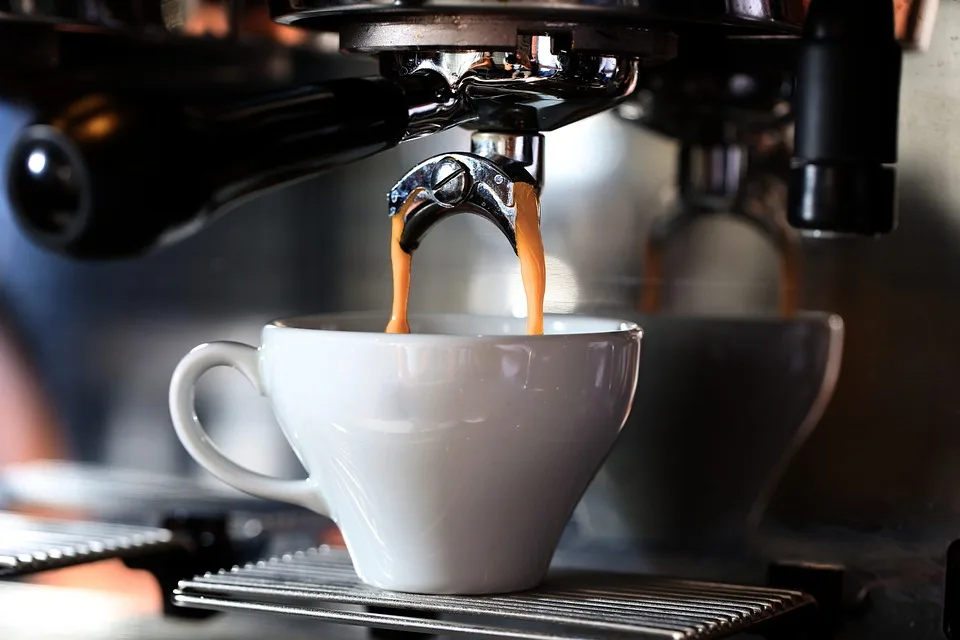

  • Is It Worth Getting an Espresso Machine?

    Is It Worth Getting an Espresso Machine?

    For many coffee enthusiasts, the aroma of freshly brewed espresso is irresistible. The question that often arises is whether investing in an espresso machine is truly worthwhile. With numerous options available in the market, understanding the benefits, challenges, and overall value of having an espresso machine at home can help clarify this decision.

    Benefits of Owning an Espresso Machine

    Investing in an espresso machine comes with several advantages that can enhance your coffee experience:

    1. Quality and Freshness

    • Control Over Ingredients: You can choose the type of coffee beans, ensuring freshness and quality.
    • Brewed to Perfection: An espresso machine allows you to adjust grind size, pressure, and temperature, enabling a consistent and rich flavor.

    2. Cost Savings

    • Reduce Coffee Shop Visits: A single espresso shot at a café can cost anywhere from $2 to $5. Brewing at home significantly cuts down this expense.
    • Bulk Buying: Purchasing coffee beans in bulk can lead to substantial savings over time.

    3. Variety and Customization

    • Different Brews: With an espresso machine, you can create a wide variety of coffee drinks, from lattes to cappuccinos.
    • Personal Touch: Experimenting with recipes allows you to customize drinks to your taste, enhancing your coffee ritual.

    4. Convenience

    • Brew in Minutes: An espresso machine enables quick brewing, perfect for busy mornings.
    • Home Barista: You can enjoy café-quality espresso anytime, eliminating the need for long trips to the local coffee shop.

    Challenges of Espresso Machines

    While the benefits are appealing, potential buyers should also be aware of the challenges involved:

    1. Initial Investment

    • Cost of Equipment: Quality espresso machines can range from $100 to over $3,000, depending on the brand and features.
    • Necessary Accessories: Additional costs for grinders, tamper, and milk frothers may add up, especially for those serious about their espresso-making.

    2. Learning Curve

    • Skill Development: Making great espresso is an art that requires practice. Understanding grind size, tamping pressure, and brewing time can take time.
    • Maintenance Requirements: Regular cleaning and maintenance are necessary to keep the machine functioning optimally.

    3. Space Consideration

    • Counter Space: Espresso machines can be bulky. Evaluating your kitchen space is vital before making a purchase.
    • Storage for Accessories: A full espresso setup may require additional storage for other tools and ingredients.

    Factors to Consider When Buying an Espresso Machine

    Before making a purchase, consider the following points:

    1. Type of Espresso Machine

    • Manual Machines: Require hands-on involvement but offer complete control over the brewing process.
    • Semi-Automatic Machines: Provide a balance of automation and manual control, ideal for home baristas.
    • Fully Automatic Machines: Offer convenience with one-touch brewing but may lack the same level of customizable experience.

    2. Your Coffee Preferences

    • Daily Consumption: Consider how often you plan to make espresso. Frequent users might benefit from a more durable, higher-end machine.
    • Drink Variety: If you enjoy different espresso-based drinks, consider a machine with frothing capabilities.

    3. Budget

    • Initial Purchase: Set a budget that allows for a quality machine while considering any additional accessories.
    • Long-term Savings: Factor in potential savings from reduced coffee shop visits when determining your maximum budget.

    With all these aspects in mind, weighing the pros and cons will clarify whether a home espresso machine is a worthy investment for you. The journey to becoming your own barista can be fulfilling and bring rich rewards in terms of both quality coffee and personal satisfaction. Whether you decide to invest will ultimately depend on your passion for coffee and your willingness to embrace the craft of espresso-making.