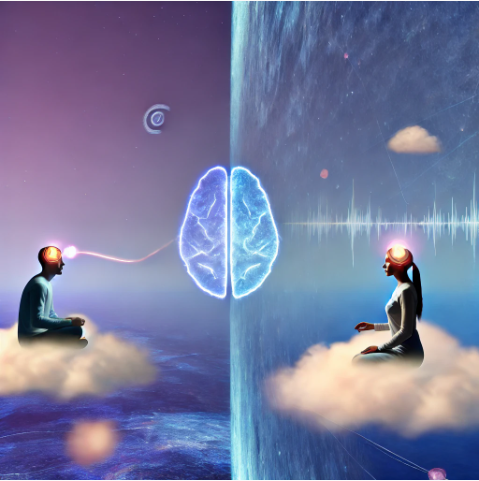
Have you ever noticed that some nights of sleep leave you feeling refreshed, while others make you feel exhausted—even if you slept the same amount of hours? Recent research suggests that dreaming might play a bigger role in how rested you feel than previously believed.
A study conducted by researchers at Italy’s IMT School for Advanced Studies Lucca discovered that vivid dreaming can enhance the perception of deep and restorative sleep. These results, published in PLOS Biology, challenge the common belief that the depth of sleep is mainly determined by slow brain activity.
Historically, scientists have associated the feeling of deep sleep with slow brain waves linked to unconsciousness, predominantly during non-REM sleep—a stage often called “deep sleep.” Interestingly, people also report feeling highly rested after REM sleep, the stage where most dreaming takes place, despite brain activity during REM resembling that of being awake.
To explore this, researchers monitored 44 adults over four nights, waking them during non-REM sleep and asking about their sleep experience just before they awoke. Simultaneously, brain activity was recorded via EEG. The findings confirmed that slower brain waves correlated with a stronger feeling of deep sleep. However, an intriguing pattern emerged when participants reported dreaming—regardless of whether they could remember the dream. Their sense of having slept deeply increased.
It appears that dreaming boosts the feeling of deep sleep, even though it involves more active, wake-like brain patterns. The nature of the dreams mattered too. Vivid, emotional, and unusual dreams were associated with a heightened sense of restfulness. Conversely, dreams that were more abstract or thought-like, where individuals were aware they were thinking, were linked to feeling less rested.
This suggests that the experience of dreaming may help the brain feel disconnected from the outside world, enhancing the sense of rest. In essence, it’s not just about how deeply your brain’s activity slows down, but also about how immersed you are in your dreams—which influences how well you think you’ve slept.
The researchers believe this could explain why sleep quality sometimes feels inconsistent. Two nights with the same duration of sleep can feel very different based on the type and frequency of dreams experienced.
This new insight also shifts how we understand sleep health. Changes in dreaming patterns—such as fewer or less vivid dreams—might influence how rested you perceive yourself to be, even if your sleep patterns haven’t changed much on paper.
In simple terms, dreaming may not simply be a side effect of sleep, but an essential component of feeling truly rested. Even if you don’t recall your dreams, they might still be helping your mind feel rejuvenated.
If you’re interested in wellness, check out studies on how ultra-processed foods and red meat impact longevity, and why seafood might promote healthy aging. For additional health insights, explore recent research showing how olive oil could support longer life and how vitamin D and omega-3s may reduce autoimmune disease risks.