الوسم: BLEACH Rebirth of Souls

  • Completing the Bleach Rebirth of Souls Character Ranking Guide

    Completing the Bleach Rebirth of Souls Character Ranking Guide

    Bleach: Rebirth of Souls excels in offering each character a distinct set of moves that sets them apart from one another. Players must navigate unique strengths and weaknesses to master their playstyles before diving into combat. Like many fighting games, not all characters are balanced equally—some deliver higher damage, while others boast superior mobility.

    In this game, certain characters may struggle with dashing or have such high damage potential that they can risk hurting themselves. If you aim to succeed, it’s wise to select a character that either performs exceptionally well overall or has a notable advantage in a specific area.


    Character Tier Rankings

    The following list categorizes the characters in Bleach: Rebirth of Souls into five distinct tiers: S, A, B, C, and D. Characters higher on the list generally perform better in battle based on factors like damage output, attack range, comeback potential, and unique mechanics that can change the course of a match.

    Tier Definitions:

    • S Tier: These are the standout characters known for their fantastic abilities, often considered overpowered and frequently used in competitive tournaments.
    • A Tier: While not quite at the top, these characters are formidable and can hold their own with a variety of strategies that can be tailored to different playstyles.
    • B Tier: Decent options that are effective but may have clear vulnerabilities, often overshadowed by stronger picks from higher tiers.
    • C Tier: Average characters that can still be useful but lack appealing abilities and don’t offer enough risk versus reward.
    • D Tier: Characters in this tier are generally underwhelming and often have very little that makes them standout choices.

    Typically, you can expect to see effective play from any character in the B tier or higher in competitive settings. Characters ranked lower may require advanced skills to be effective or simply don’t compare well to stronger characters.


    Character Control Levels

    Each character is assigned a Control Level ranging from one to five stars, where one indicates the easiest to play and five signifies the most challenging.


    S Tier Characters

    This tier includes characters that deal substantial damage and execute impressive combos that can quickly deplete an opponent’s health. Players often choose these characters due to their powerful abilities or unique gameplay mechanics that can decisively turn the tide of a match.

    Character Name Total Konpaku Control Level Description
    Soi Fon 9 5 Rapid attacks and superb meter building make her incredibly lethal, with most moves being safe on block.
    Ichigo Kurosaki (Bankai) 8 5 This version of Ichigo excels at executing extended and high-damage combos, especially with Getsuga Sign.
    Renji Abarai 9 2 His Awakening phase is incredibly potent, capable of both high chip damage and guaranteeing a Soul Break against most opponents.
    Kaien Shiba 9 5 Exceptional combo damage combined with quick recovery times make Kaien a formidable opponent.
    Tier Hallibel 9 3 Her Awakening grants her powerful moves that fit seamlessly into damage-heavy combos.
    Nelliel Tu Odelschwanck 9 3 With impressive combo potential, she has low-risk options that can lead to devastating results.

    A Tier Characters

    Characters in this tier provide solid all-around capabilities and can compete with S-tier characters when mastered. They may have slightly weaker skills but can still secure victories with practice.

    Character Name Total Konpaku Control Level Description
    Shigekuni Genryusai Yamamoto 9 2 Capable of delivering huge damage, but requires careful control due to self-damage potential.
    Byakuya Kuchiki 9 2 Extremely user-friendly, dominating many characters with solid basic attacks.
    Kisuke Urahara 9 3 A combo-heavy character whose execution leads to major damage output.
    Ulquiorra Shifar 9 4 His powerful Reawakening state can easily overwhelm opponents if reached.
    Ikkaku Madarame 9 3 Based around counters, making him a strong choice for players with good timing.
    Sosuke Aizen 8 1 A versatile character with counter options that can disrupt various matchups effectively.
    Shunsui Kyoraku 9 3 His Awakening offers creative strategies that can confuse unsuspecting opponents.
    Mayuri Kurotsuchi 9 2 Functions as a setup character, excelling at dealing damage over time with his abilities.
    Dangai Ichigo 9 4 Unique for his abilities that ensure he can influence the match significantly, despite not having an Awakening.

    B Tier Characters

    These characters can be effective in skilled hands but require significant practice to reach their potential due to limitations or high skill thresholds.

    Character Name Total Konpaku Control Level Description
    Toshiro Hitsugaya 9 3 Becomes a threat at higher levels but struggles with defensive movements.
    Rangiku Matsumoto 9 2 A strong zoning character despite missing out on a solid Breaker move.
    Yoruichi Shihoin 9 5 Minor flaws in her kit prevent her from being more competitive.
    Rukia Kuchiki 9 4 Maintains solid pressure, but recent nerfs limit her effectiveness compared to before.
    Shinji Hirako 9 3 Primarily reliant on counters, but not as effective as other characters with similar mechanics.
    Ichigo Kurosaki 9 4 A well-rounded option that lacks the specialized strengths of other characters.
    Grimmjow Jeagerjaques 9 3 Offers decent speed but is outclassed by better options, like Hallibel.
    Nnoitora Gilga 9 3 Has fair attributes but is overshadowed by characters with stronger kits.

    C Tier Characters

    Characters in this tier are often overlooked due to their limited appeal and significant weaknesses, making them less viable choices.

    Character Name Total Konpaku Control Level Description
    Izuru Kira 9 2 A basic character with few standout traits, easy to predict and counter.
    Gin Ichimaru 9 3 Predictable moves hinder his effectiveness, especially if opponents know his strengths.
    Shuhei Hisagi 9 3 Very weak until reaching Awakening, making early stages challenging.
    Yasutora Sado (Chad) 9 4 Lacks diversity in gameplay options outside one powerful move.
    Sajin Komamura 9 3 Limited utility outside one strong move, leading to a generally weak performance.
    Uryu Ishida 9 2 His zoning capabilities are weak and can’t preserve pressure effectively.

    D Tier Characters

    Characters in D Tier are generally considered the least effective, often needing serious adjustments to become viable in matches.

    Character Name Total Konpaku Control Level Description
    Kaname Tosen 9 4 His main strategies can be negated by simply being patient.
    Coyote Starrk 9 1 Consistently underwhelming with low damage and slow attacks.
    Szayelaporro Grantz 8 1 Suffers heavily from poor early-game momentum.
    Kenpachi Zaraki 9 4 His weak range prevents effective attacks against back-guarding opponents.

    This tier guide should help players navigate character choices in Bleach: Rebirth of Souls and find the right fit for their fighting style.

  • Completing the Awakening Process in Bleach: Rebirth of Souls

    Completing the Awakening Process in Bleach: Rebirth of Souls

    Bleach: Rebirth of Souls introduces a variety of mechanics that set it apart from traditional fighting games. Each mechanic, while unique, works seamlessly together to create an intense and thrilling gameplay experience, where every move and button press counts. A notable feature is the Awakening mechanic, a powerful comeback ability that can shift the outcome of a match.

    This move is nearly universal, available to almost every character in the game, and provides a similar reactive boost. However, it’s crucial not only to understand how to activate Awakening but also to know the optimal moments for its use to gain maximum advantage.

    What Is Awakening?


    In Rebirth of Souls, your Fighting Gauge (located below the Reishi Gauge) fills up as you deal or take damage. Once the gauge is full, you can simultaneously press the designated buttons to activate Awakening, leading to a transformation that boosts your offensive capabilities. A large “EVOLUTION” label will show up beneath the Fighting Gauge, indicating that you can awaken at any moment.

    The Enhancements When Awakened


    Zangetsu Spirit putting his hand over Ichigo Kurosaki's shoulder during a special move in Bleach Rebirth of Souls.

    Your basic Quick and Flash Attacks receive nearly a 20 percent increase in damage when you are awakened. The most noticeable change, however, is to your Kikon Moves, as they often eliminate an additional Konpaku, meaning you typically take out three with a standard attack and four with a Soul Break. You can find the precise number of Konpaku each character can eliminate listed as “Awakened Kikon Move 1” in the Character Select screen.

    Moreover, some characters unlock additional abilities or new moves entirely while awakened, such as Shinshui Kyoraku’s Children’s Game. This aspect not only adds depth but also challenges your opponent, as they may struggle to counter new tactics they haven’t seen before.

    The Next Phases of Awakening: Kikon Channel, Spirit Drive, and Reawakening


    Sosuke Aizen shrouded in purple aura while entering his Reawakened state in Bleach Rebirth of Souls.

    Your Fighting Gauge keeps filling up even during Awakening. The first time it reaches full capacity after activation, you unlock Kikon Channel, introducing a second Awakened Kikon Move. This finisher usually takes out another Konpaku, bringing the total to five with a Soul Break.

    In this state, you can potentially eliminate a full-health opponent using just two Kikon Moves, making it a considerable comeback opportunity.

    Your Fighting Gauge turns red when you enter the Kikon Channel.

    Ultimately, when the Kikon Channel is fully charged, you attain your most powerful form — Spirit Drive. In this phase, your attacks receive a substantial damage increase, your movements quicken with reduced recovery times, and your Fighting Gauge halts completely.

    However, certain characters, such as Uryu Ishida, Sosuke Aizen, Ulquiorra Cifer, and Ichigo Kurosaki (Bankai), instead enter a Reawakened state instead of activating Spirit Drive.

    Like Awakening, Reawakening has to be manually activated and may require specific conditions to be met before it can trigger (such as Aizen losing all of his Konpaku). Nevertheless, the rewards are well worth it, as your basic and special attacks receive an upgrade, making them significantly more powerful, even compared to characters with Spirit Drive.

  • Solving Tips for Beginners in Bleach: Rebirth of Souls

    Solving Tips for Beginners in Bleach: Rebirth of Souls

    Bleach: Rebirth of Souls does an excellent job of focusing on enjoyable gameplay rather than pure competition. With a large selection of familiar characters, each one comes with its own set of moves, animations, and mechanics that set them apart from each other. After an hour of practice with your chosen character, you’ll likely feel confident enough to jump into matches and perform like a pro.

    However, while the game includes a tutorial section, it mainly covers basic terminology and functions without delving too deeply into advanced strategies. Given the intricacies of this stylized game, you’ll need more detailed insights to secure victories, which is where some tips come in handy.

    Mastering Spatial Awareness

    In fighting games, the term "footsies" refers to the careful maneuvering of your character in relation to your opponent. This involves creating just the right amount of distance so they can miss their attacks while allowing you to close in for your own strikes. This tactical movement is crucial in Bleach: Rebirth of Souls since your Quick Attacks have a very limited range, requiring precision.

    On the flip side, your dashes are quick and agile, perfect for closing the gap or dodging critical hits. Your objective should be to incorporate these dashes frequently and get a feel for their timing and range. Successfully punishing your opponent’s mistakes is vital for executing powerful combos, so once you grasp this concept, you can inflict significant chip damage.

    The Power of Breakers

    In this game, Quick Attacks, Flash Attacks, and most Spiritual Pressure Moves often fall short against a well-timed block. Many players adopt a defensive approach, waiting for opponents to make risky moves, blocking them, and then punishing with hefty damage.

    What makes Rebirth of Souls unique is the introduction of Breakers—dashing moves that ignore blocks altogether and let you land significant hits. While it’s true that Breakers can be countered if your opponent hits you during the animation, at close range, they are incredibly fast, often leaving little time for your opponent to react. In tricky situations, attempting a Breaker can provide you with an unexpected chance to attack.

    Tip: To cover more ground, hold down the Breaker button (R1/RB) to extend the dash.

    Countering Projectiles with Hohô

    Executing a Hohô (LT/L2 + A/X) at the moment an opponent’s attack connects is a universal counterattack available to every character. While its active frames are low, timing it correctly against some attacks—particularly projectiles—is surprisingly easy and can lead to a full combo.

    Most projectiles, like Uryu’s Heavy Shot or Kisuke’s Heavy Byakurai, have long start-up times, making them easy to anticipate. Rather than blocking and depleting your Guard Gauge, you can use them as a chance to launch a Hohô, allowing you to teleports to your opponent and follow up with a Quick Attack that transitions into a solid combo.

    Warning: Once your Guard Gauge is fully drained, you’ll be unable to block until it regenerates!

    Swift Activation of Awakening and Spirit Drive

    As you fill your Fighting Gauge (located below the Reishi Gauge) by dealing or receiving damage, you can perform an Awakening. This gives you various enhancements, such as stronger Kikon Moves, new Spiritual Pressure Moves, increased damage on basic attacks, and sometimes even additional abilities that elevate your character’s performance.

    Moreover, while you’re in the Awakened state, continuing to fill the Fighting Gauge allows you to automatically enter Sublimation/Kikon Channel, granting access to a second Awakened Kikon Move displayed on the Character Select screen. Although your overall kit doesn’t change significantly, the new Kikon Move typically consumes an extra Konpaku, usually four with its standard version and five with Soul Break.

    Additionally, charging your Kikon Channel transitions you to Spirit Drive, boosting both your attacks and movement speed. It’s advisable to activate these enhancements as soon as they’re available to maximize their benefits.

    Note: Characters like Ulquiorra, Ichigo (Bankai), Aizen, and Uryu have unique Reawakening states rather than the standard Spirit Drive, which must be activated manually and may have specific conditions.

    Limit Your Kikon Moves to Three

    Using Kikon Moves to break your opponent’s Konpaku is a key feature in Rebirth of Souls. You can activate a Kikon Move at 30% of the Reishi Gauge or spend it entirely for a Soul Break, destroying an additional Konpaku. Most characters possess nine Konpaku, and regular Kikon Moves eliminate two, so your goal should be to land three well-timed Kikon Moves to secure a victory.

    Awakening and Kikon Channel can increase the number of Konpaku destroyed by your Kikon Move, theoretically allowing you to wipe out all Konpaku with just three Kikon Moves. However, timing is often tight during fights, so a more practical strategy is to follow up two standard Kikon Moves with one using Soul Break.

    Tip: The orange and yellow bars above your opponent’s Reishi Gauge indicate how many Konpaku will be destroyed with and without Soul Break, helping you decide when to use your Kikon Move.

    Choose the Right Soul Reverse

    For a temporary boost during a fight, you can activate Soul Reverse by spending two Reverse Gauge bars. Most characters can trigger one of three types based on your current action: yellow during an attack or combo, blue while blocking or receiving an attack, or white during neutral situations.

    The yellow Soul Reverse excels at extending combos and building Spiritual Power for extra damage. The blue option offsets an opponent’s combo while recovering your Guard Gauge, making it effective if you’re near a Guard Break or facing a powerful Kikon Move.

    However, the most adaptable and powerful variation is the white Soul Reverse. It increases your Spiritual Power buildup, replenishes Reishi, and enhances your dashes. Unless you’re in a particular situation, opting for the white Soul Reverse is often the best choice as it offers numerous advantages.

    Tip: A safe way to trigger a white Soul Reverse is shortly after finishing a combo.

    Use the Character Control Guide

    Almost every character features unique traits and mechanics not covered in the game’s tutorial. These are labeled as "Exclusive Abilities" and may include extra gauges or special moves with specialized mechanics that are difficult to figure out without consulting the Character Control Guide.

    If you’re planning on trying out a new character, head into a Training match and access the Character Control Guide from the Settings menu. This guide provides detailed information about all moves and passive abilities in Normal, Awakened, and Reawakened states. It offers rich insights into what each character can do and highlights abilities you may have previously overlooked.

    Tip: Training mode also contains essential features such as frame data and precise damage statistics to help you master your character effectively.

  • Completing All Secret Stories in Bleach: Rebirth of Souls

    Completing All Secret Stories in Bleach: Rebirth of Souls

    Many fighting games, particularly those based on anime, often neglect their Story Mode, resulting in a lackluster experience. However, Bleach: Rebirth of Souls aims to break this trend. While the game does have its share of clunky animations, it offers a well-developed campaign that stays true to the original series while also adding some unique twists. Although it isn’t a complete replacement for the source material, the effort is certainly noteworthy, especially given the length of this mode.

    In addition to the main storyline, there’s a separate “Secret Story” section that comes with its own set of missions and progression. When you first access this section, you’ll notice a variety of locked missions. If you’re eager to uncover more single-player content, putting in the effort to unlock these missions will be rewarding.

    This article contains spoilers for the main story of Rebirth of Souls!

    How to Unlock Secret Stories


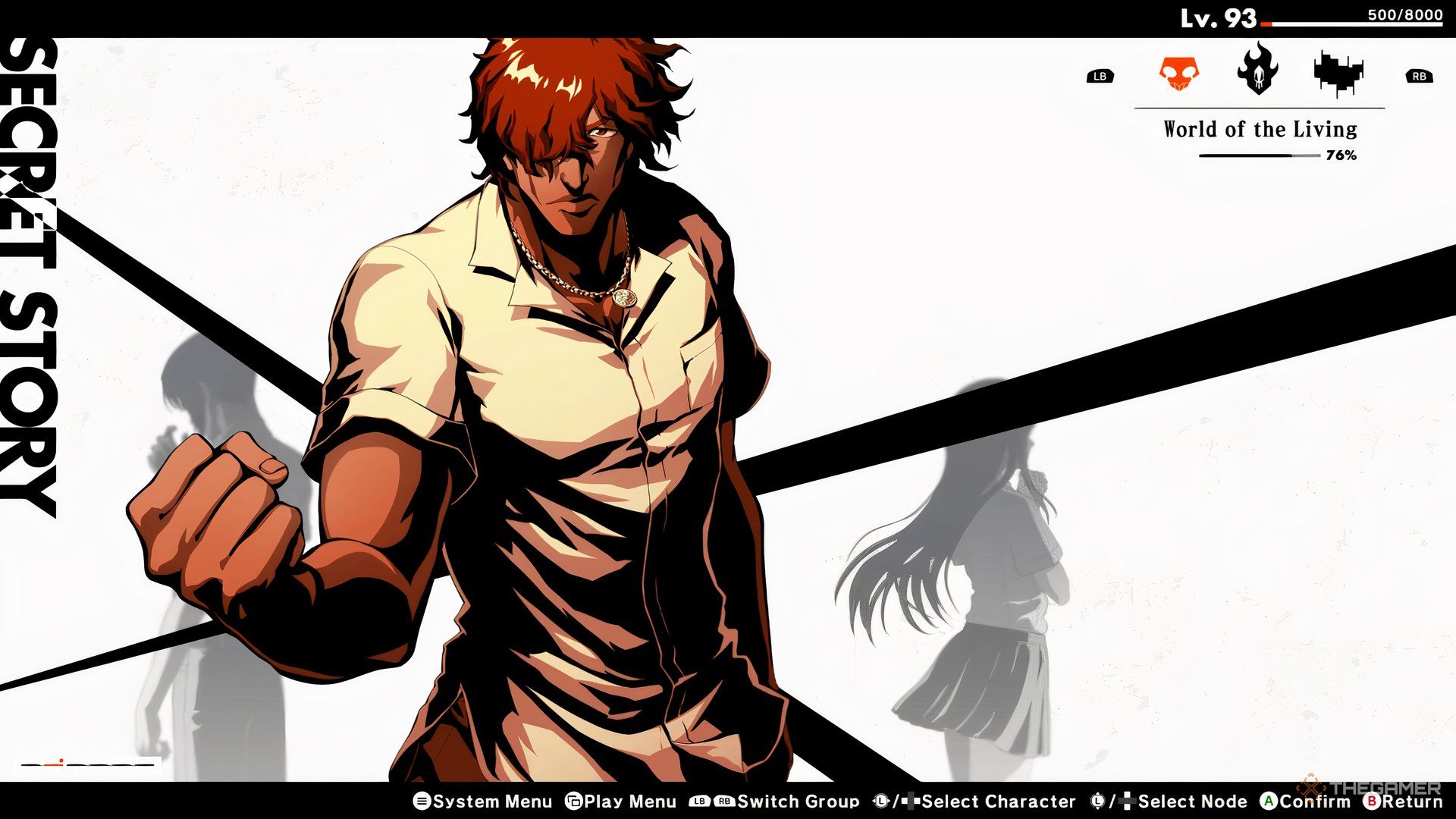
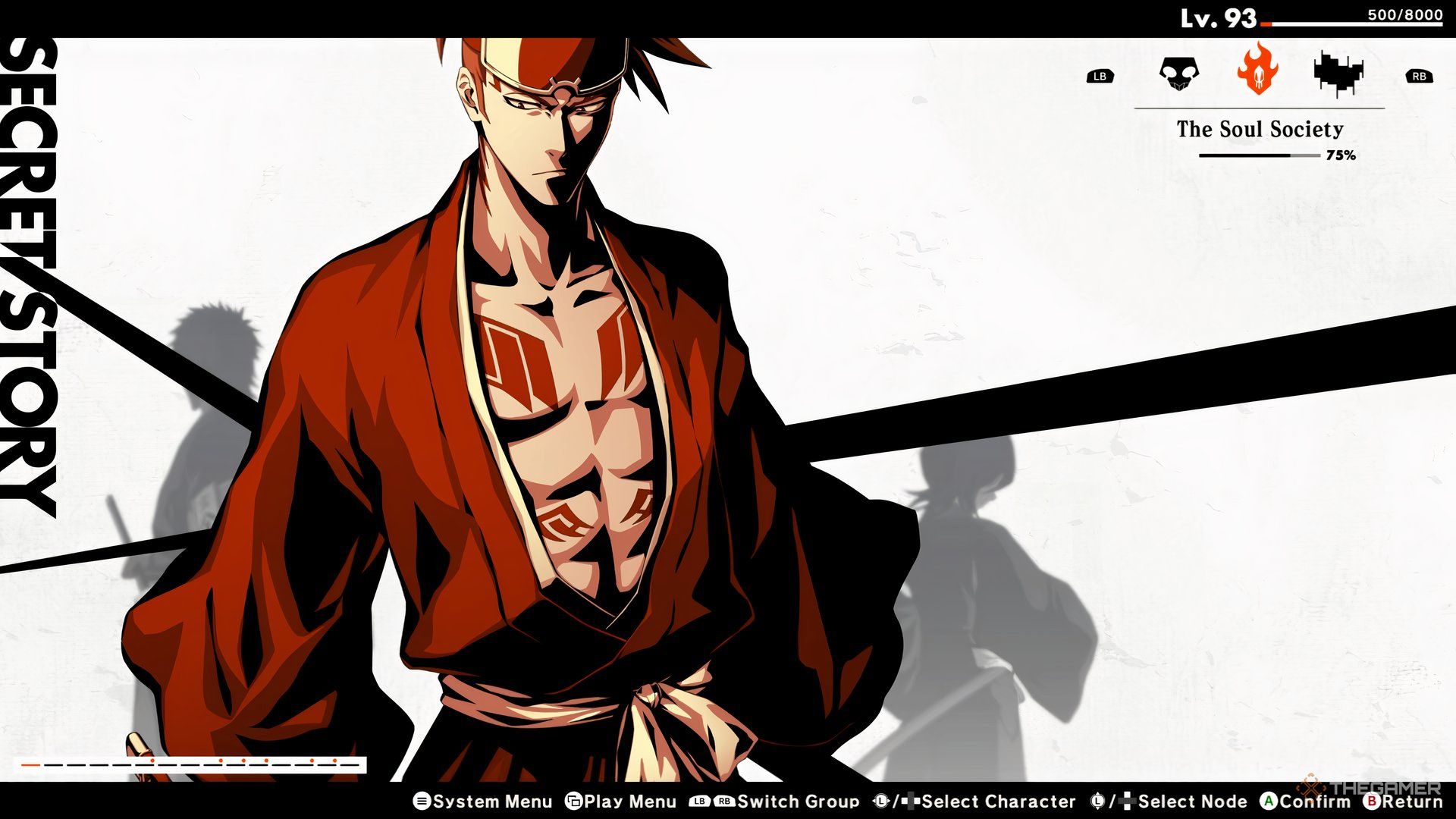
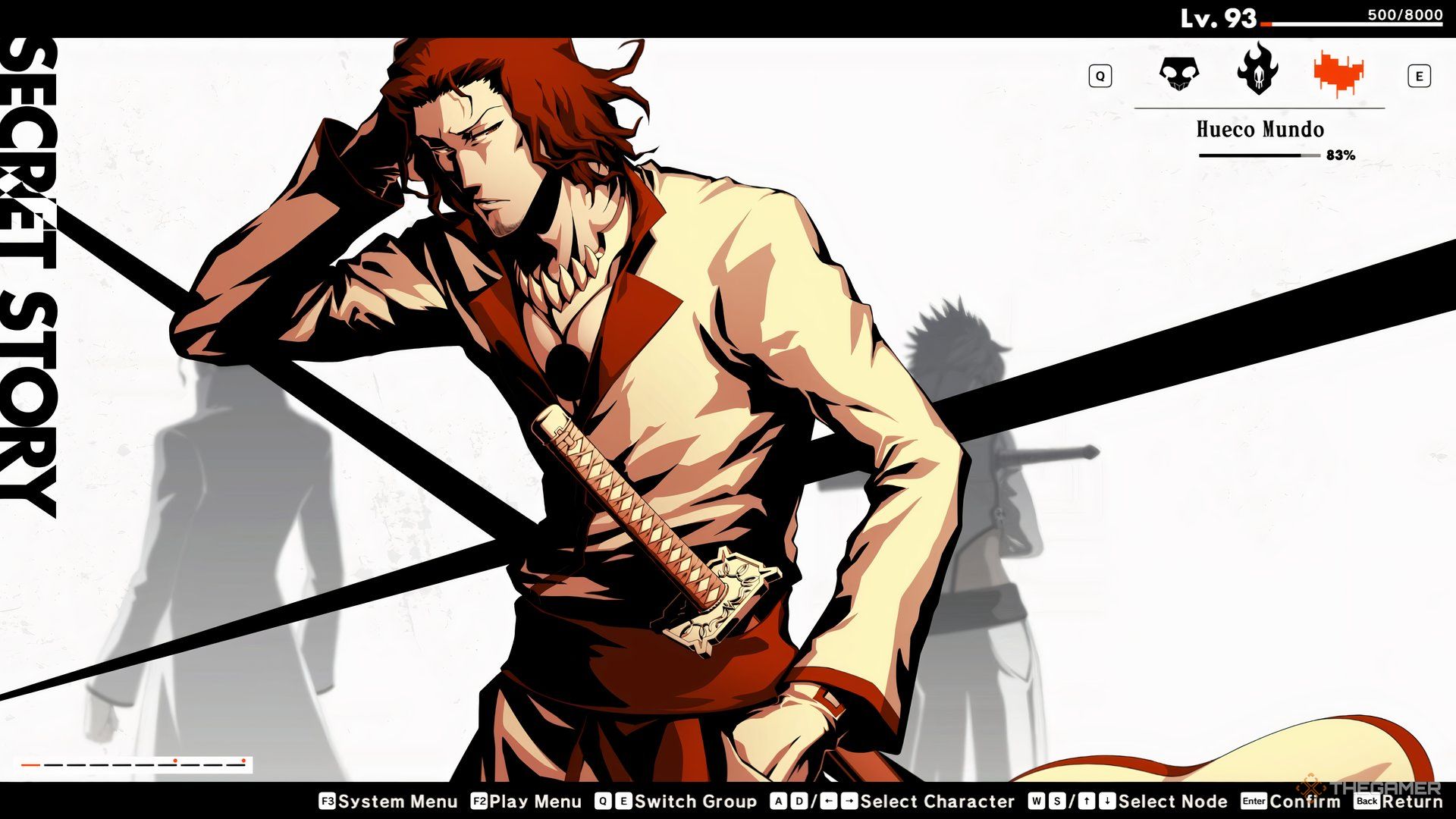
    Secret stories are categorized among 21 characters spread across three arcs: six from the World of the Living, 15 from the Soul Society, and ten from Hueco Mundo. Each character has between three to four missions, and unlocking them involves completing a set of requirements. This can include finishing a main story mission, a mission from the Secret Story, or optionally meeting specific conditions within the main storyline.

    Within the Main Story, certain missions feature additional tasks, like a Secret Mission or Secret Moment, and these can be found in the Battle Preparation menu before battles. These are akin to side missions and may require players to achieve particular objectives, such as landing a specific fighting technique or executing a certain ability.

    Once you’ve completed the necessary tasks, a Secret Story Mission will be automatically revealed in the bottom-left corner of the Secret Story tab, easily identifiable by a red dot indicating new content is available.

    It’s advisable to finish the Main Story before pursuing the various secret stories. Most requirements depend on defeating the final boss, Monster Aizen.

    World of the Living Stories

    Yasutora Sado clenching his fist on his Secret Stories page in Bleach Rebirth of Souls.


    Character Name Secret Mission Requirements
    Shinji Hirako Kneel Down
    • Complete a Secret Mission with “Mysterious Transfer Student”
    The One in Command
    • Complete “Roar of the Visored”
    • Complete “Kneel Down”
    Return
    • Complete “Bleach Soul Reverse and its Everlasting”
    • Complete “The One in Command”
    • Complete a Secret Moment with “Backwards World”

    Soul Society Stories

    Renji Abarai's Secret Stories page in Bleach Rebirth of Souls.


    Character Name Secret Mission Requirements
    Renji Abarai What I Vowed to Myself
    • Complete a Secret Mission with “To Those Capturing the Moon”
    A Man’s Path
    • Complete “The Two Arrancars”
    • Complete “What I Vowed to Myself”
    Fang
    • Complete “Bleach Soul Reverse and its Everlasting”
    • Complete “A Man’s Path”

    Hueco Mundo Stories

    Coyote Stark's Secret Stories page in Bleach Rebirth of Souls.


    Character Name Secret Mission Requirements
    Nelliel Tu Odelschwanck Acting out of Reason
    • Complete a Secret Mission with “Extolling Gamuza”
    A Known Face
    • Complete “Acting out of Reason”
    Till Next, Someday
    • Complete “Bleach Soul Reverse and its Everlasting”
    • Complete “A Known Face”
    • Complete a Secret Moment with “Extolling Gamuza”
  • How Long Does It Take to Complete Bleach: Rebirth of Souls?

    How Long Does It Take to Complete Bleach: Rebirth of Souls?

    It’s been quite a while since Bleach had its own console game, but that has changed with the recent release of Bleach: Rebirth of Souls. This title adapts the early arcs of the series into a 3D fighting game.

    Rebirth of Souls specifically covers only three arcs from the anime and manga: the Substitute Soul Reaper, Soul Society, and Hueco Mundo. You might be curious about how extensive the gameplay is. Let’s dive in to explore its depth.

    How Many Chapters Are There?


    Bleach: Rebirth of Souls consists of five chapters. The first chapter tackles the Substitute Soul Reaper arc, while the second focuses on the Soul Society Arc. The last three chapters delve into the events involving the Arrancars, Visored, and Hueco Mundo, culminating in the showdown with Aizen.

    Throughout each chapter, players encounter various missions, referred to as nodes, which involve either playable battles with several characters or lengthy cinematic scenes that progress the story. Some nodes are optional, but others are essential for moving forward in the campaign.

    The story mode is largely devoid of filler, but Chapter 3’s Visored Arc features a number of side stories that, while enjoyable, don’t significantly impact the main storyline. However, for fans wanting to explore more character narratives, they are worth watching.

    How Long Does It Take To Beat?


    Uryu blushing in Bleach: Rebirth of Souls.

    If you plan to complete all missions and watch every cutscene (which is likely if you’re new to the series), each chapter in Rebirth of Souls will take around five to six hours to finish. Overall, I spent about 27 hours reaching the end of Bleach: Rebirth of Souls, not including the online modes, side activities, or versus battles.

    While this may seem lengthy for a game only covering a few arcs, much of the time comes from the numerous cutscenes. If you’re already familiar with the Bleach story, you can skip a lot of these scenes and significantly reduce your playtime.

    How Long Will It Take To 100 Percent Complete?


    Ichigo getting ready to swing his sword in Bleach Rebirth of Souls.

    After finishing the surprisingly rich story mode in Bleach: Rebirth of Souls, there’s still plenty of additional content for players attempting to complete everything. One of the most significant features is the Side Stories, which are extra missions centered around the game’s playable characters.

    You will need to complete certain tasks in missions to unlock these Side Stories, which can add to your gaming time if you have to replay missions. With numerous Side Stories in Rebirth of Souls, most of them take around 30 minutes to finish. Completing all of them could easily add another ten hours to your total playtime.

    While Side Stories make up the bulk of supplementary content, there’s also a mission mode featuring three difficulty levels and an online mode that can consume a lot of time if you get into it. Overall, to fully complete Bleach: Rebirth of Souls, you can expect to invest between 40 and 50 hours.