Tag: audio equipment

  • How do I choose the right receiver for my speakers?

    Selecting the appropriate receiver for your speakers is essential for achieving optimal sound quality in your audio setup. With numerous options available, it’s important to understand the key factors that influence compatibility and performance. This article will guide you through the process of choosing the right receiver for your speakers to enhance your listening experience.

    Understanding Receiver Basics

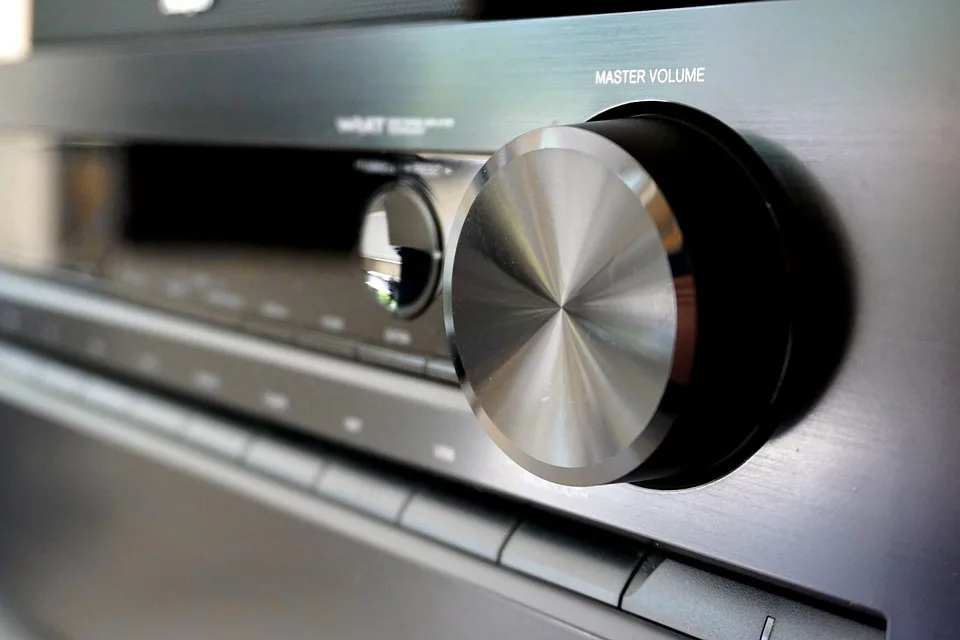
    Before diving into compatibility and specifications, it’s crucial to understand what a receiver does. A receiver serves as the hub of your audio system, combining the functions of a preamp, power amplifier, and radio tuner into one device. Here are some of its core functions:

    • Audio Processing: Converts digital audio signals into analog for output through speakers.
    • Routing: Directs audio and video signals from various sources (like a Blu-ray player, gaming console, or streaming device) to the appropriate output.
    • Amplification: Powers the speakers, providing sound at sufficient volume levels.

    Key Factors to Consider

    When selecting a receiver, there are several important parameters to consider:

    1. Power Rating

    The power rating of a receiver is vital for compatibility with your speakers. It’s typically measured in watts per channel and indicates how much power the receiver can deliver to each speaker.

    • Impedance Matching: Ensure that the receiver’s power output matches the impedance (measured in ohms) of your speakers. Most home speakers are rated at 4, 6, or 8 ohms.
    • Volume Needs: Higher wattage can usually drive speakers to higher volumes without distortion, especially important for larger rooms or outdoor use.

    2. Number of Channels

    Receivers come in various channel configurations, which determine how many speakers can be connected:

    • Stereo Receivers: Ideal for two-channel audio setups, suitable for music listening.
    • Surround Sound Receivers (5.1, 7.1, etc.): Support multi-channel audio for home theater setups, allowing for immersive sound from multiple directions.

    3. Features and Connectivity

    Modern receivers come packed with features that can enhance your audio-visual experience. Consider the following:

    • HDMI Inputs/Outputs: Essential for connecting to modern TVs and devices; make sure your receiver has sufficient HDMI ports.
    • Wireless Connectivity: Look for features like Bluetooth, Wi-Fi, or built-in streaming services, which allow for easy connection to your devices.
    • Zone Control: If you want to have different audio setups in various rooms, opt for a receiver that supports multi-zone audio.

    4. Audio Formats Supported

    Different receivers support various audio formats that can affect sound quality:

    • Surround Sound Formats: Ensure the receiver supports formats like Dolby Atmos or DTS:X if you plan on a multi-channel system.
    • High-Resolution Audio: Look for codecs like FLAC or ALAC for lossless audio streaming if you’re an audiophile.

    Compatibility with Speakers

    Once you’ve established your requirements, it’s time to ensure your receiver is compatible with your speakers. Here are some steps to help with that:

    1. Matching Power and Impedance

    • Check Speaker Impedance: Most receivers list what impedance they can drive.
    • Power Compatibility: Look for the recommended power range for your speakers while considering the receiver’s output.

    2. Consider Speaker Placement

    The layout of your room can influence your choice in receiver:

    • Home Theater Setup: If you are designing a surround sound system, choose a receiver that can accommodate additional channels.
    • Compact Spaces: If space is limited, a stereo receiver may suffice for your needs.

    3. Future Upgradability

    It’s also wise to consider future expansions:

    • Growth Potential: Think about whether you might add more speakers or higher-end audio equipment later on.
    • Modular Options: Some receivers allow you to add amplification or additional channels later, which can be a cost-effective strategy.

    Research and Reviews

    Before making your final decision, take time to research:

    • Model Reviews: Read user reviews and expert opinions on the specific models you are considering.
    • Comparisons: Use comparison websites to see how different receivers stack up against each other based on the features that matter to you.

    Summary of considerations:

    • Power Rating: Match wattage and impedance.
    • Channel Count: Choose according to your setup needs.
    • Connectivity and Features: Ensure it has the necessary inputs for your devices.
    • Supported Audio Formats: Check compatibility with your desired sound formats.
    • Room Layout Considerations: Adapt to your specific space for optimal performance.
    • Future-proofing: Look for options that allow for speaker upgrades.

    Choosing the right receiver for your speakers means considering not just what works today, but what will work for you in the long run. With this guide, you’re better equipped to make an informed decision that elevates your audio experience.


  • What Is a Good Starter Subwoofer?

    What Is a Good Starter Subwoofer?

    For anyone looking to enhance their home audio experience, adding a subwoofer can make a world of difference. A quality subwoofer delivers the deep bass tones that small speakers often struggle to reproduce. If you’re new to the world of subwoofers, choosing the right one to kick off your audio journey is essential. Here’s a guide to help you identify what makes a subwoofer suitable for beginners.

    Understanding Subwoofers

    Before diving into specific models, it’s important to understand what a subwoofer does and why it matters.

    What Does a Subwoofer Do?

    A subwoofer is designed to reproduce low-frequency sounds, typically those below 200 Hz. This includes the bass in music and sound effects in movies, creating a more immersive experience. Here are the primary functions:

    • Enhances Audio Depth: Adds richness and clarity to soundtracks.
    • Brings Music to Life: Delivers the punchy bass that makes genres like hip-hop and electronic dance music more enjoyable.
    • Improves Home Theater Experience: Provides a rumbling effect during action scenes, giving a cinematic feel.

    Key Features to Look For in a Starter Subwoofer

    Selecting a starter subwoofer can be daunting, with many specifications and features to consider. Here are some key elements to keep in mind:

    Size Matters

    The size of the subwoofer affects its performance and the space it will fit into.

    • Driver Size: Common sizes range from 8 to 12 inches. A larger driver typically produces deeper bass.
    • Room Compatibility: Consider the size of the room where the sub will be placed. Larger rooms may require bigger subwoofers for optimal performance.

    Power Output

    The power of a subwoofer is measured in watts and indicates how loud it can get without distortion.

    • RMS vs. Peak Power:

      • RMS (Root Mean Square): This is the continuous power output and is a more accurate reflection of performance. Look for at least 100-200 watts RMS for home use.
      • Peak Power: Represents short bursts of power but shouldn’t be the primary metric to consider.

    Connectivity Options

    Ensure the subwoofer can easily connect to your existing setup.

    • Wired vs. Wireless: Wired provides a stable connection, but wireless options offer flexibility in placement.
    • Input Types: Look for subwoofers with multiple input options (RCA, LFE, speaker terminals) for compatibility with different audio systems.

    Recommended Starter Subwoofers

    Here are a few models that stand out as excellent choices for beginners, combining quality and affordability.

    1. Polk Audio PSW10

    • Driver Size: 10 inches
    • Power Output: 50 watts RMS (100 watts peak)
    • Price Range: Affordable
    • Key Features:

      • Compact design suitable for smaller spaces.
      • Great sound quality for music and movies.

    2. Yamaha NS-SW050

    • Driver Size: 8 inches
    • Power Output: 100 watts RMS
    • Price Range: Mid-range
    • Key Features:

      • Advanced YST technology enhances bass response.
      • Sleek design that fits well with other home audio equipment.

    3. Klipsch R-100SW

    • Driver Size: 10 inches
    • Power Output: 150 watts RMS (300 watts peak)
    • Price Range: Slightly higher but still accessible
    • Key Features:

      • Strong performance for both music and home theater.
      • Durable construction and attractive design.

    Placement Tips for Optimal Performance

    Where you place your subwoofer can greatly affect its performance. Here are some tips for finding the best spot:

    • Corner Placement: Placing the sub in a corner can amplify bass due to sound reflection.
    • Avoid Extremes: Avoid placing it next to walls or directly against furniture, which can dampen the sound.
    • Experiment: Try different locations to find what sounds best in your space.

    Incorporating a starter subwoofer into your audio setup can significantly elevate your listening experience, making it richer and more dynamic. By considering factors such as size, power output, and connectivity, you’ll be better prepared to make an informed choice and enjoy the world of bass-filled sound.

  • Do people still buy home stereo systems?

    Do people still buy home stereo systems?

    As technology continues to evolve, many wonder if traditional home stereo systems remain relevant in an age dominated by digital streaming and portable speakers. While the landscape has certainly changed, there is still a market for home audio systems. This article delves into the reasons behind the ongoing interest in these systems and the factors influencing consumer decisions.

    The Resurgence of Vinyl and High-Quality Audio

    The Appeal of Analog Sound

    In recent years, vinyl records have made a notable comeback. Many audiophiles appreciate the warm, rich sound that analog formats provide, often describing it as more authentic compared to digital formats. Consequently, this revival has spurred interest in home stereo systems that can accommodate turntables and high-quality speakers.

    High-Resolution Audio Formats

    With the advancement of technology, high-resolution audio formats have emerged, appealing to consumers who seek superior sound quality. Devices that support these formats, including high-end DACs (Digital-to-Analog Converters) and dedicated amplifiers, drive sales in the home stereo market.

    The Integration of Smart Technology

    Smart Features and Connectivity

    Modern home stereo systems are evolving to incorporate smart technology, allowing for seamless integration with smartphones, tablets, and home automation systems. Features such as:

    • Bluetooth and Wi-Fi Connectivity: Enable users to stream music effortlessly from various digital platforms.
    • Voice Control: Systems that work with smart assistants like Amazon Alexa or Google Assistant enhance usability.
    • Multi-Room Audio: Allows users to enjoy music in multiple rooms, creating a more immersive experience.

    These innovations have made home stereo systems more appealing to a broader audience, especially tech-savvy consumers.

    Compatibility with Streaming Services

    Many homeowners look for systems that can directly connect with popular streaming services such as Spotify, Apple Music, and Tidal. This convenience aligns with current music consumption habits and contributes to the continued market presence of traditional stereo systems.

    The Enthusiast Market and Customization

    Audiophile Community

    Dedicated music enthusiasts are a driving force behind the demand for home stereo setups. Audiophiles often invest significant time and resources to create the perfect sound environment tailored to their preferences. Their desires for:

    • Custom Speaker Systems: Many opt for bespoke speaker designs that suit their aesthetics and acoustic needs.
    • High-End Components: Premium amplifiers and receivers remain in demand for their superior performance.

    Home Theater Systems

    The growth of home theaters has also contributed to the popularity of home stereo systems. Many consumers are investing in multi-channel audio setups for movie-watching experiences. Features that appeal to this market include:

    • Surround Sound Capabilities: Providing an immersive audio experience.
    • Subwoofers: Enhancing bass performance for movie effects and music.

    Economic Factors Influencing Purchases

    Several economic elements play a crucial role in the decision-making process regarding home stereo systems.

    Pricing Models

    The range of available options means consumers can find systems at various price points:

    • Budget-Friendly Options: Compact systems aimed at casual listeners.
    • Mid-Range Systems: For those seeking balance between sound quality and affordability.
    • High-End Systems: Targeting audiophiles and serious music lovers willing to invest.

    The COVID-19 Pandemic Effect

    The pandemic shifted consumer behaviors, with many spending more time at home. This change led to increased investment in home entertainment systems. As people looked for ways to enhance their at-home experiences, they turned to home stereo systems as a means to enjoy music, movies, and gaming more fully.

    Alternative Audio Solutions

    While traditional home stereo systems remain popular, alternative options continue to emerge, offering competition in the audio market.

    Portable Speakers

    Consumers increasingly seek portability and convenience. Bluetooth and portable speakers have gained traction due to their ease of use and flexibility. Key advantages include:

    • Compact Size: Easy to transport for outdoor activities and gatherings.
    • Wireless Convenience: No need for complex setups or wiring issues.

    Soundbars and All-in-One Systems

    For those looking to fill a room with sound without the fuss of a full stereo setup, soundbars and compact all-in-one systems provide efficient solutions. Benefits include:

    • Space-Saving Design: Ideal for smaller living areas.
    • Simple Installation: Easy pairing with TVs and other devices.

    The evolution of audio technology ensures that while preferences and purchasing habits have shifted, there remains a solid market for home stereo systems. From dedicated audiophiles to casual listeners, a variety of options cater to different needs and tastes, establishing a place for these systems in contemporary homes.

  • How much is a decent stereo system?

    How much is a decent stereo system?

    Choosing a stereo system can be a daunting task, especially with the variety of options available in today’s market. Whether you’re an audiophile looking for high-quality sound or someone who simply enjoys music, understanding how much to invest in a decent stereo system is crucial. This article will guide you through the various price ranges and the components that typically comprise a reliable setup.

    Price Ranges for Stereo Systems

    Stereo systems can vary widely in price, influenced by the components, brand, and features. Here’s a breakdown of what you can expect in different price categories:

    Budget-Friendly Options ($100 – $300)

    • Basic Speakers: Look for bookshelf or portable speakers that offer decent sound quality without breaking the bank.
    • Receiver: Often a simple amplifier or integrated receiver that can power your speakers and connect to your devices.
    • Turntable or CD Player: Basic models that can play your vinyl records or CDs.

    This range is ideal for casual listeners who want to enhance their home audio experience without a significant investment.

    Mid-Range Systems ($300 – $1,000)

    • Quality Speakers: Standalone floor-standing or high-quality bookshelf speakers that provide improved clarity and bass response.
    • Advanced Receiver Features: Support for various connections (Bluetooth, Wi-Fi streaming) and surround sound capabilities.
    • Source Components: Higher-quality turntables and CD players, along with digital streaming options.

    Ideal for enthusiastic music lovers, this range offers a balanced blend of performance and functionality.

    High-End Systems ($1,000 and above)

    • Premium Speakers: High-fidelity models from renowned brands often crafted with superior materials and technology for an immersive listening experience.
    • Advanced Amplifiers and Receivers: High-end equipment that can deliver exceptional sound quality and handle complex audio formats.
    • Customization Options: You may also find customizable options for cable lengths and speaker placement.

    This price range is perfect for audiophiles who demand uncompromised sound quality and exceptional build.

    Essential Components of a Stereo System

    Understanding the essential components of a stereo system can help you make informed decisions when budgeting.

    Speakers

    • Types: Floor-standing, bookshelf, and subwoofers are common types of speakers.
    • Specifications: Look for frequency response, sensitivity, and wattage; these affect the overall sound quality.

    Receiver

    • Functionality: Acts as the hub, connecting all your audio sources and delivering power to the speakers.
    • Features: Consider options like Bluetooth, Wi-Fi connectivity, and support for various audio formats.

    Source Components

    • Turntables: If vinyl is your preference, choose one with a good cartridge and build quality.
    • CD Players and Streaming Devices: Ensure compatibility with your audio sources and the quality of DAC (Digital-to-Analog Converter).

    Cables and Accessories

    • Quality Matters: Investing in good-quality cables and interconnects can improve sound quality.
    • Speaker Stands and Acoustic Treatments: These can enhance your listening environment and improve overall audio performance.

    Total Investment and Extras

    When budgeting for a stereo system, consider additional costs that may arise:

    • Installation Costs: If you’re not technically inclined, you might need professional installation.
    • Room Optimization: Factor in the costs of speaker stands or room treatment materials for optimal acoustics.
    • Future Upgrades: Setting aside some budget for potential upgrades or replacements can be a wise investment.

    With these guidelines, you should have a better understanding of how much you may need to spend on a decent stereo system tailored to your listening preferences. Whether you’re starting small or going for high-end equipment, the key is to balance your budget with your desire for quality sound.

  • How much does a good home sound system cost?

    How much does a good home sound system cost?

    When it comes to enhancing your audio experience at home, a high-quality sound system can make all the difference. However, understanding the costs involved can be a bit tricky, as prices vary widely based on the components you choose and the quality you seek. This article will explore the different types of home sound systems and their associated costs.

    Types of Home Sound Systems

    Home sound systems come in various forms, each tailored to different needs and preferences. Here are some popular types:

    1. Soundbars

    Soundbars are compact and can significantly improve the audio quality of your television.

    • Price Range: $100 to $1,500
    • Features:

      • Easy setup
      • Often includes built-in subwoofers
      • Wireless options available

    2. Home Theater Systems

    These systems provide a surround sound experience, ideal for movie enthusiasts.

    • Price Range: $300 to $2,500+
    • Features:

      • Multiple speakers (typically 5.1 or 7.1 systems)
      • AV receivers for better audio control
      • Enhanced connectivity options

    3. Hi-Fi Stereo Systems

    Hi-Fi systems focus on delivering excellent audio quality for music lovers.

    • Price Range: $200 to $5,000+
    • Features:

      • High-quality speakers and receivers
      • Vinyl and digital playback options
      • Customizable setups

    4. Wireless Speaker Systems

    These systems use Wi-Fi or Bluetooth technology for streaming music without strings attached.

    • Price Range: $150 to $3,000
    • Features:

      • Multi-room audio capabilities
      • Voice assistant compatibility
      • Portability

    Key Components and Their Costs

    To build a good home sound system, understanding the key components involved and their prices is essential. Here’s a breakdown:

    1. Speakers

    • Bookshelf Speakers: $150 to $2,000 per pair
    • Floor-standing Speakers: $300 to $6,000 per pair
    • Subwoofers: $200 to $1,500

    2. AV Receivers

    An AV receiver acts as the central unit for processing audio and video signals.

    • Price Range: $200 to $3,000
    • Factors to Consider:

      • Number of channels (more channels often mean higher prices)
      • Support for advanced audio formats (Dolby Atmos, DTS:X)

    3. Sources

    This includes devices such as Blu-ray players, gaming consoles, and streaming devices.

    • Blu-ray Players: $50 to $500
    • Streaming Devices: $30 to $200

    4. Accessories

    Don’t forget the additional items that can enhance your system or improve its efficiency.

    • Cables: $10 to $100 (depending on length and quality)
    • Speaker Stands: $50 to $300
    • Mounts and Brackets: $20 to $200

    Budgeting for Your Home Sound System

    Establishing a budget is crucial when shopping for a sound system. Here’s a guideline based on different spending levels:

    Entry-Level Setup

    For those just starting or looking for a basic improvement:

    • Estimated Cost: $300 to $800
    • Components: A decent soundbar or entry-level home theater system

    Mid-Range Setup

    For audiophiles who want a balanced setup:

    • Estimated Cost: $800 to $2,000
    • Components: Quality bookshelf speakers, an AV receiver, and a subwoofer

    High-End Setup

    For serious enthusiasts desiring the best sound quality:

    • Estimated Cost: $2,000 to $10,000+
    • Components: Premium floor-standing speakers, a high-quality AV receiver, and a complete surround system

    Conclusion

    Selecting a good home sound system requires careful consideration of your needs, preferences, and budget. As prices can vary significantly based on quality and components, it’s vital to assess what features matter most to you before making a purchase. Whether you opt for a soundbar or a full-fledged home theater setup, you’re sure to find options that fit your style and enhance your audio experience.

  • Should I buy speakers for my PC?

    Should I buy speakers for my PC?

    When it comes to enhancing your PC experience, audio quality can make a significant difference. While many users rely on built-in computer speakers or headphones, investing in dedicated speakers can elevate your enjoyment of music, movies, and games. If you’re contemplating whether to buy speakers for your PC, consider the following aspects.

    Benefits of Using Speakers

    Enhancing Sound Quality

    • Rich Audio Experience: Dedicated speakers typically offer a fuller sound compared to integrated options, providing a richer listening experience.
    • Better Bass Response: Many speaker systems come with subwoofers, adding depth and clarity to lower frequencies, essential for genres like hip-hop and electronic music.

    Immersive Experience

    • Gaming: Quality speakers can create an immersive gaming environment, allowing you to hear directional audio that can enhance gameplay.
    • Movies and TV Shows: Enjoying films with high-quality sound adds to the cinematic experience, making dialogue clearer and sound effects more impactful.

    Types of Speakers

    When choosing speakers for your PC, you’ll encounter various types, each with its own strengths.

    2.0 Speakers

    • Description: Consist of two speakers (left and right).
    • Ideal For: General usage, casual listening, and basic gaming.

    2.1 Speakers

    • Description: Include two desktop speakers plus a subwoofer.
    • Ideal For: Music lovers and gamers who want enhanced bass.

    Multimedia Speakers

    • Description: Often come with added features like Bluetooth connectivity and auxiliary inputs.
    • Ideal For: Users looking for versatility and convenience.

    Bookshelf Speakers

    • Description: Larger speakers meant to be placed on a shelf, offering audiophile-quality sound.
    • Ideal For: Serious listeners and music enthusiasts.

    Key Features to Consider

    Before making a purchase, it’s essential to consider several factors to ensure you choose the right speakers for your needs.

    Sound Quality

    • Check for frequency response range (20 Hz to 20 kHz is standard for good quality).
    • Look for reviews regarding sound clarity and balance.

    Connectivity Options

    • Wired vs. Wireless: Decide if you prefer the stability of wired connections or the convenience of wireless options.
    • Compatibility: Ensure the speakers can easily connect to your computer and any other devices you plan to use.

    Space and Design

    • Size: Consider the available space on your desk. Some speakers can take up more room than you anticipate.
    • Aesthetics: Choose a design that complements your setup. Speakers come in various styles, from modern to retro.

    Price Range

    • Determine your budget. Speakers can range from affordable to high-end, so it’s crucial to find a balance between quality and price.
    • Look for sales or bundles that may offer better value.

    Potential Drawbacks

    While there are many advantages to using dedicated speakers, there are a few downsides to consider as well.

    Space Consumption

    • Speakers can take up additional desk space, which may be a concern for smaller setups.

    Cost

    • A quality set of speakers can be an extra expense, particularly if you’re already using headphones or built-in speakers.

    Sound Leakage

    • Unlike headphones, speakers can lead to sound leakage, which might be problematic in shared spaces or during quiet hours.

    Making Your Decision

    Choosing whether to invest in speakers for your PC requires careful consideration of your audio needs and preferences. Evaluate how much time you spend listening to music, playing games, or watching videos. If sound quality is a priority for you, purchasing dedicated speakers could be a worthwhile investment.

    By carefully examining your options and aligning them with your priorities, you can make an informed decision that enhances your overall PC experience.