الوسم: Archaeology

  • الآثار تكشف أسرار قبور الفايكنج ومواقع العصر الحديدي

    الآثار تكشف أسرار قبور الفايكنج ومواقع العصر الحديدي

    حفر المواقع الأثرية يشبه تقطيع كيكة ذات طبقات متعددة، ففي كل مرة يزيل فيها الباحثون طبقة من التربة، لا يمكن إعادة وضعها مرة أخرى. لذلك، من الضروري توثيق كل طبقة بدقة قبل مواصلة الحفر، خاصة عندما تكون الطبقات المجاورة لها متشابهة في الشكل واللون، مما يجعل التمييز بينها أمراً صعباً للغاية.

    لمواجهة هذه المشكلة، طور باحثون من جامعة آرهوس ومتحف مويزغارد في الدنمارك نظام تصوير مبتكر وبتكلفة منخفضة يكشف عن اختلافات دقيقة في التربة لا يمكن ملاحظتها بالعين المجردة. النظام، الذي أُطلق عليه اسم التصوير باستخدام الأشعة المتعددة الأطياف باستخدام مصابيح LED (LEDMSI)، يعوّض الإضاءة البيضاء التقليدية بأضواء LED تنتج 16 طول موجي مختلف، تتراوح من فوق البنفسجي القريب إلى الألوان المرئية وحتى الأشعة تحت الحمراء القريبة.

    حُبيبات المواد والأشياء تمتص وتنعكس الضوء بمختلف الطرق، مما يعني أن بقعتين من التربة البنية أو السوداء قد تظهران متشابهتين تحت الإضاءة العادية، لكنه مع ذلك يمكن تمييزهما عند فحصهما عبر أجزاء أخرى من طيف الضوء. بدأ الباحثون اختبار هذا النظام في موقع “سورتي مولد”، وهو موقع من عصر الحديد على جزيرة بورنهولم الدنماركية، والتي سُميت بهذا الاسم لأنها تحتوي على ترسيبات داكنة غنية بالآثار، تُعكس نشاطات إنسانية لقرون طويلة، رغم أن طبقاتها رقيقة ومتفاوتة في الشكل واللون، مما يصعب التعرف على حدودها.

    قامت نظارة النظام بالتقاط صور لنفس الجزء من التربة مراراً وتكراراً، مع إضاءة الموقع بكل من أطوال الموجات الـ16، ثم استخدم الباحثون طرقاً إحصائية لدمج البيانات وتوضيح الفروقات بين المواد. أظهرت الصور المعالجة طبقات وتغيرات كانت غير مرئية في الصور العادية، ومن بين النتائج تحديد سطح قديم يرجح أنه يمثل مستوى أرضي قد يوضح توقف النشاط في الموقع، لكن يتطلب الأمر المزيد من الدراسات لتأكيد ذلك.

    هذه الحدود مهمة لأنها غالباً ليست واضحة تماماً، إذ أن الترسيبات الأثرية لا تتكون عادة في طبقات منتظمة، بل تتعرض للحفر المستمر، والملء، وتحريك التربة، والبناء فوق الهياكل القديمة. كما ساعد النظام في رؤية قطع عظام صغيرة، حيث تتوهج تحت الضوء فوق البنفسجي، مما يسهل تعقب العظام والآثار المحتملة للأحياء القديمة، الأمر الذي قد يساعد في اختيار عينات تُستخدم لاحقًا في التحليلات الوراثية أو البروتينية.

    بالإضافة إلى ذلك، أشارت الدراسات السابقة إلى أن اللمعان الناتج عن العظام قد يعكس وجود الكولاجين، وهو بروتين مهم عند دراسة حمض DNA القديم أو البروتينات، على الرغم من أن الدراسة الحالية لا تؤكد بشكل قاطع أن النظام يستطيع تحديد العينات المثلى بشكل تلقائي، إلا أنه يُظهر أن التعرف على البقايا المتوهجة يمكن أن يتم بسرعة باستخدام معدات بسيطة نسبياً.

    وُجد أن النموذج المطور يكلف حوالي عشرين ضعف ما يتطلبه التقنيات عالية التعدد الطيف، ولكنه يقدم بديلًا اقتصاديًا وفاعلاً. في موقع “فريدبييرج” بشمال الدنمارك، يُجري الباحثون الآن حفريات لمقبرة من أواخر العصر الفايكنغي وأوائل الفترة المسيحية، حيث تكون بعض الجثث باقية فقط كظلال خفيفة في التربة، ويمكن لهذا النظام المحدث التقاط كامل مجموعته من الصور خلال حوالي 30 ثانية، مقارنةً بخمس دقائق في النموذج الأولي. يُنوي الباحثون عرض النتائج على أجهزة الهاتف المحمول وأجهزة محمولة أخرى مباشرة أثناء التنقيب، واستخدام تقنيات التعلم الآلي للتعرف على أنماط الأطياف المختلفة للمواد، بهدف تزويد علماء الآثار بأساليب جديدة لفهم الماضي قبل أن يبعدوه بالحفريات.
  • Palestinians oppose Israeli efforts to seize West Bank heritage sites

    Palestinians oppose Israeli efforts to seize West Bank heritage sites

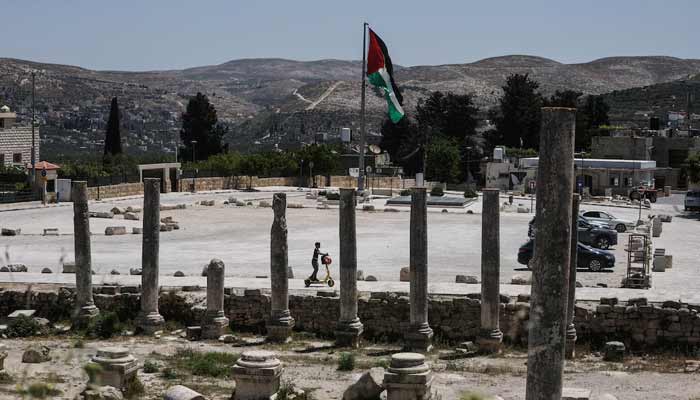
    A Palestinian boy rides a scooter among archaeological ruins in the ancient village of Sebastia, near Nablus in the Israeli-occupied West Bank, June 4, 2026.— Reuters/File

    An Israeli proposal to extend civil control over historical sites in the West Bank has faced opposition from Palestinians and human rights organizations within Israel. Critics argue the legislation resembles a move to annex occupied territory and could facilitate further Jewish settlements.

    The “Heritage Authority in Judea and Samaria” bill was approved in one of three votes by Israel’s parliament in May. It remains uncertain whether the final vote will occur before lawmakers disband ahead of an anticipated election on October 27.

    The bill aims to transfer management of sites from the Roman, Byzantine, and Crusader periods under Israeli Ministry of Heritage authority, permitting expropriation and purchase of land across the West Bank—which Israel refers to by its Hebrew biblical name. This shift would effectively diminish oversight of certain ancient locations previously managed by the Palestinian Authority, which has limited self-governance under the 1990s Oslo Accords in parts of the West Bank, territory Israel has occupied since 1967.

    Hani Al-Hayek, the Palestinian Authority’s tourism minister, stated, “Controlling these antiquities is intended to increase dominance and expand settlements deep into Palestinian territory.” Israel states that the bill is designed to safeguard historical sites.

    Village near the historic site of Sebastia faces potential land seizure

    Peace Now, an organization monitoring Israeli settlements, called the bill a “completely annexationist move” that would result in widespread confiscation of Palestinian land. While using archaeology as a means to justify settlement expansion isn’t new, Peace Now emphasized that the current measures by the Israeli government are unprecedented in scope.

    A case in point is the Palestinian village of Sebastia in the northern West Bank, where residents—many with roots tracing back centuries—depend heavily on tourism linked to a nearby archaeological site. Archaeologists identify this site as containing relics from the 9th-century BC Israelite kingdom, along with remnants from Roman, Byzantine, Crusader, and Ottoman eras. It is currently under consideration for UNESCO World Heritage status.

    In late 2025, Israel announced plans to seize approximately 1,800 dunams (about 445 acres) at Sebastia, citing development projects. Village officials report that this action would impact around 5,000 olive trees cultivated in the area.

    Sebastia’s Deputy Mayor, Nizar Kayed, commented, “They are claiming areas with water sources, roads, and historical sites, leaving us without vital resources. This is part of their settlement expansion effort.” Since late 2023, local tourism has declined, partly due to regional conflicts, affecting businesses like Nahed Sakha’s restaurant, which sits on land slated for confiscation.

    “The Israeli plan appears aimed at disconnecting the archaeological site from the local community,” Sakha added.

    Israel points to historical and biblical connections to justify its actions

    Israeli parliament member Zvi Sukkot, a proponent of the bill, asserts that expanding Israeli control over these sites is meant to protect relics dating back to biblical times. “This doesn’t alter the legal status of Judea and Samaria,” he told Reuters.

    He added, “Many are uncomfortable with our effort to demonstrate the ties between the people of Israel and this land. All the biblical stories and our history originate in Judea and Samaria.” Sukkot belongs to the religious Zionist party that supports settlements and opposes the creation of a Palestinian state, favoring annexation instead.

    International bodies and most nations regard Israel’s settlements as illegal under international law, particularly citing the Fourth Geneva Convention, which prohibits relocating civilians into occupied territories. Israel disputes this, asserting that the West Bank is disputed land inherited from biblical and historical claims and citing security concerns.

    The new bill has also alarmed some Israeli legal officials and scientists. The Israel Academy of Sciences and Humanities issued an open letter to Netanyahu and Sukkot, urging its withdrawal. They warned that the legislation could harm Israel’s international reputation in archaeology and other scientific fields.

  • Ancient Humans’ 800,000-Year-Old Choice of the Perfect Stone

    Ancient Humans’ 800,000-Year-Old Choice of the Perfect Stone

    A recent study reveals that ancient human ancestors were more organized and skilled than previously believed. Nearly 800,000 years ago, they intentionally selected different types of stone for specific tools rather than randomly gathering whatever rocks were nearby.

    These discoveries suggest that early humans had a detailed understanding of their environment, demonstrated advanced planning skills, and maintained technological traditions across many generations.

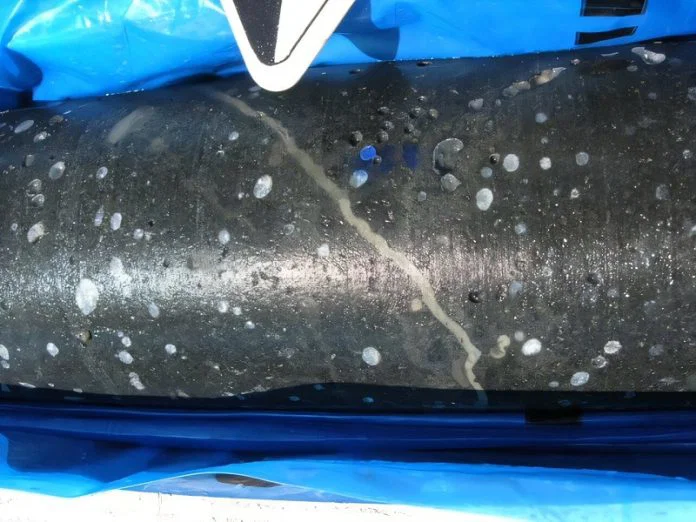
    The research, published in Scientific Reports, centered on the archaeological site of Gesher Benot Ya’aqov (GBY) in present-day Israel. Dating back approximately 780,000 years, the site provides evidence of repeated visits by Acheulian hominins—a primitive human group recognized for crafting large stone tools. Past excavations at GBY uncovered a significant collection of artifacts, including stone tools, signs of controlled fire, plant use, fish handling, and animal processing. Among their preferred materials was basalt, a durable volcanic rock well-suited for producing sizable cutting implements like hand axes and cleavers.

    While scientists understood that creating these tools involved a complex process—selecting large basalt slabs, shaping them into giant cores, then removing flakes to refine the desired tool—the new study aimed to identify where these hominins sourced their basalt.

    Researchers examined the chemical makeup of basalt tools found at the site. Each basalt flow has a distinct chemical signature, akin to a geological fingerprint. By comparing these signatures with those of basalt samples from surrounding regions, the investigators could determine the original source of the stone.

    Findings showed many tools were crafted from basalt coming from sources within about a kilometer of the site. Interestingly, some tools matched basalt flows now buried deep underground and no longer visible on the surface. This information helped reconstruct ancient landscapes that existed hundreds of thousands of years ago before geological processes like earthquakes, erosion, and sediment deposition dramatically changed the terrain. The region lies along the tectonically active Dead Sea Transform, an area where Earth’s shifting plates have continually reshaped the landscape over time.

    The study also revealed that different tool types correlated with different basalt sources. Large cores often originated from nearby or now-buried local basalt, while some cleavers came from more distant sources. This pattern suggests that hominins deliberately selected stones based on their specific qualities, such as size, shape, internal structure, and suitability for particular manufacturing techniques.

    Evidence indicates these stone selection practices persisted over tens of thousands of years and were likely passed down through generations. The consistent reuse of these methods highlights that early humans weren’t merely surviving—they were learning about and actively understanding their environment.

    Nearly 800,000 years ago, they knew where to find the optimal stone, how to process it, and which types suited different tools. In essence, they possessed a surprisingly sophisticated knowledge of their material resources, emphasizing the importance of choosing the right rock for each task—a remarkable achievement for that era.

  • 7,000-Year-Old Village Uncovers 77 Headless Skeletons

    7,000-Year-Old Village Uncovers 77 Headless Skeletons

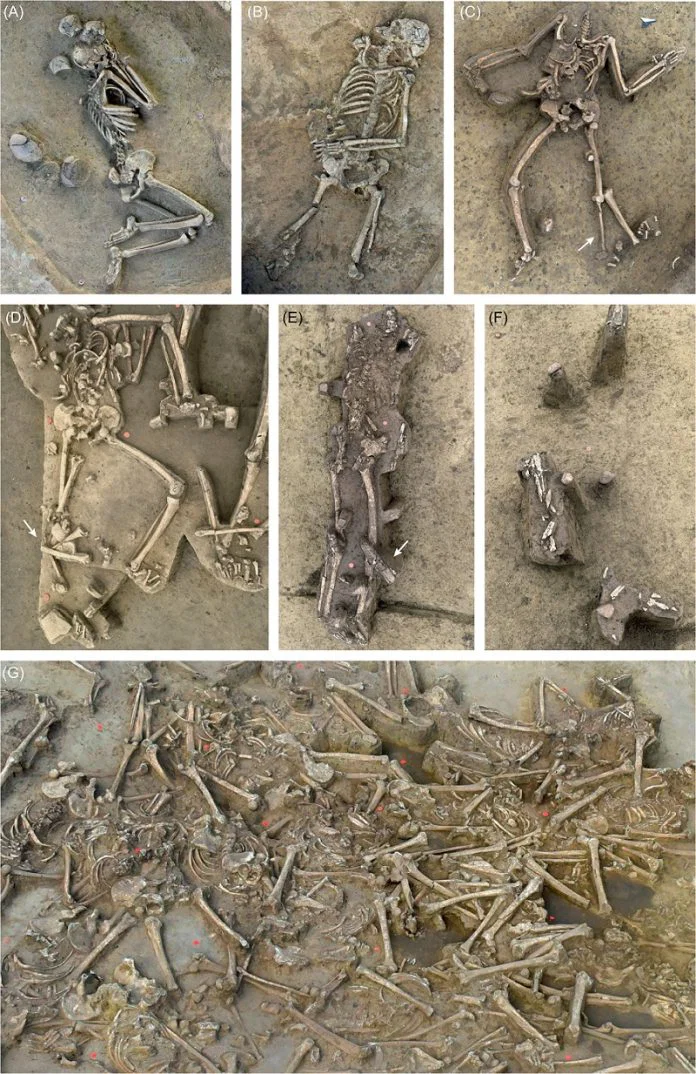
    A significant archaeological find in Slovakia is challenging previous beliefs about life and death among Europe’s earliest farming communities. Since 2022, excavations at a 7,000-year-old settlement near Vráble have uncovered a striking scene: numerous human skeletons grouped together in and around a ditch, with most of the skulls missing.

    Initially, these remains resembled evidence of a violent massacre. However, recent research points to a different interpretation. The site at Vráble is one of the key locations associated with the Linear Pottery culture, one of the continent’s earliest farming societies. The settlement, dating from approximately 5250 to 4950 BCE, once housed hundreds of dwellings. At its height, around 80 houses might have been occupied simultaneously.

    Part of the settlement was enclosed by a ditch, likely serving as a boundary marker. Near one entrance to this enclosed area, archaeologists discovered the remains of at least 78 individuals. Notably, 77 of these bodies were missing their skulls, with only one child retaining their head. The bodies were buried in varied positions, with no clear pattern, and evidence suggests the heads were removed delicately rather than violently. The neck bones lack signs of brutal decapitation, indicating the skulls were carefully taken after death, which may have held cultural or spiritual significance.

    The fate of the missing heads remains uncertain. It’s possible they were stored or buried elsewhere, although no separate skull collection has yet been identified at Vráble. Historically, such discoveries were often interpreted as signs of violence or social breakdown, especially since other sites from the same period show similar deposits of human remains.

    Yet, the current research suggests that violence wasn’t the primary cause. Instead, the treatment of these bodies might reflect complex ritual practices that reinforced social bonds or spiritual beliefs within and between groups. These practices demonstrate that ancient peoples may have had very different views on death than we do today. Behaviors that seem disturbing now could have been meaningful traditions in Neolithic society.

    Ongoing studies aim to identify the age, sex, and origins of these individuals by analyzing their bones, as well as examining marks on the neck vertebrae. DNA testing and isotope analysis could shed light on their diets, mobility, and familial relationships.

    As new insights emerge, the mysterious headless skeletons of Vráble could prove invaluable in understanding how Europe’s earliest farmers viewed death, identity, and community thousands of years ago.

  • Erdogan vows Turkey won’t surrender ancient stone to Israel

    Erdogan vows Turkey won’t surrender ancient stone to Israel

    Turkey has reaffirmed that it will never surrender the ancient Biblical-era inscription discovered beneath Jerusalem during Ottoman rule to Israel. President Recep Tayyip Erdogan emphasized this stance on Friday, referencing the so-called Siloam or Silwan inscription—a 2,700-year-old Hebrew tablet currently housed in Istanbul’s archaeology museum.

    The controversy revved up diplomatic tensions Monday when Prime Minister Benjamin Netanyahu recalled that his 1998 efforts to recover the artifact were rebuffed, citing concerns that returning the inscription would provoke outrage among Erdogan’s Islamist supporters then serving as Istanbul’s mayor.

    On Friday, Erdogan accused Netanyahu of spreading hatred against Turkey for refusing to return the relic, calling it a “legacy of our ancestors.” He stated, “Jerusalem is the honor, dignity, and glory of all humanity and Muslims… yet he shamelessly continues to demand the inscription. We will not give you that inscription, let alone a single pebble from Jerusalem.”

    The limestone tablet was uncovered in the late 1800s inside the Siloam tunnel, an ancient aqueduct beneath Jerusalem. When found in 1880 during Ottoman rule, it was taken to Constantinople, now Istanbul, where it has remained ever since. The inscription describes the construction of the tunnel and is viewed by Israel as a key piece of evidence of Jewish history in Jerusalem, which the country has sought to acquire for years.

    During the inauguration of a newly excavated ancient road in Silwan, a densely populated Palestinian neighborhood in East Jerusalem under Israeli occupation and annexation, Netanyahu highlighted the inscription’s significance—ranking it among Israel’s most important archaeological finds after the Dead Sea Scrolls. He recounted a 1998 conversation with former Turkish Prime Minister Mesut Yilmaz, claiming he offered Turkey a trove of Ottoman artifacts in exchange, but the offer was rebuffed due to concerns over growing Islamist influence led by Erdogan at the time, who was Istanbul’s mayor.

    Yilmaz reportedly told Netanyahu that there was widespread opposition within Turkey, and specifically from Erdogan, against giving Israel a tablet that underscored Jerusalem’s Jewish history from 2,700 years ago. Netanyahu declared, “This is our city. Mr. Erdogan, it’s not your city—it’s ours. It always will be.”

    The statement echoes Erdogan’s 2020 remarks where he described Jerusalem as “our city, a city from us,” emphasizing Turkey’s historical connections to the holy site, which was under Ottoman control for two centuries.

    Relations between Turkey and Israel have sharply deteriorated over Gaza conflicts. Erdogan responded this week to Netanyahu’s claims, dismissing them as “tantrums” and reaffirming Turkey’s stance: “As Muslims, we will not step back from our rights over East Jerusalem.”

    Jerusalem’s Old City, home to revered sites for Jews, Muslims, and Christians, remains a flashpoint of tension and violence, central to the ongoing Israeli-Palestinian conflict.