الوسم: anonymous

  • Google Is Protecting Your Android Phone From Unknown Apps

    Google Is Protecting Your Android Phone From Unknown Apps

    Malware-infected applications have long been a concern on Android devices, primarily due to the open nature of the platform. Unlike iOS, which restricts app installs to the official App Store, Android allows users to run apps from virtually any source on the internet, increasing the risk of malicious software.

    What’s New for Android?

    Google is now implementing a policy that requires all apps to be registered with verified developers before they can be installed on certified Android devices. This means that if you have a genuine Android phone from a reputable manufacturer, it most likely qualifies as a certified device. Certification indicates that Google has tested the device for security compliance and it comes equipped with protections like Google Play Protect, which scans for viruses and other threats.

    The key change involves developer verification. Google will now verify the identity of developers or businesses responsible for apps before they appear on your device. If a developer remains unverified, the app will be blocked from installation. This move is part of Google’s efforts to tighten control over app sources and reduce the distribution of harmful software.

    Why is this Important?

    Previously, developers could distribute apps without verification, creating an opportunity for malicious actors to exploit the system. They often uploaded malware-laden apps, containing anything from trackers to data theft tools. Now, with the new policies, Google will verify developer identities, making it easier to hold malicious developers accountable and ensuring that users are downloading apps from legitimate sources.

    What Does This Mean for Users?

    Starting in March next year, Google will begin verifying developers for apps listed on the Google Play Store. By September, the verification process will expand to several Asian markets, with plans to further extend in subsequent years. The goal is to prevent harmful apps from spreading through unofficial channels, ultimately providing a safer app ecosystem.

    Since implementing these identity checks, Google reports it has significantly reduced the number of malicious apps, which previously made up a tiny fraction of downloads from third-party sources. The verification process helps stop bad actors from hiding behind anonymity to distribute malware, conduct scams, or steal sensitive data.

    Additional Measures

    Google continues to leverage artificial intelligence to combat threats. Since 2017, they’ve used machine learning algorithms to identify malicious apps and are now deploying on-device AI to detect scams through calls and messages. The company also offers enhanced security features, like Advanced Protection, to safeguard devices against evolving threats.

    In essence, these changes are designed to make Android devices more secure by ensuring that only verified developers can distribute apps, thereby protecting users from the increasing threat of malicious software.

  • Anonymous Hacks Russia, Unleashes Trump Files Online

    Anonymous Hacks Russia, Unleashes Trump Files Online

    The hacking collective Anonymous has asserted its role in a major cyberattack targeting Russian networks, claiming to have released 10 terabytes of leaked information that they say includes sensitive data about political figures, state-linked businesses, Kremlin assets abroad, and even documents that allegedly connect to former President Donald Trump.

    The group made the data public on April 15 and announced it through their official X account, previously known as Twitter. In the announcement, Anonymous stated: “In defense of Ukraine, Anonymous has released 10TB of leaked data regarding all businesses operating in Russia, Kremlin assets in the West, pro-Russian officials, Donald Trump, and more.”

    The post featured an image showcasing file folders, one of which was labeled “Leaked Data of Donald Trump.”

    Although specifics about the contents were not disclosed, the inclusion of Trump has sparked widespread attention, especially amidst ongoing scrutiny of his foreign policy actions.

    Photo: X

    Anonymous, which operates without a centralized leadership, has a well-documented history of “hacktivism”—using cyberattacks to expose or disrupt entities seen as corrupt, oppressive, or dangerous.

    The group first declared war on Russian cyber operations in 2022, soon after Moscow initiated its full-scale invasion of Ukraine.

    This recent operation is among the largest that Anonymous has claimed in recent years. Cybersecurity experts indicate that while the full ramifications of the leaked data are yet to be determined, the sheer size—10 terabytes—suggests a significant breach that could impact diplomatic and economic relations connected to Russia.

    Reports indicate that the data may reveal connections between Russian businesses and foreign operations, uncovering financial transactions and the identities of pro-Kremlin officials tied to assets in Western nations.

    While there has been no formal response from the Russian government, analysts believe that internal assessments are likely underway to gauge the extent of the breach.

    The timing of the leak coincides with a renewed global focus on Trump’s foreign activities. Recently, Anonymous has amplified its criticism of the Trump administration, alleging that the former president is acting against the interests of Ukraine and undermining international democratic principles.

    In a recent message, the group remarked: “Trump is working against Ukraine. He stands with Russia. Don’t believe for a second that his aim is to assist Europe, the Ukrainian people, or American security. His purpose is to weaken and ultimately dismantle global democracy, international law, and you.”

    At this time, Anonymous has not issued any further threats or additional leaks.

    The collective continues to remain engaged on social media, regularly posting commentary about the ongoing war in Ukraine and geopolitical dynamics involving Russia and the West.

    The long-term impact of this cyberattack remains to be seen, but the incident underscores Anonymous’ ongoing digital campaign against the Kremlin and its political and corporate allies.

  • Worldwide Sweep Targets ‘Ghost’ Cybercrime Network: 51 Arrested

    Worldwide Sweep Targets ‘Ghost’ Cybercrime Network: 51 Arrested

    Law enforcement agencies from several countries have taken down an encrypted communication platform known as Ghost, which had become a vital resource for criminal groups involved in drug trafficking and money laundering.

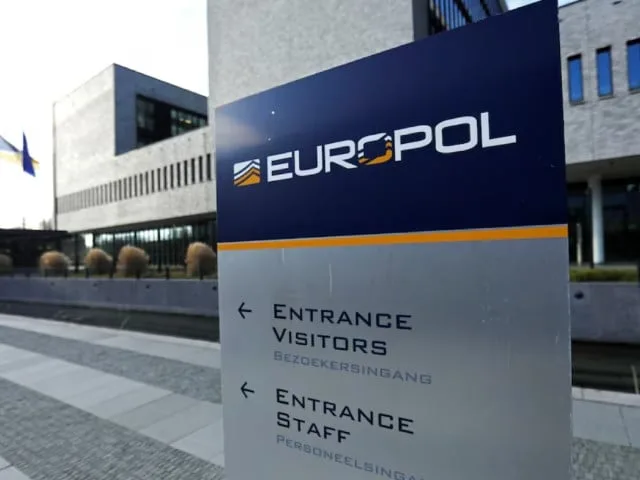
    Coordinated by Europol, this operation led to the arrest of 51 suspects across various nations, and more arrests are expected to follow.

    Ghost was notorious for its sophisticated security features, allowing criminals to operate discreetly while planning extensive illegal activities.

    The platform’s shutdown marks a major blow to international organized crime networks that depended on it for their operations.

    Jean-Philippe Lecouffe, the Deputy Executive Director of Europol, referred to the operation as “a global game of cat and mouse,” stressing that this round has come to an end. The crackdown successfully dismantled the platform and disrupted numerous criminal operations.

    Authorities have confiscated weapons, drugs, and over 1 million euros (approximately $1.11 million) in cash. Furthermore, the operation led to the shutdown of a drug lab in Australia and helped avert several potential public safety threats.

    Catherine De Bolle, Europol’s Executive Director, underscored the significance of the operation, stating that Ghost served as “a lifeline for serious organized crime.”

    She assured the public that no matter how concealed they think their activities are, criminal networks cannot escape the united efforts of international law enforcement.

    This extensive operation involved collaboration from law enforcement agencies in Australia, Canada, France, Iceland, Ireland, Italy, the Netherlands, Sweden, and the United States.

    This global teamwork highlights a shared commitment to fighting international organized crime.

    As the investigation progresses, additional disruptions to illegal activities are expected, representing a significant victory in the battle against global criminal networks.