الوسم: Ads

  • Italy’s Meloni condemns ‘senseless’ attacks by Trump

    Italy’s Meloni condemns ‘senseless’ attacks by Trump

    U.S. President Donald Trump talks with Italian Prime Minister Giorgia Meloni during a working lunch with G7 and Middle Eastern leaders in Evian-les-Bains, France, June 16, 2026. — Reuters

    • Trump accuses Meloni of trying to mend ties with Washington.
    • Meloni criticizes Trump for “constant, unprovoked” attacks.
    • “My popularity isn’t your concern,” Meloni tells Trump.

    WASHINGTON: Italian Prime Minister Giorgia Meloni responded sharply to U.S. President Donald Trump on Saturday, describing his repeated, unprovoked insults as “nonsensical” following his escalation of a diplomatic dispute by claiming she repeatedly sought a photo opportunity with him.

    This exchange has created a rare personal rift between Trump and one of Europe’s leading right-wing figures, who has presented herself as a bridge between America and Europe during Trump’s resurgence in power.

    Initially, Trump told Italian broadcaster La7 that Meloni “begged” him for a picture at this week’s G7 summit in France, asserting he only agreed because he “felt sorry for her.”

    Meloni strongly denied this, calling it “fabricated,” but Trump reaffirmed the claim in a post on Truth Social, alleging she repeatedly asked for a photo during the gathering.

    He also accused her of attempting to repair relations with the U.S. for domestic political gains after Italy did not support U.S. action against Iran.

    “Now, after the United States defeated Iran militarily, she wants to be friends again to boost her approval ratings. No thanks!!!” Trump wrote.

    He suggested Meloni’s declining popularity in Italy might be linked to her refusal to allow U.S. military landings on Italian soil during the Iran conflict.

    Trump also reiterated his longstanding criticism of U.S. defense spending for NATO allies, claiming that Washington contributes hundreds of billions to safeguard Italy and others.

    In a vigorous reply on Instagram, Meloni accused Trump of relentless, senseless attacks and stated her popularity isn’t based on her relationship with him.

    “Being your friend has certainly not helped, nor does it influence my standing,” she wrote.

    She dismissed Trump’s criticism about the use of U.S. military bases in Italy, affirming that all were used according to agreements Rome had honored.

    “Ultimately, my popularity isn’t your business. I suggest you focus on your own,” she added.

  • YouTube Uses AI to Make Ads Harder to Skip

    YouTube Uses AI to Make Ads Harder to Skip

    YouTube is embracing artificial intelligence in its latest effort to target users seeking an uninterrupted viewing experience. Recently, the platform announced intentions to leverage AI models to enhance the effectiveness of advertisements by strategically integrating them into videos.

    During its Brandcast 2025 event held in New York City, YouTube disclosed its plan to utilize Google’s Gemini AI for video analysis aimed at optimizing ad placements. This advanced AI will identify pivotal moments, termed “Peak Points,” within videos where viewers are likely to be most engaged, making them less prone to skip the ads.

    This AI initiative appears to extend beyond the current histogram available on the YouTube scrub bar that highlights “Most replayed” segments in videos. However, the specific criteria YouTube will apply to determine these peak moments remain unclear.

    YouTube's ad window selected by Gemini AI.
    YouTube

    YouTube has not disclosed other details about the advertisements, such as their length or whether they can be skipped. However, it stands to reason that the platform is unlikely to place shorter or easily dismissible ads, as those characteristics would undermine the strategy of inserting advertisements during the most compelling moments.

    While this approach may frustrate viewers, it could be beneficial for content creators, potentially increasing their advertising revenue. The influence on click-through rates (CTR) for advertisers likely hinges on how relevant the ads are to the audience.

    All these strategies ultimately aim to encourage viewers to subscribe to YouTube Premium. The service has attempted various methods to persuade users to make the switch, including offering limited ad-free trial periods and introducing plans with fewer advertisements. Additionally, YouTube is actively working to make ad-blocking tools less effective, particularly for those using Chrome as their primary browser.

    In a separate initiative, YouTube announced that it will stream the NFL Week One game from Brazil live on September 5th, accessible to all viewers without requiring a subscription.

  • Spotify Fixes Ad Bug Affecting Premium Users

    Spotify Fixes Ad Bug Affecting Premium Users

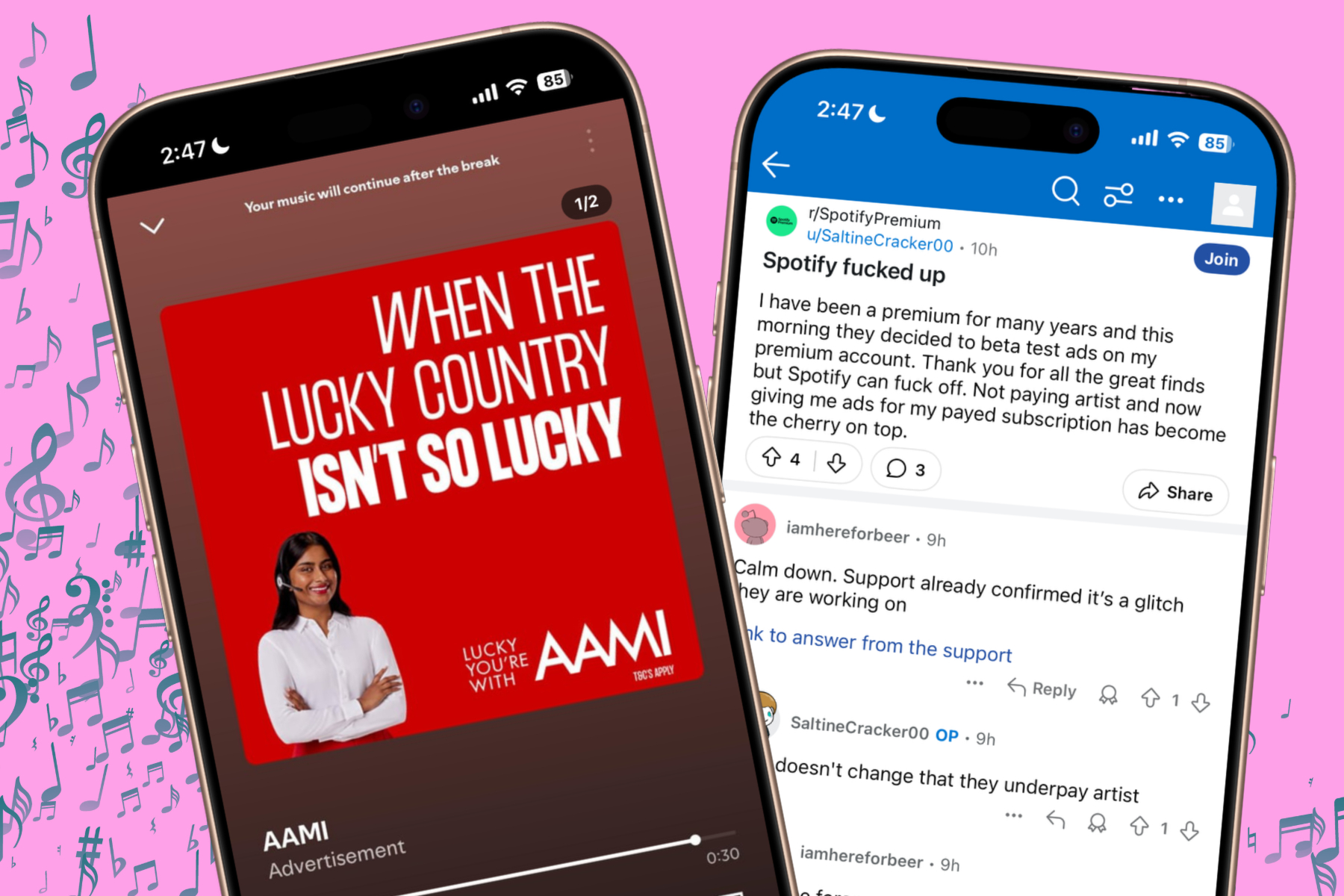
    Many Spotify subscribers are facing an unusual issue where they are encountering unskippable ads, despite having a Premium membership. Users have voiced their frustrations on the Spotify community forum, Reddit, and X, noting that ads are interrupting their listening experiences.

    Spotify’s support team has acknowledged the problem and stated that their engineering department is actively investigating it. In a post on the forum, they advised affected users to try logging out and back into their accounts multiple times to restore normal functionality.

    Additionally, Spotify has suggested that users clear the app’s cache on their devices and restart the application. Some have even been advised to uninstall and then reinstall the app, although it remains unclear if this solution will be effective.

    Hi there. We’re sorry to hear about this. Could you try clearing your app’s cache, following these steps: https://t.co/6FR9xeIUou? Let us know how it goes. We’ll keep an eye out for your updates.

    — SpotifyCares (@SpotifyCares) March 6, 2025

    Despite these suggested fixes, numerous users have reported that the problem persists. It appears that subscribers on various plans—including standalone, Duo, and Family—are all experiencing the ad interruptions.

    One user lamented, “I’m dealing with the same problem today. I’ve checked all the settings and logged in and out multiple times. It’s driving me crazy. They better resolve this soon.”

    Spotify displaying ads to Premium users
    Reddit / Digital Trends

    Another user added, “I just started experiencing this issue an hour or two ago. I’ve tried logging in and out, used different devices, and double-checked my payment status.”

    Some listeners are reporting being inundated with consecutive ads with no breaks. One user on Reddit expressed their frustration, saying, “I just encountered three ads in a row. If ads are going to interrupt my experience with a subscription, I’ll switch to Apple Music.”

    Complaints about Spotify showing ads to Premium users.
    Reddit / Digital Trends

    Reports indicate that this ad issue is not confined to the mobile app; users are also finding similar problems with the web player and streaming on smart home devices. Social media posts have highlighted additional issues, such as malfunctioning song skipping and shuffle features.

    As of now, Spotify has not provided a detailed explanation of what caused this disruption in their internal systems. Moreover, none of the suggested solutions seem to work universally for all users experiencing these issues.

    In other news, Spotify is set to roll out its hi-fi streaming tier later this year and has started offering AI-generated audiobooks on its platform. Meanwhile, competitors like YouTube have introduced a Premium Lite subscription in the U.S. this week, which excludes access to YouTube Music Premium and features such as background play.


  • Apple Considers Adding Ads to Apple Maps Again

    Apple Considers Adding Ads to Apple Maps Again

    In 2022, Mark Gurman alerted us to the possibility of Apple incorporating advertisements into Apple Maps and other components of the iPhone, but this initiative was never realized. However, it appears Apple may be revisiting this prospect, as noted in Gurman’s latest Power On! newsletter.

    Currently, Apple displays ads within its Apple News and Stocks applications, and Gurman mentions that “Apple is reconsidering this concept.” The company is examining possible avenues for monetization, although no specific plans or timelines have been established yet.

    Conceptually, businesses might pay to receive higher placements in search results or to have their icons displayed more prominently on the map. This direction also opens the possibility for Apple to offer an ad-free experience for an additional fee, potentially integrating that option into its existing Apple One subscription service.

    Apple Maps on the Apple iPhone 16 Plus.
    Andy Boxall / Digital Trends

    Elevating certain businesses within Apple Maps raises questions about user benefits. The proposed system could function similarly to Google’s advertising model, where businesses are flagged as sponsored listings, potentially pushing more relevant search results further down the page. Nevertheless, if Apple adopts a more conventional advertisement system, it may risk losing the goodwill of users who appreciate the ad-free experience they currently enjoy.

    In such circumstances, traditional ad blockers would likely be ineffective. Tools like uBlock and similar applications aim to prevent external content from displaying on webpages. However, if Apple implements its proposed ad system, it would deliver advertisements from the same source, akin to how ads work on certain streaming platforms, which complicates the ability for ad blockers to function effectively.

    If Apple does move forward with this initiative, it won’t be happening anytime soon. Gurman indicates that no active engineering efforts are currently underway, suggesting that it may be several months—if not longer—before any advertisements are integrated into Apple Maps.

  • Innovative Advertising Ideas Through ChatGPT Ads

    Innovative Advertising Ideas Through ChatGPT Ads

    Innovative Advertising Ideas Through ChatGPT Ads

    In the ever-evolving world of digital marketing, businesses are constantly seeking unique strategies to capture the attention of their audience. With artificial intelligence, particularly models like ChatGPT, advertisers are finding creative ways to enhance their campaigns. This article explores innovative advertising ideas that leverage ChatGPT capabilities to engage customers effectively.

    Understanding ChatGPT Integration in Advertising

    The integration of ChatGPT in advertising strategies opens up several possibilities for brands. Its ability to simulate human-like conversation provides a platform for dynamic interaction with potential customers.

    Benefits of Using ChatGPT in Ads

    • Personalization: ChatGPT can tailor messages based on user data, making advertisements more relevant to individual preferences.
    • Real-time Engagement: This technology can respond instantly to user queries, enhancing customer service.
    • Scalability: Brands can quickly scale their ad campaigns by deploying ChatGPT across various platforms without significantly increasing overhead costs.

    Interactive Ad Campaigns

    One of the most exciting aspects of using ChatGPT is the ability to create interactive ad campaigns that engage users at a deeper level.

    Ways to Implement Interactive Ads

    1. Conversational Ads: Create ads that allow users to interact with a virtual assistant powered by ChatGPT. This could be in the form of quizzes or games related to the product or service.
    2. Customer Surveys: Use ChatGPT to conduct surveys that provide immediate feedback while subtly promoting brand values or products.
    3. Scenario-Based Responses: Advertisers can use scenario-driven questions where users can select different options, leading to personalized product recommendations.

    Content Creation for Ads

    Harnessing ChatGPT’s capabilities in generating unique content can significantly enhance ad effectiveness.

    Innovative Content Ideas

    • Product Descriptions: Generate engaging and persuasive product descriptions that resonate with target audiences.
    • Ad Copy Variations: Use ChatGPT to create multiple variations of ad copy, allowing A/B testing to identify the most effective messaging.
    • Visual and Text Integration: Develop ads that combine catchy visuals with ChatGPT-generated text, ensuring a cohesive and compelling message.

    Utilizing ChatGPT for Market Research

    Market research is essential for successful advertising, and ChatGPT can streamline this process.

    Efficient Research Methods

    • Trend Analysis: Use ChatGPT to analyze current trends in consumer behavior and preferences. The AI can sift through data to identify what resonates with audiences.
    • Competitor Analysis: Generate reports on competitor strategies, highlighting gaps and opportunities for your brand to exploit.
    • Target Demographic Insights: Leverage ChatGPT to identify and understand target demographics, assisting in refining marketing strategies.

    Enhancing Customer Experience

    Elevating customer experience is key to converting leads into sales, and ChatGPT can play a pivotal role.

    Improving Interaction

    • 24/7 Support: Implement ChatGPT as a virtual assistant to answer common customer inquiries around the clock, ensuring no query goes unanswered.
    • Follow-Up Communication: Use AI to send personalized follow-ups after an initial interaction, fostering a stronger connection with potential buyers.
    • Feedback Collection: Analyze customer feedback through conversational surveys, enabling brands to address concerns swiftly and improve their offerings.

    Case Studies of Successful ChatGPT Ads

    Implementing ChatGPT in advertising has inspired several successful case studies, showcasing its potential.

    Examples of Success

    • E-Commerce Platforms: Brands have utilized ChatGPT to create personalized shopping experiences, leading to increased conversion rates.
    • Travel Agencies: ChatGPT-driven chatbots have helped users plan trips by answering queries and providing recommendations based on preferences, resulting in higher customer satisfaction.
    • Education Services: Online learning platforms have incorporated ChatGPT to assist students in course selection, significantly improving enrollment rates.

    The Future of Advertising with ChatGPT

    As technology continues to advance, the future of advertising is likely to be influenced heavily by AI.

    • Increased Personalization: Future ads may employ even deeper levels of personalization based on user interactions.
    • Integration with Augmented Reality (AR): Combining ChatGPT with AR could lead to immersive advertising experiences that allow consumers to interact with products virtually.
    • Enhanced Predictive Analytics: With improved algorithms, ChatGPT will be able to predict consumer behavior more accurately, allowing for proactive ad campaigns.

    By embracing these innovative advertising ideas powered by ChatGPT, brands can not only enhance their engagement strategies but also improve their overall marketing effectiveness, paving the way for a more interactive and customer-focused advertising landscape.

  • Why ChatGPT Ads Are Ideal for Startups and Small Businesses

    Why ChatGPT Ads Are Ideal for Startups and Small Businesses

    Why ChatGPT Ads Are Ideal for Startups and Small Businesses

    In the fast-paced digital landscape, advertising methods continue to evolve. For startups and small businesses, navigating this terrain can be challenging yet vital for growth. Among the myriad advertising options available, ChatGPT ads have emerged as a valuable tool. Here’s why they are particularly well-suited for smaller entities looking to make a significant impact.

    Understanding ChatGPT Ads

    ChatGPT ads leverage advanced artificial intelligence to create personalized, dynamic advertising experiences. This technology mimics human conversation, allowing brands to engage potential customers in a more relatable and interactive manner.

    Key Features of ChatGPT Ads:

    • Personalization: Tailor messages based on individual user interactions.
    • 24/7 Availability: Constantly engage with customers without human oversight.
    • Scalability: Easily adjust campaigns and expand reach as needed.

    Cost-Effectiveness for Small Budgets

    One of the primary concerns for startups is budget constraints. Traditional advertising methods can be prohibitively expensive. ChatGPT ads, however, offer a cost-effective alternative.

    Cost-Effective Benefits:

    • Lower Entry Costs: Many platforms that host AI-driven ads charge less than traditional media.
    • Targeted Advertising: Reach specific demographics without wastage, maximizing ROI.
    • Flexible Spending: Adjust investment based on performance and seasonal requirements.

    Enhanced Customer Engagement

    Customer engagement is crucial for any business, especially when building a brand from the ground up. ChatGPT ads facilitate interactive communication, enhancing the overall consumer experience.

    Improving Engagement through AI:

    • Real-Time Conversations: Customers receive instant responses, fostering a sense of connection.
    • Gathering Feedback: Direct interactions allow businesses to gain insights into customer preferences and experiences.
    • Storytelling: Use conversational narratives to effectively communicate brand values and messages.

    Data-Driven Insights

    Another strength of ChatGPT advertising lies in its capacity to collect and analyze data. This capability provides startups and small businesses with valuable insights that can drive marketing strategies.

    Valuable Insights Offered:

    • User Behavior Tracking: Understand how users interact with ads to refine messages.
    • Conversion Analytics: Measure the effectiveness of campaigns and identify areas for improvement.
    • Market Trends: Stay ahead of competitors by analyzing shifting consumer preferences.

    Versatility Across Platforms

    ChatGPT ads can be deployed across various platforms, from social media to websites, enhancing brand visibility. This versatility is especially beneficial for startups wanting to establish a foothold in multiple channels.

    Platforms to Consider:

    • Social Media: Engage users on platforms like Facebook, Instagram, and Twitter.
    • E-commerce Sites: Enhance customer experience on e-commerce platforms with interactive ads.
    • Apps and Websites: Increase user retention by using conversational ads on digital properties.

    Building Brand Loyalty

    Engagement through ChatGPT ads fosters relationships between brands and consumers, which is essential for long-term success. When customers feel connected to a brand, they are more likely to return.

    Ways to Cultivate Loyalty:

    • Personalized Recommendations: Suggest products based on user interactions, enhancing the buying experience.
    • Consistent Communication: Maintain dialogue, addressing questions and concerns as they arise.
    • Reward Programs: Use conversational ads to inform customers about loyalty incentives, encouraging repeat business.

    Navigating Challenges with AI Ads

    While there are many benefits, it’s essential to approach ChatGPT ads strategically. Small businesses should consider potential challenges and address them proactively.

    Common Challenges:

    • Complexity of AI: Small business owners may need initial training to effectively utilize these tools.
    • Over-reliance on Automation: Balance AI interactions with human touchpoints to maintain authenticity.
    • Content Relevance: Constantly update and refine messaging based on user feedback and trends.

    Integrating ChatGPT ads into the marketing strategy can significantly enhance a startup’s or small business’s visibility and engagement. As the landscape of advertising continues to shift, embracing innovative solutions like AI-driven ads is key to thriving in a competitive market. By leveraging these tools effectively, businesses can foster connections, grow their brand, and achieve sustainable success.

  • Affordable Advertising Opportunities with ChatGPT Ads

    Affordable Advertising Opportunities with ChatGPT Ads

    In today’s rapidly evolving digital landscape, businesses constantly seek effective ways to reach their target audiences without breaking the bank. One emerging solution that offers affordable advertising opportunities is ChatGPT ads. These ads leverage conversational AI to engage users in a unique way, allowing brands to connect with potential customers more personally and effectively.

    What Are ChatGPT Ads?

    ChatGPT ads utilize AI-driven conversational capabilities to create interactive advertisements. Instead of traditional static ads, these innovative formats offer dynamic, engaging experiences that can capture the attention of users in a crowded digital space.

    Key Features of ChatGPT Ads

    • Interactivity: Users can engage in conversations with the ad, asking questions and receiving tailored responses.
    • Personalization: Messages can be customized based on user data, increasing relevance and appeal.
    • Real-Time Feedback: Brands can receive immediate insights into user preferences and behaviors.

    Benefits of Using ChatGPT Ads

    Implementing ChatGPT ads comes with numerous advantages that can enhance brand visibility and consumer engagement effectively.

    Cost-Effectiveness

    • Lower Cost per Engagement: Compared to traditional marketing channels, ChatGPT ads generally require less budget allocation.
    • Reduced Ad Spend Waste: By targeting users with personalized content, businesses can minimize spending on less effective advertising strategies.

    Enhanced User Experience

    • Engaging Interactions: ChatGPT ads foster conversations, making the advertising experience more enjoyable for users.
    • Immediate Answers: Users can get instant responses to their inquiries, improving their overall experience and satisfaction.

    How to Get Started with ChatGPT Ads

    Making the leap into AI-driven advertising is easier than you might think. Here are some simple steps to begin:

    Identify Your Objectives

    • Brand Awareness: If your goal is to increase visibility, focus on attracting large audiences.
    • Lead Generation: For those seeking to capture leads, prioritize interactions that can collect user information.

    Choose the Right Platform

    Several platforms support ChatGPT ads. Research to find one that aligns with your target audience and business goals.

    • Social Media: Platforms like Facebook and Instagram integrate conversational ads seamlessly.
    • Websites and Blogs: Utilize your site to feature interactive ads that engage visitors as they browse.

    Craft Engaging Content

    • Develop conversational scripts that are friendly and relatable.
    • Incorporate strategic prompts that encourage users to interact with the ad.

    Tips for Maximizing ChatGPT Ads Effectiveness

    To get the most out of your ChatGPT ads, consider the following strategies:

    Monitor and Analyze Performance

    • Track Engagement Metrics: Follow interactions, user questions, and feedback to gauge effectiveness.
    • Adjust Based on Insights: Be prepared to modify your approach based on what resonates with your audience.

    Experiment with Different Formats

    • A/B Testing: Try different conversational designs to see which one yields better results.
    • Diverse Content: Use various messaging styles, including promotions, FAQs, or product explanations.

    Prioritize User Privacy

    • Data Transparency: Clearly communicate how user data will be used within the advertising framework.
    • Opt-Out Options: Offer users the choice to disengage or opt out of data collection whenever possible.

    Conclusion

    Adopting ChatGPT ads can be a game-changer for businesses aiming for affordable and effective advertising solutions. By engaging users in meaningful conversations, companies can foster stronger relationships and enhance their marketing strategy’s overall effectiveness. Whether you’re a small startup or an established brand, exploring this innovative ad format can open new avenues for growth and customer engagement.

  • How ChatGPT Ads Can Enhance Your User Experience

    How ChatGPT Ads Can Enhance Your User Experience

    In the digital age, advertising has become an integral part of our online experience. However, the traditional approach to ads can often feel disruptive rather than engaging. Enter ChatGPT ads—innovative advertisements that leverage conversational AI to deliver more personalized and interactive content. This article explores how ChatGPT ads can enrich user experience in a meaningful way.

    Understanding ChatGPT Ads

    ChatGPT ads employ advanced AI technology to create a more personalized advertising experience. Unlike conventional advertisements that bombard users with static content, these ads utilize natural language processing to engage users in two-way conversations.

    Key Features of ChatGPT Ads

    • Personalization: Tailored content based on user preferences and behavior.
    • Interactivity: Engages users in conversations, making ads feel less intrusive.
    • Real-Time Data Utilization: Adjusts messaging based on current trends and user interactions.

    Enhancing User Experience Through Engagement

    The beauty of ChatGPT ads lies in their ability to create a two-way communication channel. This interactivity can significantly improve how users perceive advertisements.

    Advantages of Interactive Ads

    • User Involvement: Users can ask questions and get immediate responses, adding value to their experience.
    • Engagement Metrics: Higher user engagement often translates to better conversion rates for advertisers.
    • Feedback Loop: Users can provide instant feedback, helping brands refine their offerings.

    Creating Meaningful Conversations

    A well-designed ChatGPT ad can foster relevant conversations that resonate with the audience. Some approaches include:

    • Conversational Prompts: Initiatives that encourage users to engage with the ad.
    • Contextual Relevance: Ads that adapt based on user queries and browsing history, leading to a more tailored experience.

    Building Trust and Authenticity

    Trust plays a critical role in user experience, especially in advertising. Traditional ads can sometimes feel impersonal or manipulative, but ChatGPT ads can humanize the experience.

    Strategies for Building Trust

    • Transparency: Clearly communicate brand values and intentions.
    • Authentic Tone: Use a conversational and relatable language that resonates with users.
    • Consistency: Maintain brand voice across different platforms while keeping interactions relevant.

    Long-Term Relationships with Users

    ChatGPT ads can help brands cultivate relationships with users by creating memorable experiences that encourage return visits and loyalty.

    • Personal Follow-Ups: After initial interactions, brands can follow up with personalized messages or relevant content.
    • Continuous Engagement: Use insights from previous conversations to keep interactions fluid and relevant.

    Data-Driven Precision Targeting

    One of the most significant advantages of ChatGPT ads is their ability to leverage data for better targeting. This ensures that users are exposed to ads that genuinely interest them.

    How Data Enhances Targeting

    • Behavior Analysis: Understanding user behavior to fine-tune ad content and timing.
    • Predictive Analytics: Predicting user preferences and future needs based on past interactions.
    • Segmented Audiences: Tailoring ads to specific demographic or psychographic segments for enhanced relevance.

    Benefits of Precision Targeting

    • Increased Relevance: Users receive ads that align closely with their interests, improving the overall experience.
    • Higher Engagement Rates: Targeted ads typically yield better engagement metrics due to their relevance.
    • Reduced Ad Fatigue: By showing users only what they are likely to be interested in, fatigue from excessive, irrelevant ads is minimized.

    Conclusion

    ChatGPT ads represent a transformative shift in how advertising can enhance user experiences online. By prioritizing engagement, building trust, and utilizing data-driven strategies, these revolutionary advertisements cultivate a more enjoyable, personalized interaction with brands. Whether for increased user satisfaction or better conversion rates, the advantages of ChatGPT ads are clear—providing not just advertisements but meaningful interactions that resonate with users.

  • The Advantages of ChatGPT Ads for Users and Businesses

    As the digital landscape evolves, businesses continually seek innovative avenues to connect with their audiences. Among the most promising developments is the emergence of ChatGPT-based advertising. This unique approach leverages artificial intelligence to create personalized and engaging ad experiences. Both users and businesses stand to gain from this evolving trend.

    Benefits for Users

    Personalized Interactions

    One of the most significant advantages of ChatGPT ads is the level of personalization they offer. Unlike traditional ads that often deliver a one-size-fits-all approach, ChatGPT can analyze user behavior and preferences to tailor messages accordingly. This results in:

    • Relevance: Ads that resonate more closely with individual interests.
    • Engagement: Higher interaction rates due to content that is relevant to the user.

    Enhanced User Experience

    ChatGPT ads enhance the overall user experience in several ways:

    • Conversational Format: Users engage with ads more naturally through dialogue, making the experience interactive.
    • Immediate Assistance: Users can receive answers to questions instantly, eliminating the frustration of searching for information.

    Reduced Ad Fatigue

    By providing highly relevant content, ChatGPT ads can help mitigate the annoyance often associated with excessive or irrelevant advertising. This can lead to:

    • Better Retention: Users are more likely to remember well-crafted, personalized ad content.
    • Positive Perception: A more favorable view of brands that respect users’ time and preferences.

    Advantages for Businesses

    Cost Efficiency

    Implementing ChatGPT ads can lead to more efficient advertising spend. Businesses can benefit from:

    • Targeted Campaigns: Precision targeting minimizes wasted impressions, ensuring that budget allocations focus on likely converters.
    • Dynamic Adjustments: Real-time analytics allow businesses to tweak their campaigns, optimizing performance without unnecessary expenses.

    Improved Conversion Rates

    The interactive nature of ChatGPT ads can significantly enhance conversion rates by:

    • Guiding Users: Users receive tailored recommendations and can easily navigate towards purchase decisions.
    • Building Trust: Personalized interactions foster a stronger connection between brands and potential customers, leading to higher conversion likelihoods.

    Valuable Insights

    Utilizing ChatGPT for advertising provides businesses with an array of data-driven insights:

    • User Preferences: Detailed analytics reveal what users respond to, helping refine audience targeting.
    • Performance Metrics: Businesses can track engagement and conversion rates in real time, allowing for agile marketing strategies.

    Streamlining Brand Messaging

    Consistent Communication

    ChatGPT ads can help maintain uniformity in brand messaging across various channels. This consistency is crucial for users as it reinforces:

    • Brand Recognition: Users can easily identify and relate to brands that present a coherent message.
    • Trustworthiness: A unified brand voice builds reliability and encourages loyalty.

    Enhanced Storytelling

    Storytelling has become an essential part of effective advertising. ChatGPT enables businesses to tell their brand story more compellingly through:

    • Interactive Narratives: Users can engage in a narrative rather than passively consume information.
    • Emotional Connection: Personalized stories resonate, creating deeper connections with users.

    Conclusion

    As businesses and users continue to navigate an increasingly digital world, the advantages offered by ChatGPT-based advertising stand out. The benefits of personalized interaction, improved user experiences, cost efficiency, and valuable insights create a win-win scenario for all parties involved. Embracing this innovative approach could redefine the future of advertising, where communication transcends traditional boundaries.

  • Negative Impacts of ChatGPT Ads on AI Quality

    Negative Impacts of ChatGPT Ads on AI Quality

    As artificial intelligence technologies like ChatGPT become more popular, the proliferation of advertisements promoting these tools can lead to several negative consequences. While marketing is a crucial aspect of any tech development, the way in which ChatGPT is promoted can inadvertently affect the quality of the AI itself. This article explores the detrimental impacts of ChatGPT ads on AI quality.

    The Allure of Rapid Adoption

    With the growing demand for AI assistance, ads for ChatGPT often emphasize quick solutions and instant responses. Although this can be appealing, it can have negative ramifications for both developers and users:

    • Oversimplification of Capabilities: Advertisements may present ChatGPT as a one-size-fits-all solution, glossing over limitations in nuance and depth.
    • User Expectations vs. Reality: Users may expect flawless interaction based on catchy ad lines, leading to dissatisfaction when performance falls short.

    Increased Pressure on Developers

    The surge in user interest driven by advertising can create immense pressure on developers to deliver instant results. This urgency can lead to several issues:

    • Compromised Quality Control: In an attempt to meet high demands, developers may cut corners in testing and refining the AI algorithms.
    • Focus on Quantity Over Quality: The desire to scale can push teams to prioritize releasing features over enhancing existing ones, ultimately sacrificing AI sophistication.

    Algorithmic Limitations and Bias

    Advertising also influences the types of features developed and the data sets selected for training:

    • Limited Focus on Diversity: Ads often highlight broad capabilities, which may encourage teams to rely on popular but less inclusive data sets. This can perpetuate biases present in the training data.
    • Inadvertent Reinforcement of Stereotypes: When ads fail to address the nuances of human language, the AI may inadvertently reinforce harmful stereotypes or misinformation.

    Neglect of Ethical Considerations

    The emphasis on marketing ChatGPT can lead to overlooked ethical concerns:

    • Data Privacy Risks: Rapid deployment without adequate attention to data privacy can lead to violations, jeopardizing user trust.
    • Lack of Transparency: Ads usually don’t address underlying algorithms, leaving users unaware of how their interactions might be used or stored.

    User Experience Fragmentation

    The messaging in advertisements can result in disparate user experiences:

    • Misalignment of Features: Users may engage with ChatGPT expecting particular functionalities that are not readily available, leading to frustration.
    • Community Misinformation: Promotional materials can prompt misconceptions, creating a divide between informed users and novices who believe everything advertised.

    Short-term Gains vs. Long-term Sustainability

    Finally, while the allure of extensive marketing might yield short-term financial gains, the long-term consequences can be detrimental:

    • Market Saturation: An influx of users can overwhelm support systems, leading to degraded service quality.
    • Reputation Damage: As negative experiences accumulate, they may tarnish the reputation of AI technologies, frustrating potential future users.

    The complexities surrounding ChatGPT and similar technologies necessitate a careful balance between effective marketing and ensuring quality. The focus should remain on fostering genuine understanding and responsible use of AI capabilities rather than merely chasing immediate success through advertisements. By addressing these issues, we can work towards a more sustainable and ethically responsible future for AI technologies.

  • Monetizing ChatGPT with Ads: Pros and Cons

    As various platforms strive to generate revenue, the idea of integrating advertisements into conversational AI models such as ChatGPT emerges as a viable option. This approach raises questions about user experience, ethical considerations, and overall effectiveness. Below we explore both the benefits and drawbacks of monetizing ChatGPT with advertisements.

    Advantages of Implementing Ads in ChatGPT

    Increased Revenue Streams

    • Diverse Income: Including ads can offer a supplemental revenue source beyond subscription fees or donations.
    • Sustained Development: Additional funds can help maintain and improve the AI, ensuring users receive advanced and efficient interactions.

    Enhanced User Experience

    • Targeted Advertising: With sophisticated algorithms, ads can be personalized based on user preferences or previous interactions, potentially making them more relevant.
    • Monetization without Premium Fees: Users who may not wish to pay for premium features could still enjoy a free service, supported by ad revenue.

    Competitive Edge

    • Market Differentiation: By adopting an advertising model, platforms can carve out a unique market niche, attracting users who prefer cost-free access.
    • Engagement Opportunities: Ads can offer campaigns or promotions that engage users, creating a lively, interactive experience.

    Disadvantages of Advertising in ChatGPT

    User Experience Concerns

    • Disruption in Interaction: Introducing ads can interrupt the flow of conversation, leading to frustration among users who seek seamless interaction.
    • Quality Perception: Users might begin to view the platform primarily as an advertisement tool rather than a valuable resource for genuine engagement and information.

    Ethical Considerations

    • Data Privacy: Personalized advertisements may require extensive data collection, raising significant concerns regarding users’ privacy and consent.
    • Transparency Issues: Users may feel deceived if they cannot differentiate between genuine responses and sponsored content, potentially eroding trust in the platform.

    Dependency on Revenue Models

    • Ad Fatigue: Users may become overwhelmed with excessive advertisements, leading to decreased overall engagement and potential churn.
    • Sustainability Issues: Relying too heavily on advertising could make the platform vulnerable to market changes, such as shifts in ad spending.

    Balancing Act: Best Practices for Implementation

    Thoughtful Integration

    • Native Advertising: Integrating ads that feel organic to the conversation can minimize disruptions and enhance user engagement.
    • Clear Separation: Keeping sponsored content distinct from organic interactions can help maintain transparency and user trust.

    User Control

    • Opt-Out Options: Allowing users the choice to opt-out of personalized ads can improve user satisfaction and privacy concerns.
    • Feedback Mechanisms: Encouraging users to provide feedback on their ad experience can help refine ad strategies and ensure they align with user expectations.

    Regular Assessments

    • Performance Metrics: Continuously analyze user interaction data to measure the impact of ads on engagement and satisfaction.
    • Adaptation Strategies: Be prepared to modify the ad strategy based on user feedback and market trends to ensure balanced monetization without compromising core experience.

    In this evolving landscape of AI and advertising, the decision to incorporate ads into ChatGPT requires careful consideration of both the benefits and challenges involved. By implementing best practices and fostering an environment of transparency and user control, platforms can navigate this balance effectively.

  • Are ChatGPT Ads Ethical? A Critical Analysis

    As artificial intelligence technology continues to evolve, the use of AI-generated content has become more prevalent in various fields, including advertising. However, the emergence of ChatGPT ads raises significant ethical questions. This article explores the implications of utilizing AI in advertising, dissecting the ethical concerns and potential ramifications associated with this trend.

    Understanding ChatGPT and Its Role in Advertising

    What is ChatGPT?

    ChatGPT is a sophisticated language model developed by OpenAI. It can generate human-like text based on the input it receives. Businesses are increasingly leveraging this technology to create ads, product descriptions, and promotional content.

    How ChatGPT Ads Work

    • Automation of Content Creation: Using AI to generate advertising copy can streamline the process and reduce costs.
    • Targeted Messaging: Ads can be tailored based on data analytics, allowing businesses to reach specific demographics more effectively.
    • 24/7 Availability: ChatGPT can generate content on-demand, ensuring that companies can maintain a consistent marketing presence.

    Ethical Concerns Surrounding ChatGPT Ads

    As the use of AI in advertising becomes more commonplace, several ethical issues arise:

    Transparency and Disclosure

    • Lack of Disclosure: Consumers may not be aware that an advertisement was created by an AI, which raises questions about transparency.
    • Manipulation of Trust: The human-like quality of AI-generated content can lead to potential manipulation and exploitation of consumer trust.

    Authenticity and Deception

    • Questionable Authenticity: Ads that pass off AI-generated content as human-made can lead to misconceptions about product efficacy and company values.
    • Deceptive Practices: If the ad content exaggerates benefits or misleads consumers, it can be considered unethical.

    Data Privacy

    • Use of Personal Data: AI advertisements often rely on vast datasets to create targeted content. This raises concerns about how personal information is being used.
    • Consent Issues: Consumers may not realize their data is being utilized in this manner, questioning the validity of their consent.

    Regulatory and Industry Standards

    Current Regulations

    • Lack of Specific Laws: There are no comprehensive regulations specifically targeting AI-generated advertising, leading to grey areas in ethical compliance.
    • Guidelines from Industry Bodies: Various advertising and marketing organizations are beginning to establish standards, but uniform implementation remains a challenge.

    Importance of Ethical Guidelines

    • Setting Boundaries: Establishing ethical guidelines can help organizations navigate the complexities of AI-generated content.
    • Enhancing Accountability: Clear standards can promote accountability among businesses utilizing AI technologies, ensuring that ethical practices are prioritized.

    The Future of ChatGPT in Advertising

    As AI continues to advance, the conversations surrounding ethical advertising will become even more crucial. Businesses must consider the implications of using AI like ChatGPT in their marketing strategies.

    Balancing Innovation with Responsibility

    • Consumer Education: Companies need to ensure that consumers are educated about the use of AI in their advertising efforts.
    • Investing in Ethical Training: Organizations should train their teams on ethical use and the potential consequences of AI-generated content.

    Collaborative Efforts

    • Industry Collaboration: To address ethical challenges, companies should collaborate with regulators, ethics boards, and consumers.
    • Public Discourse: Encouraging public discussion on the implications of AI in advertising can foster greater understanding and awareness.

    In summary, the use of ChatGPT for ads presents a complex interplay of innovation and ethical dilemmas. Balancing these elements is essential for fostering trust, accountability, and a responsible approach to advertising in the age of AI.

  • Why Some Users Dislike ChatGPT Ads

    Why Some Users Dislike ChatGPT Ads

    The rise of AI-powered tools like ChatGPT has transformed how individuals interact with technology. However, as these tools become integrated with advertising, a faction of users has expressed their dissatisfaction with the presence of ads. This article delves into the reasons behind this aversion.

    The Intrusiveness of Ads

    One of the most significant factors contributing to negative feelings about ChatGPT advertisements is their intrusiveness.

    Disruption of User Experience

    • Flow Interruption: Ads can interrupt a seamless conversation, causing frustration for users who are looking for straightforward, quick interactions.
    • Cognitive Load: Managing ads alongside inquiries can overload the user’s mental capacity, detracting from the intended experience.

    Perceived Value Reduction

    • Trust Erosion: Users may feel that the presence of ads devalues the service, leading to a perception that content is influenced by commercial interests rather than user needs.
    • Quality Concerns: Ads can divert attention away from genuine interactions, making users question the effectiveness of the AI.

    Advertising Relevance and Targeting

    Another point of contention lies in how well ads are tailored to user interests.

    Lack of Personalization

    • Generic Promotions: Many ads are not relevant to the user’s queries or profile, leading to annoyance and disengagement.
    • Irrelevant Partnerships: Users may find it frustrating when ads are for products or services they have no interest in, further complicating their experience.

    User Frustration with Targeting Techniques

    • Data Privacy Concerns: Some users worry that personalized advertising infringes on their privacy. They may feel uncomfortable knowing their data is being used for targeted ads.
    • Misleading Information: Users may encounter ads that misrepresent the product or service, leading to distrust toward the platform itself.

    Expectations of AI Interactions

    Users often come to AI tools with specific expectations that may clash with the presence of advertising.

    Desire for Uninterrupted Service

    • Expectations of Clarity: Many users prefer clean, uninterrupted interactions that focus solely on information and assistance without commercial interruptions.
    • Emerging Trust: As people begin to adopt AI tools, they expect a level of trust and reliability. Ads can undermine that emerging relationship.

    Shifted Focus from Engagement to Commercialization

    • Concerns Over Motivation: Users frequently worry that the introduction of ads shifts the focus from providing quality responses to generating revenue, which may compromise the service’s integrity.
    • Preference for Subscription Models: Some users would rather pay for an ad-free experience than endure advertisements, highlighting a desire for a more dedicated form of service.

    Impact on Community Sentiment

    User sentiment regarding advertisements in ChatGPT is also shaped by broader community discussions.

    Collective Discontent

    • Social Media Outcry: Users often take to platforms like Twitter and Reddit to voice their frustrations, creating a sense of community among vocal critics.
    • Influence of Reviews: Negative reviews and feedback can amplify discontent, leading to a ripple effect among the user base.

    Emotional Responses

    • Frustration and Disappointment: Continuous exposure to ads can evoke feelings of irritation and disillusionment, particularly among those who initially embraced the tool for its innovative features.
    • Sense of Betrayal: Users who feel misled about the nature of the service may experience a sense of betrayal, particularly if they were attracted to the platform under different pretenses.

    By examining these factors, we can better understand why certain users harbor reservations about advertisements in ChatGPT. Addressing their concerns may pave the way for a more harmonious relationship between AI tools and their users.

  • The Backlash Against ChatGPT Ads: What Users Are Saying

    With the rise of artificial intelligence (AI) tools, advertising strategies have rapidly evolved to include platforms like ChatGPT. However, the incorporation of ads within this conversational AI has sparked a wave of criticism from users. This article delves into the reasons behind the backlash and highlights the sentiments expressed by the community.

    Why Are Users Upset?

    The discontent surrounding ChatGPT ads stems from several key issues:

    Intrusiveness of Ads

    One of the primary complaints revolves around the perceived intrusiveness of advertisements in what many users consider a personal interaction. Some of the major points raised include:

    • Disruption of Flow: Users feel that ads interrupt the natural flow of conversation, making interactions feel less genuine.
    • Annoyance Factor: Many find it frustrating when unsolicited promotions appear during their inquiries.

    Quality of Recommendations

    Users also express concern regarding the relevance and quality of the advertised products or services:

    • Irrelevant Content: Several individuals report receiving suggestions that do not match their interests or needs, leading to a sense of disconnection.
    • Trust Issues: The presence of ads raises questions about the reliability of the information provided. Users worry that promotional content may overshadow unbiased responses.

    User Reactions on Social Media

    The feedback on platforms like Twitter, Reddit, and Facebook has been a mixed bag, with many individuals vocal about their displeasure. Some recurring themes include:

    Calls for Unfiltered Interactions

    Many users crave an experience devoid of advertising, desiring unfiltered responses to their queries. Some expressed their thoughts as follows:

    • "I just want straightforward answers; the ads ruin the experience."
    • "It feels less like a conversation and more like a sales pitch."

    Suggestions for Improvement

    Along with complaints, users are proposing potential solutions to enhance the experience:

    • Ad-Free Subscription Models: Some have suggested implementing premium services where users can pay to avoid advertisements altogether.
    • Better Targeting of Ads: There’s a call for improved algorithms that ensure more relevant ads are displayed, thereby minimizing the disruption.

    Impact on User Experience

    The integration of ads into ChatGPT can significantly affect user satisfaction. Users have voiced concerns over:

    Changes in Interaction Style

    Users worry that ads may lead to more scripted interactions, reducing the spontaneity and engagement that AI tools strive to offer. This shift could alter the fundamental nature of how users interact with AI.

    Decline in Reliability

    The introduction of advertisements might lead some users to distrust the platform altogether, impacting its long-term usability as a credible source of information.

    Community Split

    While many users are against ads, there exists a smaller subset of the community that does not mind them. These users are often indifferent, as they believe advertisements can help support the platform’s development and maintenance.

    Alternatives Being Explored

    As users navigate the landscape of ChatGPT and similar platforms, some are considering alternatives to enhance their experience, including:

    • Other AI Tools: Individuals are exploring different AI tools that offer a more ad-free experience.
    • Feedback to Developers: Many users are actively providing feedback to developers, urging them to reconsider the strategy around advertisements.

    Given the ongoing backlash against ads in ChatGPT, developers are at a crossroads, needing to balance revenue generation with user experience. The evolving dynamics between AI, advertising, and user expectations are likely to shape future developments in the industry.

  • ChatGPT Ads vs Ad-Free Experience: What’s Better?

    As digital landscapes evolve, users are often faced with choices that can greatly affect their online experiences. One such choice involves platforms that utilize advertising, specifically in the context of ChatGPT. This article delves into the pros and cons of experiencing ChatGPT with ads versus an ad-free experience, helping you determine which option may be more appealing for your needs.

    Understanding the Ad Experience

    Advertising is a prevalent model in many online platforms, and ChatGPT is no exception. The integration of ads can influence the way users interact with the service.

    Pros of ChatGPT with Ads

    • Free Access: The primary benefit of using ChatGPT with ads is the ability to access the service without any financial commitment. Users can enjoy conversations and information without paying subscription fees.

    • Diverse Content Exposure: Ads can introduce users to new products, services, or content that they may not have encountered otherwise. This can enrich the overall experience by providing further resources.

    • Support for Developers: Ad revenue contributes to maintaining and improving the platform. This means that users may benefit from ongoing updates and enhancements.

    Cons of ChatGPT with Ads

    • Distractions: Ads can interrupt the conversational flow, potentially detracting from the user experience. Some individuals may find it challenging to concentrate when ads are present.

    • Relevance Issues: Not all ads are relevant to every user. This mismatch can lead to frustration, reducing the overall quality of interaction with the platform.

    • Privacy Concerns: Advertisements often rely on data collection and tracking. Users who are sensitive to privacy may feel uncomfortable knowing their data is being utilized for targeted advertising.

    Advantages of an Ad-Free Experience

    Opting for an ad-free version of ChatGPT means paying for uninterrupted access. This choice offers several benefits.

    Benefits of Ad-Free ChatGPT

    • Enhanced Focus: Users can engage more deeply without the interruption of ads. This uninterrupted interaction can lead to a more productive and enjoyable experience.

    • Curated Content: An ad-free environment often results in content that is more carefully curated to user interests, as advertisements will not skew the interaction.

    • Increased Privacy: Without ads, users may experience less data tracking and collection, leading to improved privacy and a sense of security.

    Considerations for an Ad-Free Experience

    • Cost: The biggest trade-off for removing ads is the financial aspect. Paying for an ad-free experience can deter budget-conscious users.

    • Perceived Value: Some individuals may question whether the benefits of an ad-free experience justify the cost. Understanding the value proposition is essential before making this choice.

    • Limited Exposure: While ads can bombard users with information, going ad-free can limit exposure to new products or services that may actually be beneficial.

    Making the Choice: What Works for You?

    When considering whether to engage with ChatGPT in an ad-supported or ad-free environment, think about the following:

    • Usage Frequency: If you frequently use the service, an ad-free experience might be more enjoyable and worthwhile.

    • Budget Considerations: Assess how much you’re willing to spend. If you’re not ready to commit financially, ads may be your best option.

    • Preferred User Experience: Reflect on what’s more important to you: seamless, immersive interactions without distractions or the opportunity to access the platform for free, despite the interruptions.

    Summary of Choices

    Aspect ChatGPT with Ads Ad-Free ChatGPT
    Cost Free Subscription required
    User Experience Potentially interrupted by ads Seamless, uninterrupted experience
    Privacy Possible data tracking Reduced tracking
    Content Exposure May discover new products Focused on user preferences

    Ultimately, the choice between ChatGPT ads and an ad-free experience depends on personal priorities and preferences. Evaluate each option against your needs to make the best decision for your online interaction.

  • Will Ads Affect ChatGPTʼs Performance? Experts Weigh In

    Will Ads Affect ChatGPTʼs Performance? Experts Weigh In

    The rise of AI-driven conversational agents like ChatGPT has seen an explosion in popularity and usage. However, as companies look for monetization strategies, a pressing question arises: will the introduction of advertising impact the performance and user experience of these AI models? Experts are divided on this issue, presenting various viewpoints on the potential consequences.

    Understanding ChatGPT’s Functionality

    How ChatGPT Works

    ChatGPT operates on complex algorithms that analyze and generate human-like text based on input prompts. Its performance relies heavily on:

    • Natural Language Processing (NLP): This technology enables the model to understand and generate human language effectively.
    • Training Data: The breadth and quality of data it has been trained on will determine the accuracy and relevance of its responses.
    • User Interaction: Real-time learning from user interactions allows continuous improvement over time.

    Current Usage of ChatGPT

    Many users rely on ChatGPT for various applications, including:

    • Creative writing
    • Customer support
    • Educational assistance
    • Idea generation

    The need for an uninterrupted and high-quality experience drives concerns about introducing advertisements.

    Perspectives from Experts

    Potential Negative Impacts

    Some experts caution against the introduction of ads within ChatGPT, citing several potential downsides:

    • Distraction: Ads may divert user attention from the primary function of the AI, leading to subpar interactions.
    • Latency Issues: Incorporating ads could slow down response times, affecting user satisfaction.
    • Compromised Credibility: Users might question the reliability of responses if they perceive ads influencing the content generated by the AI.

    Possible Benefits

    Conversely, not all experts view ads as detrimental. Some suggest possible benefits that advertising could bring:

    • Sustainable Revenue: Monetizing the platform through ads could ensure ongoing improvements and support for the AI.
    • Targeted Experiences: Well-implemented ads could enhance user experience by tailoring recommendations and content to individual user interests.
    • Increased Functionality: The revenue generated from advertisements might be used to expand features, integrating more advanced functionalities.

    Strategies for Incorporating Ads

    If advertising is to be implemented, experts propose several strategies to minimize potential drawbacks:

    Contextual Relevance

    • Seamless Integration: Ads should align with user queries or interests, ensuring relevance without overshadowing the primary interaction.
    • Clear Separation: It’s essential to distinguish between AI-generated content and advertisements. Users should know when they are interacting with promotional material.

    User Control

    • Opt-in Programs: Allowing users to choose whether they want to see ads can foster a more positive experience.
    • Feedback Mechanisms: Implementing ways for users to provide input on ad relevance can help refine the advertising experience.

    Transparent Practices

    • Clear Guidelines: Communicating how ads will work and their potential impact on user interactions can build trust.
    • Data Privacy Considerations: Ensuring stringent data privacy measures will alleviate concerns about misuse of user information for advertising purposes.

    In navigating the balance between monetization and user experience, the key will be a thoughtful approach that prioritizes user needs while exploring new revenue streams. The ongoing discussion about the role of advertising in platforms like ChatGPT reflects broader trends in technology and consumer expectations, making this a vital area for future exploration.

  • Analyzing the Impact of ChatGPT Ads on AI Interaction

    The growing presence of AI communication tools in everyday life has reshaped the way users engage with technology. One significant factor contributing to this shift is the emergence of advertising campaigns surrounding these AI solutions, particularly those for ChatGPT. This article explores how advertisements influence public perception and interaction with AI, as well as the broader implications for user behavior and marketing strategies.

    The Rise of ChatGPT Advertisements

    Understanding the Landscape

    In recent years, ChatGPT has gained considerable traction among various user demographics. As a result, companies have recognized the value of promoting these advanced technologies. The advertising strategies employed encompass a range of platforms, including:

    • Social media
    • Online video content
    • Podcast sponsorships
    • Traditional media (TV and radio)

    Target Audience

    Effectively reaching potential users necessitates a keen understanding of target demographics. Advertisements tend to focus on:

    • Tech-savvy individuals seeking innovative tools
    • Businesses looking to streamline communication
    • Students and educators aiming for enhanced learning experiences

    Influence on User Perception

    Shaping Expectations

    Ads play a crucial role in establishing user expectations about AI capabilities. Misleading or exaggerated claims can lead to disillusionment, whereas transparent advertising can boost user confidence and enthusiasm. Key aspects include:

    • Feature Highlighting: Ads that clearly articulate functionality help users understand the benefits.
    • Real-World Applications: Showcasing practical use cases can render the technology more relatable.

    Emotional Appeal

    Emotion-driven marketing tactics can significantly affect user perceptions. Advertisements that provoke curiosity or excitement may lead to increased engagement. Key elements include:

    • Storytelling: Narratives that resonate with users can create a memorable connection.
    • User Testimonials: Showcasing positive experiences fosters trust and relatability.

    Impact on Engagement Levels

    Encouraging Interaction

    Effective advertising can lead to increased interaction with AI technologies. Users motivated to try new tools often seek out additional information. Factors influencing this include:

    • Easy Access: Clear calls to action facilitate user exploration of the technology.
    • Community Formation: Ads that encourage community engagement can drive collective interaction.

    User Retention

    Once users engage with an AI tool, maintaining their interest is vital for sustained interaction. Advertisements can play a role in this by employing strategies such as:

    • Regular Updates: Promoting new features and improvements keeps users informed and engaged.
    • Incentives: Special offers or trials can attract returning users and encourage exploration of additional functionalities.

    Marketing Strategies for AI Advertisements

    Innovative Approaches

    The realm of AI advertising is continuously evolving, leading to creative marketing strategies that stand out. Notable approaches include:

    • Influencer Partnerships: Collaborating with tech influencers to reach niche audiences.
    • Gamification: Incorporating game-like elements in advertisements to enhance user interaction.

    Measuring Effectiveness

    Evaluating the impact of advertising is critical for refining strategies. Key metrics to assess effectiveness include:

    • Click-Through Rates (CTR): Indicates how compelling ads are in prompting user action.
    • Conversion Rates: Measures how many interested users ultimately engage with the AI tool.

    Tailoring Messaging

    Understanding user feedback is essential for refining advertising messages. Analyzing audience responses can help create targeted campaigns that resonate more deeply with potential users, focusing on:

    • Personalization: Customizing ads to fit user preferences can enhance their effectiveness.
    • A/B Testing: Experimenting with different ad formats and messages allows for continuous improvement.

    Future Implications

    Evolving Interaction Dynamics

    As the technology landscape shifts, advertisements for AI tools like ChatGPT will likely evolve. Potential trends to consider include:

    • More Interactive Ads: Providing users with a taste of the AI experience directly through advertisements.
    • Emphasis on Ethical AI: Highlighting responsible AI usage and data privacy can address user concerns.

    Broadening Acceptance

    The effectiveness of ChatGPT advertisements could lead to broader acceptance of AI tools across various sectors, including:

    • Education: Enhanced learning experiences powered by AI could see wider uptake in academic settings.
    • Healthcare: AI’s ability to assist in diagnostic processes or administrative tasks could reshape industry standards.

    The intersection of advertising and AI interaction continues to unfold, influencing how users perceive and engage with advanced communication tools like ChatGPT. Through innovative marketing strategies and a focus on user experience, the potential for positive engagement with AI technologies remains vast.