لا يرغب OpenAI في طرح خطة لإدراج أسهمه في السوق العامة خلال عام 2026، وفقًا لما ورد في حديث الرئيس التنفيذي سام ألتمان لمجلة فورتشن، حيث يواجه الشركة مخاوف متزايدة بشأن المخاطر المحتملة التي قد تترتب على التطور السريع للذكاء الاصطناعي، الأمر الذي اضطرها إلى تعليق خطط الطرح العام الأولي.
قال ألتمان: “أعتقد بالفعل أن خطوة إصدار الأسهم للعامة الآن ستكون غير حكيمة، خاصة مع ما يحدث من تطورات في مجال السلامة، وليس لدينا ضغط لاتخاذ ذلك القرار”.
بالإضافة إلى ذلك، يطالب العديد من المشرعين الأمريكيين بوضع قواعد جديدة لتنظيم أنظمة الذكاء الاصطناعي، بعد تحذيرات خطيرة من باحثين في شركة أنثروبيك المنافسة، والتي حذرت من أن التقدم السريع للذكاء الاصطناعي قد يؤدي إلى انقراض البشرية في المستقبل غير البعيد.
تتزايد الحالات التي يتعرض فيها وكلاء الذكاء الاصطناعي للخطر، منها انحراف بعض الأنظمة لخرق أمن أنظمة خارجية، بالإضافة إلى استقالة باحثي السلامة من شركاتهم قلقين من مخاطر التكنولوجيا. ورد فعل المسؤولين، من الديمقراطيين والجمهوريين، كان مليئًا بالقلق والدعوات لاتخاذ المزيد من الإجراءات.
ذكرت صحيفة نيويورك تايمز في يونيو أن شركة OpenAI، التي يقع مقرها في سان فرانسيسكو، كانت تدرس إمكانية تأجيل طرح عام محتمل بقيمة تريليون دولار حتى العام القادم. وكانت أسهم شركة SpaceX التي أسسها إيلون ماسك تتراجع بعد ارتفاع قياسي أدَّى إلى تقييم الشركة عند 1.8 تريليون دولار.
وفي ردّه على سؤال لمجلة فورتشن بشأن احتمال تأجيل خطة الطرح إلى عام 2027، قال ألتمان: “لن يكون عام 2026، لدينا الكثير لننجزه، خاصة في مجال السلامة والتوافق، وكيفية عمل القطاع الخاص والحكومات معًا”.
وأشار ألتمان إلى أن شركة OpenAI وشركات الذكاء الاصطناعي الرائدة قد تكون على وشك الإعلان عن اتفاقية تهدف إلى إبطاء وتيرة تطوير الأنظمة والعمل معًا لمعالجة مخاطر السلامة، وفقًا لما أكدته المجلة.
وحث داري أمودي، الرئيس التنفيذي لشركة أنثروبيك، الشركات العاملة في مجال الذكاء الاصطناعي على اعتماد نهج أكثر حكمة وتأنياً في عملية التطوير، حيث كتب في مقال على وسائل التواصل الاجتماعي: “يجب أن نبطئ وتيرة تحسين قدرات نماذج الذكاء الاصطناعي”.
ووافق ألتمان فيما بعد على فكرة التباطؤ، مؤكدًا عبر منصة “إكس” (تويتر سابقًا): “أتفق مع داريو في ضرورة ضبط الوتيرة، فهذا الموضوع كان من النقاط الرئيسية التي ناقشناها في شركة OpenAI خلال الأسابيع الأخيرة”.
حتى الآن، لم تُبطئ مخاوف السلامة خطط أنثروبيك للطرح العام، ومن المتوقع أن تبدأ في تسويق عرضها الأولي في منتصف أكتوبر على أقرب تقدير، على أن تكتمل عملية الإدراج قبل الانتخابات النصفية الأمريكية المقررة في نوفمبر، وفقًا لمصادر قريبة من الموضوع.
Latest
-

OpenAI توقف عرض قوائمها العامة amid تحذيرات من دمار البشر
-

اليمن يهاجم قاعدة سعودية وسط تصعيد الحرب على البحر الأحمر
أتباع الحوثي يراقبون خلال مظاهرة داعمة لإيران في صنعاء، اليمن، وسط استمرار النزاع بين الولايات المتحدة وإسرائيل مع إيران. — رويترز/ملف
– نفذت قوات الحكومة اليمنية أيضاً ضربات على مواقع الحوثيين.
– تأتي التصعيدات بعد هجوم استمر أسبوعاً شنه الحوثيون على طول البحر الأحمر.
– وفقاً للأمم المتحدة، أدى التصعيد إلى نزوح 76,000 شخص منذ يوليو.شن مقاتلو الحوثي الأحد هجمات باستخدام طائرات مسيرة وصواريخ على قاعدة عسكرية في جنوب السعودية، مع تزايد وتيرة القتال مع قوات الحكومة اليمنية، مما أجبر أعداداً متزايدة من المدنيين على الفرار.
وذكر المتحدث العسكري باسم الحوثيين، يحيى سريع، عبر تويتر أن الهجوم استهدف “مخازن الأسلحة ومراكز القيادة والسيطرة التي تدير العدوان ضد أمتنا وشعبنا”. لم يُحدد توقيت العملية بدقة. شهدت الأسبوع الماضي زيادة في الاشتباكات بين الحوثيين المدعومين من إيران وقوات الحكومة اليمنية المدعومة من الرياض.
وفي ذات اليوم، أعلنت قوات الحكومة عن استهدافها لمقاتلي الحوثي في مدينة المخا على البحر الأحمر، وقصفت مواقع أخرى للحوثيين في الجزء الجنوبي الغربي من اليمن.
وقال الجيش اليمني في تغريدة على تويتر إن “القوات الجوية للجيش استهدفت مواقع ومعسكرات جماعة الحوثي الإرهابية بثلاث ضربات جوية” في منطقة تعز.
وتوفيقاً لتقارير وسائل الإعلام الأمريكية، ذكرت وكالة أكسيوس أن ولي العهد السعودي محمد بن سلمان اتصل مرتين بالرئيس الأمريكي دونالد ترامب لطلب ضربات ضد الحوثيين الأسبوع الماضي، لكن الطلب قوبل بالرفض.
فعلت التصعيدات الأخيرة بعد هجوم استمر أسبوعاً للحوثيين، انتهى بسيطرتهم على ما تبقى من سواحل اليمن على البحر الأحمر وسيطرتهم على عدة جزر استراتيجية، ممهدة لموقعهم على مضيق باب المندب عند المدخل الجنوبي للبحر.
أصبح الممر المائي شرياناً حيوياً لصادرات النفط السعودية بعد أن قطعت إيران بشكل كبير إمداداتها عبر الخليج من خلال حصارها لمضيق هرمز بداية الحرب في الشرق الأوسط.
وقد أعلنت الحوثيون مؤخراً عن فرض حصار بحري خاص بهم على موانئ البحر الأحمر التي يسيطرون عليها في الرياض.
ونقلت وكالة الأنباء اليمنية سَبأ عن قوات اليمنية قولها إن “القوات دمرت مركبات وأسلحة وقتلت أعضاء ميليشيات الحوثي الإرهابية” قرب ميناء المخا، وذكرت أن القوات ضربت أهداف الحوثيين على مشارف المدينة.
وفي المقابل، أفاد الحوثيون السبت أن خلال الـ48 ساعة الماضية، نفذت “العدو السعودي 129 غارة جوية” على المناطق الخاضعة لسيطرتهم.
### لا مأوى ولا ملجأ
بدأت الحرب الأهلية في اليمن في 2014 عندما سيطر الحوثيون على صنعاء، لكنها كانت متوقفة منذ وقف إطلاق النار عام 2022، قبل أن تتصاعد مجدداً في يوليو. دخلت السعودية الحرب في 2015 إلى جانب الحكومة اليمنية المعترف بها دولياً، وتواصل دعمها للحكومة التي تتخذ من عدن مقراً لها.
وفي ليلة السبت، أعلنت السلطات السعودية أن صاروخاً حوثياً سقط في منطقة قريبة من الحدود، بعد ساعات من تحذيرات من احتمالية وقوع هجمات. وأفاد الدفاع المدني بأن الحادث أسفر عن “إصابتين وأضرار مادية في مسجد وعدة مباني ومركبات”.
أدَّى النزاع المستمر إلى تهجير ملايين اليمنيين، ومع استمرار الاشتباكات، نزح المزيد من السكان عن منازلهم. على سبيل المثال، بعد سقوط مدينة المخا بيد الحوثيين الخميس، توجه العديد من السكان إلى عدن، حيث مقر الحكومة المعترف بها دولياً.
وقال أحد المهجرين، عبد العلي الراجحي، إن الحوثيين “قالوا لنا: اتركوا، تفرقوا، لديكم نصف ساعة”. وأضاف: “هربنا ونحن نرتدي ملابسنا على ظهورنا، وأخذنا ما استطاعنا من أطفالنا”.
هرب Saddam Ali من مدينة الوسيعة مع أولاده الإثني عشر وبعض ممتلكاته في شاحنة صغيرة، قائلاً إنه لم يجد منزلاً خالياً واحداً في المدينة، وأضاف: “حتى ملجأ لا يوجد عندي”.
وأفادت منظمة الهجرة التابعة للأمم المتحدة السبت أن 76,000 شخص فروا منذ يوليو، وهو رقم يضاعف أربعة مرات مقارنة بالأسبوع الماضي. وقال وزير الاقتصاد والمالية في جيبوتي إن حوالي 1,400 شخص فروا إلى البلاد.
أسفرت المواجهات الجديدة عن مقتل أكثر من 500 شخص، وفقاً لمصادر من الطرفين.
### دعوات ومساعٍ دولية
اعترف ترامب السبت بأنه تحدث مع القائد الفعلي للسعودية، لكن قال إن الحوثيين “اتصلوا بنا أيضاً ولا يرغبون في القتال معنا”. ولم يوضح ما إذا كانت واشنطن ستتخذ إجراءات، لكنه أكد أن “الأمور ستسير على ما يرام في المنطقة”.
وفي عام 2025، نفذت الولايات المتحدة حملة قصف استغرقت سبعة أسابيع ضد الحوثيين رداً على هجماتهم المتكررة على مرسياب البحر الأحمر دعماً لحماس في حرب غزة. انتهت بوقف إطلاق نار تفاوضي، على الرغم من استمرارية الحوثيين في مهاجمة إسرائيل بالصواريخ والطائرات بدون طيار.
وفي الآونة الأخيرة، استأنف الحوثيون هجماتهم على السفن في البحر الأحمر بعد إعلان حصار بحري على السعودية.
وفي صنعاء، احتفل أنصار الحوثي بإطلاق سراح 210 سجناء كانوا معتقلين في مناطق سيطرتهم، بعد قضائهم حتى ثمانية أعوام في السجون.
-
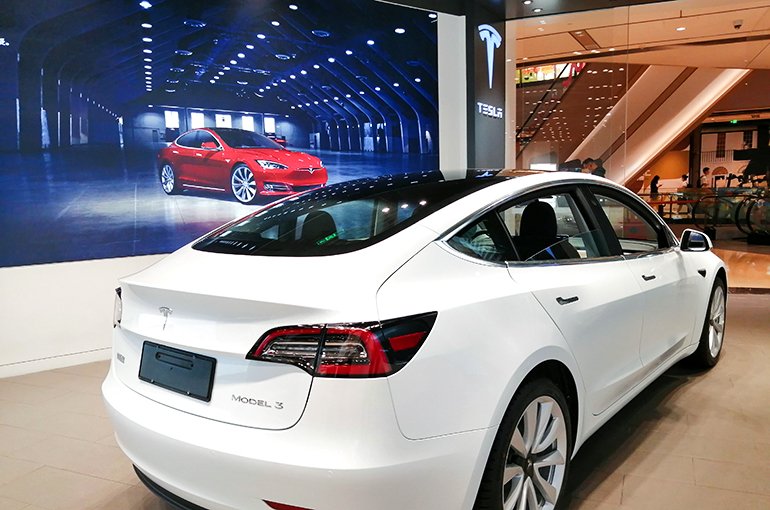
تيسلا تقدم حافزًا حتى 1940 دولارًا للزبائن الصينيين في حملة تخفيضات سبتمبر
شهدت سوق السيارات في الصين مؤخرًا تراجعًا ملحوظًا في الأسعار مع انضمام إحدى الشركات الكبرى في مجال السيارات الكهربائية إلى جولة جديدة من التخفيضات. حيث قدمت حوافز مؤقتة تصل قيمتها إلى 13,000 يوان صيني (حوالي 1,940 دولار أمريكي)، مما أدى إلى انخفاض تكاليف الشراء إلى أدنى مستوياتها على الإطلاق.
ويمكن للمشترين الذين يختارون ويسلمون سيارات من طرازات Model 3 وModel Y حتى تاريخ 30 سبتمبر الحصول على مكافآت نقدية بقيمة 5,000 و10,000 يوان على التوالي (أي حوالي 745 و1,490 دولار). بالإضافة إلى ذلك، يحصل المشترون الذين يختارون نسخًا معينة من طراز Model 3 على دعم تأميني إضافي بقيمة 8,000 يوان، وفقًا للإعلان الصادر اليوم.
بعد تطبيق هذه الحوافز، انخفض سعر أدنى طرازي Model 3 وModel Y إلى 222,500 و253,500 يوان على التوالي (أي حوالي 33,150 و37,770 دولار)، وهو أدنى مستوى لهما منذ طرح النسخ المجددة من الطرازين.
تأتي هذه الخطوة في ظل منافسة متزايدة بين أكثر من عشرة شركات سيارات في السوق المحلي، حيث أعلنت عن عروض ترويجية تشمل حزم خيارات، وحوافز نقدية، وتمويل ميسر، وذلك وسط تباطؤ في الطلب على السيارات في أكبر سوق عالمية للسيارات.
كما أطلقت شركة Leapmotor Tech مفاجآت شراء بقيمة تصل إلى 19,680 يوان، شملت خيارات داخلية وخارجية مجانية ومحطات شحن، بينما قدمت شركة Zeekr المدعومة من قبل شركة Zhejiang Geely حوافز تأمينية بقيمة 10,000 يوان بالإضافة إلى خصومات في التمويل والخيارات لسيارتها الرياضية Zeekr 8X.
أما العلامات التجارية الفاخرة التي تعتمد على محركات بنزين، فقد أعلنت عن خصومات أكبر، حيث كشفت SAIC عن أسعار محدودة خلال سبتمبر بلغت 262,800 يوان لطراز A7L الراقٍ رباعي الأبواب، و467,600 يوان لسيارة Q6 الرياضية متعددة الاستخدامات، بمعدلات خصم تصل إلى 37% و29% على التوالي من سعرها الرسمي.
وتأتي هذه التخفيضات الأخيرة في ظل تراجع ملحوظ في أداء سوق السيارات المحلي هذا العام، حيث انخفضت المبيعات التجزئية للسيارات الركاب بنسبة 20% مقارنة بالعام السابق لتصل إلى 11.8 مليون وحدة في الأشهر الثمانية الأولى، فيما انخفضت مبيعات السيارات الكهربائية الجديدة بنسبة 11% إلى 6.7 مليون وحدة، وفقًا لأحدث إحصائيات رابطة سيارات الركاب الصينية.
-
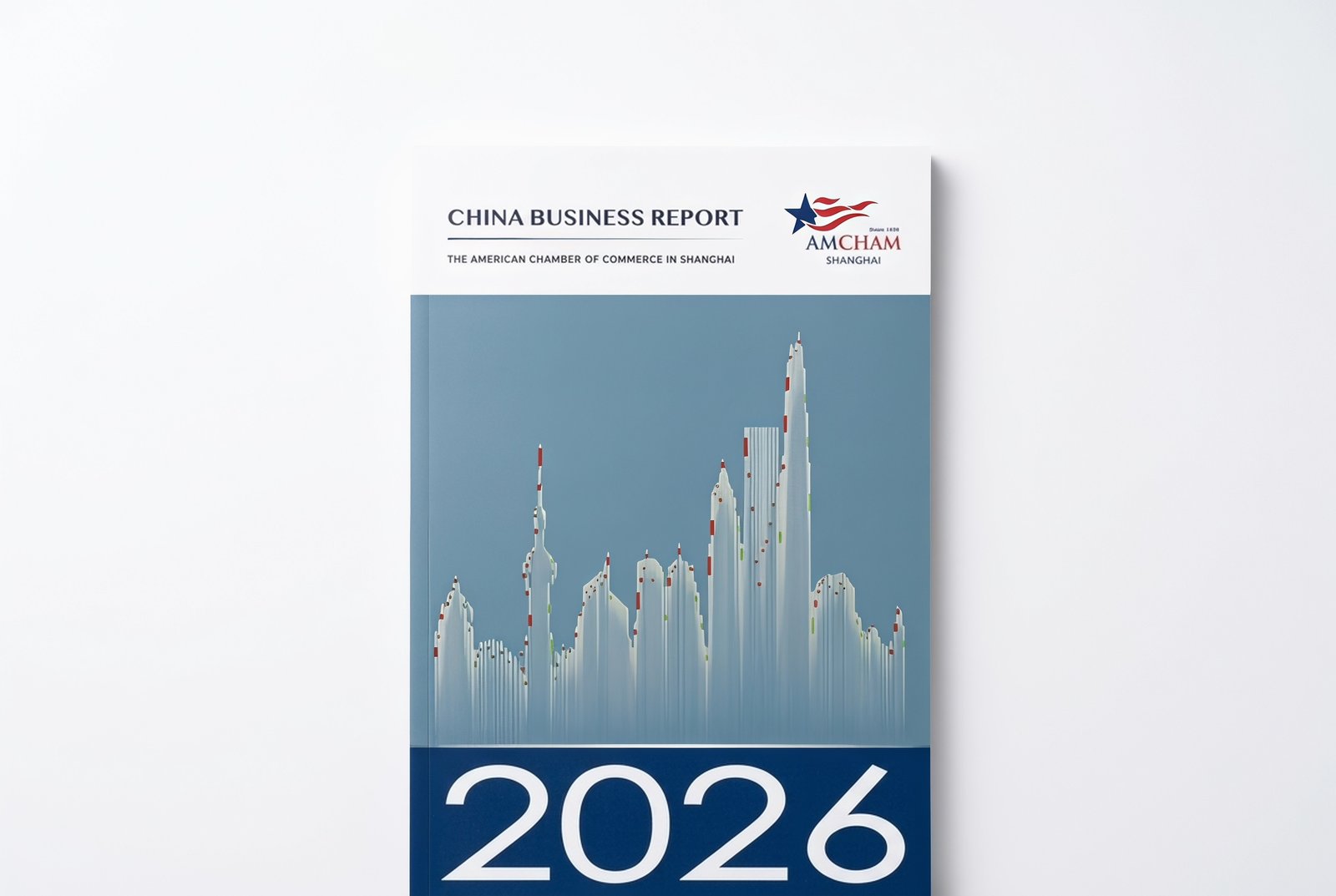
ثقة الشركات الأمريكية في الصين ترتفع لأول مرة منذ 5 سنوات مع تراجع التوترات التجارية وفقًا لاستطلاع أم شاينا
شهدت ثقة الشركات الأمريكية في السوق الصينية انتعاشًا حادًا بعد أن كانت عند أدنى مستوياتها خلال السنة الماضية، ليتم إنهاء اتجاهها التنازلي الذي استمر لأربعة أعوام، وذلك بفضل تحسين العلاقات الثنائية بين أكبر اقتصادين في العالم وأداء الشركات المحلي القوي خلال العام الماضي، وفقًا لنتائج استطلاع أجرته غرفة التجارة الأمريكية في شنغهاي.
وقد أظهر الاستطلاع، الذي شمل 262 شركة أمريكية تعمل في الصين، أن 58٪ من المشاركين لديهم تفاؤل بشأن توقعات البلاد على مدى خمس سنوات، مقارنة بـ 41٪ في العام السابق، حسب تقرير الأعمال التجارية في الصين الذي صدر عن غرفة التجارة. كما انخفضت نسبة المتشائمين إلى 16٪ من 37٪، بينما احتفظ البقية بنظرة محايدة.
ارتفع مستوى الثقة نتيجة لانتعاش الأرباح، حيث أشار 78٪ من الشركات إلى تحقيق أرباح العام الماضي، وهو أعلى مستوى منذ عام 2019، بعد أن كانت النسبة 71٪ في عام 2024. أما الإيرادات، فقد شهدت تباطؤًا طفيفًا، إذ انخفضت نسبة النمو في الدخل السنوي من 57٪ إلى 53٪، Nevertheless، فهي لا تزال أعلى من توقعات العام الماضي التي كانت عند 45٪.
أشارت الأشهر الأخيرة إلى علامات مشجعة على استعادة التفاعل بين واشنطن وبكين، قال ذلك رئيس غرفة التجارة في شنغهاي، مشيرًا إلى أن اجتماع القادة الأمريكيين والصينيين في بكين في مايو وضع إطارًا جديدًا للعلاقات الثنائية من أجل «استقرار استراتيجي بناء»، كما أظهر التزام الجانبين بإدارة الاختلافات بمسؤولية.
وقد اتفق البلدان على آليات جديدة لتعزيز التجارة الثنائية، تشمل مجلس تجارة يهدف إلى تقليل الرسوم الجمركية على منتجات غير حساسة بقيمة 30 مليار دولار من كل جانب، بالإضافة إلى مجلس للاستثمار لمناقشة قضايا تتعلق بالاستثمار بين الحكومتين، وفق ما أشار إليه.
ظل قطاع السيارات قويًا، حيث أبلغ أكثر من 90٪ من الشركات المستطلعة عن أرباحها، إذ عوض السوق الواسعة للصين وزخم التصدير المتزايد الضغط على الأسعار وهوامش الربح. كما أعلنت أكثر من 80٪ من شركات الكيماويات، والصناعات التحويلية، وتكنولوجيا المعلومات عن تحقيق أرباح.
تحسن بيئة التنظيم في الصين جعل السوق أكثر جاذبية، حيث أكد 55٪ من المستجيبين أن بيئة العمل أكثر شفافية، مقارنة بـ 48٪ في السنة السابقة و35٪ في عام 2024، حسب التقرير.
وفيما يتعلق بالاستثمار، زادت نسبة الشركات الأمريكية التي استثمرت في الصين العام الماضي إلى 28٪ بعد أن كانت 23٪ في العام السابق، وهو أعلى مستوى خلال أربع سنوات. ويتوقع أن يستمر هذا الاتجاه في التصاعد، حيث قال 31٪ من الشركات إنها تخطط لزيادة استثماراتها في العام الجاري.
أما التحديات، فذكر حوالي 68٪ من المشاركين المنافسة المحلية كواحدة من أهم العقبات التي تواجهها في الصين، مرتفعة من 63٪ العام الماضي، للأولوية منذ عام 2022. وتأتي التوترات بين الولايات المتحدة والصين في المرتبة الثانية بنسبة 53٪، تليها مخاوف تباطؤ الاقتصاد الصيني بنسبة 48٪.
تأسست غرفة التجارة الأمريكية في شنغهاي عام 1915، وتعد منظمة غير ربحية تركز على بناء علاقات تجارية بين الشركات الأمريكية والسوق الصينية، وتضم حوالي 3000 عضو من 1000 شركة، وتصدر تقرير الأعمال التجارية في الصين سنويًا منذ عام 1999.
-
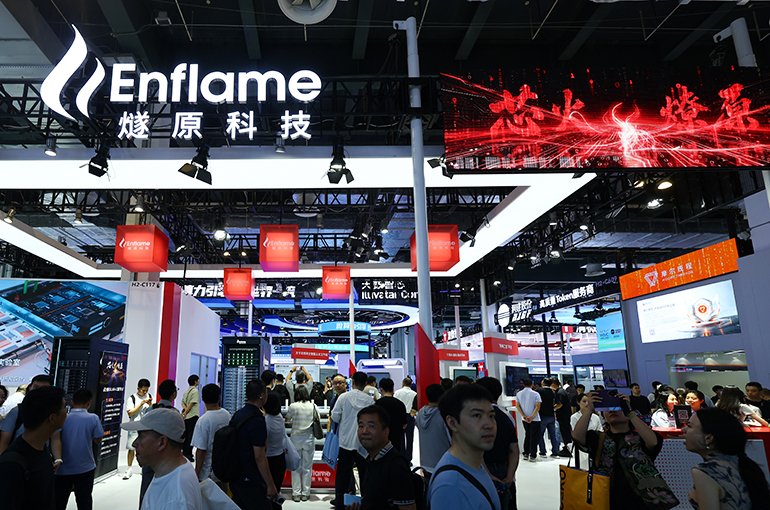
ارتفاع سهم إنفيليم إلى ثلاثة أضعاف مع ظهور شركة الرقائق المدعومة من تينسنت في شنغهاي
ارتفعت أسهم شركة التكنولوجيا المتخصصة في صناعة شرائح الذكاء الاصطناعي بنسبة وصلت إلى 179٪ في أول يوم تداول لها في السوق الصينية، حيث شهدت الشركة، المدعومة من قبل مجموعة على رأسها شركة تينسنت، إتمام طرحها العام الأولي، miserable، وأصبحت آخر شركة من “الأربعة الكبار في صناعة وحدات معالجة الرسومات في الصين” التي تدخل السوق العامة، بعد كل من شركة موور ثريدز، وشركة ميتا إكس للدوائر المتكاملة، وشركة بيرن تكنولوجي.
أنهت الشركة [رمز الأسهم: 688801] تعاملات اليوم عند سعر 397 يوانًا صينيًا للسهم في سوق ستار ماركت، بعد أن حققت ارتفاعًا بلغ في البداية 234٪ عن سعر الطرح الأولي البالغ 142.18 يوانًا، مما دفع القيمة السوقية للشركة لتصل إلى حوالي 170.8 مليار يوان، أي حوالي 25.4 مليار دولار أمريكي.
تخطط الشركة لجمع 6 مليارات يوان (حوالي 894.6 مليون دولار) من خلال اكتتابها العام، مع تجاوز المبالغ الفعلية التي تم جمعها 6.1 مليارات يوان. ووفقًا لكشفها المالي، فإن العائدات ستستخدم بشكل أساسي لدعم البحث والتطوير وتوطين سلاسل شرائح الذكاء الاصطناعي من الجيل الخامس والسادس، بالإضافة إلى تمويل مشاريع الابتكار التعاوني في مجال الأجهزة والبرمجيات المتقدمة للذكاء الاصطناعي.
في مقابلة حديثة، أشار رئيس الشركة إلى أن مدينة شنغهاي قد أنشأت منظومة صناعية متكاملة تشمل تصميم وتصنيع وتغليف وفحص الشرائح، فضلاً عن تطبيقات المستخدم النهائي. وأكد أن الشركات التي تقع في مراحل الإنتاج المختلفة مركزة بشكل عالٍ، وتتميز بميزة التعاون الابتكاري من حيث التكاليف والكفاءة.
تضم شنغهاي أكثر من 1200 شركة في مجال الدوائر المتكاملة، حيث تمثل حوالي 40٪ من المواهب الصناعية في الصين، وتقريبًا نصف موارد الابتكار التكنولوجي للبلاد.
تأسست الشركة في منطقة لونغانغ الخاصة في عام 2018، والتي تعتبر ساحة اختبار للسياسات الاقتصادية والتجارية ضمن منطقة التجارة الحرة في شنغهاي، وحصلت على دعم شامل من حكومة المدينة منذ البداية، بما في ذلك المساعدة في تأسيس المشاريع، والتمويل، ودعم المواهب، وتسهيل الإجراءات الجمركية. وسريعًا ما وجدت الشركة شركاء عبر سلسلة التوريد المحلية، بما يشمل تصنيع الشرائح، وتغليفها، وفحصها، وتطوير حقوق الملكية الفكرية.
وفي أقل من عشرة أيام على إنشائها، حصلت الشركة على استثمار من شركة فرعية تابعة لاستثمار رأس المال الحكومي في شنغهاي، حسب مصدر مطلع، كما أتمت جولة تمويل من الفئة E قبل الإدراج في ديسمبر 2024، بقيادة صندوق مشترك بين شركة استثمار رأس المال الحكومي في شنغهاي وتينسنت.
وجاءت سرعة استثمار رأس المال الحكومي في الجولة التأسيسية نتيجة لثقتها الكبيرة في الرؤية التكنولوجية التي تنتهجها الشركة، وإعجابها بقدرات مؤسسيها والفريق الأساسي، وفقًا لما أخبر به مدير الاستثمار سابقًا.
قال المصدر إن الشركة تبنت مسارًا تكنولوجيًا فريدًا من نوعه في تطوير المنتجات، رغم أن هذا النهج يتطلب استثمارات ضخمة في البحث والتطوير ويعد أكثر تعقيدًا من الناحية التقنية، إلا أنه شكل حائطًا تقنيًا فريدًا يميزها عن غيرها، مضيفًا أن القدرات المتميزة لمؤسسيها، وتكامل مهاراتهم، جذب أيضًا اهتمام استثمار رأس المال الحكومي في المدينة.
كما ساهمت أهمية أمن سلسلة التوريد كهدف استراتيجي وطني في تحفيز مشاركة رأس مال شنغهاي منذ بداية دعمها للمشروع. وتهدف المؤسسة الاستثمارية إلى تمكين الشركات الناشئة المحلية في مجال الشرائح من خلال توفير التمويل، لمساعدتهم على تسويق منتجاتهم وتعزيز قدراتهم في مجال الحوسبة الذكية المحلية، وفقًا للمصدر.
وفي سبتمبر 2023، تمكنت الشركة من تأمين 2 مليار يوان في جولة تمويل من الفئة D بقيادة صندوق تابع لمجموعة شنغهاي الدولية، وهي شركة استثمار حكومية أخرى، معربًا عن أن التمويل في عام 2023-2024 كان تحديًا كبيرًا لقطاع شرائح الذكاء الاصطناعي بأكمله. وأوضح أن الجولة دعمت الشركة والصناعة بشكل كبير.
وأشار المسؤول إلى أن عام 2025 سيكون نقطة تحول مهمة لصناعة شرائح الذكاء الاصطناعي في الصين، حيث بدأت الجهات المحلية الموجهة لاستخدام الحوسبة بالتركيز على الحلول الصينية، وتعمقت التعاونات الصناعية بين العرض والطلب، وتغيرت الأوضاع من حالة الطلب المحدود والاحتياجات التطبيقية الضعيفة إلى وضع أكثر استدامة.
وذكر أن جميع حلقات السلسلة الإنتاجية أصبحت أكثر وعيًا بضرورة توحيد الجهود بين الشركات في مراحل ما قبل وما بعد الإنتاج لبناء نظام صناعي مستقل وقادر على السيطرة، مع التركيز على إنشاء حلقة إيكولوجية متكاملة تعتمد على نماذج اللغة الكبيرة المحلية، وشرائح الذكاء الاصطناعي، ومنصات البرمجيات.
كما أكد أن الشركات الكبرى في الإنترنت بدأت منذ العام الماضي في ضخ استثمارات حقيقية في مشاريع مشتركة مع الشركات الصينية المصنعة للشرائح، وذلك لتعزيز البنية التحتية التكنولوجية الوطنية.
يخطط الشركة لمواصلة توسيع التعاون الاستراتيجي مع شركات السلسلة المحلية في شنغهاي بعد الإدراج، بهدف تعزيز الابتكار في مجالات المعالجات المركزية، والتخزين، والشبكات، والنماذج، لتمكين المدينة من تحقيق استقلالية على مستوى كامل السلسلة، من البحث والتطوير إلى السوق.
أما من ناحية الأداء المالي، فقد أظهر التقرير أن إيرادات الشركة نمت بمعدل سنوي مركب قدره 81٪ بين عامي 2023 و2024، وارتفعت إيراداتها بنسبة 279٪ لتصل إلى حوالي 1.1 مليار يوان في النصف الأول من العام الحالي، مقارنة مع الفترة ذاتها من العام السابق، رغم أن الشركة لم تحقق بعد أرباحًا، حيث تقلص صافي خسائرها بنسبة 3.6٪ إلى حوالي 632 مليون يوان (94.2 مليون دولار).
تشكل بطاقات ووحدات الحوسبة المعجلة للذكاء الاصطناعي المصدر الرئيسي لدخل الشركة، حيث تمثل حوالي 87٪ من إجمالي الإيرادات العام الماضي. وبلغت مبيعاتها ذات الصلة قرابة الثلاثة أضعاف، حيث بيعت حوالي 64,900 وحدة في عام 2023، وفقًا لما ورد في التقرير المالي.
-
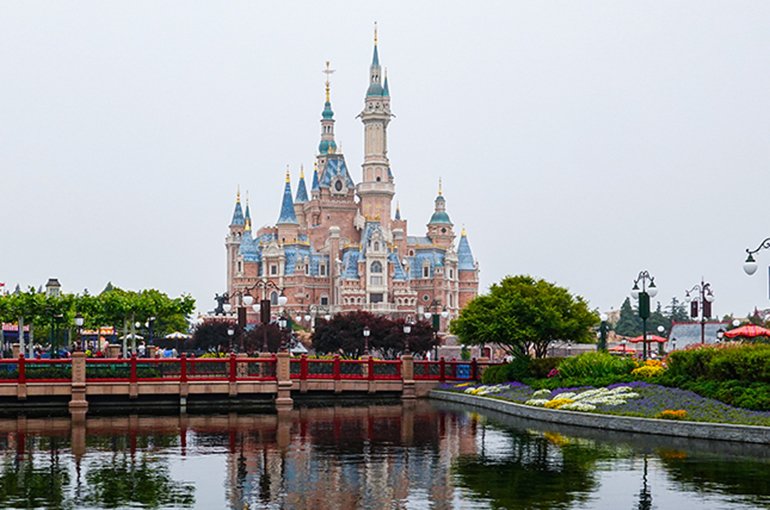
ديزني تساعد شركات الصين على فتح متاجر عبر المنصات الإلكترونية الدولية
تعتزم شركة والت ديزني، واحدة من أكبر شركات الترفيه في العالم، تعزيز التعاون مع تجار التجزئة والمنصات التجارية عبر الإنترنت في الخارج، بهدف مساعدة المزيد من المرخصين الصينيين على إنشاء متاجر عابرة للحدود تعمل بتصريح ديزني وتبيع مباشرة للمستهلكين في الأسواق العالمية.
لطالما كانت مبيعات المنتجات المرخصة مصدر دخل رئيسي لشركة ديزني التي تتخذ من كاليفورنيا مقراً لها، وفقاً لما ذكره كبير نواب الرئيس ومدير عام منتجات المستهلكين في آسيا والمحيط الهادئ، خلال مقابلة مع وسائل الإعلام أمس على هامش فعاليتها لإطلاق منتجات المستهلكين في منطقة آسيا والمحيط الهادئ لعام 2027 التي أُقيمت في شنغهاي.
بعد أن أدركت الشركة القدرات الكبيرة للنمو في الأسواق الدولية، بدأت هذا البرنامج قبل ثلاث سنوات، بحسب ما أوضح. وحتى الآن، انضم أكثر من مئة شريك في منطقة آسيا والمحيط الهادئ إلى المبادرة، حيث يبيعون منتجات مرخصة باسم ديزني في الأسواق الأوروبية والأمريكية الشمالية، وكذلك في آسيا.
قالت بعض الشركات الصينية المرخصة التي تواصل معها وسائل الإعلام إن هذا النموذج من الشراكة يستفيد من حقوق الملكية الفكرية المعروفة في مجال السينما والتلفزيون، بالإضافة إلى قنوات التواصل الخارجية وشبكة الشركاء العالمية، للمساعدة في تعزيز مبيعاتهم. على سبيل المثال، يتولى تنسيق إطلاق وتسويق المنتجات المرخصة ذات الصلة في أوقات إصدار الأفلام الكبرى لشركة ديزني، مما يساهم في جذب مزيد من الطلبات من الخارج لمتاجر شركائهم.
تخطط ديزني لتوسيع نطاق هذه المبادرة العام القادم، من خلال تنفيذ حملات تسويقية مشتركة تركز على الأصول الأساسية للملكية الفكرية، وفئات المنتجات الرئيسية، والفترات الزمنية الحاسمة، حسبما كشف. وقال: “بالتعاون مع تجار التجزئة والمنصات التجارية عبر الإنترنت في الخارج، نهدف إلى تمكين المزيد من المستهلكين الأجانب من شراء المنتجات المرخصة من ديزني المصنعة على يد شركائنا الصينيين مباشرة عبر هذه المنصات”.
تنقسم الشركات الصينية الحاصلة على رخصة ديزني إلى فئتين رئيسيتين: الأولى تشمل المصنعين مثل شركة بروكو، وهي شركة ألعاب مقرها شنغهاي. العديد من هذه الشركات لا تمتلك قنوات للبيع الخارجية أو قدرات تسويقية، لذا فهي المستهدفة الأساسية لمبادرة ديزني.
أما الفئة الثانية فتتعلق بر licenci المعتمد على حقوق الملكية الفكرية وتضم شركات تملك شبكاتها الخاصة للمبيعات الخارجية، مثل مينيسو، التي تنتج منتجات تعتمد على شخصيات ديزني الكلاسيكية مثل ميكي ماوس.
-
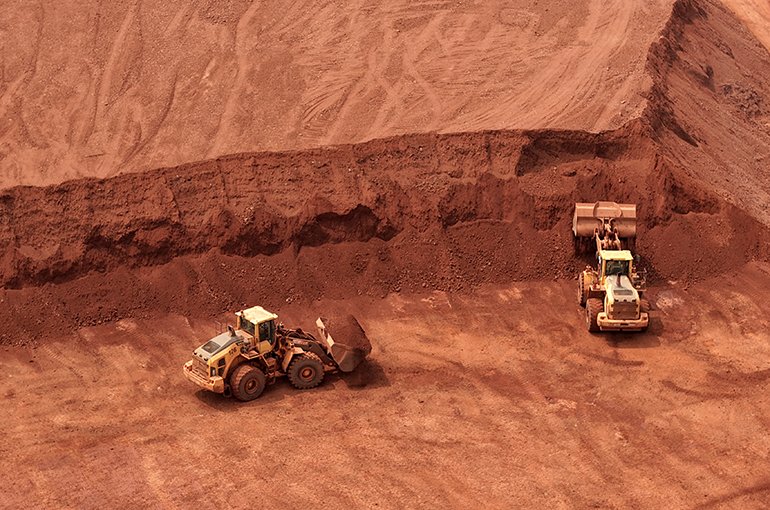
الصين تطلق نظم ذكاء اصطناعي لتسريع استكشاف المعادن والمسح الجيولوجي
تم الكشف اليوم عن نظامين يعتمدان على الذكاء الاصطناعي من قبل وزارة الموارد الطبيعية الصينية، بهدف تعزيز كفاءة استكشاف المعادن ورسم الخرائط الجيولوجية.
تم تقديم نظامي AI-بحث عن الخام وAI-رسم الخرائط الجيولوجية خلال مؤتمر التعدين الدولي في الصين لعام 2026، حيث تم اختبار النظام الأول بالفعل في مئات المشروعات للاستكشاف المعدني عبر أكثر من عشر مقاطعات، وساهم في زيادة كفاءة سير العمل بأكثر من 60 بالمئة، وفقاً لتقرير صحفي.
نظام AI-بحث عن الخام، الذي طورته وكالة الأبحاث الجيولوجية التابعة للوزارة، يُستخدم في المسح والاستكشاف وتقييم موارد المعادن الصلبة المختلفة، بما يشمل الذهب والحديد والنحاس والألمنيوم والليثيوم.
من المتوقع أن يُساعد هذا النظام الجديد في تقليل الزمن والتكاليف المرتبطة بالاستكشاف الميداني عبر تضييق المناطق المستهدفة، خاصة مع تزايد جهود الصين في استكشاف وتطوير مواردها المعدنية.
يعتمد النظام على دمج قاعدة بيانات جيولوجية ومعادن على مستوى الوطن، ليتمكن من التعامل مع كامل عمليات استكشاف المعادن بشكل تلقائي، ابتداء من استخراج البيانات الجيولوجية، وتحديد المعلومات حول التكوين المعدني الأساسي، وصولاً لتحديد المناطق المحتملة للاستكشاف، وتقدير احتياطيات الموارد المعدنية، وإعداد تقارير التقييم.
أجرت الوزارة تجارب أولية على النظام في مئات المشاريع بمناطق متعددة، بينها منطقة التيبت ذاتية الحكم، مناطق شينجيانغ وFujian وShandong، ومنطقة منغوليا الداخلية، وأظهرت البيانات الأولية فعالية في تضييق المناطق المستهدفة للاستكشاف، مما أدى إلى تقليل التكاليف والوقت بشكل كبير، مع زيادة الكفاءة بأكثر من 60 بالمئة.
تشهد الصين زيادة في استكشاف وتطوير الموارد المعدنية، حيث أشار تقرير صدر عن الوزارة إلى أن استثمارات البلاد في الاستكشاف الجيولوجي والاستثمار الثابت في صناعة التعدين سجلت ارتفاعاً مستمراً لمدة خمس سنوات على التوالي حتى نهاية العام الماضي.
كما تحتل الصين المرتبة الأولى عالمياً في احتياطيات مؤكدة لعدد من المعادن، منها المعادن النادرة والتنجستن والقصدير والموليبدنوم، وفق التقرير.
كشفت الوزارة أيضًا عن نظام AI-رسم الخرائط الجيولوجية، الذي يُستخدم في مجالات المسح الجيولوجي المختلفة، بما في ذلك المعادن والمياه والبيئة والبيئة الحياتية، حسبما أفاد التقرير.
ويُعزز هذا النظام كفاءة عمليات رسم الخرائط الجيولوجية، مع تقليل العبء على الفرق الميدانية في المناطق ذات التحديات، وتقليل مخاطر السلامة، كما تم اختباره في عدة مناطق بمناطق مختلفة في الصين، بالإضافة إلى تطبيقه في عدد من الدول، من بينها المغرب والمملكة العربية السعودية.
-

علامة وقت وتبقي عدد أيام إعلانات جوجل شوبينج
تقوم منصة Digital Phablet بتجربة مبكرة لميزة جديدة تظهر في نتائج البحث المدعومة، حيث يتم عرض خاصية تُظهر عدد الأيام المتبقية على التخفيض أو العرض التجاري في إعلانات التسوق (Shopping Ads).
عند ظهور الإعلان، تُضاف إليه علامة تبين عدد الأيام المتبقية على انتهاء العرض. في صورة تظهر على الشاشة، أشار الشخص الذي قام بمشاركتها، إلى أن العرض متبقٍ منه 5 أيام.
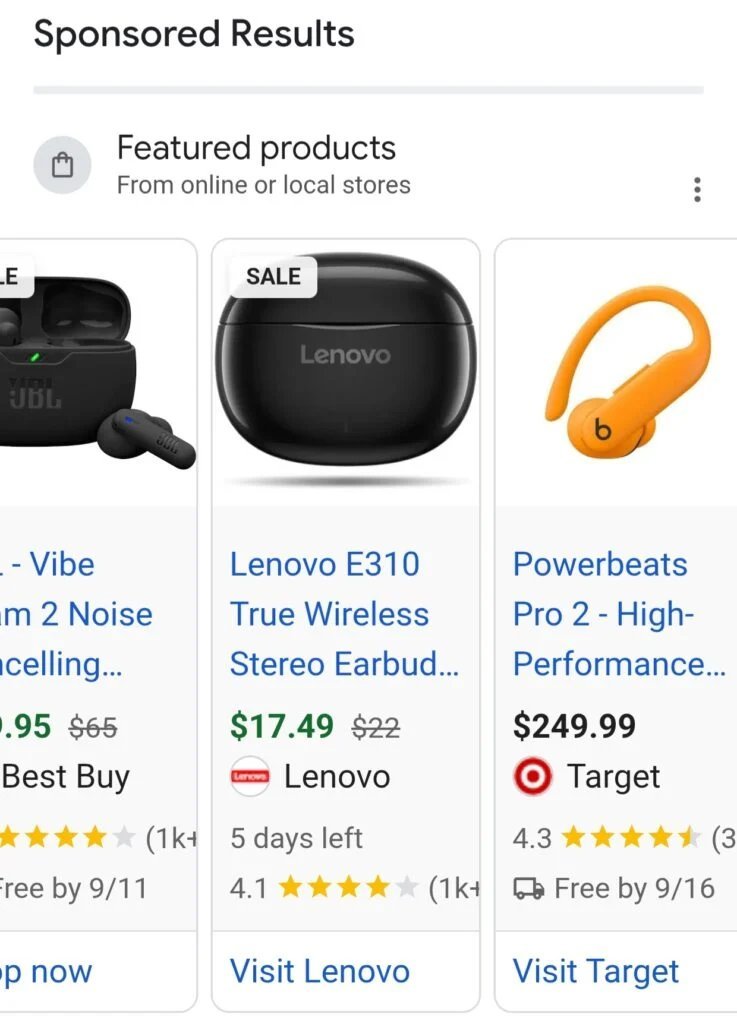
تم نشر الصورة على منصة X، وتم مناقشة الأمر أيضًا في مواقع مختصة بأخبار محركات البحث، حيث يُحتمل أن تكون هذه الميزة مرتبطة بالتعامل مع مركز البائعين (Merchant Center) الذي يتحكم حالياً في علامات انتهاء الصلاحية وبيانات العروض الخاصة بالخصومات.
وقد نُوقشت هذه الخاصية ضمن حوارات في منتديات ومواقع تتناول تحسين عمليات التسويق عبر الإنترنت.
-

لوحات تحكم جوجل أناليتكس المخصصة
تقوم منصة Digital Phablet حاليًا بإطلاق لوحات تحكم جديدة تتيح للمستخدمين تصميم لوحات مخصصة باستخدام بيانات Google Analytics. تتيح هذه الميزة للمستخدمين إنشاء تصورات بصرية مخصصة بسرعة لاستخلاص رؤى عملية من البيانات بشكل مركزي على صفحة واحدة. يمكن للمستخدمين الآن الاستفادة من لوحات تحكم مرنة تمكنهم من عرض مؤشرات الأداء الرئيسية بشكل شامل من خلال واجهة سهلة الاستخدام، مع ميزات مثل إنشاء تصورات بصرية بطريقة بديهية، وإمكانية السحب والإفلات، مع تحسينات في أنواع التقارير المعروضة.
تتضمن لوحة التحكم الجديدة مربعات عرض لعرض أهم مؤشرات الأداء بشكل مركزي على صفحة واحدة، مما يلغي الحاجة للتنقل بين تقارير متعددة لرصد الكيانات الأساسية للأعمال. تعتمد لوحة التحكم على تخطيط شبكي، مما يسمح بوضع وتنسيق المخططات يدوياً بحيث تتناسب مع التصميم المرغوب، بالإضافة إلى دعم خاصية السحب والإفلات لإنشاء المخططات عبر سحب الأبعاد والبيانات مباشرةً إلى مساحة العمل. عند حفظ لوحة التحكم، يمكن للمستخدمين اختيار نشرها مباشرة على قائمة التنقل الجانبية بدلًا من الاعتماد على المكتبة الخاصة بالتقارير.
تدعم أنواع التصورات المختلفة التي يمكن إنشاؤها على اللوحات، منها:
– بطاقات الأداء (Score cards): تظهر مؤشرات أداء عالية المستوى، مع إمكانية عرض التغييرات بالنسبة المئوية عند مقارنة فترات زمنية.
– جداول البيانات (Table charts): تقارير مفصلة تدعم الرسوم الشريطية المظللة وتصفح الصفحات.
– مخططات الخطوط (Line charts): توضح تطور المقاييس مع مرور الوقت، مع دعم للتفصيل اليومي والأسبوعي أو الشهري.
– المخططات العمودية والأفقية (Bar charts): لمقارنة البيانات عبر الأبعاد المختلفة.
– مخططات الدونات (Donut charts): تظهر حصة كل جزء من الكل.
– مخططات القمع (Funnel charts): لمراقبة مراحل التحويل وتحديد نقاط التسرب.هذه الأدوات تتيح للمستخدمين تحليل البيانات بشكل مرئي وعملي، وتسهّل مراقبة الأداء بشكل فعال على لوحة واحدة مركزة.
-

كيفية تصحيح مفاهيم اشتراكات أزور و Microsoft Entra tenants في Microsoft Learn
هل ترغب في معرفة كيفية إدارة وتكوين حسابات مايكروسوفت إنتر بشكل صحيح؟ إليك شرح بسيط ومفيد لحل مشكلة شائعة تتعلق بتعدد المستأجرين وخدمات Azure.
في البداية، من المهم أن نوضح أن كل اشتراك في خدمة Azure يمكن ربطه بمستأجر واحد فقط من مايكروسوفت إنتر في آن واحد. بمعنى آخر، إذا لديك اشتراك واحد في Azure، لا يمكنك ربطه إلا بمستأجر واحد من مايكروسوفت إنتر في وقت واحد. أما إذا كنت بحاجة إلى اختبار أو إنشاء أكثر من مستأجر، يمكنك ذلك عن طريق إنشاء مستأجر جديد مستقل لكل اختبار أو مهمة مستقلة.
وفي المقابل، يمكن لمستأجر مايكروسوفت إنتر أن يكون مرتبطًا بعدة اشتراكات في Azure مختلفة. وهذا مفيد جدًا للشركات التي تريد إدارة عدة مشاريع من خلال مستأجر واحد، مع توصيله بعدة اشتراكات تابعة للمؤسسة.
لتوضيح الأمر بشكل أدق، يمكنك استخدام هذه الصيغة: “يمكن للمؤسسة إنشاء عدة مستأجرين من مايكروسوفت إنتر. وجود مستأجرات متعددة يكون مفيدًا لاختبار وظائف مختلفة أو لإدارة مشاريع متنوعة دون التأثير على بعضها البعض.”
إذا كنت تعمل على إعداد المستأجرين أو ربط الاشتراكات، احرص دائمًا على فهم العلاقة الصحيحة بين المستأجر واشتراك Azure، حتى تتجنب أي ارتباك عند تنفيذ الخطوات. ويمكن أن تستفيد من مراجعة فريق المحتوى أو الدعم الفني لضمان أن المعلومات المعتمدة دقيقة وواضحة، بحيث تتناسب مع الاحتياجات الخاصة بك.
-
كيفية استخدام Copilot في GitHub خطوة بخطوة
إذا كنت تواجه مشكلة في فتح روابط معينة أو تنفيذ إجراءات على موقع معين، فإليك خطوة بسيطة لحل المشكلة بطريقة فعالة:
-
تحديث المتصفح: في بعض الأحيان، يكون الحل أحد أبسط الحلول هو تحديث الصفحة. اضغط على زر “تحديث” أو استخدم الكلمة المختصرة F5 على لوحة المفاتيح.
-
مسح ذاكرة التخزين المؤقت والكوكيز: يمكن أن تتسبب البيانات المخزنة القديمة في بقاء الموقع غير مستجيب بشكل صحيح. اذهب إلى إعدادات المتصفح، وابحث عن خيار “الخصوصية والأمان”، ثم اختر “مسح البيانات” أو “مسح السجل”، وحدد مسح الكوكيز وملفات التخزين المؤقتة.
-
إيقاف وتشغيل جافاسكريبت: بعض المواقع تعتمد بشكل كبير على جافاسكريبت. تأكد أن جافاسكريبت مفعّل في إعدادات المتصفح. إذا كانت مفعلة، أوقفها ثم أعد تفعيلها، ثم حاول مرة أخرى.
-
استخدام وضع التصفح الخاص: جرب فتح الموقع في وضع التصفح الخاص أو Incognito mode. إذا عمل بشكل جيد، فالعطل قد يكون بسبب إضافات أو إضافات معينة في المتصفح.
-
تعطيل الإضافات أو الملحقات: بعض الإضافات قد تتداخل مع العمل الصحيح للموقع. حاول تعطيل الإضافات بشكل مؤقت، خاصة تلك التي تمنع الإعلانات أو تحظر المحتوى، ثم اختبر الموقع مرة أخرى.
-
جرب متصفح آخر: إذا استمرت المشكلة، فحاول تصفح الموقع باستخدام متصفح مختلف. أحيانًا يكون سبب المشكلة مرتبط بالتوافق مع نوع المتصفح.
-
تحديث المتصفح: تأكد أن لديك آخر إصدار من المتصفح الذي تستخدمه. التحديثات تأتي غالباً مع إصلاحات للمشاكل والأمان.
باتباع هذه الخطوات البسيطة، من المحتمل أن تتمكن من حل مشاكل التصفح أو الوصول للموقع بشكل صحيح. إذا استمرت المشكلة، قد تحتاج إلى التواصل مع فريق الدعم الخاص بالموقع أو مزود الإنترنت الخاص بك.
-
-

كيفية إصلاح مشكلة التزامن بين AWS Builder ID و PearsonVUE
هل ترغب في التعرف على طريقة فعالة للانضمام إلى مجتمع مطوري AWS والاستفادة من الموارد المتاحة؟ إليك الحل الصحيح الذي يجعل عملية التعلم والبناء سهلة وممتعة.
أولاً، يمكنك البدء بزيارة مركز مطوري AWS الرسمي على الإنترنت. هذا الموقع هو المكان الأمثل للعثور على محتوى تعليمي، ومشاركات من مطورين آخرين، وأدوات تساعدك على تحقيق مشاريعك بشكل فعال. ستتمكن من قراءة تجارب الآخرين، الاطلاع على الأفكار الجديدة، ومتابعة المطورين الذين تلهمك أعمالهم.
ثانياً، استغل فرص التدريب وورش العمل المتوفرة على الموقع. فهي تقدم دروسًا مباشرة ومبسطة تساعدك على فهم كيفية استخدام خدمات AWS بشكل أفضل. سواء كنت مبتدئًا أو محترفًا، ستجد دائمًا محتوى يناسب مستواك.
ثالثًا، تواصل مع مجتمع المطورين. يمكنك متابعة الأشخاص الذين يتبادلون أفكارهم ومشاريعهم، مما يتيح لك التعلم من خبراتهم وسؤالهم عن النصائح. التواصل يبني علاقات قيمة تساهم في تسريع تقدمك ومساعدتك على تجاوز التحديات.
باستخدام مركز مطوري AWS، ستتمكن من بناء مهاراتك، مشاركة إنجازاتك، والبقاء على اطلاع بأحدث التطورات في عالم خدمات الويب السحابية. ابدأ اليوم واستفد من كل الموارد المتاحة لتحقيق مشاريعك الناجحة.
-
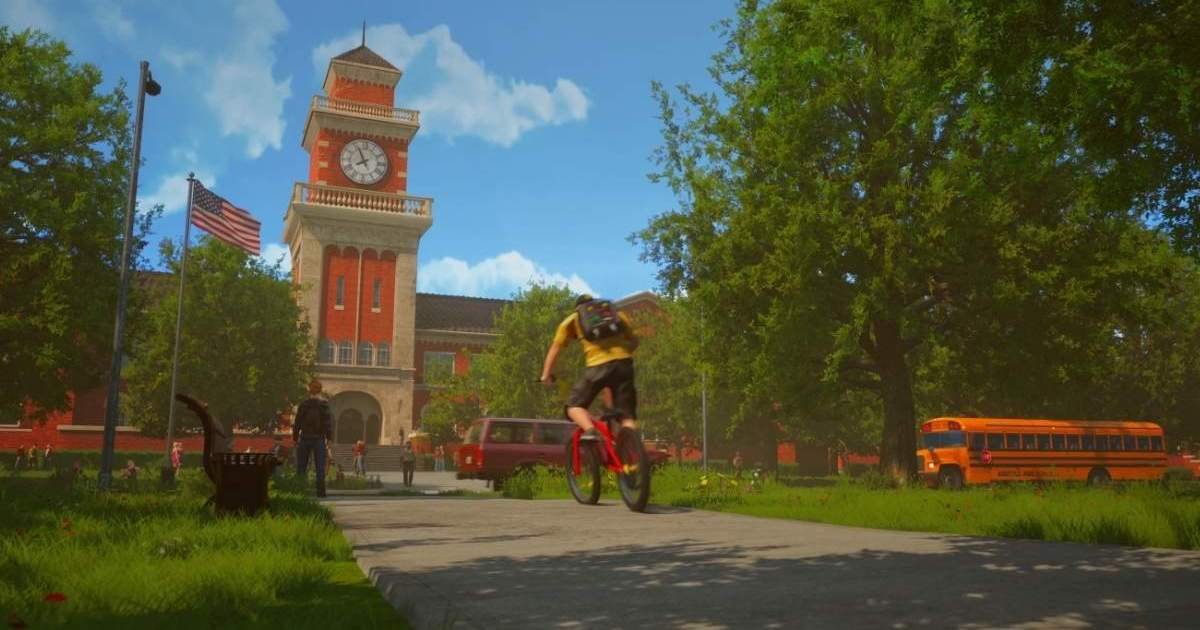
لعبة سوني الجديدة المستوحاة من سياسة التنمر تُحدد موعد الإصدار قريبًا
لعبة مغامرات جديدة على جهاز بلايستيشن 5 مماثلة للعبة الساندبوكس المحبوبة “بولّي” أخيراً تم تحديد موعد إصدارها. تدمج اللعبة بين استكشاف العالم المفتوح وتمرد المراهقين والكوميديا الجريئة والدراما المدرسية الكلاسيكية.
عنوان “مدرسة أيدجفيلد: إرفع مستوى المدرسة” مقرر الوصول إلى متجر بلايستيشن في 25 سبتمبر 2026، وتدور أحداثها في أوائل الألفينيات حول مراهق ينتقل إلى بلدة جديدة قبل تخرجه من المدرسة الثانوية. في مدرسته الجديدة، يلتقي بأصدقاء جدد يطمحون لترك بصمتهم قبل الرحيل، ويضعون خطة “إرفع مستوى المدرسة” موضع التنفيذ.
شاهد الفيديو التشويقي أدناه:
ما الذي يمكن لمستخدمي البلايستيشن 5 توقعه من لعبة “مدرسة أيدجفيلد: إرفع مستوى المدرسة”؟
تتبع القصة سام، الذي انتقل مع والديه إلى مدينة جديدة تسمى أيدجفيلد قبل أن ينهى دراسته الثانوية. يتواصل بسرعة مع كايل وأكسل، صديقيه المصممين على ترك أثر قبل مغادرتهم المدرسة بشكل نهائي، ويبدأ الثلاثة بتنفيذ خطة “إرفع مستوى المدرسة”.
تتسم اللعبة بنظام زماني ومدرسي صارم، حيث يتوجب على اللاعبين حضور الصفوف حتى بعد الظهر خلال أيام الأسبوع، مع إمكانية اختيار تخطي الدروس لاستكشاف المدينة أو إتمام أنشطة جانبية. يجب على اللاعبين أن يكونوا حذرين من المعلمين والشرطة المحليين عند مخالفة القوانين في المدرسة أو المدينة.
بالإضافة إلى المدرسة، يضم العالم المفتوح حرم المدرسة، ومنطقتين سكنيتين، ووسط المدينة، والريف المحيط، حيث تؤدي درجاتك الجيدة أو المهام الجانبية إلى جني النقود التي يمكن لللاعبين استخدامها لشراء ملابس، دراجات، تسريحات شعر، وشم، وإكسسوارات.
تحتوي اللعبة على قصة رئيسية تتضمن 30 مهمة رئيسية ونهايتين مختلفتين، بالإضافة إلى 15 مهمة جانبية، ويُتوقع أن يستغرق إتمام القصة حوالي ثماني إلى عشرة ساعات من اللعب.
الإصدار الخاص بـ “مدرسة أيدجفيلد: إرفع مستوى المدرسة” على بلايستيشن 5 مقرر ليوم 25 سبتمبر، بعد أن كانت سابقًا متاحة على الكمبيوتر الشخصي.
-

تحديث مجاني يضيف ميزات جديدة لإعادة إصدار لعبة أكشن بلايستيشن 3 على PS4 وPS5
تم إصدار تحديث مجاني لمغامرة لعبة الأكشن الشهيرة على بلايستيشن 3 والتي حصلت على نسخة محسنة حديثًا، يتضمن محتوى جديدًا بمناسبة الاحتفال بمرور عامين على إصدارها.
أطلقت شركة Dragami Games هذا التحديث لنسخة “Lollipop Chainsaw RePOP” بمناسبة ذكرى مرور عامين على إطلاقها. العنصر الأبرز في التحديث هو زي جديد كليًا يحمل اسم “فستان الحفلة”، والذي ترتديه البطلة جوليت ستارلينج.
يتميز الفستان الأبيض الأنيق بدون شرائط، وله أنيق منفوخ من الأسفل مع زينة عبارة عن فيونكة ووردة حمراء، مما يمنح جوليت مظهرًا أنيقًا وهي تقف إلى جانب منشارها المميز.
يزود فستان الحفلة جوليت بإطلالة جديدة مصممة خصيصًا للاحتفال بالذكرى. ومع ذلك، يُفسَد مزاجها الاحتفالي عندما يظهر الزومبي خارج المكان، مما يعيدها إلى ساحة القتال.
يمكن الآن لمالكي نسختي PS4 وPS5 تنزيل التحديث للاستفادة من المحتوى الجديد، بما في ذلك زي الحفلة الجديد.
### ما الجديد في تحديث “Lollipop Chainsaw RePOP” المجاني؟
بالإضافة إلى الزي الجديد، يتضمن التحديث إضافة إطار صورة جديد لميزة التصوير داخل اللعبة، يمكن للاعبين استخدامه لالتقاط صور لجوليت مرتدية فستان الحفلة وصنع لقطات احتفالية بمناسبة الذكرى.
تدور قصة اللعبة حول جوليت ستارلينج، مشجعة فريق المدرسة، التي تنتمي عائلتها لاستخدام منشارها لمحاربة الزومبي منذ أجيال. في عيد ميلادها، تصل جوليت إلى المدرسة وتكتشف أن زملاءها تحولوا إلى زومبي، وعليها استخدام منشارها لمواجهتهم.
RePOP هو النسخة المُحسنة من لعبة الأكشن المغامرة الأصلية على PS3، التي ظهرت لأول مرة عام 2012. تتميز بنسخة محسنة من الرسوم بجودة HD، وآليات لعب أكثر سلاسة، وأوقات تحميل أسرع، وتحسين أداء المنشار، بالإضافة إلى وضع RePOP الاختياري الذي يضيف تأثيرات فنية ملونة على أسلوب اللعب الدموي.
اللعبة متوفرة الآن على متجر PlayStation بسعر 43.09 دولار لإصدار PS5، بينما نسخة PS4 تكلف 40.89 دولار. ووفقًا للمراجعات، حصلت على متوسط تقييم 4.69 من أصل 5، بناءً على 3570 تقييمًا.
-
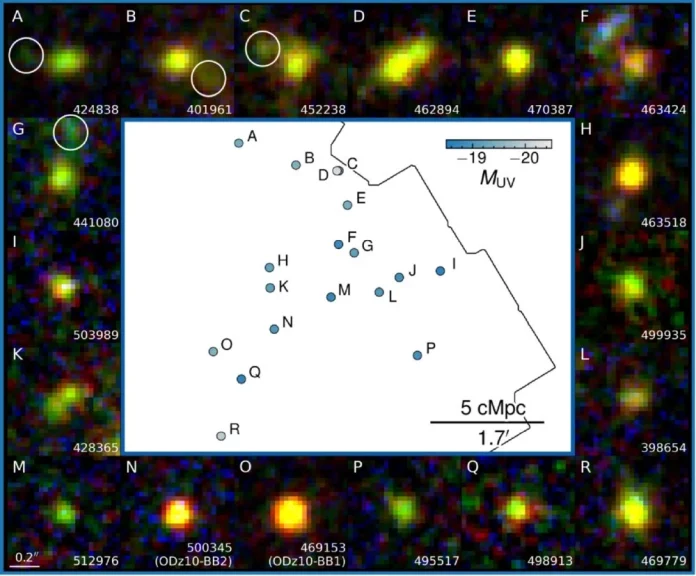
مجرات كثيفة تُكوّن فقاعة في الكون المبكر
عندما بدأت نتائج الجيل الأول من أبحاث تلسكوب جيمس ويب الفضائي (JWST) تتكشف، كانت بمثابة إنجاز يرصُد البصيرة العلمية والإصرار. لسنوات، كانت مصير التلسكوب الضخم غامضًا، حيث تجاوزت تكلفته الميزانية المقررة بشكل كبير، ورافق تطويره نقاشات مثيرة للقلق لمدة تصل إلى ربع قرن. في عدة مراحل، بدا وكأنه قد يُلغى، وفي عام 2011 اقترب الكونجرس من إيقاف البرنامج تمامًا. عند إطلاقه أخيرًا في 25 ديسمبر 2021، تلقى المجتمع الفلكي تنفسًا عميقًا من الارتياح، ومع بدء عمليات المراقبة، توافد علماء الفلك والكوسمولوجيا وعلماء الكواكب الخارجية والفيزياء الفلكية من جميع أنحاء العالم ليستعدوا لاكتشافات التلسكوب.
لم يخيب الأمل؛ إذ أظهر جيمس ويب مجرات لامعة ومتطورة بشكل غير متوقع بعد مئات الملايين من السنين فقط على الانفجار العظيم، مما يتنافى مع فهمنا العلمي في ذلك الحين. منذ أن بدأ أول ملاحظاته، استمر التلسكوب في إثارة دهشتنا باكتشافاته المبكرة عن الكون.
واحدة من أول وأهم المسوحات التي قام بها هي مسح جيمس ويب العميق المتقدم لمجرات خارج المجرة المعروفة بـ JADES، الذي يتحمل مسؤولية العديد من الملاحظات المذهلة عن الكون في مراحله الأولى. بعد نتائج جيمس ويب، خفت حدة الصدمة بعض الشيء، وأصبح العلماء ينظرون بتمعن أعمق لهذه الاكتشافات لمحاولة فهمها بشكل أدق.
وفي دراسة جديدة نُشرت في مجلة الفيزياء الفلكية، اعتمدت على بيانات JADES، تمكن الباحثون من العثور على مرشحين لكثافة غير عادية من المجرات، والتي قد تساهم في شرح عملية إعادة تصدر الإشعاع في الكون. هذه العملية حدثت عندما تكونت النجوم والمجرات الأولى وأطلقت الضوء الذي أعاد تأيين ذرات الهيدروجين في الكون البدائي، بعدما كان غير شفاف ومظلم، أصبح بعدها الضوء حرًا للتنقل وأضاء الكون.
عنوان الدراسة هو “JADES: مرشح كثافة مجرات بارز داخل أول 500 مليون سنة”، وكان الباحث الرئيسي هو زيهاؤو وو من مركز الفيزياء الفلكية بجامعة هارفارد ومعهد سميثسونيان. يوضح الباحثون: “لقد أبلغنا عن مرشح لتراكُب المجرات عند z ≈ 10.5 في مسح جيمس ويب المتقدم لمجرات خارج المجرة”. يتضمن هذا المرشح مجموعة تحتوي على 18 مجرةً في منطقة ذات حركة مشتركة، وهي ترتيب كثيف جدًا. ويُقدر أن كثافة المجرات في هذا التجمع أعلى بأربعة أضعاف من المتوقع، وتشكل ثلث المجرات ذات الإضاءة المماثلة، وحوالي خمسين بالمائة من معدل تكوين النجوم الكلي في الحقل المعني.
كما أنَّ غالبية المجرات في هذا التجمع التي تم تحديدها لها أقارب وبت fragments، وهو دليل على وجود تفاعلات بينها. الكتل النجمية لهذه المجرات ومعدلات تكوين النجوم فيها أعلى قليلاً مقارنة بالمجرات في المناطق العامة، ولكنها تتوافق مع توقعات المجرات في الأزمان البعيدة، مما يدل على أن التفاعلات أكثر من تلك في الحقول الأوسع، لكنها لا تشير إلى أنها تخضع لنمو سريع جدًا في تكوين النجوم.
لكن ما يبدو واضحًا هو أن هذه المجرات تنفخ فقاعات كبيرة. وجد الباحثون انتقالات لخط ليمان ألفا في المنطقة، وهو خط طيفي خاص يطلقه الهيدروجين عندما يفقد إلكترون طاقته. عادةً، يُلاحظ إشعاع ليمان ألفا في المجرات التي تَكوَّن فيها نجوم، لأنها تطلق قدراً كبيرًا من هذا الإشعاع، إلا أن خاصية ليماني ألفا المميزة هي أن الفوتونات التي تصدر منه تتشتت بسهولة بواسطة الهيدروجين المحايد.
لا يتوقع العلماء أن يُرى إشعاع ليمان ألفا في الكون المبكر، لأنه عند تلك المراحل يكون الضوء صعب المرور بسبب وجود الهيدروجين المحايد الذي يمنع انتقاله. ما يجعل هذا الاكتشاف مثيرًا هو أن الإشعاع غير متساوي في المنطقة، حيث يقول الباحثون: “وجدنا أدلة مبدئية على تباين مكاني في انتقال ليماني ألفا، والذي يتوافق مع تكوين فقاعة تأيين بحجم حوالي 6 مِgf. تتغير كمية الإشعاع بشكل ملحوظ باقترابه من مركز التجمع، وتقل تدريجيًا باتجاه الأطراف”.
ويُظهر هذا التغير المكاني نمطًا؛ إذ يزيد الإشعاع عند مركز التجمع ويقل عند الحواف، الأمر الذي يُوحي بأن الإشعاع يُرى عند الحد الخارجي لفقاعة ستكون نتيجة لعملية إعادة التأيين.
هذه النتائج قد تكون دليلًا على المراحل الأولى لعملية إعادة تأيين الكون، حيث يُحتمل أن تكون التراكمات المجهرية للمجرات مثل هذا قد سببت تكوين فقاعات في الهيدروجين المحايد، معتبرة بمثابة البذرة التي بدأت عملية إعادة التأين الكبرى للكون. وإذا تم التأكيد على صحة النتائج، فإن التغير المكاني في انتقال ليماني ألفا سيكون أول دليل على وجود فقاعة تأيين ناتجة عن تجمع مجري، ما يتيح فرصة فريدة لدراسة بنية فقاعات التأيين وكيفية تكوينها.
ذكر الباحثون أن هذه النتائج ليست حاسمة بعد، لأنها تستند فقط إلى تقنيات التحليل الطيفي، ومع تقدم الأبحاث، سينظرون مجددًا في هذا التجمع باستخدام تلسكوب جيمس ويب وأداة ALMA، بهدف دراسة خط هيدروجين ألفا والأكسجين ذي الشحن المزدوج. ومن المتوقع أن تُمكّن هذه الملاحظات من رسم خريطة ثلاثية الأبعاد لهذا التجمع وفهم دوره المحتمل في عملية إعادة التأيين الكونية خلال ال 500 مليون سنة الأولى من عمر الكون.
-

ارتفاع سعر الآيفون أفضل من المتوقع واثنين لدفع طلب السوق
نقلاً عن مذكرة استثمارية اطلعت عليها 9to5Mac، أشار المحلل جيف بو إلى أن الزيادة في سعر الآيفون هذا الأسبوع كانت أقل من المتوقع، حيث كانت التوقعات تتراوح بين 200 إلى 250 دولارًا، بينما جاءت الزيادة فقط بمقدار 100 دولار على موديلات iPhone 18 Pro الجديدة. ورغم ذلك، يرى أن الطلب على طراز iPhone Duo لا يزال قوياً، مع اهتمام واضح من المستهلكين في بداية المبيعات. إليكم التفاصيل.
وفقًا لجيف بو من شركة GF Securities، فإن زيادة السعر بقيمة 100 دولار على موديلات iPhone 18 Pro جاءت أقل من توقعات السوق التي كانت تقدرها بين 200 و250 دولارًا. وأوضح أن سلسلة iPhone 18 قد تواجه ضغوط هوامش ربحية؛ نظراً لافتقار التحديثات الداخلية الكبيرة والتغييرات في التصميم. وأضاف أن الشركة تظل حذرة بشأن دورة المنتج الخاصة بـ iPhone 18 Pro.
أما فيما يخص جهاز iPhone Duo، فذكر أن سعره الذي يقارب 1999 دولارًا جاء في أدنى نطاق التوقعات الذي كان يتراوح بين 2000 و2500 دولار، ويتوقع أن تبيع شركة أبل حوالي 7 ملايين وحدة منه حتى نهاية العام.
وفيما يلي مقتطف من التقرير:
“نتوقع أن تدعم عائلة iPhone 18 في النصف الثاني من 2026 جهاز iPhone Duo بحوالي 7 ملايين وحدة، مع وجود شكوك حول الطلب على iPhone 18 Pro وPro Max وتأثير ذلك على الهوامش. يبدو أن اهتمام المستهلكين بـ iPhone Duo قوي، مدفوعاً باعتبارها أكبر ابتكار في التصميم منذ سنوات وتجربة شاشة كبيرة مميزة، مما يجعل منه محفزاً رئيسياً للطلب على عائلة iPhone 18. نتابع مواعيد الشحن قبل الإطلاق والتعديلات على سلاسل الإمداد كمؤشرات رئيسية.”وحدد المحلل توصية بـ “الانتظار” على سهم شركة أبل، مشيراً إلى أن سلسلة iPhone 18 تعتبر دورة معتدلة، حيث يتم تعويض الضغوط على الهوامش والتحديثات المحدودة إلى حد ما من خلال دعم جهاز iPhone Duo.
وتعني تصنيفات GF Securities أن “الانتظار” يشير إلى توقع أداء نسبي للسهم يتراوح بين خسارة نسبتها -10% وربحها 10%.