Massive Population Growth Shaping America’s Future: Key Highlights of 2025
1. Population Surge Reflects the Scale of Growth
In 2025, the United States continues to experience significant demographic shifts, with data illustrating the scale of population expansion. The iconic visual representation shows that each dot signifies 100,000 individuals—an impactful way to grasp the sheer number of people contributing to the nation’s size. The image underscores the rapid population growth in certain states and metropolitan areas, highlighting the dynamic nature of America’s demographic landscape. This surge is driven by both natural birth rates and ongoing immigration, positioning the country for both economic opportunities and infrastructural challenges.
2. Urbanization Accelerates Across Major Cities
America’s biggest cities are growing at an unprecedented pace. Cities like Dallas, Houston, and Miami now showcase populations swelling by millions over recent years. The increase is primarily due to internal migration toward urban centers and international arrivals. Urban planners and local governments are racing against time to upgrade transportation systems, expand housing, and improve public services to accommodate the burgeoning populations. The challenge is balancing growth while maintaining quality of life, a task that requires innovative strategies and substantial investments.
3. Suburban and Rural Areas Experience Population Shifts
While cities grow, some suburban and rural regions are witnessing notable changes as well. Certain suburban areas are becoming new hubs of activity, with families choosing spacious neighborhoods over crowded city living. Conversely, some rural regions face stagnation or decline, forcing policymakers to rethink regional development plans. However, in 2025, several rural communities are experiencing a renaissance, fueled by remote work trends and a desire for more affordable living options, leading to new infrastructural developments and economic revitalization efforts.
4. Impact on Infrastructure and Resources
The rapid growth puts immense pressure on America’s infrastructure. Roads, public transit, healthcare, and education systems are all adjusting to the increased demand. Many localities are investing in smart city technologies, sustainable transportation, and expanded healthcare facilities to meet future needs. Additionally, resource management, especially water and energy, becomes critical as more people occupy areas vulnerable to environmental stressors. Governments are emphasizing resilience and sustainability in their long-term planning.
5. Demographic Diversity Enriches Cultural Landscape
The population increase is accompanied by a diversification of America’s cultural mosaic. Immigration continues to fuel the variety of ethnicities, languages, and cultural practices, enriching communities across the nation. Cities become more vibrant as cultural festivals, culinary scenes, and artistic expressions flourish. This diversity is viewed as a strength, fostering innovation and a broader perspective on social issues. Policymakers, community leaders, and organizations are working collaboratively to ensure integration and equal opportunities for all residents.
6. Challenges for Future Policy-Making
With growth comes complexity. Policymakers face the task of addressing income disparities, housing affordability, and environmental sustainability amid these demographic shifts. There’s an increasing need for comprehensive policies that promote equitable growth and inclusive development. Programs aimed at improving education, healthcare, and social services are being prioritized to ensure that all communities benefit from the population boom.
7. Economic Opportunities and Labor Market Changes
A growing population translates to a larger workforce and increased consumer markets. Industries such as technology, healthcare, construction, and hospitality are seeing substantial expansion, creating millions of new jobs. However, this also intensifies competition for skilled workers and resources. Workforce development and education initiatives are crucial to harness the population growth’s potential fully, enabling the country to remain competitive globally.
Image:
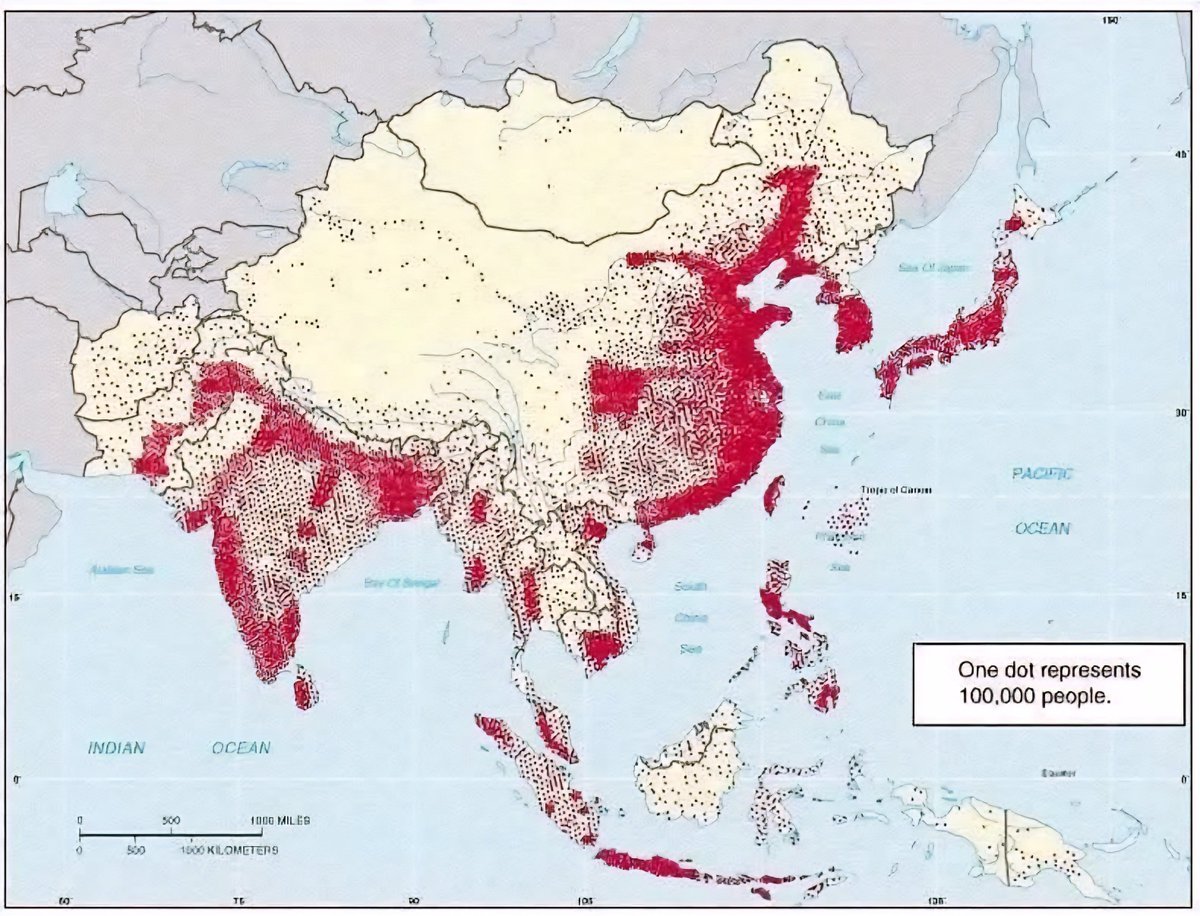
One Dot Represents 100,000 People
The visual emphasizes the scale of the population increase, providing a stark reminder of the magnitude of America’s demographic expansion in 2025.
As the nation moves forward, navigating the complexities of its growing population will require strategic planning and innovation at every level of government and in communities nationwide. The trends of today will shape the America of tomorrow, making understanding these shifts essential for policymakers, businesses, and residents alike.