What Happened to the Countries Surrounding Poland Before 1990?
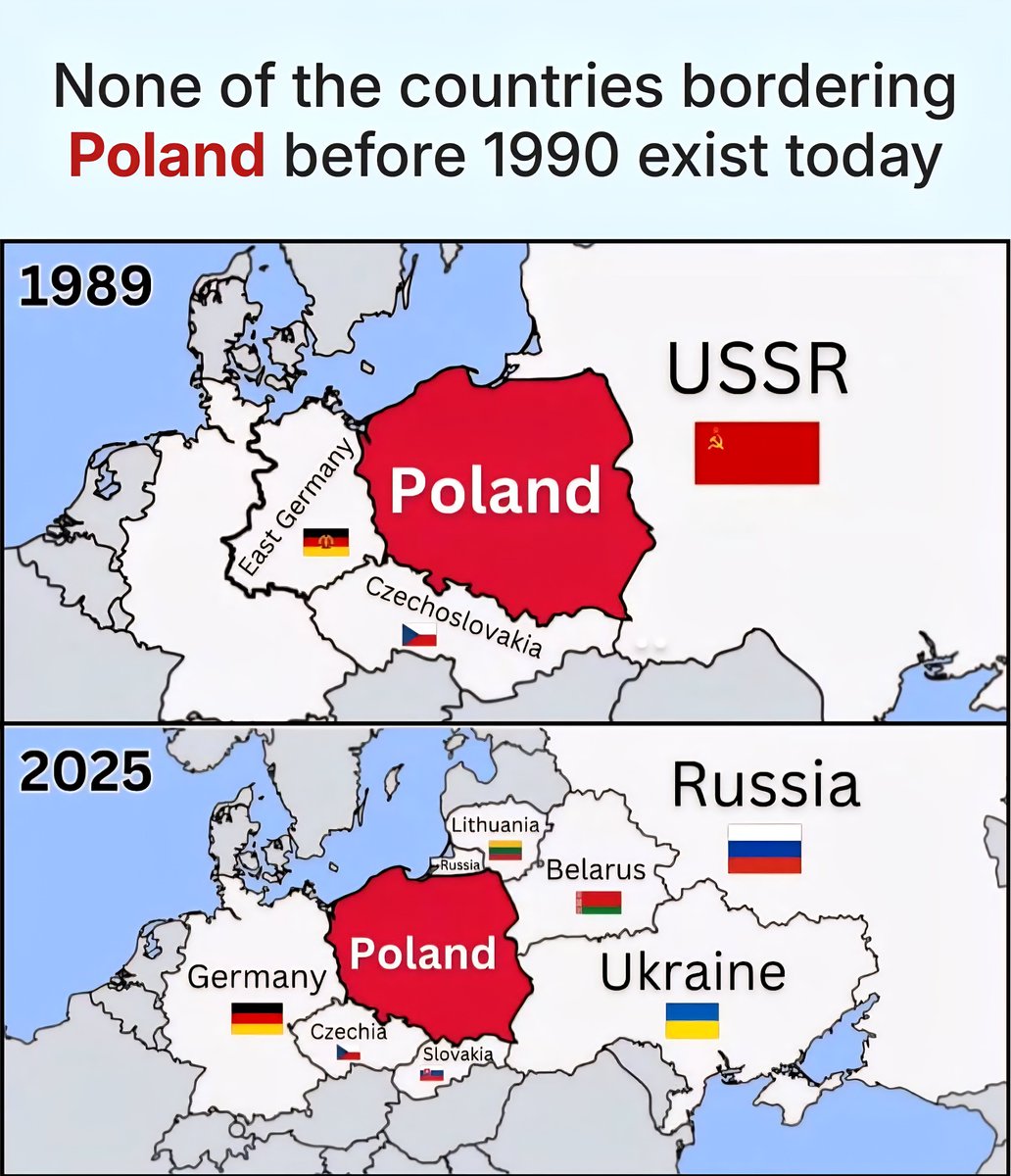
The geopolitical landscape of Central and Eastern Europe has undergone profound changes over the past few decades. Among these shifts, the disappearance of countries that once bordered Poland prior to 1990 stands out as a remarkable transformation. Here’s an in-depth look into the historical evolution of this region and what became of the nations that once encircled Poland.
1. The Dissolution of East Germany and the Reunification of Germany
One of the most significant events in recent European history was the fall of the Berlin Wall in 1989, which marked the beginning of the end for East Germany (German Democratic Republic). By 1990, East Germany and West Germany had reunified into a single German nation. Today, there isn’t an East and West Germany; instead, Germany is a unified country that borders Poland to the west. The separation that once existed is now history, symbolizing the end of Cold War divisions in Europe.
2. The End of the Polish People’s Republic and the Fall of the Iron Curtain
Before 1990, the Soviet influence shaped the eastern borders of Poland, which was part of the Eastern Bloc. The fall of communist regimes across Eastern Europe led to the redefinition of borders and political systems. Poland emerged as a democratic nation, free from the communist sphere, and its borders are now firmly established as a sovereign nation. The countries that once bordered Poland in the east, such as the USSR and its satellite states, no longer exist in their former form, having transitioned into independent countries or merged into new states.
3. The Transformation of Czechoslovakia Into Separate Nations
Czechoslovakia, situated south of Poland, was a single country until it peacefully split into the Czech Republic and Slovakia in 1993. This peaceful division was a response to growing national identities and political differences, facilitated by the collapse of the communist regime. Today, both the Czech Republic and Slovakia are independent nations and members of the European Union, sharing borders with Poland but no longer existing as a unified state.
4. The Collapse of Yugoslavia and Its Impact on the Eastern European Map
While Yugoslavia was not directly bordering Poland, its disintegration in the 1990s reshaped regional dynamics and shifted the map of Eastern Europe. Countries like Croatia, Serbia, Slovenia, Bosnia and Herzegovina, North Macedonia, and Montenegro emerged as independent nations. This territorial upheaval indirectly influenced the geopolitical landscape for neighboring Poland, fostering new alliances and regional cooperation initiatives.
5. The Dissolution of the Soviet Union and the Birth of New Nations
The most dramatic change was the breakup of the Soviet Union in 1991, which led to the independence of 15 republics, including Russia, Ukraine, Belarus, and the Baltic states (Estonia, Latvia, Lithuania). These nations, which once bordered parts of the USSR-occupied Polish eastern territories, no longer exist in the same political form and do not directly contain the borders of Poland. Their independence reshaped regional security, economics, and diplomatic relationships across Europe.
6. The Rebirth of Poland’s Borders and Regional Stability Today
As of 2025, Poland’s borders are defined by modern international agreements, distinct from its pre-1990 neighbors. The country is now a vibrant democracy and a key member of the European Union and NATO, fostering stability and growth in the region. The borders of neighboring countries have stabilized, with newer nations cementing their sovereignty and fostering regional cooperation for peace and development.
7. The Impact of These Changes on International Relations
The disappearance of the countries bordering Poland before 1990 underscores the profound shifts in European politics and borders over the last three decades. These changes have led to stronger alliances, better regional cooperation, and a more unified continent. Poland’s place in this new landscape reflects its transition from a Soviet-influenced state to a resilient member of the global community.
From the fall of the Berlin Wall to the dissolution of Yugoslavia and the Soviet Union, the map of Central and Eastern Europe has transformed dramatically. The borders of the countries once bordering Poland before 1990 now belong to a different set of nations—independent, sovereign, and integral to the contemporary European chapter.
In 2025, the region continues to evolve, but the historical shifts remain a testament to Europe’s resilience and its ongoing journey toward stability and unity.