-
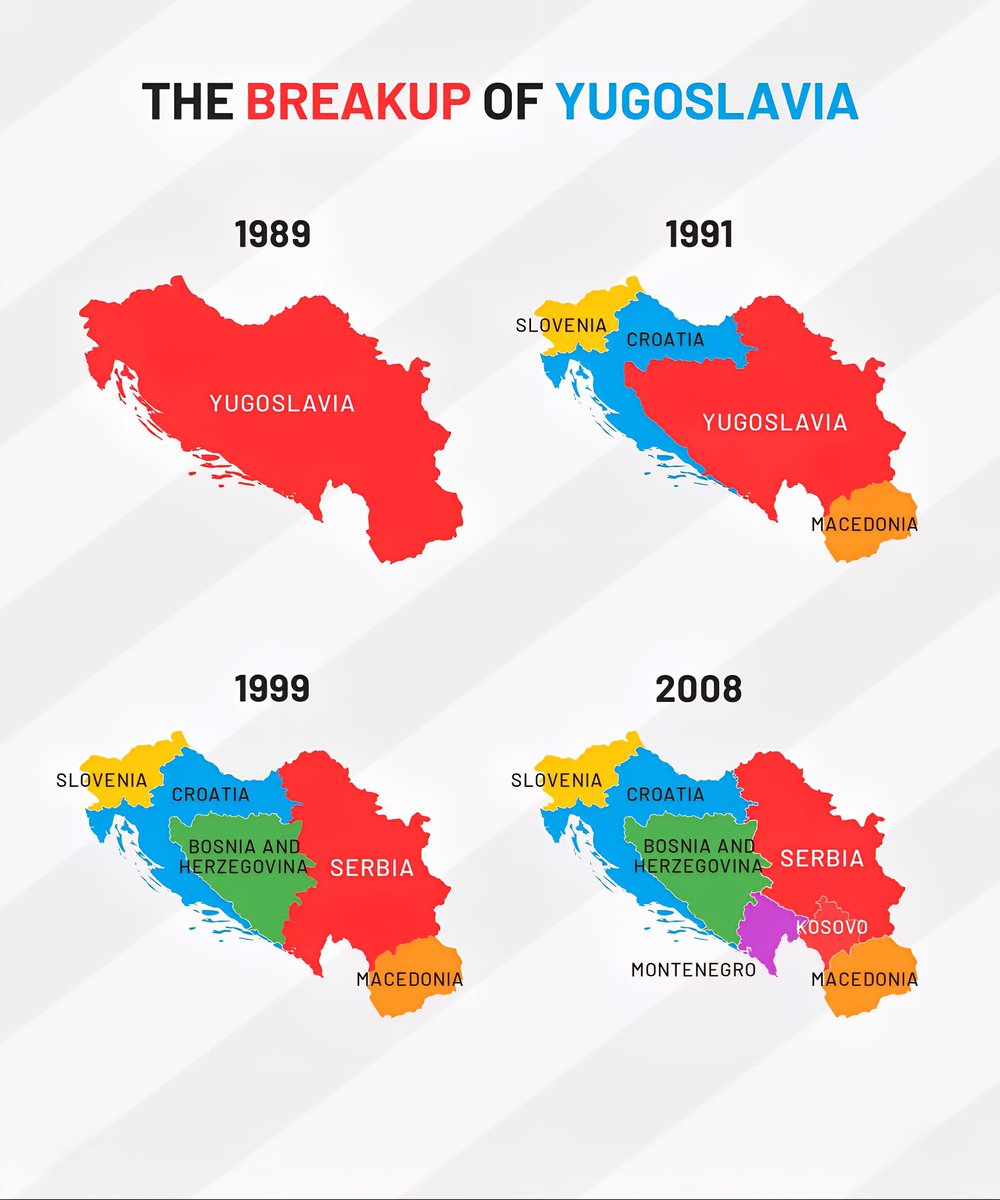
The Complex Dissolution of Yugoslavia: A Historic Breakup in 2025
-
1. The Roots of Conflict: Echoes of a Multinational Past
Yugoslavia was once a diverse federation comprised of six republics: Bosnia and Herzegovina, Croatia, Kosovo, Montenegro, North Macedonia, and Serbia, along with two autonomous provinces within Serbia—Vojvodina and Kosovo. The nation’s complex ethnic composition, historical grievances, and political tensions laid the groundwork for future upheaval. Over the decades, disparities in economic development, cultural identities, and political agendas created simmering unrest, which finally erupted in the early 1990s.
-
2. The 2025 Reunification Movements and Rising Nationalism
By 2025, many of the former Yugoslav republics have experienced renewed surges of nationalism. Countries like Croatia and Slovenia have solidified their independence since the 1990s, but new divides have emerged. Kosovo has declared itself fully independent, though Serbia continues to dispute its sovereignty. Meanwhile, Bosnia remains entrenched in ethnic divisions, facing challenges attempting to reconcile its Croat, Serb, and Bosniak communities. Several regions are advocating for re-unification or greater autonomy, fueled by economic struggles and political dissatisfaction.
-
3. Economic Struggles Amplify Political Instability
After decades of economic stagnation, many Balkan states are grappling with unemployment, inflation, and corruption. These economic hardships have fueled discontent and swayed public opinion towards nationalist leaders promising to restore national pride and stability. Consequently, political stability has become fragile, leading to frequent government changes and anti-establishment sentiments across the region.
-
4. International Responses and Diplomatic Challenges
The international community continues to grapple with the fallout from Yugoslavia’s breakup. NATO peacekeeping forces maintain a presence in parts of the former federation, attempting to prevent violence. However, diplomatic efforts to bring lasting peace and integrate these nations into Western institutions have faced setbacks. Nations like Russia and China are also involved, supporting different factions for strategic reasons. The ongoing geopolitical tug-of-war complicates efforts to stabilize the region.
-
5. The Impact on Local Populations
The persistent divisions have profound effects on everyday life. Ethnic tensions occasionally flare into violence, displacing communities and disrupting economic activities. Young people often leave their home countries in search of better opportunities elsewhere, creating a brain drain that hampers regional development. Cultural identities are often politicized, making reconciliation difficult, and many residents remain hopeful yet cautious about the future.
-
6. Future Prospects and Challenges
The road ahead for the Balkans remains uncertain. While some nations push toward European Union integration, geopolitical tensions and internal divisions threaten to derail progress. Bridging ethnic divides, fostering economic growth, and ensuring political stability are among the key hurdles. Experts agree that a sustainable solution requires regional cooperation, genuine reconciliation, and strong international support.
-
7. The Significance of the 2025 Breakup in Historical Context
The breakup of Yugoslavia serves as a stark reminder of how ethnic nationalism, economic hardship, and unresolved historical grievances can fracture a nation over time. Its lessons are crucial for global conflict prevention and for understanding how diverse regions can navigate their shared futures amidst internal differences.
In 2025, the Balkan region continues to evolve, embodying both the struggles of a turbulent past and the hopes for a more unified, peaceful future.