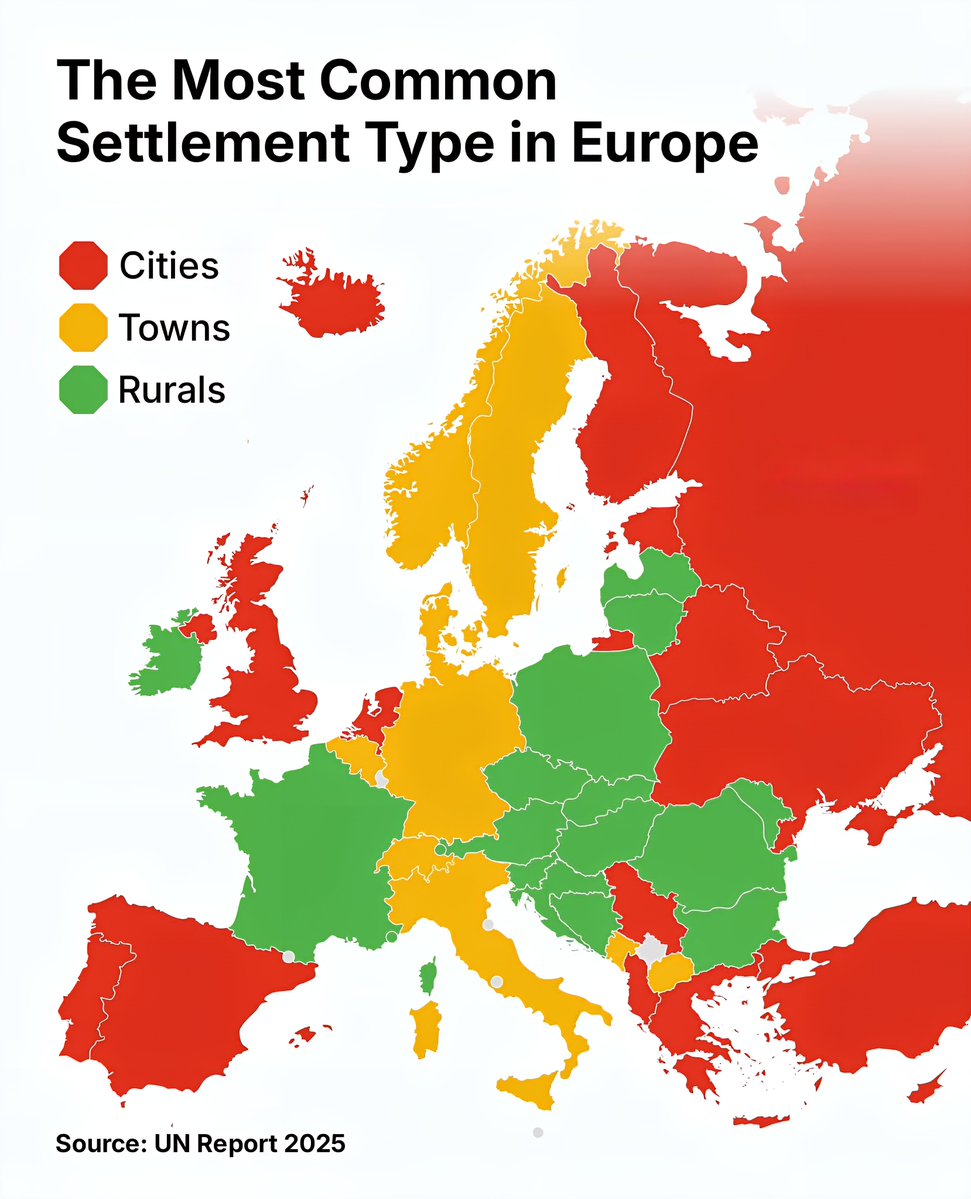
The Most Common Types of Settlements Across Europe in 2025
Cities Dominate the Landscape
Europe’s urban hubs continue to be the backbone of economic and cultural activity, with sprawling cities like London, Paris, and Berlin leading the way. Cities are characterized by dense populations, high-rise buildings, extensive infrastructure, and diverse communities. As centers of innovation, commerce, and governance, urban areas attract people seeking employment, education, and lifestyle amenities.
Over the last decade, urban expansion has accelerated, driven by technological advancement and increased mobility. European cities have expanded their boundaries through smart urban planning and sustainable development efforts to accommodate growing populations while striving to lessen environmental impact. Investment in public transit, green spaces, and digital infrastructure has become pivotal in shaping tomorrow’s cities.
Small Towns Play a Vital Role
Nestled just outside the larger urban zones are towns—smaller, often historic settlements with populations that typically range from a few thousand up to twenty thousand residents. These towns serve as vital nodes of local culture, commerce, and social life. They often boast charming architecture, bustling markets, and tight-knit communities that uphold regional traditions.
In recent years, many towns across Europe have experienced a revival, partly fueled by the rise of remote work that allows individuals to live outside major cities while maintaining careers. Such shifts have led to increased investments in local amenities, schools, and transportation links, making towns more attractive for newcomers seeking a quieter, more connected lifestyle.
Rural Areas: The Countryside Backbone
Despite the rapid urbanization seen in many parts of Europe, rural settlements — including villages and farmsteads — remain essential components of the continent’s demographic mosaic. These areas typically feature low population densities, expansive natural landscapes, and a focus on agriculture, forestry, and tourism.
In 2025, rural Europe is experiencing a renaissance driven by a desire for sustainable living and organic farming. Governments and private stakeholders are investing in rural infrastructure to improve internet connectivity, healthcare, and transportation, aiming to bridge the gap between city and countryside. Many rural communities are also becoming hotspots for eco-tourism and outdoor recreation, contributing to local economies and preserving traditional ways of life.
Summary Table: Types of European Settlements in 2025
| Settlement Type | Characteristics | Role in Society |
|---|---|---|
| Cities | High population density, modern infrastructure, cultural diversity | Economic hubs, innovation centers, cultural melting pots |
| Towns | Smaller populations, historical cores, local traditions | Commercial centers with regional significance, community cohesion |
| Rural Areas | Low density, natural landscapes, agricultural focus | Food production, tourism, eco-conscious living |
As Europe continues to evolve in 2025, the balance and interplay between cities, towns, and rural settlements remain fundamental to its cultural and economic fabric, representing a diverse spectrum of lifestyles and opportunities.