The Largest Religion Among Gen Z in the United States in 2025
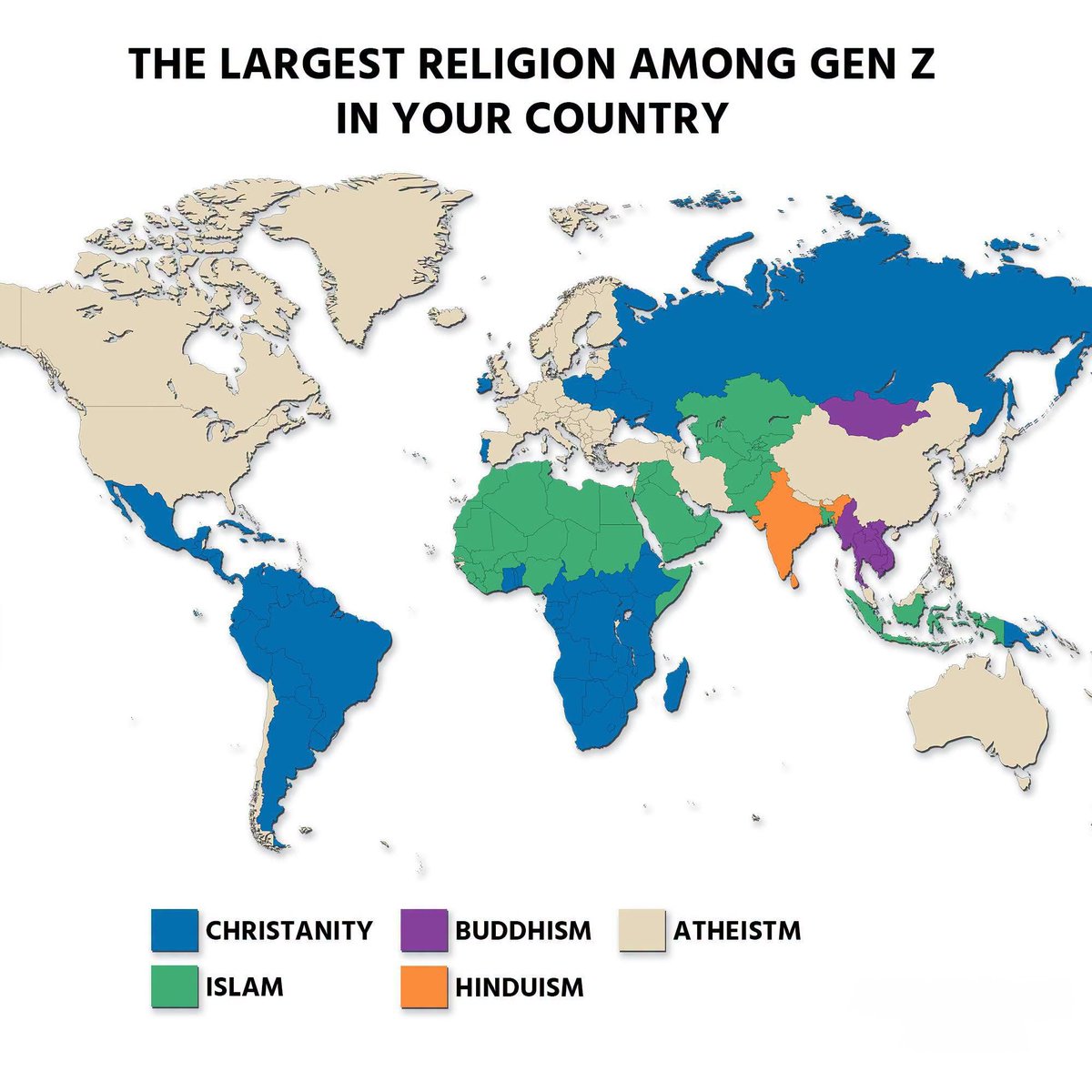
1. Christianity Still Holds the Top Spot Across Most States
Despite a noticeable decline in affiliation, Christianity remains the dominant religion among Generation Z in the United States. Surveys indicate that approximately 45% of Gen Z Americans identify as Christians, a significant decrease from previous decades but still leading in most regions. Evangelical Protestantism, Catholicism, and Mainline Protestant churches collectively form the largest religious group. Younger generations are increasingly exploring spiritual practices outside traditional institutions, yet many still associate themselves with Christian labels or traditions.
2. The Rise of Unaffiliated and ‘No Religion’ Trends
The category of “No Religion” continues to expand rapidly among Gen Z. Nearly 30% of this demographic now identify as religiously unaffiliated, reflecting a broader trend of secularization and skepticism toward organized religion. This group often describes themselves as agnostic, atheist, or simply “spiritual but not religious.” Urban areas and college towns have seen the highest concentrations of these non-affiliated youths, signaling a cultural shift toward individual spirituality rather than institutional faith.
3. Growth of Non-Christian Religions
Islam, Hinduism, Buddhism, and assorted spiritual movements have seen steady growth among Gen Z in recent years. The Muslim population among young Americans has increased to roughly 3%, fueled by immigration and a desire for communal faith experiences outside Christianity. Similarly, Hindu and Buddhist communities are expanding with a combined share of about 4%. These groups often emphasize multiculturalism and social justice within their religious frameworks, resonating with Generation Z’s values.
4. The Decline of Traditional Religiosity in Rural Areas
While urban centers see a diversification of faiths, rural areas report a more significant decline in religious affiliation among youth. Many young people in these regions are distancing themselves from traditional religious institutions, influenced by increasing secular education and changing cultural attitudes. This has led to a religious landscape in rural America where spiritual exploration is often personalized, and formal worship attendance is less common.
5. The Role of Technology and Social Media in Religious Engagement
In 2025, digital platforms continue transforming how Gen Z experiences faith. Online communities, podcasts, religious influencers, and virtual worship services are now mainstream. Many young Americans find community and spiritual nourishment through social media, which bridges geographic barriers and caters to their preference for flexible, personalized religious experiences. This shift has allowed some youth to maintain or explore faith while discarding traditional structures.
6. The Emergence of New Spiritual Movements
A noteworthy trend is the rise of eclectic spiritual practices and new religious movements. Many Gen Zers identify with psychedelic spirituality, mindfulness, and environmental activism tied to spiritual philosophies. Movements like New Age mysticism and eco-spirituality are gaining prominence, often blending elements from multiple traditions into personalized belief systems.
7. Impact of Cultural and Political Changes
The evolving religious landscape among Gen Z reflects broader social and political shifts. As issues like social justice, climate change, and racial equality take center stage, many young people gravitate toward faith communities that embrace activism and inclusivity. This has altered traditional religious norms, with some churches and organizations adapting to become more progressive and socially engaged.
8. The Future of Faith Among Generation Z
Looking ahead, religious affiliation among Gen Z is likely to continue evolving. While Christianity remains prevalent, its dominance may diminish further as more young Americans explore diverse spiritual options or reject organized religion altogether. The emphasis on personal spirituality, combined with technological innovation and social consciousness, suggests a future where faith is more fluid and individualized.
In conclusion, the religious landscape among Generation Z in the United States in 2025 is marked by diversification, innovation, and shifting affiliations. Traditional Christian dominance persists but is increasingly challenged by secular, spiritual, and non-Christian identities, shaping a complex and dynamic future of faith.
<|IMAGE | src=”https://digitalphablet.com/wp-content/uploads/2026/08/Top-Religion-Among-Gen-Z-in-Your-Country.jpg” |>