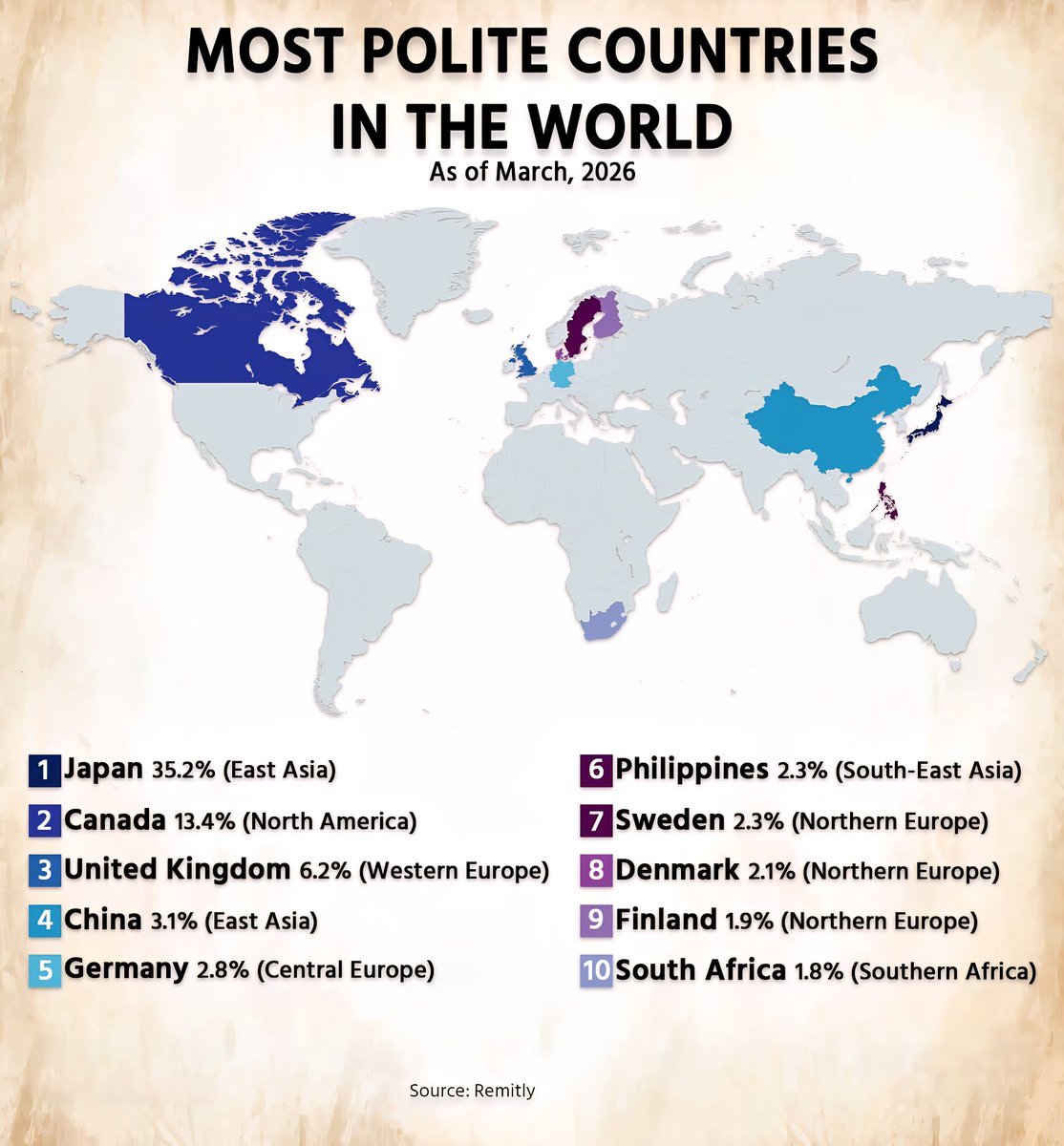
Japan: Leading the Way in Politeness and Respect
Japan continues to hold its position at the top of the list for the most polite countries in 2026. Known for its deep-rooted cultural emphasis on respect, humility, and courtesy, Japan’s society encourages harmony through thoughtful communication and manners. From bowing greetings to meticulous service, Japanese citizens consistently demonstrate consideration for others. Visitors and residents alike often praise the nation’s politeness in everyday interactions, from customer service to public transportation etiquette. The collective emphasis on respect stems from longstanding traditions, blending seamlessly with modern practices to foster a respectful environment across the country.
Canada: A Model of Courtesy and Friendliness
Canada has maintained its reputation as one of the most polite nations worldwide. Canadians are renowned for their friendliness, politeness, and welcoming attitude. Whether interacting with strangers or engaging in professional settings, politeness is embedded in the Canadian way of life. Compliments like “Sorry,” “Thank you,” and “Please” are commonly used, even in casual conversations. The country’s commitment to multiculturalism and inclusiveness also promotes respectful interpersonal interactions. The nation’s emphasis on kindness extends across regions, creating a national identity centered around civility and respect for all.
United Kingdom: Traditions of Grace and Manners
The United Kingdom remains consistently ranked among the most polite countries. British politeness is characterized by a focus on etiquette, understatement, and graciousness. Voluntary acts of courtesy, such as queuing patiently, discreetly apologizing, and maintaining politeness in social discourse, define British interactions. The cultural importance placed on manners is reflected in institutions, education, and everyday social norms. While some may consider this politeness formal, it underpins a society where respect and civility are valued highly across all age groups.
China: Cultural Etiquette and Respect as Pillars of Society
China ranks high for politeness, largely driven by its rich cultural traditions emphasizing respect, filial piety, and harmonious relations. In Chinese society, showing consideration for elders and strangers alike remains fundamental. Courteous gestures, such as respectful greetings, gift-giving, and polite conversation, are integral parts of daily life. As China continues to modernize, these cultural values still influence social interactions, fostering an environment of mutual respect in both urban and rural settings. This cultural emphasis on politeness is also reflected in China’s rapid diplomatic and business engagements.
Germany: Precision and Respect in Social Conduct
Germany’s reputation for punctuality, orderliness, and respectfulness keeps it among the top polite nations. German society places great importance on direct communication, respect for privacy, and adherence to social norms. Formal greetings, punctual appointments, and attentiveness are common indicators of politeness. Germans tend to value efficiency alongside courteous behavior, which promotes smooth interpersonal interactions. The country’s strong cultural emphasis on discipline and respect contributes to a societal atmosphere where civility and mutual consideration are the norm.
Philippines: Warm Hospitality and Respect
The Philippines consistently ranks among the most polite countries, thanks in part to the cultural trait of pakikisama (smooth interpersonal relationships) and deep-rooted respect for elders. Filipino society places a premium on warm hospitality, graciousness, and consideration for others. When greeting elders, it is customary to perform mano, a gesture of respect involving a bow and pressing the elder’s hand to one’s forehead. Such gestures exemplify the Filipino values of respect, kindness, and community. The nation’s reputation for friendliness extends internationally, making Filipinos widely recognized for their warm and accommodating demeanor.
Sweden: Calm Respect and Courtesy
Sweden emerges as a standout for politeness rooted in calmness and egalitarian principles. Swedes tend to adopt modest and respectful communication styles, avoiding confrontation and emphasizing humility. Punctuality, honesty, and a respectful attitude toward others define social interactions. Public spaces are characterized by courteous behavior, and social norms discourage loud or intrusive conduct. The focus on equality and understanding fosters a society where politeness and social harmony are paramount.
Denmark: Politeness Through Simplicity and Respect
Denmark maintains its reputation for understated politeness. Danes value honesty, punctuality, and respectful communication. Their social interactions are marked by a friendly yet reserved demeanor, emphasizing trustworthiness and mutual respect. Danish society promotes well-being, community, and environmental consciousness—all reflected in polite behaviors that reinforce social cohesion. The country’s focus on simplicity and sincerity helps maintain a courteous social atmosphere across the nation.
Finland: Quiet Respect and Consideration
Finland’s reputation for being one of the most reserved and respectful countries is well-earned. Finns are known for their quiet politeness, valuing personal space, minimal fuss, and respectful silence. Greetings are often simple but genuine, and there is a strong cultural norm of not intruding into others’ private lives. This respectful, understated approach fosters a peaceful social environment, making Finland a top contender for the most courteous country globally.
South Africa: Warmth and Hospitality
South Africa’s diverse culture emphasizes warmth, friendliness, and respect for others. The nation’s multicultural fabric fosters an environment where hospitality and polite conduct are highly valued. Greetings like handshakes and respectful addresses are common, reflecting a welcoming attitude. Despite social and economic challenges, South Africans often demonstrate resilience through kindness and civility in interactions, earning their place among the top polite nations of 2025.
Source: Remitly