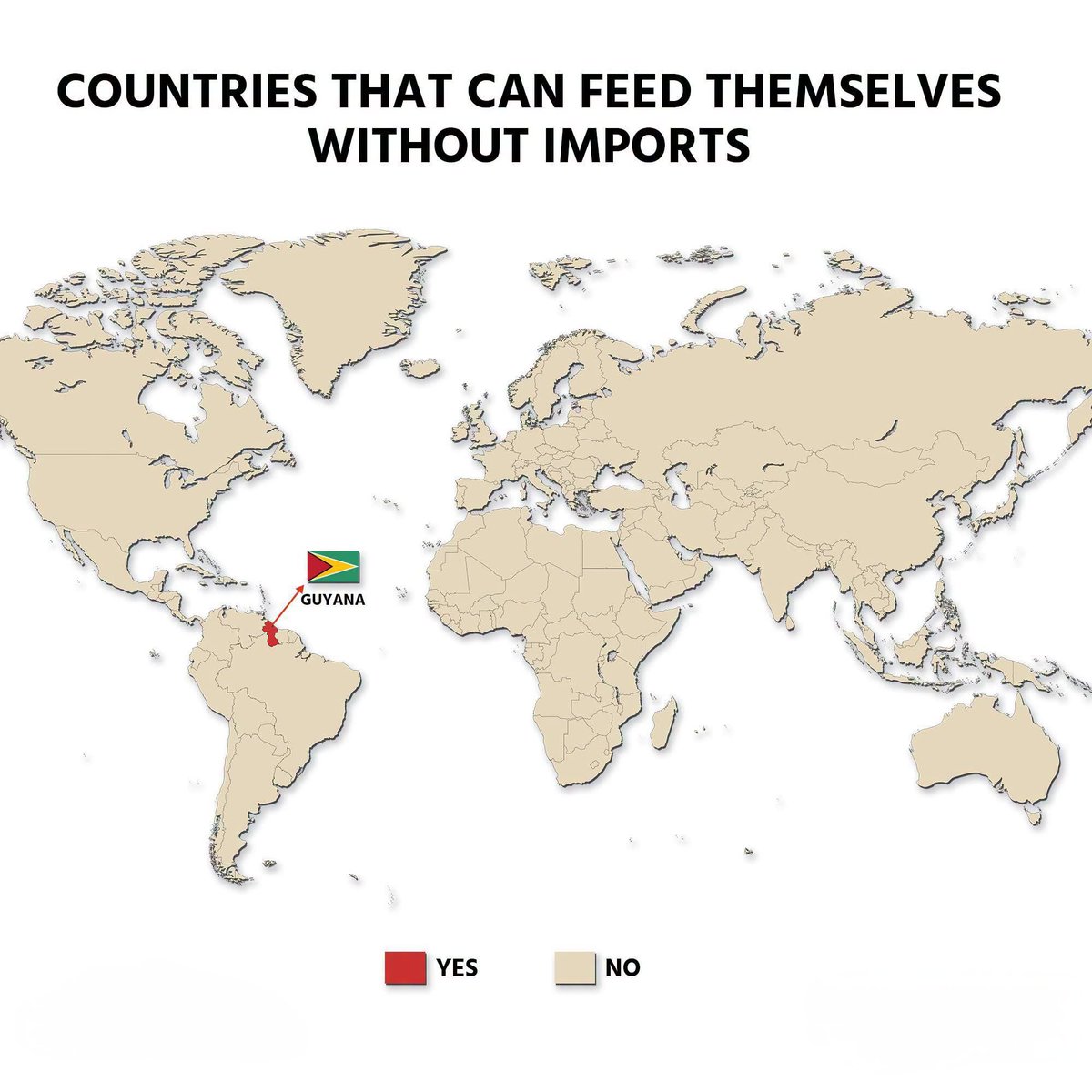
Guyana: The World’s Leading Self-Sufficient Food Producer
In 2025, a groundbreaking study by Nature Food reveals that Guyana stands alone as the only country capable of feeding its population entirely through domestic food production. This remarkable achievement highlights Guyana’s robust agricultural sector, which manages to sustain the nation without any reliance on food imports.
China and Vietnam: Near Self-Sufficiency with Major Food Groups Covered
While Guyana is the sole leader in total self-sufficiency, China and Vietnam are not far behind. Both nations secure six out of the seven critical food groups, underscoring their advanced agricultural industries. Their impressive self-sufficiency levels reflect extensive investments in domestic farming and fisheries, ensuring food security for their populations.
The Seven Essential Food Groups: What Countries Are Covering
The report emphasizes seven core food categories that are vital for national food independence:
- Fruits
- Vegetables
- Legumes
- Starchy Staples
- Meat
- Fish
- Dairy
Achieving self-sufficiency across all these groups is no small feat, requiring diversified farming practices, sustainable resource management, and robust infrastructure.
Guyana’s Secret to Success: A Comprehensive Approach
Guyana’s ability to produce all food groups domestically results from a strategic focus on diversified agriculture. The country benefits from fertile land, favorable climate conditions, and government policies that promote sustainable farming practices. These efforts have enabled Guyana to maximize crop yields and livestock productivity, reducing dependence on imports.
China’s Agricultural Milestones
Despite facing challenges such as urbanization and limited arable land, China has made significant progress. Its focus on modernizing agriculture, embracing technology, and improving supply chains has helped it achieve remarkable self-sufficiency in fruits, vegetables, grains, and meats. China’s vast domestic market also supports large-scale farming initiatives that bolster food security.
Vietnam’s Rapid Agricultural Growth
Vietnam has experienced a rapid rise in food self-sufficiency by fostering innovative farming techniques and expanding aquaculture. Its coastal regions provide abundant fish and seafood, making it a leader in marine food production. Additionally, Vietnamese farmers have adopted sustainable practices to enhance crop yields in fruits, vegetables, and legumes.
The Importance of Self-Sufficiency
Achieving high levels of food independence offers numerous benefits, including resilience against global supply chain disruptions, price stability, and increased national security. Countries that can feed themselves effectively are better equipped to withstand economic shocks and geopolitical tensions that threaten international food markets.
Challenges for Countries Striving Towards Self-Sufficiency
While some nations excel in specific food groups, reaching total self-sufficiency remains complex. Challenges include climate change, land degradation, water scarcity, and rising urban populations that strain agricultural resources. Countries aiming for independence must foster innovation, invest in sustainable technologies, and promote policies that support diverse food production.
The Future of Global Food Self-Sufficiency
As 2025 progresses, more countries are recognizing the strategic importance of self-sufficiency. With advances in agricultural technology, renewable energy integration, and sustainable practices, the goal of independent food systems becomes increasingly attainable. However, comprehensive planning and international cooperation remain essential for sustainable progress.
Self-sufficiency in food production not only secures a nation’s health and stability but also paves the way for more resilient economies capable of withstanding global uncertainties.