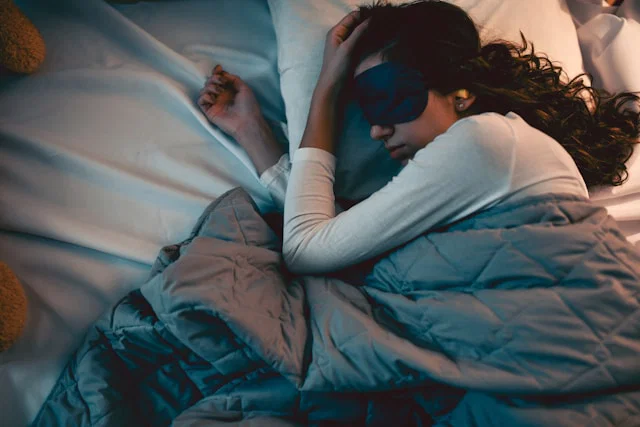
Many individuals naturally prefer to stay up late and sleep in longer in the mornings. These people are commonly referred to as “night owls” or evening types. While society often considers this simply a lifestyle choice, recent scientific research indicates that a person’s natural sleep pattern may be closely linked to key aspects of mental health.
A new study, set to be presented at the SLEEP 2026 annual conference, shows that those who naturally go to bed and wake up later tend to report higher levels of anxiety and loneliness compared to early risers. The evidence suggests that feelings of loneliness, especially during nighttime hours, may partly explain why evening types often experience worse mental health.
Researchers have long studied “chronotype,” which describes an individual’s innate preference for sleeping and waking at specific times. Some people feel most alert early in the morning and naturally rise early, while others perform better later in the day and prefer staying awake past midnight. These differences are largely governed by biological factors rather than personal choices.
However, modern societal structures, like school schedules, work hours, and social activities, often favor early risers. This mismatch between an individual’s biological clock and daily routines can lead to sleep difficulties, social disconnection, and emotional challenges.
To explore these issues further, researchers from Brigham Young University recruited 442 participants through an online research platform. Participants completed surveys measuring their chronotype, anxiety levels, and feelings of loneliness. The focus was particularly on nocturnal loneliness—the sense of loneliness experienced during nighttime. Because fewer people are awake, social interactions are limited at night, which can intensify feelings of loneliness and emotional distress.
Study results showed a clear pattern: those with later sleep schedules experienced poorer mental health, felt more lonely overall, and reported greater loneliness during the nighttime. They also tended to have higher anxiety levels. Further analysis revealed that nocturnal loneliness played a significant mediating role—the feelings of loneliness at night helped explain the link between a late sleep schedule and increased anxiety. When researchers accounted for nighttime loneliness, the direct connection between sleep timing and anxiety disappeared, suggesting that loneliness at night is a key factor.
These findings shed new light on why evening chronotypes may be more susceptible to mental health issues. Previous research has linked late sleepers with elevated rates of depression, anxiety, and emotional distress. This study suggests that social isolation during nighttime hours may partly drive these associations.
It’s believed that night owls often feel socially disconnected because their schedules don’t align with those of family, friends, colleagues, or classmates. When most people are sleeping, opportunities for social interaction decrease, heightening feelings of solitude.
The study also emphasizes that sleep timing is critical to overall health. According to the American Academy of Sleep Medicine, healthy sleep isn’t just about getting enough hours; it also involves regularity, appropriate timing, and high-quality sleep.
Understanding the impact of loneliness on mental health may help healthcare providers create more targeted interventions. Therapists and clinicians might develop strategies to help evening types reduce feelings of social isolation, strengthen support networks, and manage nighttime anxiety more effectively.
The study’s abstract was published in an online supplement of the journal SLEEP and will be presented at SLEEP 2026 in Baltimore. For those interested in mental health, exploring related research on foods that can improve mood and the potential benefits of B vitamins in preventing depression and anxiety can be helpful.
Additional recent studies have examined how dairy products may influence depression risk and how omega-3 fatty acids could help lower depression symptoms.
Source: Brigham Young University.