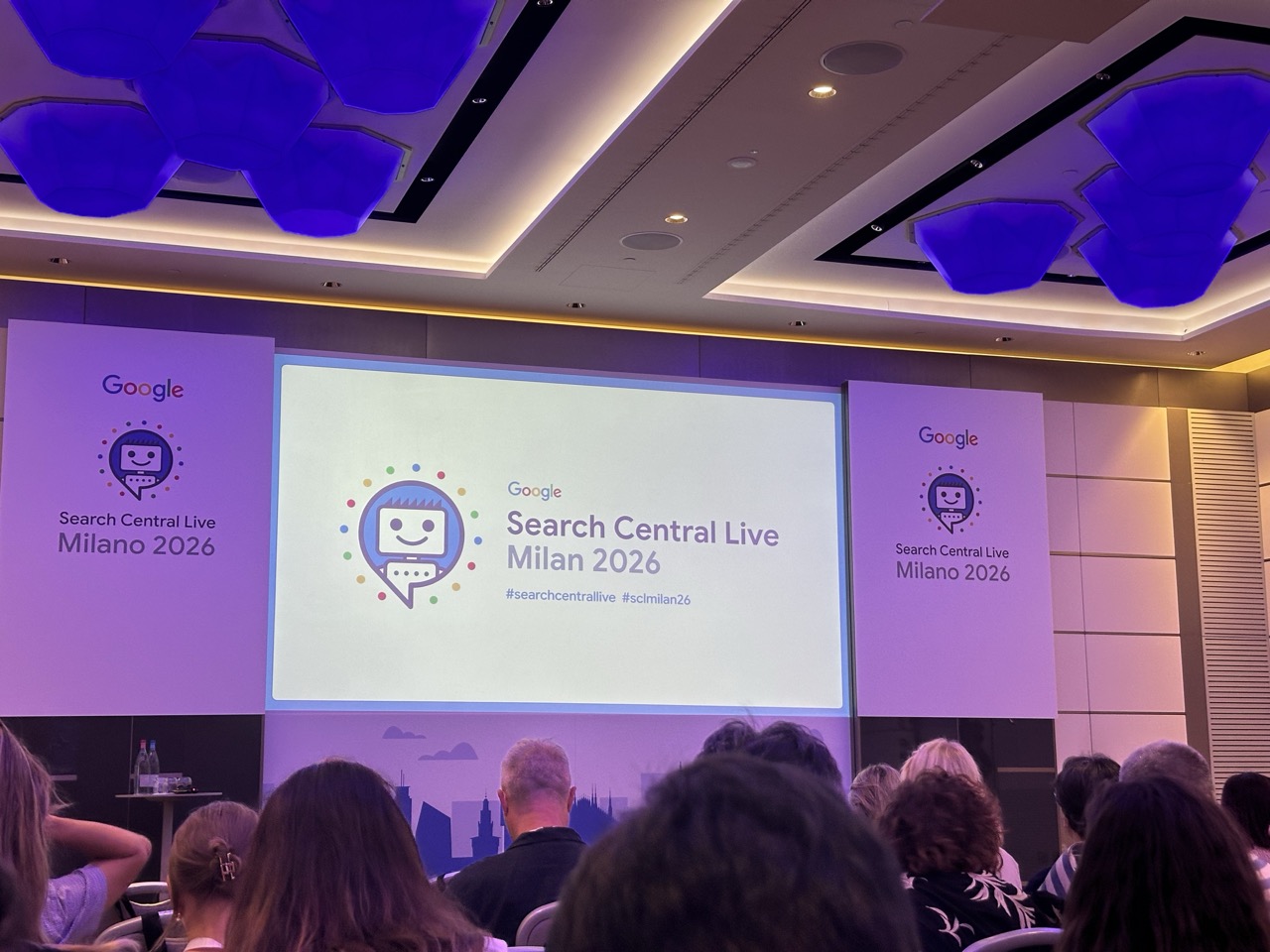
Google recently hosted a Search Central Live event in Milan, covering a wide range of topics related to search and SEO. Discussions included the concept of chunking in content, the impact of site-wide signals, new AI configurations within Search Console, and distinctions between commodity and non-commodity content. The event also addressed approaches to paywalled content, subscription strategies for news outlets, and updates to Search Console’s branded versus non-branded filtering capabilities. Additionally, insights were shared about user engagement metrics from AI Overviews, along with more advanced subjects such as the introduction of preferred source features for authoritative profiles in search results, and the integration of subscription linking via the Reader Revenue Manager, which has been shown to boost user engagement by over 34% in internal case studies.
Speakers emphasized the importance of unique, specific, and authentic content—those that offer original viewpoints, detailed case studies, and reflect firsthand experience—highlighting that generic or overly rewritten content is losing relevance. A key point was the clear differentiation between commodity and non-commodity content, with Google adopting a stricter stance against artificially generated or synthetic texts that lack proprietary data. Site quality algorithms continue to play a vital role, and optimizing overall site integrity is crucial, as URLs do not exist in isolation but are part of a broader site structure influencing rankings.
Regarding traffic dynamics, data indicates internal links within AI-generated responses significantly increase user dwell time, suggesting users tend to spend more time on pages when arriving from AI Overviews. The official presentation slides noted that users clicking through from AI summaries tend to stay longer on the site, although precise metrics were not disclosed.
Search Console has begun rolling out updates to its AI reporting features, allowing site owners to see impression and click data specifically related to AI outputs and user engagement options, such as AI Overviews, AI Mode, and Discovery. This includes a new setting to allow site administrators to explicitly enable or disable their site’s participation.
Other insights covered the importance of properly structured data, with an emphasis on ensuring content organization serves human readability rather than forcing artificial chunking strategies for AI. Mythbusting efforts clarified that Google’s algorithms do not reward HTML validation errors, and that content organization needs to prioritize human understanding. Google also addressed the emerging trend of “Vibe Coding,” noting that while AI can assist in building scripts, developers should evaluate long-term maintainability and security, and prefer official tools like the GSC API.
A recurring theme was diversification of traffic sources to reduce reliance on algorithmic rankings, alongside the necessity of maintaining high-quality, non-scaled content that offers real value. The event’s overall message stressed that search engine optimization and content strategies must evolve with ongoing updates, emphasizing authenticity, user experience, and adaptive technical practices to succeed in the changing landscape.