الوسم: medication

  • أدوية خسارة الوزن الشائعة قد تزيد من تساقط الشعر

    تساقط الشعر المرتبط بـ GLP-1
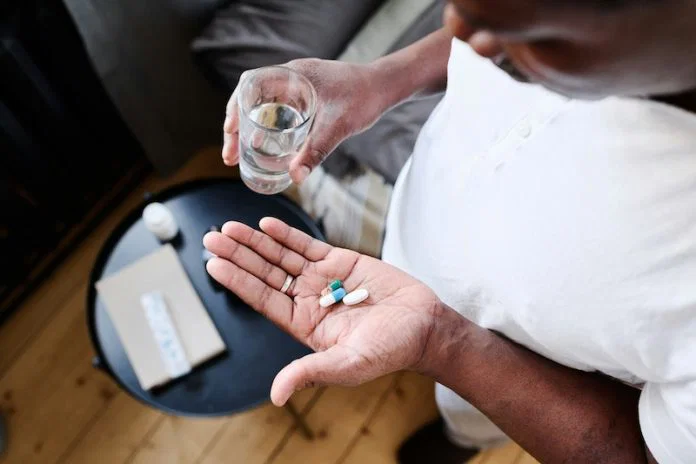
    مصدر الصورة: Unsplash+

    لقد غيرت أدوية شهيرة مثل أوزيمبيك، ويغوفي وZepbound طريقة علاج مرض السكري من النوع الثاني والسمنة بشكل كبير.

    تشير دراسة وراثية حديثة إلى أن هذه الأدوية قد تزيد بشكل طفيف من احتمالات تساقط شعر الرجال الذين يمتلكون وراثياً استعداداً لذلك.

    وجد باحثون في مركز لانغون للجامعة نيويورك أدلة تربط بين نشاط أقوى لنظام مستقبلات GLP-1 ووجود حالة الثعلبة الوراثية، المعروفة شعبياً باسم الصلع لدى الرجال. وقد قدر التحليل أن هناك زيادة حوالي 7% في احتمالية تساقط الشعر.

    نُشرت الدراسة على الإنترنت في 3 سبتمبر في مجلة الأمراض الجلدية التحقيقية. يقول الباحثون إن نتائجها تقدم أول دليل وراثي يدعم الصلة التي كان يشتبه بها الأطباء والمرضى مع انتشار استخدام أدوية GLP-1.

    أدوية GLP-1 تقلد تأثير هرمون طبيعي يشارك في تنظيم مستويات السكر في الدم والشهية. فهي تساعد الجسم على إفراز الأنسولين عند الحاجة، وتقلل الشهية، وتبطئ حركة الطعام عبر المعدة، مما يؤدي إلى خسارة وزن ملحوظة.

    تم الإبلاغ عن ترقيق الشعر من قبل بعض من يتناولون هذه الأدوية، ومع ذلك كان التفسير الشائع حتى الآن هو فقدان الوزن السريع بدلاً من تأثير مباشر من الأدوية نفسها.

    يمكن للتغيرات الكبيرة في الوزن أن تضع ضغطاً على الجسم وتدفع مؤقتاً بعدد أكبر من الشعر إلى مرحلة الراحة. وبعد عدة أشهر، قد يتساقط ذلك الشعر، إلا أن النمو غالباً ما يعود عندما يستقر الوزن والتغذية.

    رغب فريق الباحثين في معرفة ما إذا كانت هناك تفسير وراثي آخر، فركزوا على جين GLP1R الذي يتحكم في مستقبل يستخدمه GLP-1 والأدوية التي تعمل على نفس المسار البيولوجي.

    بدلاً من إعطاء أدوية GLP-1 للناس والانتظار لرصد تساقط الشعر، استخدموا الاختلافات الوراثية الطبيعية كطريقة لدراسة نشاط مستقبل GLP-1 على المدى الطويل، وقارنوها بمعلومات وراثية مرتبطة بتساقط الشعر بشكل نمطي عند الرجال.

    يعتمد تساقط الشعر النمطي لدى الرجال بشكل كبير على العوامل الوراثية والهرمونات. غالبًا ما يتسبب في ترقق تدريجي حول الصدغين، مقدمة الرأس، والتاج، ويصبح شائعاً مع تقدم العمر.

    وجد التحليل أن الإشارات الوراثية المرتبطة بزيادة نشاط مستقبل GLP-1 كانت أيضاً مرتبطة بزيادة فرصة الإصابة بالصلع الوراثي عند الرجال، مع تقدير لزيادة الاحتمالية بنحو 7%، مما يشير إلى تأثير بسيط بدلاً من ضمان أن يتعرض الشخص الذي يتناول دواءً من نوع GLP-1 لتساقط شعره.

    كما اختبر الباحثون ما إذا كانت عوامل صحية أخرى يمكن أن تفسر النتائج، ووضحوا أن ارتفاع ضغط الدم، الذي أُربط سابقاً بتساقط الشعر، لم يقلل من معدل الارتباط. كما فحصوا مقاومة الأنسولين ومستويات التستوستيرون المنخفضة، ولم تكن هذه العوامل قادرة على إزالة الارتباط البالغ 7%، مما يعزز أن مسار GLP-1 نفسه قد يكون معنيًا.

    المعلومات الوراثية جاءت من قواعد بيانات عامة كبيرة، واحدة شملت 31,684 شخصاً، أغلبهم من البيض، وأخرى تضمنت معلومات من أكثر من 205,000 شخص، معظمهم من البيض أيضاً.

    ركز الباحثون على تساقط الشعر النمطي للرجال نظراً لفهمهم الأفضل لوراثته مقارنة مع تساقط الشعر لدى النساء، مما يعني أن الدراسة لم تثبت بعد ما إذا كانت النساء اللاتي يتناولن أدوية GLP-1 معرضات لنفس الخطر الوراثي.

    إذا أكدت الدراسات المستقبلية نتائج الدراسة، فقد تساعد النتائج الأطباء في التنبؤ بالأشخاص الأكثر عرضة لتساقط الشعر قبل بدء العلاج، ويفكر الباحثون في إمكانية دراسة علاجات وقائية، مثل أدوية دعم نمو الشعر، جنباً إلى جنب مع علاج GLP-1.

    لكن، لا يُعتبر هذا البحث دليلاً قاطعاً على أن أوزيمبيك، ويغوفي، Zepbound أو أدوية مماثلة تسبب بشكل مباشر الصلع الوراثي لدى الرجال. الدراسات الوراثية تقدم مؤشرات قوية، لكنها لا تُمثل بالكامل ما يحدث عند تناول الفرد للدواء بجرعة معينة.

    كما أن حجم التأثير المقدر، الذي يبلغ حوالي 7%، يعد صغيرًا نسبياً، فالفوائد الصحية لأدوية GLP-1 قد تكون كبيرة وتساعد على علاج السمنة، السكري، ومشاكل صحية أخرى.

    ومن ضمن القيود أن قواعد البيانات الوراثية كانت خاصة بأشخاص ذوي أصول بيضاء؛ لذا يتوجب إجراء المزيد من الدراسات على مجموعات أكثر تنوعاً قبل تعميم النتائج على الجميع.

    في المجمل، تعزز الدراسة فهمنا لعلاقة أدوية GLP-1 وتساقط الشعر، وتوضح أن فقدان الوزن السريع قد لا يكون السبب الوحيد، وأن الوراثة قد تلعب دورًا في زيادة حساسية بعض الرجال. ومع ذلك، يتطلب الأمر المزيد من الأبحاث السريرية قبل أن يُغير الأطباء من طرق وصف هذه الأدوية.

    إذا كنت مهتماً بفقدان الوزن، اطلع على الدراسات التي تتناول الحميات العلاجية لمرض الكبد الدهني، والسمنة، وأثر مستخلص الحبحب في تقليل دهون البطن لدى الأشخاص الذين يعانون من زيادة الوزن.

    للحصول على المزيد من المعلومات الصحية، اقرأ الدراسات الحديثة عن طرق كبح الرغبة في تناول الأطعمة الجاهزة، ونتائج الأبحاث حول الأطعمة التي تسرع من معدل الأيض لديك.

    المصدر: جامعة نيويورك.

  • One Pill to Prevent Heart Attacks & Strokes

    One Pill to Prevent Heart Attacks & Strokes

    Credit: Unsplash+

    Copyright © 2026 Knowridge Science Report. All rights reserved.

  • High Blood Pressure Diagnosis Might Not Lead to Lifestyle Changes

    High Blood Pressure Diagnosis Might Not Lead to Lifestyle Changes

    Credit: Unsplash+


    A diagnosis of high blood pressure often prompts individuals to start medication, but it doesn’t necessarily motivate changes in diet, exercise, or daily routines.

    New research highlights an unexpected disconnect: people are more willing to take prescribed medication than to adopt lifestyle habits that can also protect their hearts.

    The study, conducted by researchers from three universities including the Annenberg Public Policy Center at the University of Pennsylvania, was led by Yotam Ophir from the University at Buffalo and published in the journal Hypertension.

    Hypertension occurs when blood pressure remains elevated over time. Often, there are no warning signs, so many individuals don’t realize they have high blood pressure until it’s detected during a routine check or until health issues arise.

    If left unmanaged, long-term high blood pressure can damage arteries and strain the heart, increasing the risk of stroke, heart attack, heart failure, kidney problems, and eye damage. That’s why managing it effectively is vital.

    Treatment typically involves two major components: medication prescribed by healthcare providers and lifestyle modifications such as increased physical activity, healthier eating habits, salt reduction, and maintaining a healthy weight.

    Both strategies matter, yet they demand very different efforts. Taking a pill at the same time daily is straightforward, whereas changing diet or exercise routines involves numerous daily decisions and can impact family, shopping, cooking, work, and social life.

    The researchers analyzed responses from 1,398 American adults representative of the nation’s population, comparing their intentions to follow medical advice and exploring what beliefs influenced those intentions.

    The study employed the Health Belief Model, a framework used for decades to understand health-related decision-making. It considers factors like perceived vulnerability, disease severity, treatment benefits, and structural barriers.

    This model effectively predicted people’s willingness to take medication, explaining about two to three times more variance in medication intent than in lifestyle change intentions.

    Individuals diagnosed with hypertension were more inclined to follow doctors’ recommendations to take medication. Those worried about their health or convinced of treatment benefits also showed higher willingness to take prescribed drugs.

    However, the pattern was quite different regarding healthy lifestyle behaviors. Adults aware of their hypertension tended to report lower intentions to make changes regarding exercise, diet, weight management, or salt intake.

    This inverse relationship persisted even after accounting for their willingness to take medication, indicating that it’s not simply a matter of general non-compliance.

    One possible reason is that medication feels like a straightforward medical intervention, whereas lifestyle adjustments can seem more challenging. Factors like time constraints, energy levels, transportation issues, or environmental safety may hinder exercise routines.

    Similarly, healthy eating is often complicated by higher costs, cultural traditions, family eating patterns, and the effort required to reduce salt in home-cooked or restaurant foods.

    The study also found that communication plays a role. Participants reporting greater challenges discussing their health with providers were less likely to intend to follow treatment plans.

    This suggests that simply warning patients about the dangers of high blood pressure isn’t enough. Healthcare providers should explore specific obstacles patients face and help them develop manageable, individualized steps rather than relying solely on general advice.

    Given that hypertension affects over 100 million adults in the U.S. alone and approximately one billion globally, these insights are highly relevant. Despite its prevalence, many individuals still don’t have adequately controlled blood pressure.

    The research emphasizes that these findings shouldn’t be viewed as proof that people with hypertension are neglectful. The study measured stated intentions versus actual behavior, which can be influenced by social, financial, and practical factors not fully captured by traditional models.

    Additionally, because the data were based on surveys, it’s unclear whether a diagnosis directly diminishes motivation for lifestyle changes. Future research should follow patients over time to see what interventions support sustained health improvements.

    These findings highlight a common shortcoming in health communication strategies. While explaining the risks and benefits can promote medication adherence, it often falls short when lifestyle modifications are necessary.

    Therefore, managing high blood pressure may require a more personalized, supportive approach—combining medication with practical coaching, better communication, and tailored strategies that consider each person’s unique circumstances.

    If you’re concerned about high blood pressure, explore dietary recommendations and foods that help lower blood pressure, such as the 12 foods known for their beneficial effects.

    For further insights, check out recent studies on how potatoes may influence blood pressure and effective dietary strategies for maintaining healthy levels.

    Source: University of Pennsylvania.


  • Why Hypertensive Patients Sometimes Skip Healthy Habits

    Why Hypertensive Patients Sometimes Skip Healthy Habits

    Credit: Unsplash+

    Individuals diagnosed with high blood pressure might be more inclined to take prescribed medication than those without the condition. However, they could be less motivated to make the lifestyle changes also recommended by healthcare providers.

    Recent research indicates that these two aspects of blood pressure management may be driven by distinct thought patterns.

    Researchers from three universities, including the Annenberg Public Policy Center at the University of Pennsylvania, conducted the study. Led by Yotam Ophir from the University at Buffalo, SUNY, the findings were published in the journal Hypertension of the American Heart Association.

    High blood pressure, also known as hypertension, is one of the most prevalent chronic health issues. It occurs when blood exerts excessive force against arterial walls over time, stressing blood vessels and vital organs.

    Often called a silent killer, hypertension frequently lacks obvious symptoms. An individual can feel perfectly healthy while the condition gradually increases the risk of heart attack, stroke, kidney failure, eye problems, and other serious health issues.

    Medical treatment may include medication, but it’s only part of the overall approach. Doctors usually recommend regular physical activity, a nutritious diet, maintaining a healthy weight, and reducing salt intake—all of which can help lower blood pressure and promote heart health.

    The researchers aimed to understand why responses to these recommendations vary among individuals. They analyzed survey data from a nationally representative sample of 1,398 adults in the U.S.

    They employed the well-established Health Belief Model, which examines whether individuals believe they are personally at risk, how severe they perceive the disease, whether they think recommended actions will help, and what obstacles they face in following advice.

    The results showed that these health beliefs more accurately predicted intentions to take medication than intentions to adopt lifestyle changes. In fact, the model forecasted medication adherence two to three times better than it did for healthier habits.

    People already diagnosed with hypertension were more likely to report plans to follow their doctor’s medication advice. Anxiety about the diagnosis and confidence that treatment was effective were associated with stronger intentions to take medicine.

    In contrast, when examining diet, exercise, weight, and salt intake, those with hypertension showed weaker intentions to improve these areas than individuals without the condition.

    This trend persisted even after accounting for their willingness to take medication. The findings suggest that diagnosis may motivate patients to see medication as crucial but does not necessarily inspire similar motivation to change daily routines.

    Several explanations are possible, though the study doesn’t pinpoint specific causes. Taking medication is quick and straightforward, while lifestyle changes—like exercising regularly, altering food choices, losing weight, or cutting salt—often demand sustained effort over months or years.

    Environmental factors such as time constraints, budget limitations, family routines, access to healthy foods, safe spaces for exercise, stress, and ingrained habits can also influence whether someone adheres to medical advice.

    Effective communication with healthcare professionals appears vital as well. Participants who found it harder to discuss health concerns with their providers tended to have lower intentions of following through on both medication and lifestyle recommendations.

    This suggests that managing hypertension might require more than simply giving patients a list of instructions. Engaging in meaningful conversations about potential barriers, realistic changes, and available support could be key to improving adherence.

    Hypertension affects over 100 million adults in the U.S. and approximately a billion globally, highlighting the importance of better management strategies.

    Nonetheless, the study has limitations. It focused on intentions rather than actual behaviors like medication adherence or lifestyle modifications, and intentions don’t always translate into action.

    Additionally, it cannot establish causality; being diagnosed with hypertension might influence motivation, but other underlying factors could also play a role.

    Overall, the findings imply that different tactics may be needed to promote medication use versus lifestyle changes. While explaining the risks of hypertension and treatment benefits might motivate medication adherence, encouraging routine adjustments might require personalized, ongoing support.

    This research emphasizes the psychological aspect of blood pressure management. Successful treatment depends not just on prescribing medication but also on understanding barriers to healthy habits and helping patients implement feasible routines.

    If you’re interested in managing high blood pressure, explore dietary advice, foods to avoid, and 12 foods known to help lower blood pressure.

    To learn more, check out recent studies on the relationship between potatoes and hypertension, and tips on eating your way to a healthier blood pressure.

    Source: University of Pennsylvania.

  • Study Reveals Many Need Improved Blood Pressure Care

    Study Reveals Many Need Improved Blood Pressure Care

    High blood pressure remains one of the top causes of heart attacks, strokes, kidney problems, and premature death worldwide. Many individuals are unaware they have it since it often presents no symptoms until severe damage occurs. A recent study published in the Journal of the American Heart Association indicates that millions of Americans could potentially benefit from blood pressure-lowering medications under the new 2025 guidelines set by the American Heart Association and the American College of Cardiology.

    Blood pressure is typically measured in millimeters of mercury (mm Hg) and reported with two numbers. The first, systolic pressure, reflects the force in arteries when the heart beats. The second, diastolic pressure, indicates pressure between beats. The updated guidelines suggest that treatment should be considered for many adults with readings of 130/80 mm Hg or higher, especially after evaluating their overall cardiovascular risk.

    Researchers analyzed data from the National Health and Nutrition Examination Survey, along with long-term outcome information, to estimate how many people might qualify for treatment and how many lives could be saved if these guidelines were fully implemented. They found approximately 81 million adults in the U.S. have high blood pressure, and among these, about 22.8 million meet the criteria for medication. Yet, nearly 9.7 million eligible adults are not currently receiving treatment.

    The study showed that individuals on blood pressure medication had a 23% lower risk of death from any cause and a 50% lower risk of death from cardiovascular disease compared to untreated individuals who qualified for treatment. If all eligible, untreated adults began medication, roughly 200,000 deaths from any cause and about 162,000 cardiovascular deaths could be prevented over the next ten years.

    The new guidelines emphasize that blood pressure management should not rely solely on readings. Healthcare providers are encouraged to use tools like the American Heart Association’s PREVENT risk calculator to assess an individual’s 10-year risk of cardiovascular disease, enabling personalized treatment plans. Lifestyle modifications are the foundational step for everyone, including eating healthier, reducing salt intake, maintaining a healthy weight, exercising regularly, limiting alcohol consumption, getting adequate sleep, and managing stress. For those at lower overall risk, these changes might be sufficient to postpone or avoid medication.

    The study also highlighted that individuals who stand to benefit the most from medication tend to be older or have additional risk factors such as diabetes or chronic kidney disease. However, there are limitations to the research. Blood pressure was measured during a single visit, whereas the guidelines recommend confirming high readings with multiple measurements over time. Additionally, as an observational study, it estimates potential benefits rather than directly establishing that following the guidelines will prevent deaths.

    Overall, applying the new blood pressure regulations more rigorously could identify many untreated individuals who are at risk, potentially saving numerous lives. Treatments are most effective when combined with long-term lifestyle changes and tailored cardiovascular risk assessments. If you’re concerned about high blood pressure, it’s worth exploring studies suggesting that early time-restricted eating and natural coconut sugar might help lower blood pressure and improve artery flexibility.

    For further health insights, check out recent research linking added sugars in your diet with higher blood pressure and studies indicating that vitamin D supplements could benefit blood pressure control in people with diabetes.

    Source: Keele University.

  • Do Weight-Loss Drugs Like Ozempic Boost Your Life? New Study Reveals

    Do Weight-Loss Drugs Like Ozempic Boost Your Life? New Study Reveals

    Credit: Unsplash+


    GLP-1 medications like Ozempic have transformed how type 2 diabetes is treated in recent years. These drugs help lower blood sugar, decrease the risk of heart disease, and often lead to significant weight loss.

    Many patients report feeling physically healthier while taking these medicines, prompting some to wonder if they also boost other aspects of life, such as mental health, job performance, and personal relationships.

    Researchers at the University of Chicago aimed to explore this important question.

    Their study, published as a working paper by the National Bureau of Economic Research, examined whether the well-known physical benefits of GLP-1 drugs also resulted in broader improvements in daily life.

    Type 2 diabetes affects hundreds of millions globally. If left uncontrolled, it can damage the heart, kidneys, eyes, nerves, and blood vessels. As a result, new treatments that improve blood sugar control and promote weight loss have received significant attention from healthcare providers and patients alike.

    Many anecdotal reports suggest that people on GLP-1 medications feel more confident and happier because of weight loss and better health. But personal stories don’t always prove that the medicines are directly responsible for these improvements. Scientific research is necessary to separate the effects of the medication from other variables.

    To investigate, the researchers analyzed data gathered between 2012 and 2023 from the Medical Expenditure Panel Survey, a large-scale national health survey in the United States. Instead of comparing different individuals, they tracked the same people over time before and after they started GLP-1 therapy.

    The study examined several key indicators of daily life, including depression symptoms, psychological distress, self-rated health, employment status, and marital status.

    Initially, individuals on GLP-1 drugs seemed different from those not using them. However, once the same individuals were studied over time, most of these differences disappeared. This indicates that the initial advantages observed were mostly due to inherent differences between people rather than the medication itself.

    The study found little evidence that GLP-1 treatment caused significant improvements in mental health, employment, or relationships after one or two years. This doesn’t mean these medications are ineffective—instead, it highlights that their primary benefits are physical, rather than social or psychological.

    The authors also pointed out that some positive life changes are hard to measure through surveys. Improvements in confidence, body image, relationship quality, or day-to-day happiness may still occur, even if large-scale data doesn’t directly capture them.

    These findings are especially relevant as governments and insurance companies consider expanding access to these costly medications. An understanding of both their medical and social effects can support informed decision-making regarding healthcare investments.

    The researchers clarified that these results shouldn’t be seen as a critique of GLP-1 drugs. Clinical evidence continues to confirm they effectively lower blood sugar, reduce weight, and improve heart health in many individuals with type 2 diabetes.

    As their use extends to treat obesity and other conditions, future research may reveal longer-term or additional benefits not captured during the current study period.

    Overall, this research offers a balanced perspective: affirming the proven medical value of GLP-1 medications while acknowledging that their broader social and mental health effects are not yet definitively demonstrated in population studies.

    Long-term follow-up and more detailed research might uncover benefits that current surveys cannot easily measure.

    If you’re interested in health, consider exploring studies on how the Mediterranean diet may protect your brain, or when the best time to take vitamins is to prevent heart disease.

    For more health insights, check out recent research suggesting that olive oil might increase lifespan, or that vitamin D could lower autoimmune disease risk.


  • A Single Pill Could Prevent Thousands of Heart Attacks and Strokes

    A Single Pill Could Prevent Thousands of Heart Attacks and Strokes

    Heart disease remains the top cause of death worldwide. It raises the likelihood of heart attacks, strokes, and heart failure, all of which can shorten lifespan and diminish quality of life. Many of these issues are connected to high blood pressure, elevated cholesterol levels, smoking, unhealthy diets, inactivity, and diabetes. Physicians often prescribe multiple medications to address these risk factors—one to lower blood pressure, another for cholesterol, and a third to prevent blood clots. While these treatments are effective, managing several pills daily can be challenging, and missed doses may lessen their effectiveness.

    Researchers from Tehran University of Medical Sciences explored whether combining common heart medications into a single tablet could simplify treatment. This single-pill approach, called a polypill, includes two blood pressure medications, a cholesterol-lowering drug, and a low dose of aspirin. The goal is that a single daily pill might improve convenience and encourage long-term adherence to therapy.

    The study involved about 6,800 adults aged 50 to 75 in Iran, some with a history of heart disease and others without. Participants received advice on healthy eating, exercise, and lifestyle changes, but only half took the polypill each day. The medication contained 81 milligrams of aspirin, 20 milligrams of atorvastatin for cholesterol reduction, 12.5 milligrams of hydrochlorothiazide for blood pressure control, and 5 milligrams of enalapril, another blood pressure medication. All these drugs have been used safely for years and are readily available worldwide.

    Over five years, approximately 6 out of 100 individuals taking the polypill experienced a major heart event, compared to about 9 out of 100 among those who did not use the combined medication. This resulted in roughly a 34% reduction in the risk of serious heart problems. When considering the use of other medications, the risk reduction remained significant at about 22%. Participants who took the polypill consistently without skipping doses saw the greatest benefits, underscoring the importance of long-term adherence.

    Analysis showed that the cholesterol-lowering component contributed most to the overall protective effect. While controlling blood pressure remains important, managing cholesterol appears to have the strongest impact on preventing artery blockages that can cause heart attacks and strokes.

    Such a combined pill could be especially useful in countries with limited healthcare resources. An affordable, single medication might reduce costs, streamline treatment, and help more individuals stick to their medication routines. Even in advanced healthcare systems, some patients could benefit from a simpler, more convenient treatment plan.

    Led by scientists at Tehran University of Medical Sciences, the study demonstrated that merging several proven drugs into one daily pill could make heart disease prevention both easier and more effective. While healthcare providers will decide which patients are best suited for this approach, the results suggest the polypill could become a valuable tool in reducing cardiovascular events, particularly where access to healthcare is limited.

    For insights on heart health, consider exploring the best foods to strengthen your heart and how oranges might help combat obesity, diabetes, and cardiovascular disease. Additional helpful information includes guides on a weekly diabetes meal plan and the benefits of adding black beans to your diet.

    Copyright © 2026 Knowridge Science Report. All rights reserved.

  • FDA Approves Simple New Spray for Opioid Overdose Rescue

    FDA Approves Simple New Spray for Opioid Overdose Rescue

    The U.S. Food and Drug Administration has authorized a new over-the-counter medication designed to counteract opioid overdoses.

    The product, called Rextovy, is a nasal spray containing naloxone, manufactured by Amphastar Pharmaceuticals. Since it’s now available without a prescription, individuals can purchase it directly from pharmacies, convenience stores, and online retailers.

    This approval comes amidst ongoing concerns over the high rates of opioid overdoses across the country. Opioids include prescribed pain relievers like oxycodone and morphine, as well as illicit drugs such as heroin and illegally produced fentanyl.

    These drugs impact the brain’s pain receptors but can also slow breathing to dangerous levels. During an overdose, respiration can become dangerously suppressed or stop altogether, risking brain damage or death within minutes.

    Naloxone is a medication that can quickly stop an opioid overdose by binding to the same receptors in the brain affected by opioids, effectively blocking their effects and helping to restore normal breathing. It doesn’t produce a high and is safe to use even if opioids aren’t involved in the emergency.

    Rextovy contains 4 milligrams of naloxone hydrochloride and is administered as a nasal spray. The packaging includes straightforward visual instructions that guide users through five steps. An essential step is to call emergency services immediately after administering the initial dose. Even if the individual revives and seems to recover, medical attention is necessary because the effects of some opioids can last longer than naloxone.

    When someone regains consciousness post-overdose, they may experience symptoms such as shaking, sweating, nausea, confusion, or irritability. These reactions are due to withdrawal symptoms as the body reacts to the sudden absence of opioids. While uncomfortable, these symptoms are generally less severe than the overdose itself.

    The FDA emphasizes that reducing overdose deaths remains a top priority. Making naloxone more accessible can save lives, especially since many overdoses happen at home or in places where immediate medical help isn’t available. Family members, friends, co-workers, and even bystanders may be the first to respond during an emergency.

    Public health advocates increasingly encourage people who may encounter individuals at risk of overdose to keep naloxone close at hand. Many schools, libraries, community groups, and workplaces have started stocking naloxone as an emergency safeguard.

    The approval of another nonprescription nasal naloxone spray broadens options and improves access in communities in need. However, it’s important to remember that naloxone isn’t a solution for opioid addiction itself. Long-term strategies must also include better prevention, addiction support services, and education about the risks of opioid misuse.

    This FDA decision is significant because it removes barriers to obtaining a life-saving medication. The availability of an easy-to-use nasal spray could help more people respond effectively during overdose emergencies, potentially saving countless lives.

    For those interested in managing pain and related conditions, consider reading studies on gout management with a low-purine diet or guidance on proper nutrition for arthritis.

    Additional health information can be found in recent research linking processed foods to chronic diseases and tips on avoiding specific foods that may reduce arthritis discomfort.

    Source: U.S. Food and Drug Administration.

  • Rethink: Common Blood Pressure Medication Might Not Be the Best First Option

    Rethink: Common Blood Pressure Medication Might Not Be the Best First Option

    Credit: Unsplash+

    High blood pressure, also known as hypertension, is one of the most common health issues worldwide.

    Millions live with it, often unaware because it typically has no noticeable symptoms in its early stages.

    Though individuals might feel perfectly healthy, elevated blood pressure can gradually damage the heart, arteries, kidneys, and brain. If left untreated, it significantly raises the risk of heart attacks, strokes, heart failure, and other critical problems.

    Medical professionals have a variety of medications to lower blood pressure. Commonly prescribed drugs include thiazide diuretics, ACE inhibitors, angiotensin receptor blockers (ARBs), and calcium channel blockers.

    While these medications all effectively reduce blood pressure, there’s been ongoing debate about which should be prescribed first during initial treatment.

    Current guidelines are often based on expert opinions and smaller studies, prompting researchers at Columbia University to investigate further using data from a much larger patient group.

    Led by Dr. George Hripcsak, the research team examined medical data from approximately five million individuals who recently started high blood pressure treatment. Their findings were published in The Lancet journal. The study compared health outcomes based on the first medication prescribed.

    The results were eye-opening. Nearly half of the study participants were initially prescribed ACE inhibitors, while only around 17% started on thiazide diuretics. Interestingly, those who began with thiazide diuretics experienced better results overall.

    Patients who started with thiazide diuretics had about 15% fewer major cardiovascular events compared to those who began with ACE inhibitors. These serious issues included heart attacks, strokes, and heart failure.

    This suggests that the initial choice of medication can have a long-term impact on health outcomes.

    The study also highlighted differences in side effects. ACE inhibitors were linked with 19 types of adverse effects, including kidney issues and prolonged coughs, which were much less common among patients taking thiazide diuretics.

    Based on estimates, if everyone in the study had started treatment with thiazide diuretics instead of ACE inhibitors, roughly 3,100 severe heart problems might have been prevented. This emphasizes how small adjustments in medication choices could benefit many patients.

    Thiazide diuretics have been around for decades, often called water pills. They work by increasing kidney removal of salt and water, which lowers blood volume and reduces pressure on the heart.

    ACE inhibitors lower blood pressure differently; they block a chemical that constricts blood vessels, allowing them to relax and widen, helping blood flow more easily.

    Both drug types are effective, but this study indicates that thiazide diuretics may offer greater overall benefits for many patients.

    However, the researchers stressed that not everyone on ACE inhibitors should stop their medication. Patients have unique health conditions, and some may benefit more from other options. Any medication changes should be made only after consulting with a healthcare provider.

    Still, the evidence suggests that doctors might consider prescribing thiazide diuretics more often as a first step in treating high blood pressure.

    This study underscores the importance of using large-scale, high-quality research to guide medical decisions. As more is understood about effective treatments, patients could receive therapies that are both more effective and have fewer side effects.

    Since high blood pressure remains a leading cause of illness and death worldwide, even small improvements in treatment strategies could save countless lives. Selecting the most effective initial medication might prevent thousands of heart attacks, strokes, and instances of heart failure, improving health outcomes globally.

    If you’re interested in blood pressure management, consider reading about medications that may increase the risk of sudden cardiac arrest or herbal teas that could help lower blood pressure.

    Additionally, explore recent studies on nutrients that could significantly reduce high blood pressure and innovative antioxidants that might reverse blood vessel aging by up to 20 years.

    Copyright © 2026 Knowridge Science Report. All rights reserved.

  • How Weight-Loss Medications May Lower Aggression Levels

    How Weight-Loss Medications May Lower Aggression Levels

    Medications called glucagon-like peptide-1 receptor agonists, or GLP-1 drugs, have gained popularity in recent years. Originally created to help individuals with type 2 diabetes control their blood sugar levels, these drugs—such as Ozempic, Wegovy, and Mounjaro—are now widely prescribed for weight management among millions worldwide.

    As research into these medications deepens, scientists are noticing surprising effects beyond their original purpose. Some studies indicate that GLP-1 drugs might also influence behavior and decision-making. Evidence suggests that users may experience improved impulse control and decreased cravings for alcohol and other substances, potentially because the drugs interact with regions of the brain responsible for reward, motivation, and stress responses.

    A recent study published in the journal Criminology explored another unexpected possibility: the potential for GLP-1 medications to weaken the link between certain risk factors and violent behavior. Researchers examined data from a nationally representative survey conducted in the United States in 2025, including 821 adults who had used GLP-1 medications at some point. The focus was on two known risk factors for violent crime: impulsivity and alcohol consumption.

    Impulsivity involves acting without thoroughly considering the consequences, leading to risky decisions, outbursts, or aggression in stressful moments. Alcohol use is also closely linked to violence, as drinking can diminish self-control, impair judgment, and heighten aggressive tendencies. Previous studies have confirmed that both impulsivity and heavy alcohol consumption are associated with increased violence.

    Findings showed that impulsivity and alcohol use indeed correlated with a higher likelihood of engaging in violent crimes. Interestingly, among current GLP-1 medication users, these associations were notably weaker compared to former users. In other words, even if someone taking these drugs acted impulsively or drank heavily, they were less likely to escalate into violent behavior.

    Further analysis highlighted that the most significant effect was linked to impulsivity, though the results related to alcohol were also suggestive of a protective influence. While the precise mechanisms remain unclear, scientists speculate that GLP-1 medications may modulate brain circuits involved in reward and self-control, helping individuals better regulate urges and emotional reactions.

    The implications are notable because violence stems from a complex interplay of social, mental health, personality, economic, and environmental factors. No medication can eliminate all these influences entirely. Still, this research hints that GLP-1 drugs might alter some pathways related to how people respond to impulses and stress.

    It’s important to note that these findings show an association rather than causation. The study cannot definitively say that GLP-1 medications directly reduce violent behavior. Differences between current and former users—beyond medication use—may also influence outcomes, and further research is necessary to clarify these effects.

    Dr. Daniel C. Semenza of Rutgers University, the study’s lead author, remarks that as GLP-1 medications become more common, understanding their broader impact on human behavior is increasingly relevant for public health and criminal justice.

    Overall, these findings contribute to a growing body of evidence indicating that GLP-1 drugs may have effects on the brain that extend beyond managing diabetes and weight. The strong links observed with impulsivity are particularly meaningful, given that difficulty controlling impulses is associated with many health and social issues.

    While it’s premature to suggest these drugs as tools for violence prevention, this research underscores how medicines designed for one purpose might unexpectedly influence other areas of human behavior. Future studies involving larger populations over longer periods will be vital to determine whether these effects are genuine, understand how they work, and identify which individuals might benefit the most.

    For those interested in weight loss, exploring studies on foods like oranges that aid obesity management or berries that may help prevent cancer, diabetes, and obesity can be insightful. Additionally, recent research on ginger’s role in weight control and green tea as a weight-loss beverage offers valuable information.

    Source: Rutgers University.

  • Potential Blood Pressure Medication Shows Promise for ADHD Treatment

    Potential Blood Pressure Medication Shows Promise for ADHD Treatment

    Credit: Unsplash+


    Attention-deficit/hyperactivity disorder, commonly known as ADHD, is one of the most prevalent neurodevelopmental disorders worldwide. It impacts both children and adults, often leading to significant challenges in daily functioning.

    Individuals with ADHD frequently encounter difficulties with focus, organization, impulse control, and high activity levels. These issues can hinder academic achievement, job performance, relationships, and overall well-being.

    Despite being recognized for many years, managing ADHD remains complex. Various medications are used, with stimulant drugs being among the most prescribed. While these medications can help many improve concentration and control impulsivity, they don’t work equally well for everyone.

    Some individuals experience adverse side effects such as insomnia, headaches, loss of appetite, anxiety, or elevated blood pressure.

    Others may find that these medications don’t provide sufficient relief. Researchers estimate that about 25% of people with ADHD do not get noticeable benefits from current treatments. Due to these shortcomings, scientists are actively exploring alternative options that are both effective and safe.

    An international research team recently uncovered an intriguing new possibility. Researchers from the University of Surrey and collaborating institutions found that a common medication for high blood pressure, called amlodipine, might help alleviate some ADHD symptoms.

    The study was published in the journal Neuropsychopharmacology and introduces a novel approach to ADHD treatment development. Instead of designing entirely new drugs, the researchers investigated whether an existing medication could be repurposed for a different use—this approach is known as drug repurposing.

    Drug repurposing has gained popularity because it can dramatically shorten the timeline for developing new treatments. Since the safety profiles of approved medications are well understood, researchers can often move more quickly into human trials for new applications.

    Amlodipine is one of the most widely used drugs for managing high blood pressure. Millions globally have taken it safely for years. It belongs to a class of drugs called calcium channel blockers, which help relax blood vessels and improve circulation.

    The research team aimed to determine whether amlodipine could also impact brain functions associated with ADHD. They conducted experiments using animal models, which are standard in behavioral research.

    The initial tests involved specially bred rats exhibiting behaviors similar to symptoms observed in humans with ADHD. These rats tend to be overly active and impulsive, making them useful for testing potential treatments.

    Among five different medications tested, amlodipine was the only one that produced a clear and significant effect, notably reducing hyperactivity in the rats.

    To validate their findings further, the scientists used zebrafish in additional experiments. Despite their small size, zebrafish are widely employed in neuroscience research because they share many genetic and biological traits with humans, including aspects of brain function.

    The zebrafish studies yielded similar results: amlodipine decreased hyperactivity and appeared to reduce impulsive behavior, a core symptom of ADHD. This was particularly promising for the potential use of the drug.

    A critical discovery was confirming whether amlodipine could reach the brain. The brain is protected by the blood-brain barrier, a selective filter that prevents many substances in the bloodstream from entering brain tissue. For a medication to directly influence brain activity, it must cross this barrier.

    The researchers demonstrated that amlodipine can indeed pass through the blood-brain barrier and enter the brain tissue. This was a significant finding because it explained how the drug might affect ADHD-related symptoms, providing the first concrete evidence of its ability to penetrate the brain in this way.

    Further analysis involved examining genetic data from humans to better understand possible connections between ADHD and the drug’s biological targets. The study found that ADHD is linked to specific calcium channels in brain cells, which are crucial for neural communication and signaling.

    Notably, amlodipine targets these same calcium channels, suggesting it could help regulate abnormal electrical signaling associated with ADHD symptoms.

    Additionally, the team reviewed real-world patient data from the UK. They observed that patients already taking amlodipine for hypertension reported fewer mood swings and less risky behavior compared to those not on the medication.

    While these observations don’t establish causation, they support the hypothesis that amlodipine may influence mood regulation and behavior.

    Dr. Matthew Parker from the University of Surrey, one of the study’s lead researchers, expressed enthusiasm about the findings. He noted that since amlodipine is already approved and in widespread use, it could accelerate the development of new ADHD therapies by moving more swiftly into human trials.

    This approach could be especially beneficial for individuals whose symptoms are poorly managed by current medications, providing more personalized treatment options.

    Though the initial results are promising, the researchers emphasize that extensive clinical testing in people is essential to confirm whether amlodipine is both safe and effective for ADHD treatment.

    Nonetheless, this research highlights the potential of reevaluating existing medicines for new purposes. Sometimes, drugs developed for one condition can unexpectedly become valuable in other medical areas.

    If future clinical trials support these early findings, a widely used medication like amlodipine could become a useful new tool for managing ADHD, expanding treatment options, and offering hope to millions affected by this challenging disorder.

    If you’re interested in high blood pressure management, consider checking out recent research on potatoes and blood pressure, or the top 10 blood pressure-friendly diets.

    For more insights into high blood pressure, read about the effects of vitamins on blood pressure and the strong link between potassium-rich diets and hypertension.

    The study was published in the journal Neuropsychopharmacology.

    Copyright © 2026 Knowridge Science Report. All rights reserved.


  • Older Blood Pressure Medication Might Offer Superior Heart Protection

    Older Blood Pressure Medication Might Offer Superior Heart Protection

    High blood pressure, also known as hypertension, ranks among the most widespread health issues globally. Millions live daily with this condition, often unaware they have it. It typically develops gradually over many years without noticeable symptoms, earning it the nickname “silent killer” from healthcare providers.

    When blood pressure remains elevated over time, it can cause damage to various parts of the body. The heart must exert more effort to circulate blood through the vessels, placing additional strain on the entire circulatory system. This prolonged stress can weaken blood vessels and harm vital organs such as the heart, brain, and kidneys. If untreated, hypertension can lead to heart attacks, strokes, heart failure, kidney disease, and even premature death.

    Lifestyle modifications are generally recommended to help control blood pressure. Patients are encouraged to engage in regular physical activity, eat healthily, reduce salt intake, manage stress, avoid smoking, and maintain a healthy weight. However, for many, these changes alone may not suffice, and medication becomes necessary to effectively manage blood pressure and reduce the risk of serious health problems.

    Historically, ACE inhibitors have been among the most common initial medications prescribed for high blood pressure. These drugs work by relaxing blood vessels, enhancing blood flow throughout the body. They have been widely used and have benefited millions worldwide.

    A recent, extensive study from Columbia University suggests that another class of medication might actually be more effective for many people beginning blood pressure treatment. The research indicates that thiazide diuretics could offer stronger protection against major cardiovascular events while also causing fewer side effects.

    Often referred to as “water pills,” thiazide diuretics operate differently from ACE inhibitors. Instead of altering blood vessel chemicals, they help the body eliminate excess salt and water via urine. By reducing fluid volume in the blood vessels, these medications lower blood pressure and ease the workload on the heart.

    To determine which medication provides the best outcomes, researchers analyzed the medical and insurance records of nearly five million individuals who recently started treatment for hypertension. This makes it one of the largest studies ever conducted on blood pressure medications. The scientists compared the health trajectories of patients initiating treatment with either ACE inhibitors or thiazide diuretics, focusing on incidents of heart attacks, strokes, heart failure, and medication side effects.

    The findings were unexpected. Though nearly half of the participants began treatment with ACE inhibitors, fewer started with thiazide diuretics, those on diuretics experienced better overall health results. Patients taking thiazide diuretics saw fewer heart attacks, strokes, and cases of heart failure, with an approximate 15% reduction in serious cardiovascular problems compared to those on ACE inhibitors.

    The study also examined side effects. All medications can cause adverse reactions, but ACE inhibitors were linked to considerably more problems. Researchers identified 19 specific side effects that were more common among ACE inhibitor users, including a persistent dry cough, elevated potassium levels, and kidney-related issues. These side effects can sometimes make it difficult for patients to stay on their medication long-term.

    In contrast, individuals taking thiazide diuretics generally reported fewer side effects. This is particularly important because high blood pressure treatment is often lifelong—patients need medications that are not only effective but also safe and tolerable over many years.

    The researchers estimated that switching to thiazide diuretics as the first treatment could have prevented over 3,000 major cardiovascular emergencies such as heart attacks, strokes, and heart failure episodes.

    Although both drug classes effectively lower blood pressure, they act in markedly different ways. ACE inhibitors influence chemical systems that regulate blood vessel constriction and dilation, while thiazide diuretics focus on reducing body fluid and salt levels. The data suggest that for many, this latter approach may offer superior long-term cardiovascular protection.

    These findings have the potential to influence future treatment strategies. Physicians might increasingly consider prescribing thiazide diuretics as the initial therapy for new hypertension diagnoses. Nevertheless, treatment choices should always be tailored to individual patients, considering factors like age, kidney function, other medical conditions, and overall risk profile.

    For those already on blood pressure medication experiencing side effects, this study provides hope for alternative options. Yet, experts caution patients against stopping or modifying medications without consulting their healthcare providers.

    Overall, the research emphasizes the importance of ongoing scientific investigation in refining treatment for common diseases. By analyzing large populations, scientists gain clearer insights into the long-term benefits and risks of various therapies, ultimately helping millions lead healthier lives.

  • Why Older Adults Continue Using Risky Brain-Altering Drugs

    Why Older Adults Continue Using Risky Brain-Altering Drugs

    Medications that influence the brain, such as antipsychotics and certain sleep aids, are commonly prescribed to older adults. These drugs can sometimes effectively manage symptoms like anxiety, sleep disturbances, or agitation. However, they also carry the risk of serious side effects, particularly in individuals with memory issues or dementia.

    A recent study conducted by researchers at UCLA reveals that many of these medications are initiated in hospitals, emergency rooms, or nursing homes instead of through routine visits to a doctor’s office. The findings, published in JAMA Network Open, focused on adults aged 66 and older and utilized data from the nationwide Health and Retirement Study, linked with Medicare records. This enabled researchers to analyze when and where individuals first received prescriptions for drugs that impact cognition and memory.

    The study primarily examined four categories of medications: benzodiazepines (used for anxiety and sleep), nonbenzodiazepine sleep medications, antipsychotics, and anticholinergics. All of these can affect mental function and may cause side effects like confusion, falls, or sudden mental decline—especially among senior populations.

    A noteworthy discovery was that a significant number of these drugs were first prescribed in acute or post-acute care environments, including emergency departments, hospitals, and skilled nursing facilities. This was unexpected, as many presume prescriptions begin in outpatient doctor visits. The study highlighted that seniors with dementia are particularly prone to receiving these medications in such settings, with approximately 22% of them starting a drug in hospitals or similar environments. Even among seniors without memory issues, about 14% received these prescriptions in acute care settings.

    Furthermore, the research found that once initiated, many patients remained on these medications for extended periods. More than half of those with dementia continued using the drugs after one year, indicating these medications often become part of long-term treatment plans, even if originally prescribed for short-term use. This trend raises concerns, as older adults with cognitive impairment are more susceptible to adverse effects, such as falls, confusion, and increased hospitalizations.

    The study emphasizes that hospitals and care facilities represent critical points where prescribing practices can be improved. By being more cautious during these encounters, healthcare providers could significantly reduce unnecessary and potentially harmful medication use in vulnerable seniors. The findings also underscore a broader issue: prior research has shown that many prescriptions for drugs affecting brain function lack clear justification, suggesting some patients may be on these medications without solid evidence of necessity.

    Limitations of the study include the assumption that the patient’s last healthcare visit was the setting where the medication was first prescribed, which might not always be accurate. Further research is needed to uncover the rationale behind these prescribing decisions.

    Overall, the evidence demonstrates that the setting of care delivery heavily influences prescribing behaviors. Given the sizable sample and real-world data, these findings are reliable, although some uncertainty remains regarding the exact reasons these medications are so frequently prescribed in specific environments.

    In conclusion, targeting hospitals and nursing facilities as focal points for intervention could be instrumental in reducing unnecessary exposure to risky medications. Improving prescribing practices in these settings has the potential to greatly enhance patient safety for older adults, especially those with dementia.

  • New 3-in-1 Pill Could Block Future Stroke Risks

    New 3-in-1 Pill Could Block Future Stroke Risks

    Credit: Unsplash+

    Stroke ranks among the most critical health issues worldwide. It can strike unexpectedly, often resulting in permanent disability or death. One particularly dangerous form is intracerebral hemorrhage, where bleeding occurs directly into the brain tissue due to a ruptured blood vessel.

    This condition is life-threatening, and even survivors face a substantial risk of experiencing another stroke later in life.

    High blood pressure is one of the primary causes of this type of stroke. When blood pressure remains elevated for extended periods, it can weaken blood vessels, increasing the chances of them bursting.

    Healthcare professionals have understood for years that lowering blood pressure is the most effective method to prevent a recurrent stroke. Still, maintaining optimal blood pressure control in everyday settings can be challenging.

    Many individuals need to take multiple medications to keep their blood pressure in check, which can be confusing and difficult to manage. Sometimes, patients forget doses or fail to adjust medications when necessary, leaving their blood pressure elevated and their stroke risk high.

    A recent study led by The George Institute for Global Health offers a promising solution. The research examined GMRx2, a medication that combines three different blood pressure medicines into a single pill. This simplifies treatment, requiring only one daily tablet instead of several pills.

    Published in The New England Journal of Medicine, the study was part of a large international clinical trial named TRIDENT, involving 1,670 patients who had experienced a brain bleed and still had moderately high blood pressure. Participants received either the GMRx2 combo pill or a placebo, alongside their usual medical treatments.

    The results were impressive. Over an average follow-up period of about three years, fewer individuals in the GMRx2 group had a second stroke compared to those given the placebo. In fact, the risk of experiencing another stroke was reduced by 39 percent—a significant decrease that could greatly impact patient outcomes.

    The study also indicated that blood pressure was more effectively controlled among those taking GMRx2, with an average systolic reduction of about 9 points compared to the placebo group. This better blood pressure management is likely the reason behind the reduced stroke risk.

    Besides lowering stroke incidence, the medication also decreased the likelihood of other serious heart problems, including heart attacks and death related to heart disease. Importantly, the safety profile of GMRx2 was comparable to standard treatments, with no increase in serious side effects.

    This is especially relevant since many patients worry about the safety of combining multiple medicines or taking stronger doses. The study suggests that a low-dose, combined pill can be both safe and effective.

    This breakthrough is particularly significant for countries where healthcare access is limited. Intracerebral hemorrhages are more common in low- and middle-income nations, where blood pressure control often remains poor. A simple, once-daily pill could make treatment more accessible and improve outcomes for many individuals.

    However, some considerations remain. The study focused on a specific stroke type and a certain blood pressure range, so it’s unclear whether the same benefits apply across all stroke patients. Additionally, regulatory approval will be necessary before the medication can become widely available.

    Overall, this research highlights how a straightforward treatment strategy can lead to meaningful health improvements. Simplifying blood pressure management with GMRx2 could help lower recurrent stroke rates, ultimately saving lives and enhancing long-term health. It emphasizes the importance of practical, easy-to-follow solutions for patients in their daily routines.

    If you’re interested in stroke prevention, consider reading about how diets rich in flavonoids might help reduce stroke risk or how the MIND diet could slow cognitive decline following a stroke.

    For additional health insights, look into recent studies on antioxidants that may lower dementia risk and evidence suggesting that tea and coffee consumption could help decrease the risk of stroke and cognitive decline.

    Source: The George Institute for Global Health.

  • Pregnancy Pain Relievers Not Associated with Autism Risk

    Pregnancy Pain Relievers Not Associated with Autism Risk

    Credit: Unsplash+

    Acetaminophen, also called paracetamol and sold under brand names like Tylenol, is among the most commonly used medications worldwide.

    It’s frequently taken to relieve pain and reduce fever and is often recommended during pregnancy because it has historically been viewed as a safer alternative compared to other pain relievers.

    Recently, concerns have surfaced about whether using this drug during pregnancy may impact a child’s brain development, particularly the potential link to autism.

    Autism is a condition that affects a person’s communication skills, social interactions, and perception of the world. Since it begins early in life, researchers have dedicated many years to studying factors during pregnancy that might influence its development. This has led to numerous studies examining medications, environmental influences, and genetic factors.

    Some early research hinted at a small connection between prenatal acetaminophen use and autism risk.

    These findings attracted significant media attention and raised concerns among parents and expecting mothers. Consequently, health organizations like the U.S. Food and Drug Administration advised caution when doctors recommend the drug for minor ailments.

    However, scientific findings have been inconsistent. Some studies suggest a possible association, while others do not. One challenge is that many variables—such as genetics, family environment, and other health issues—also influence childhood development, making it difficult to determine whether acetaminophen is truly to blame.

    To gain clearer insights, researchers conducted a large-scale study in Denmark, published in JAMA Pediatrics. The research involved more than 1.5 million children born from 1997 to 2022, making it one of the largest investigations of its kind.

    The team utilized nationwide health records to monitor medication use during pregnancy and later diagnoses of autism in children.

    An essential aspect of the study was the sibling comparison approach, where they compared children within the same family. Because siblings share many genetic and environmental factors, this method helps minimize confounding variables, providing more reliable results.

    The results were conclusive: children whose mothers took acetaminophen during pregnancy did not show an increased risk of autism. This was consistent in both the broader population and within sibling comparisons. The findings also held regardless of the dosage or timing of medication use during pregnancy.

    This indicates that earlier concerns may have been influenced by other factors, such as underlying health conditions in mothers who used acetaminophen, rather than the medication itself.

    While the study offers strong evidence, it’s important to acknowledge its limitations. Even large, well-designed studies cannot definitively prove safety, and ongoing research continues to explore potential long-term effects. Nonetheless, due to its extensive size, rigorous design, and comprehensive data, this study provides valuable insights.

    In summary, this research offers reassurance to pregnant women and healthcare providers that appropriate use of acetaminophen does not appear to increase autism risk in children. This can help inform medical decisions and alleviate unnecessary worries.

    If you’re interested in autism, consider exploring recent studies on possible causes, including the potential role of cats in reducing anxiety for children with autism.

    Additional topics worth exploring include recent findings about vitamin D’s potential connection to autism and signs like unusual eating habits that could indicate autism.

    Source: JAMA Pediatrics (Denmark study).

  • New Study Identifies Safer Approach to Managing High Blood Pressure

    New Study Identifies Safer Approach to Managing High Blood Pressure

    A recent study conducted by Columbia University raises significant concerns about current treatment strategies for high blood pressure. The research indicates that one of the most frequently prescribed medications, ACE inhibitors, might not be the optimal initial choice for many patients. Instead, thiazide diuretics could be both safer and more effective.

    Hypertension, known as high blood pressure, is a prevalent and serious condition affecting millions globally. It occurs when blood exerts excessive force against the artery walls, which over time can cause damage to the heart and blood vessels. This damage increases the risk of heart attacks, strokes, and other critical health issues, necessitating medication to keep blood pressure under control.

    Healthcare providers have an array of medications to manage hypertension, including thiazide diuretics, ACE inhibitors, angiotensin receptor blockers, calcium channel blockers, among others. Selecting the most suitable initial treatment isn’t straightforward, often relying on expert opinion rather than definitive comparative data.

    To gain clearer insights, researchers analyzed health records from nearly 5 million patients beginning blood pressure treatment for the first time. They compared the health outcomes associated with different medication choices using insurance data and electronic health records.

    Findings revealed that approximately 48% of patients were started on ACE inhibitors, whereas only 17% received thiazide diuretics initially. This preference reflects the current prescribing trend favoring ACE inhibitors.

    However, results demonstrated that patients who began treatment with thiazide diuretics experienced a 15% reduction in the risk of major cardiovascular events, such as heart attacks, strokes, and heart failure. This suggests that starting with thiazides might prevent a significant number of life-threatening complications.

    Side effect profiles also differed. Patients on ACE inhibitors experienced higher rates of 19 adverse effects, including persistent cough and elevated blood potassium levels. In comparison, those on thiazide diuretics reported fewer side effects, indicating a more tolerable treatment option.

    The study estimated that if all patients had initiated therapy with thiazide diuretics instead of ACE inhibitors, roughly 3,100 serious heart-related events could have been avoided. This highlights the potential public health impact of simply switching first-line treatments.

    Thiazide diuretics lower blood pressure by prompting the kidneys to eliminate excess salt and water from the body, reducing blood volume. ACE inhibitors, however, work by relaxing blood vessels through different biochemical pathways. Despite both drugs effectively lowering blood pressure, the research suggests thiazides may provide superior overall cardiovascular protection.

    Published in The Lancet, this study offers compelling evidence that medical guidelines may need revision to favor thiazide diuretics as the initial treatment for high blood pressure.

    For patients, these findings underscore the importance of discussing medication options with healthcare providers. Since responses to treatment can vary based on individual health factors, personalized decisions are crucial.

    Ultimately, leveraging large-scale data can enhance clinical decision-making, leading to treatments that are both more effective and better tolerated. Such insights can help prevent serious health issues and improve quality of life.

    For those interested in managing blood pressure naturally, recent studies also suggest that early time-restricted eating, along with consuming natural coconut sugar, may contribute to lowering blood pressure and reducing arterial stiffness.

    Additional research highlights strategies like dietary modifications, including traditional Chinese cuisine, which may support healthier blood pressure levels. For more details, consult current findings on dietary approaches to hypertension management.

    Copyright © 2026 Knowridge Science Report. All rights reserved.

  • Less Medication, Better Health for Some Diabetes Patients

    Less Medication, Better Health for Some Diabetes Patients

    A recent study provides encouraging news for individuals with type 2 diabetes. It indicates that some patients may safely reduce or discontinue certain medications if they make improvements in their daily lifestyle habits. This research, published in the Journal of Clinical Medicine, was based on observing real patient care in typical clinical settings.

    Type 2 diabetes occurs when the body struggles to utilize insulin effectively, resulting in elevated blood sugar levels. Over time, high blood sugar can damage various organs and systems. As a result, many patients rely on medications to manage their condition. While these drugs are vital, they can also cause side effects and complicate treatment routines.

    Increasing focus is being placed on lifestyle medicine, which emphasizes healthy eating, regular physical activity, quality sleep, and stress management. These lifestyle adjustments can lead to better blood sugar control and overall health improvements. When patients adopt healthier habits, they often require less medication.

    The study analyzed records from 650 adults with type 2 diabetes who visited two primary care clinics. These clinics incorporated lifestyle counseling into routine care, but there were no specialized programs involved. Patients received guidance during their regular doctor visits, without strict protocols.

    Researchers identified cases where doctors decreased or stopped diabetes medications following improvements in patients’ health. They found 41 instances, approximately 6.3% of the cohort, where medication reductions were made safely.

    Though this percentage may seem modest, it’s significant considering these were standard clinic visits—not controlled programs with intensive lifestyle interventions. The findings demonstrate the potential for medication adjustments in real-world healthcare environments.

    Patients who experienced medication reductions showed notable health improvements. Their average body weight decreased, reflected by a BMI drop of 2.2 points. Blood sugar levels also improved significantly, with an average reduction of 50.5 mg/dL. These changes can lower the risk of long-term complications.

    Common adjustments involved reducing or stopping metformin and decreasing insulin doses. Importantly, the study confirmed these changes were safe. A few health events occurred, but none were directly linked to the reduction of medications.

    Lifestyle modifications were documented in just over half of the cases, mainly including healthier diets and increased physical activity. However, the researchers believe many patients made lifestyle changes that weren’t always recorded in medical charts.

    This study points to a broader opportunity: with over millions of people living with type 2 diabetes in the U.S., even a small percentage able to safely reduce their medication could have substantial benefits—lower healthcare costs, fewer side effects, and simpler treatment plans.

    The findings support a shift toward more personalized diabetes management. Instead of solely relying on medication, healthcare providers can consider medication tapering when patients demonstrate healthy lifestyle improvements. This approach centers on long-term health and patient well-being.

    However, caution is necessary when interpreting these results. Since the study reviewed existing medical records rather than conducting controlled experiments, it cannot definitively prove that lifestyle changes alone caused the health improvements. Other factors may have contributed. Also, only patients with at least two visits were included, which may not represent the entire population with type 2 diabetes.

    Overall, these findings are promising but should be viewed as preliminary. They highlight that deprescribing can be safe under proper supervision, but careful monitoring by healthcare providers is essential. Clear guidelines are needed to help clinicians determine when and how to appropriately reduce medications, and patients require ongoing support to maintain healthy habits.

    In summary, this research suggests that adopting healthier lifestyles can lead to better health outcomes and sometimes lessen the need for medications in type 2 diabetes. While further studies are necessary, it opens the door to more individualized and balanced treatment strategies.

    For those interested in diabetes management, exploring research on potential cures and protective dietary choices—such as vegetables that may shield against kidney damage—can be beneficial. Recent studies also look at links between eating more eggs and increased risk of type 2 diabetes, as well as innovative treatments like bone medications that could reduce diabetes risk.

    Source: NYU Grossman School of Medicine.