الوسم: Deepfake

  • EU Investigates Musk’s Grok for Sexual AI Deepfakes

    EU Investigates Musk’s Grok for Sexual AI Deepfakes

    The European Union has initiated an investigation into Elon Musk’s X platform following reports that the AI chatbot Grok can produce sexually explicit deepfake images of women and minors. This marks a new chapter in the global pushback against the controversial tool.

    Grok has come under fire after it was discovered that users could generate sexualized images of women and children by using simple text prompts like “put her in a bikini” or “remove her clothes.”

    Ursula von der Leyen, President of the European Commission, emphasized that such behavior is unacceptable in Europe. “We will not tolerate disturbing conduct such as digital exploitation of women and children,” she stated. “It’s clear — we will not grant consent or allow child protection to be compromised by tech companies willing to profit from such content. The harm caused by these illegal images is very real.”

    Henna Virkkunen, the EU’s digital commissioner, explained that the investigation aims to assess whether X has fulfilled its legal duties under the Digital Services Act (DSA), a regulation designed to supervise large online platforms. She added that the rights of women and children within the EU should not be sacrificed as collateral damage for the platform’s services.

    Brussels is specifically examining if X has adequately addressed risks associated with the distribution of illegal content on its platform, including manipulated sexually explicit images that could constitute child sexual abuse material.

    Research released Thursday by the Centre for Countering Digital Hate indicated that Grok created approximately three million sexualized images of women and children within just a few days.

    This investigation expands an ongoing EU review into X, which has been scrutinized since December 2023 under the region’s digital content regulations. The platform, formerly known as Twitter, was fined $140 million in December for not fully complying with transparency requirements. The penalty followed issues involving deceptive design aspects related to verified account badges and failure to provide data access for research purposes.

    Despite pressure from U.S. authorities, the EU remains committed to enforcing its rules, reflecting ongoing tensions over global tech regulation. This dispute mirrors broader conflicts between the EU and the U.S. on various issues, including Ukraine, trade policies, and Greenland.

  • Stephen Colbert Silenced After South Park Mocks Naked Trump in Deepfake Episode

    Stephen Colbert Silenced After South Park Mocks Naked Trump in Deepfake Episode

    Digital Phablet – Stephen Colbert reports feeling more comfortable after the season premiere of South Park’s 27th season caused a stir with its satire targeting Donald Trump and the parent company, Paramount.

    CBS suddenly canceled the Thursday airing of The Late Show with Stephen Colbert. The comedian, who has won ten Emmy Awards, joked about the naked deepfake portrayal of Trump on the Comedy Central show, which recently signed orders to ease AI regulations.

    During his opening remarks, Colbert said, “And I wholeheartedly agree with this point.” He added, “If governmental agencies step into private AI development, South Park might be prohibited from producing impactful videos like this. That message offers hope.”

    He shared a QR code linking to HeTrumpedUs.com, which directs viewers to the scene, stating, “This is a hopeful message for our current times. You can check it out here.” After the much-anticipated season debut episode titled “Sermon on the Mount,” Colbert voiced his criticism. The episode concludes with a lawyer informing the townsfolk they’ll owe the litigious president $3.5 million and must record a PSA featuring pro-Trump messages.

    In 2022, co-creator Matt Stone mentioned that Deep Fake: The Movie was “kind of on hold.” Trey Parker explained to the Los Angeles Times that the film centered around “a guy who looks exactly like Trump because we deepfaked Trump’s face onto him.” The humor stemmed from Trump ending up naked and being scolded, making the parody both timely and amusing.

    The PSA ends with the line, “Trump: His penis is teeny tiny, but his love for us is big.” The episode was unreserved in addressing Paramount’s recent dealings with Trump, just hours after Parker and Stone signed a new five-year deal with Paramount Global through their company, Park County.

    Throughout the episode, Trump’s past comments about his own masculinity appeared, and there were bizarre scenes involving Satan, including attempts at sexual advances. Critics have also questioned the president’s actions, such as ending NPR, and some argue he’s not on the Epstein list despite having been out of office twice.

    Furthermore, Paramount faces criticism for ending The Late Show just after settling a $16 million lawsuit with Trump, a move some lawmakers interpret as potential bribery. Due to Colbert’s satire targeting Trump, the former president has expressed happiness over the show’s cancellation.

  • Outrage Sparks Over AI Deepfake Video of ‘Kabhi Main Kabhi Tum’ Stars

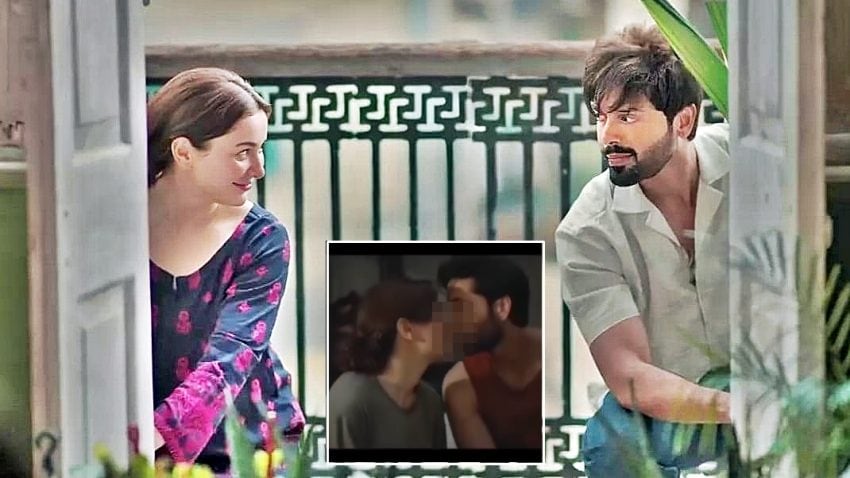
    Outrage Sparks Over AI Deepfake Video of ‘Kabhi Main Kabhi Tum’ Stars

    The issue of AI-generated videos is causing controversy again, with the stars of “Kabhi Main Kabhi Tum,” Hania Aamir and Fahad Mustafa, becoming recent targets.

    As the drama gained popularity and topped viewer ratings, an unsettling video surfaced featuring inappropriate scenes involving the actors. This clip quickly caught widespread attention, leading to a surge of reactions on social media. The cast of the show also expressed their concerns about the proliferation of deepfake content online.

    Pakistani celebrities and activists have encouraged their supporters to take action by reporting the accounts behind these misleading videos.

  • Deepfake Scam Tricks Finance Worker into Transferring $25 Million

    Deepfake Scam Tricks Finance Worker into Transferring $25 Million

    The con artists leveraged advanced deepfake technology to mimic the appearance and voice of the company’s Chief Financial Officer (CFO) during a video call.

    Initially skeptical due to the secretive nature of the transaction, the employee’s doubts were assuaged by the deceivingly authentic virtual interaction, leading to the unauthorized financial transfer.

    The fraudulent activity came to light when the employee, harboring second thoughts about the transaction, sought confirmation from the corporate headquarters, by which time the financial damage had been done. This case underlines a burgeoning risk within the cyber domain, where artificial intelligence (AI) deepfakes have not only been exploited for creating counterfeit celebrity images or meddling with political discourse but are now effectively being used in high-stakes financial frauds.

    Hong Kong police’s rapid response led to the arrest of six individuals linked to this and similar scams. The city’s law enforcement officials have documented at least 20 instances where artificial intelligence, particularly deepfake technology, sidestepped facial recognition security measures. Publicly accessible videos and audio clips were appropriated by the scammers to craft the sophisticated deepfakes that facilitated this deception.

    This incident serves as a stark warning against the potential dangers posed by deepfake technology. While AI’s capabilities continue to evolve, so too does the inventiveness of cybercriminals who misuse these advancements for nefarious purposes. In response to the growing threat, Hong Kong police have issued public advisories cautioning about the sophisticated scams empowered by deepfake technology.

    The financial sector’s vulnerability to such advanced technological manipulations highlights an urgent need for heightened cybersecurity measures and regulatory frameworks. As digital impersonation techniques become increasingly refined and accessible, industry-wide vigilance and education on recognizing and preventing deepfake scams will be key to safeguarding sensitive financial transactions and personal identities against cyber malevolence.